 flip
flipAcarajé (black-eyed pea fritters in palm oil)
Acarajé (black-eyed pea fritters in palm oil)
Why this dish? In the squares and markets of Bahia, Baianas in white dresses sell piping hot acarajé from their aprons. It's the taste of the streets João walked as a child in Juazeiro and throughout the Northeast — the quintessential Afro-Brazilian street food, fried before the passerby's eyes.
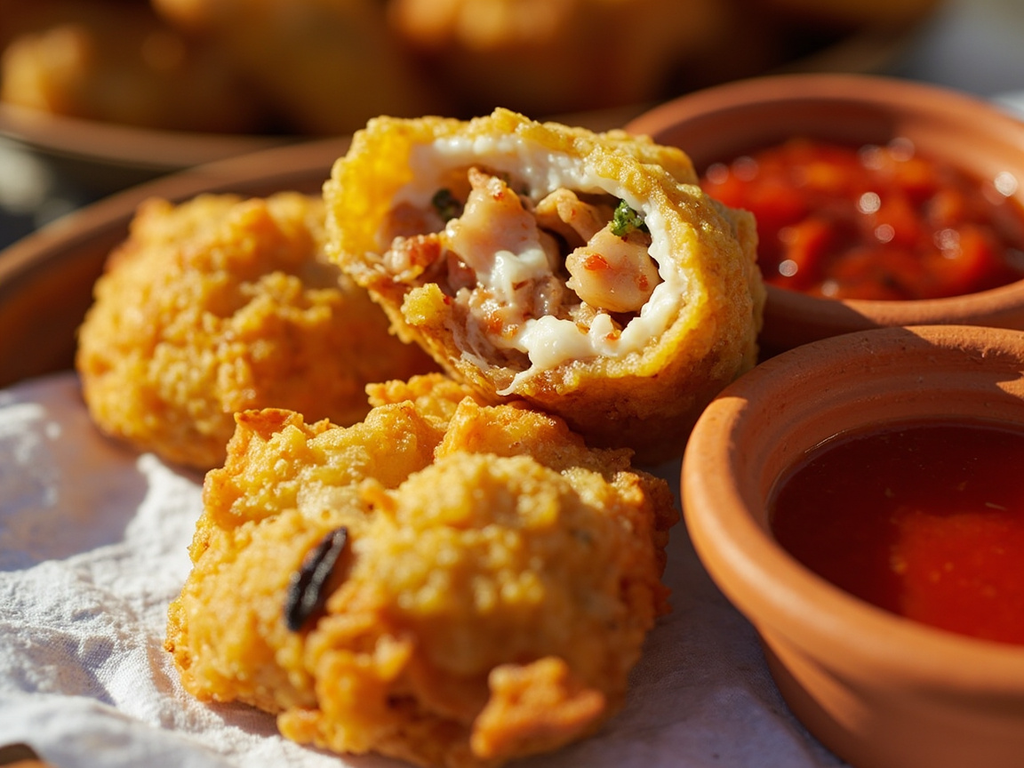
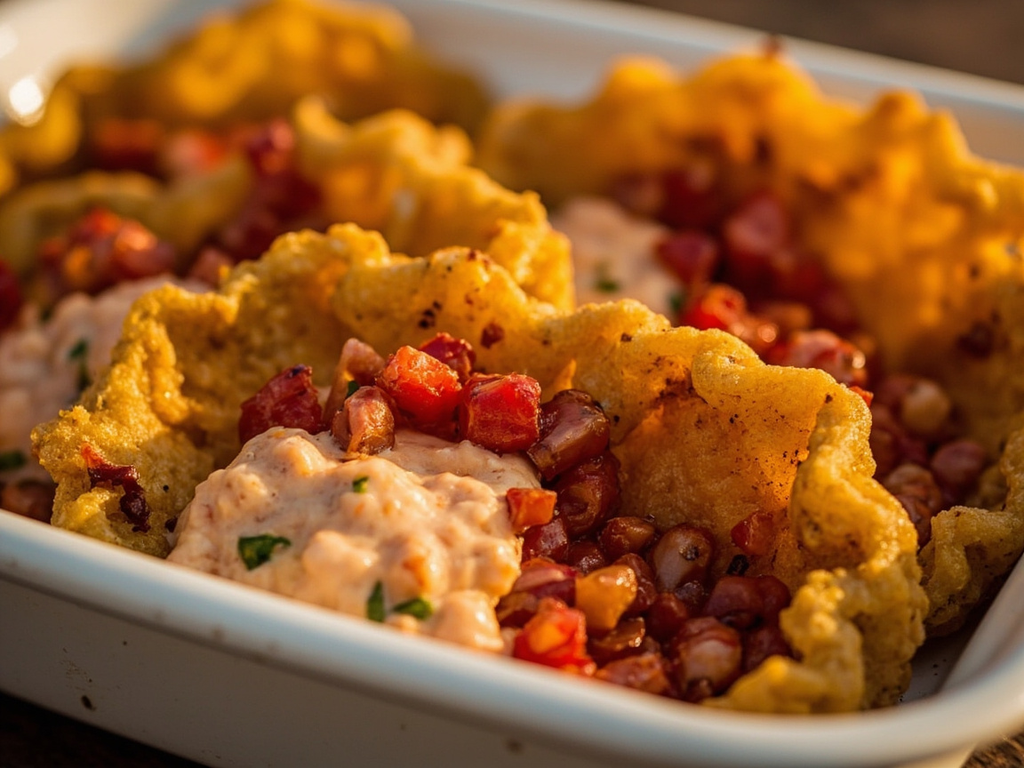
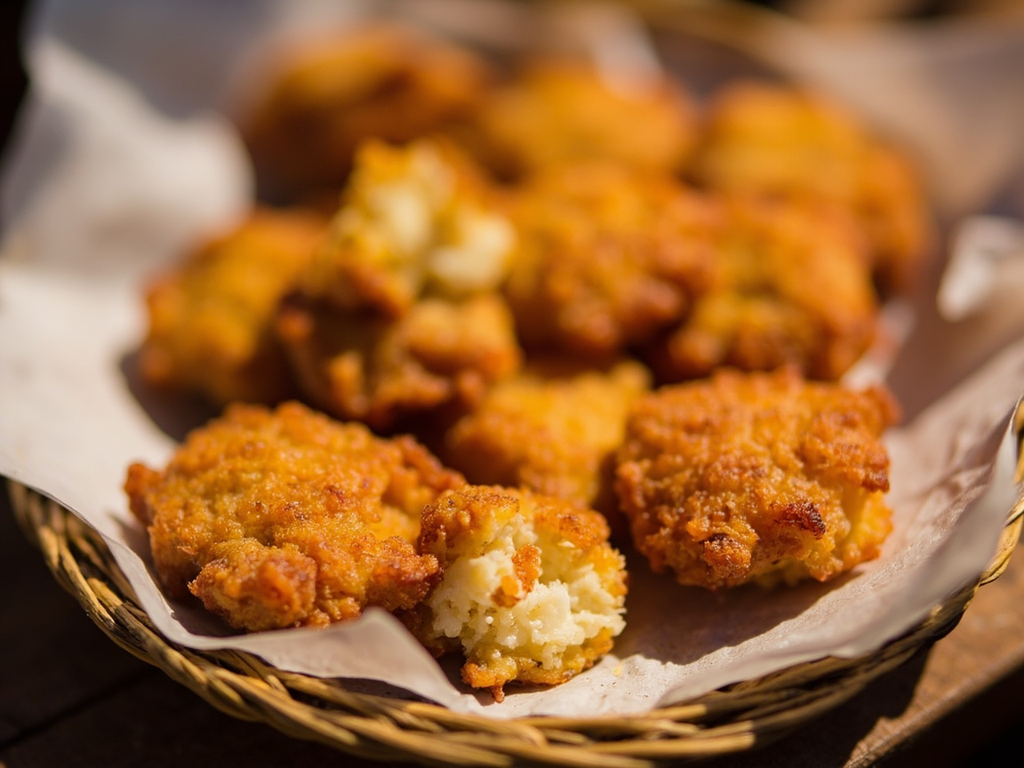
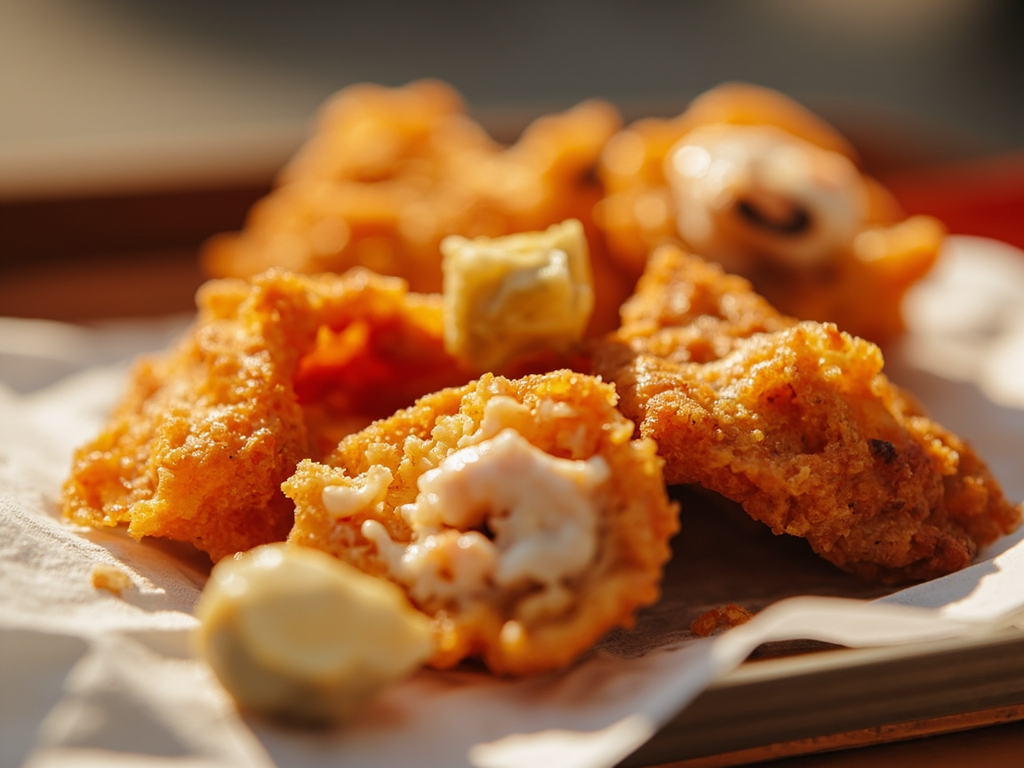
Fritters made from black-eyed pea batter, fried in red palm oil until golden outside and fluffy inside, then split and filled with dried shrimp, creamy vatapá, and a spicy salsa. A generous, crispy, and aromatic street snack.
Ah, acarajé… when I was little, the smell of hot dendê in the square was enough to make me run. The Baiana would take it out of the cauldron all golden, split it in two with a quick motion, and fill it with vatapá and shrimp. You have to eat it standing, right there, right away, burning your fingers a little — cold, it's nothing. It's sacred to us, this fritter; it comes from the African gods, and we respect it.
- •Black-eyed peas (feijão-fradinho) — a bowl, soaked and peeled (base)
- •Red palm oil (dendê) — for frying (signature)
- •Grated onion — one small (aromatic)
- •Dried shrimp — a handful (filling)
- •Salt — to taste (seasoning)
Acarajé (black-eyed pea fritters in palm oil)
Fritters made from black-eyed pea batter, fried in red palm oil until golden outside and fluffy inside, then split and filled with dried shrimp, creamy vatapá, and a spicy salsa. A generous, crispy, and aromatic street snack.
Why this dish? In the squares and markets of Bahia, Baianas in white dresses sell piping hot acarajé from their aprons. It's the taste of the streets João walked as a child in Juazeiro and throughout the Northeast — the quintessential Afro-Brazilian street food, fried before the passerby's eyes.
Ah, acarajé… when I was little, the smell of hot dendê in the square was enough to make me run. The Baiana would take it out of the cauldron all golden, split it in two with a quick motion, and fill it with vatapá and shrimp. You have to eat it standing, right there, right away, burning your fingers a little — cold, it's nothing. It's sacred to us, this fritter; it comes from the African gods, and we respect it.
Ingredients (period version)
- Black-eyed peas (feijão-fradinho) — a bowl, soaked and peeled (base)
- Red palm oil (dendê) — for frying (signature)
- Grated onion — one small (aromatic)
- Dried shrimp — a handful (filling)
- Salt — to taste (seasoning)
Ingredients
- Black-eyed peas (cowpeas) — 300 g (soaked 8 h, peeled) (base)
- Red palm oil (dendê) — 1 L for frying (signature)
- Onion — 1 small, grated (aromatic)
- Ground dried shrimp — 50 g (filling)
- Salt — 1 tsp (seasoning)
- To serve: vatapá and tomato-onion-chili salsa — to taste (filling)
Method
- Blend the peeled beans with onion and salt until a thick, smooth paste forms.
- Beat the paste vigorously with a spoon for several minutes to aerate it — it should swell slightly.
- Heat the dendê oil generously. Using two spoons, shape quenelles and drop them into the oil.
- Fry for 4-5 minutes, turning, until well golden. Drain.
- Split each acarajé, fill with vatapá, shrimp, and a little spicy salsa. Eat immediately.
How it was made : Acarajé is a ritual food of Yoruba origin, offered to the orixá Iansã in Candomblé, which became street food in Bahia as early as the 19th century. Baianas traditionally sell it dressed in white, and the batter was once beaten by hand in a wooden mortar until frothy.
The contemporary twist : For a modern 'apéritif' version, shape mini acarajé bites and serve the spicy salsa on the side as a dip, so each person can control the heat.
João Gilberto · Charactorium