 Flip the card
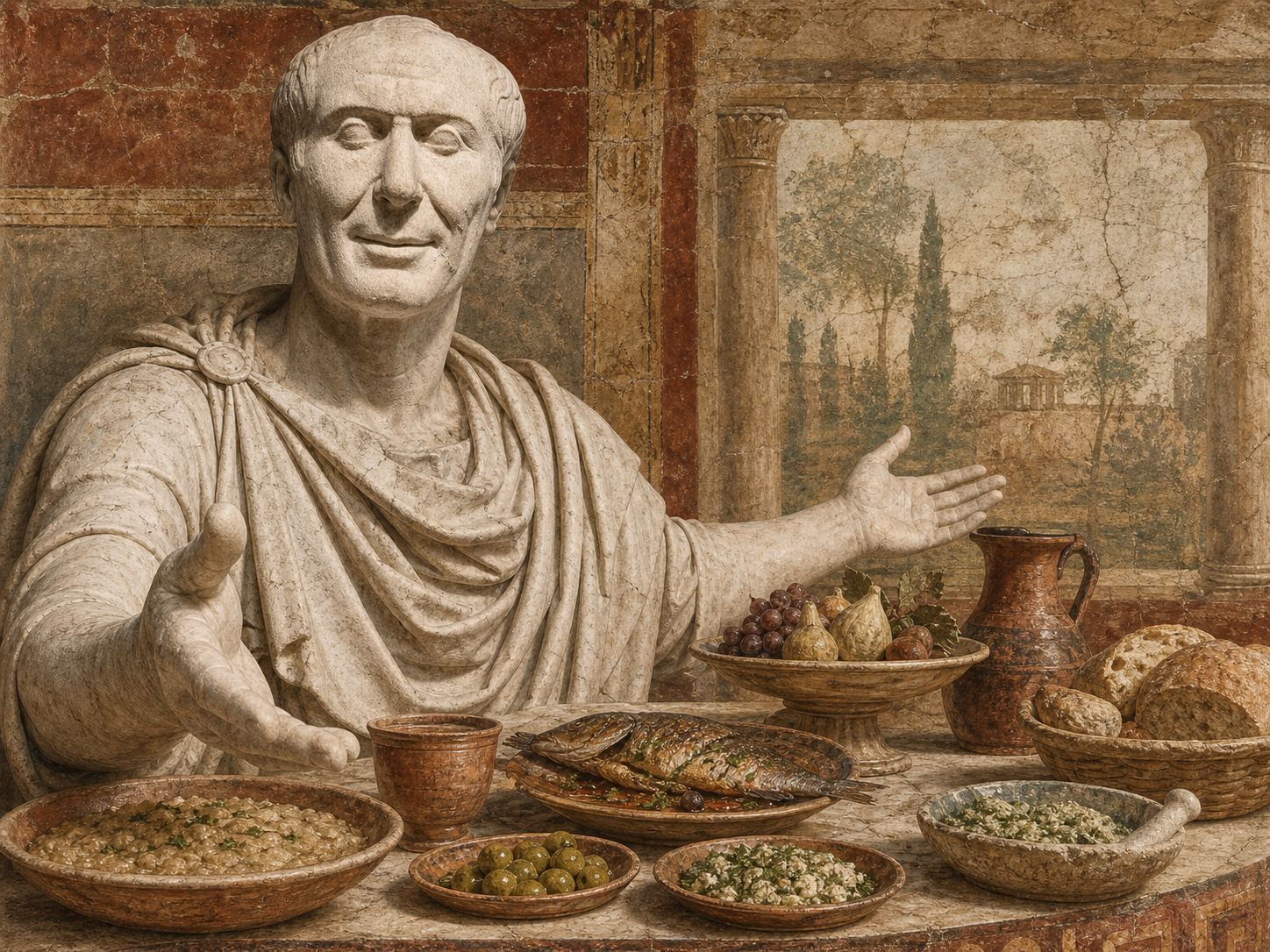
Julius Caesar at the table
99 av. J.-C. — 43 av. J.-C.
On the menu
The Roman Dinner (gustatio, mensa prima, mensa secunda)
The main Roman meal was organized in three courses: the gustatio (appetizers of eggs, vegetables, salted fish and garum, accompanied by honeyed wine), the mensa prima (main dishes — meats, fish, grain porridges), and the mensa secunda (dessert — fruits, dates, honey cakes). On a daily basis, commoners and soldiers alike made do with puls, a grain porridge. On the fringes of this system: the legionary's camp bread and posca, a marching drink.
Signature : Garum
A fermented fish sauce, ubiquitous on Roman tables: it was used to season nearly everything, from eggs to meats. It was the umami of Rome, the ancient equivalent of our soy sauce, and the pride of merchants from Pompeii to Gades.
click to flip back
Julius Caesar at the table
99 av. J.-C. — 43 av. J.-C.
5 period recipes
 Everyday
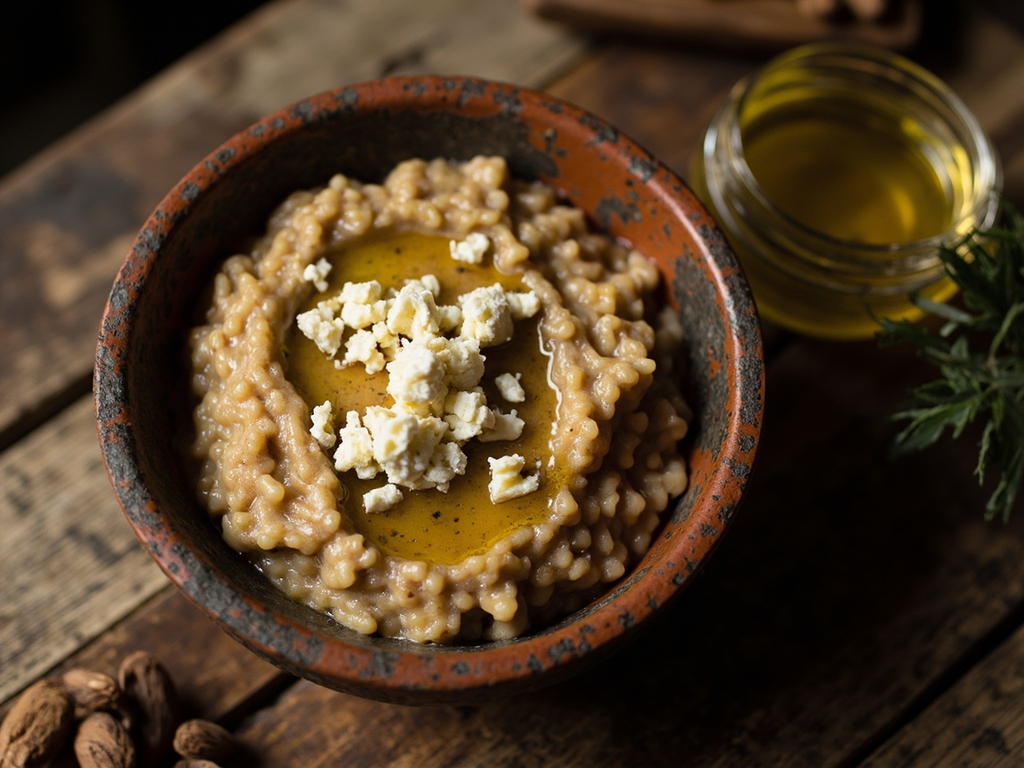
Puls — The Roman Porridge of Far
Everyday mensa prima (daily staple dish)
🧂 🍄· 45 min
View the recipe
 Festive
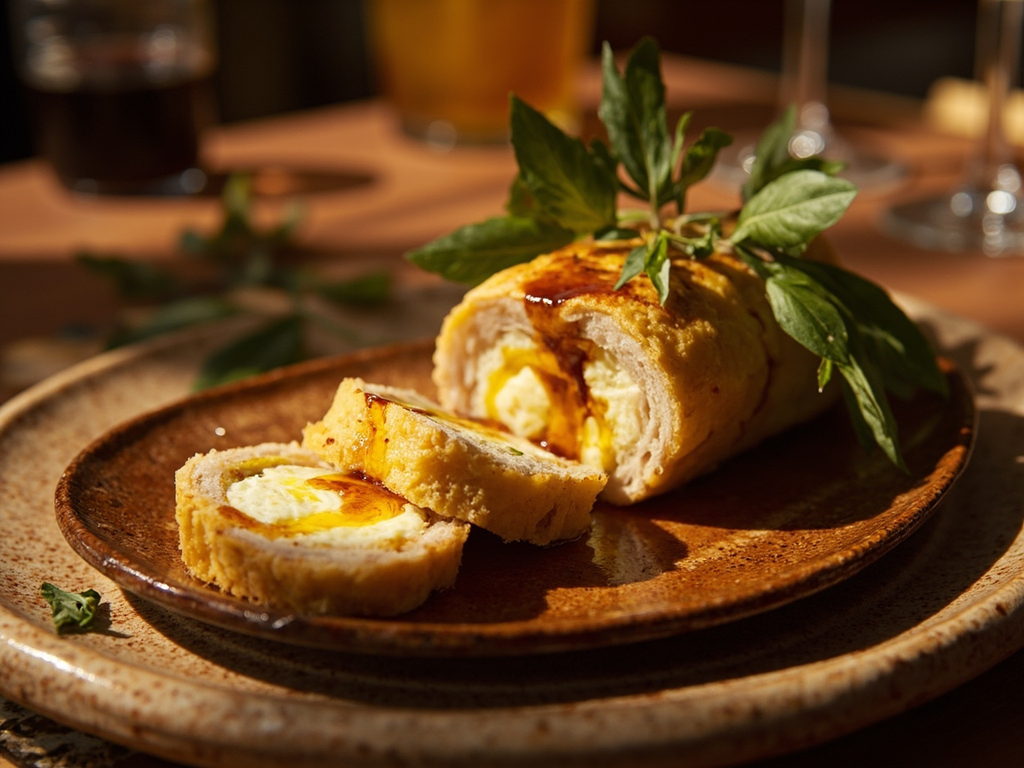
Patina of Fish with Garum and Honey
Banquet mensa prima (main dish of a refined dinner)
🍄 🧂 🍯· 1 h
View the recipe
 Travel
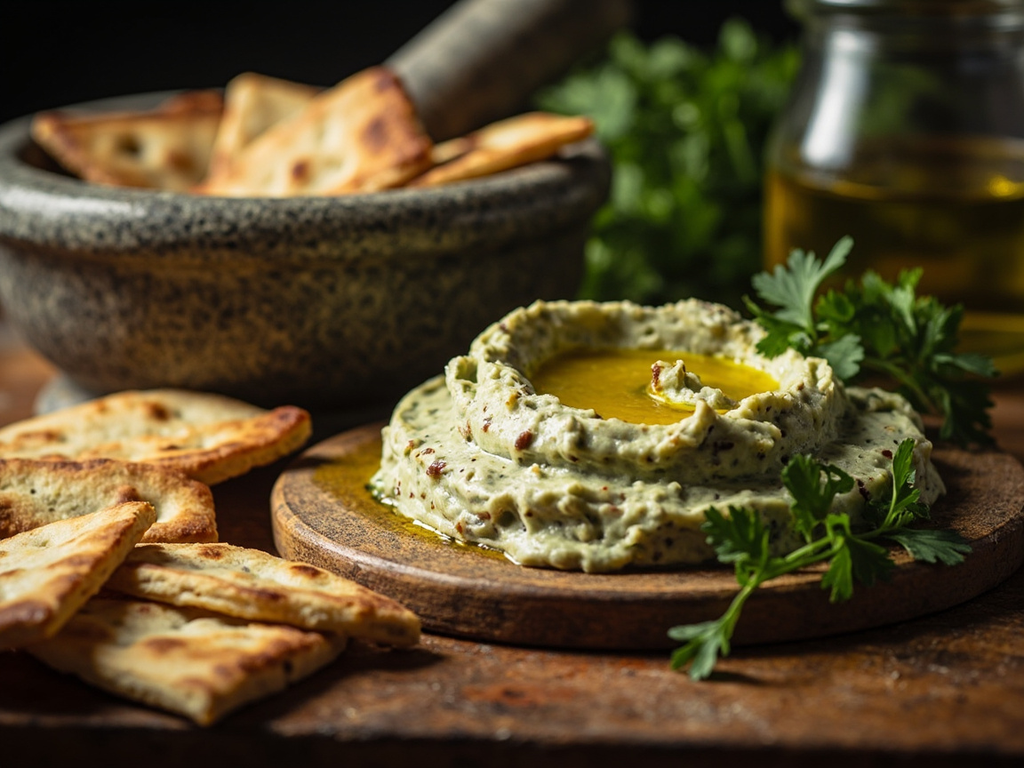
Bucellatum & Moretum — The Legionary's Bread and Paste
Cibaria militaria (marching and campaign ration)
🧂 🍄· 1 h 15
View the recipe
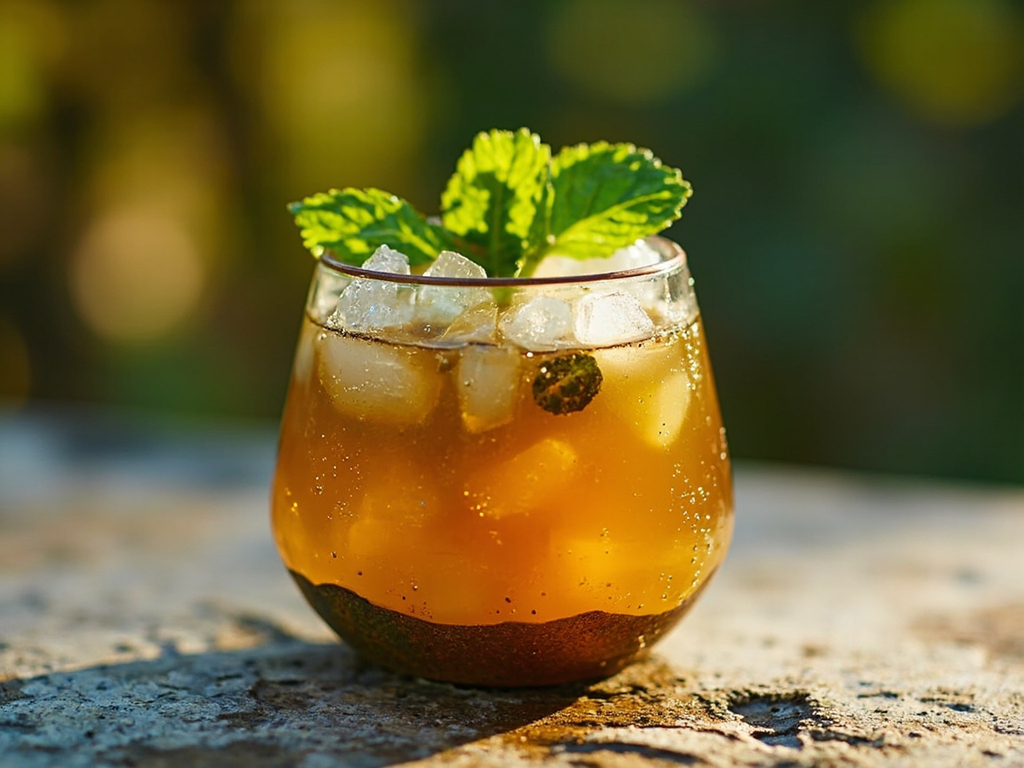 Drink
DrinkPosca — The Marching Drink of the Legions
Potio militaris (thirst-quenching drink, non-banquet)
🍋· 10 min (+ rest)
View the recipe
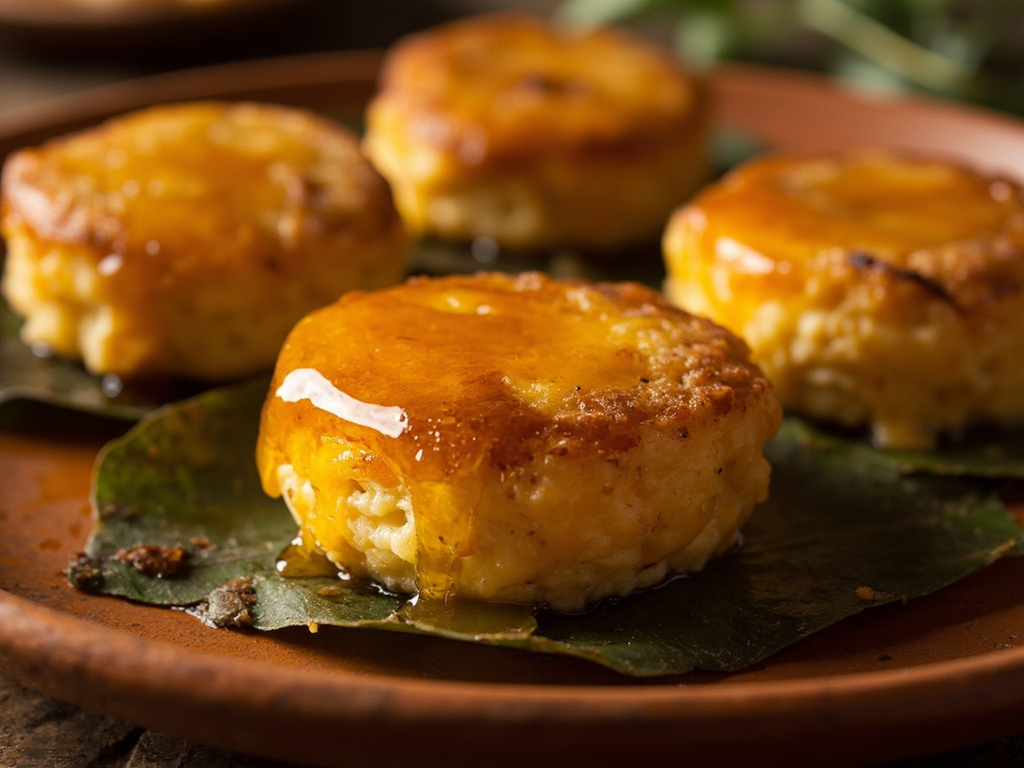 Offering
Libum — The Cheese Cake Offered to the Gods
Mensa secunda & domestic offering (sacred cake of the dessert course)
🍯 🍄· 55 min
View the recipe