La ofrenda de orillas (offering of the riverbanks) and the colonial mestizo table
In colonial Mexico, where La Llorona was born, two culinary worlds overlap: the cuisine of nixtamalized corn inherited from the Nahua peoples (tamales, atole, molcajete salsas) and Spanish contributions (sugar cane, pork, spices from the East, milk). The meal is not divided into starter-main-dessert: it is organized around the tortilla and corn masa as a base, accompanied by antojitos (small street bites), thick bebidas served hot (atole, champurrado), and, on the Day of the Dead, the ofrenda — these foods placed near water and altars for wandering souls. It is in this in-between, along the canals of Xochimilco and Lake Texcoco, that La Llorona receives her offerings, it is said.
Signature : Nixtamalization of corn
Soaking corn in lime water (cal) to soften the kernel, release its aromas, and make it nutritious: this millennia-old Mesoamerican technique transforms corn into masa, the mother dough of almost everything. All the recipes here derive from it. It is the soul of the pantry that La Llorona would have known — an indigenous knowledge that survives the Spanish conquest.
La Llorona at the table
5 period recipes
 Offering
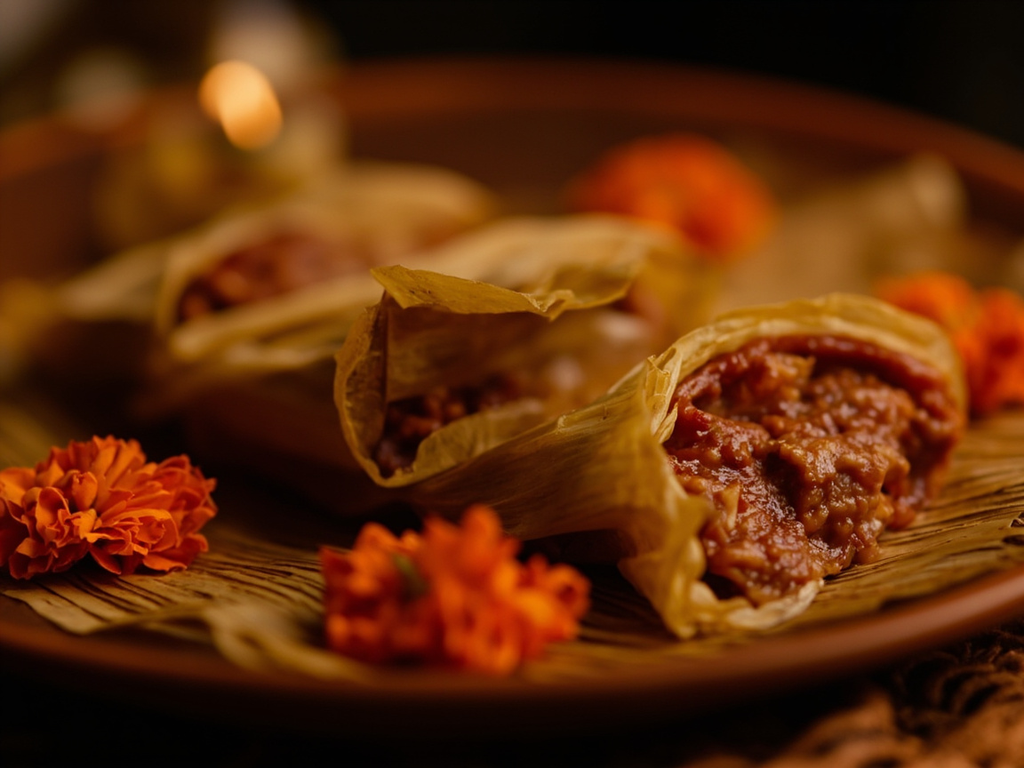
Tamales of the ofrenda, wrapped in corn husks
Ofrenda — offering food placed near water for the souls
🧂 🌶️· 1 h 30
View the recipe
 Drink
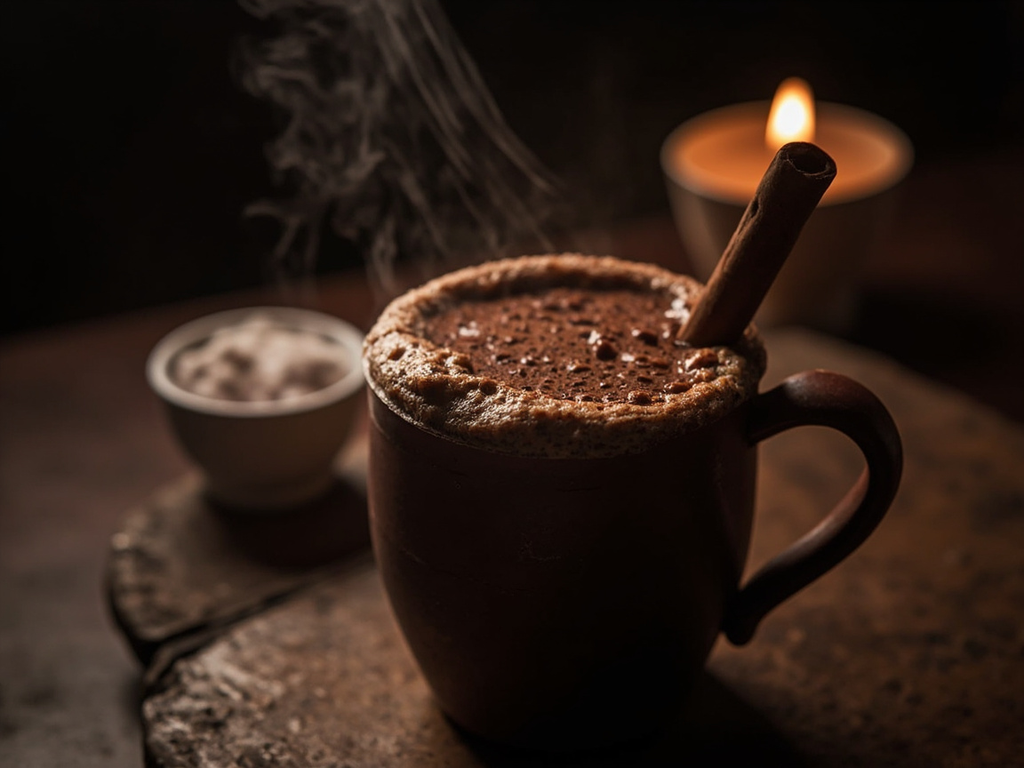
DrinkChampurrado — thick cacao atole
Bebida — thick meal-drink served piping hot
🍯 ☕· 25 min
View the recipe
 Festive
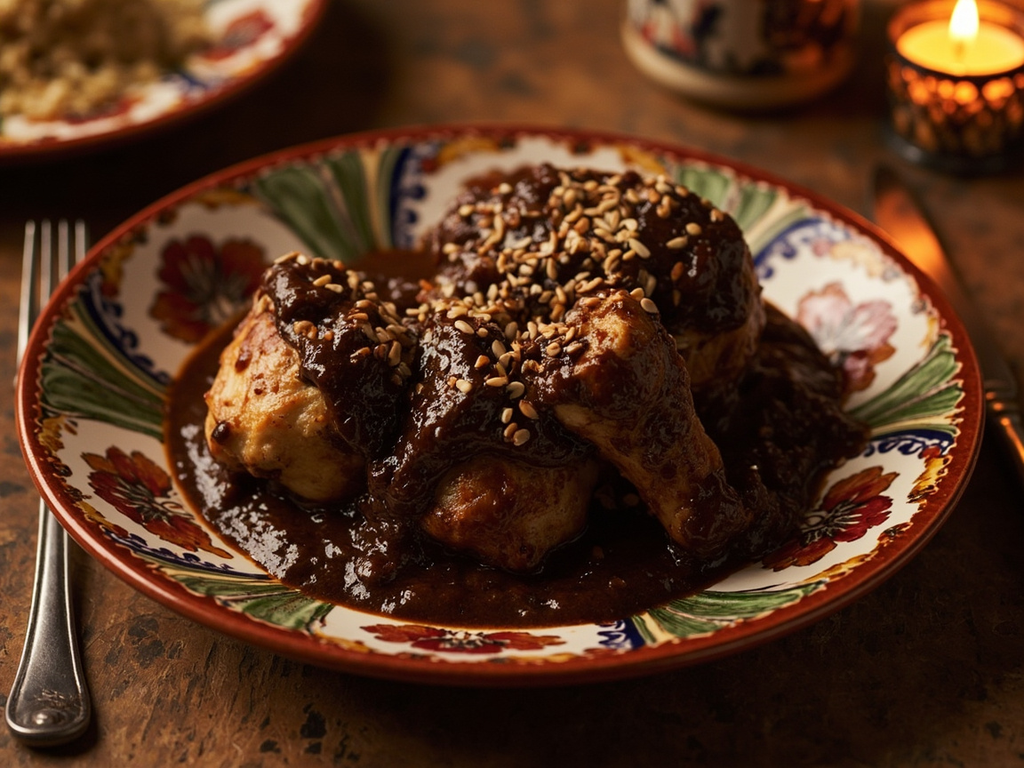
Festive spicy mole, chili and cacao sauce
Platillo de fiesta — grand dish of feast days served on the family table
🌶️ ☕ 🍄· 2 h
View the recipe
 Travel
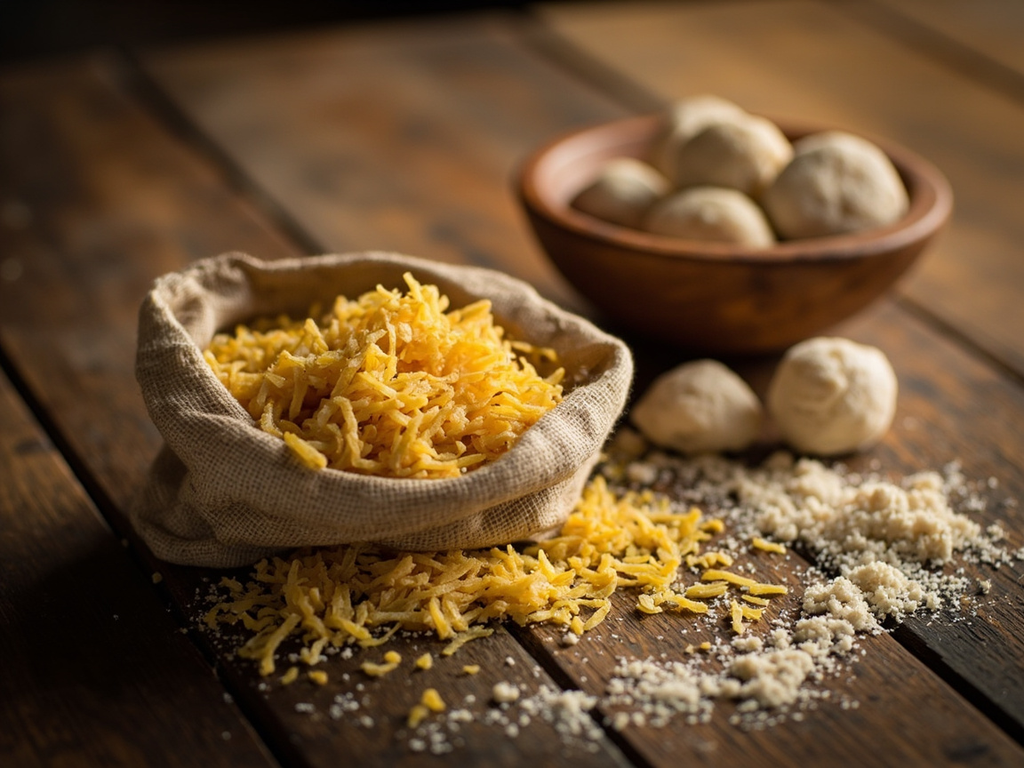
Pinole — toasted corn flour for the road
Bastimento — travel provisions carried on one's person
🍯· 30 min
View the recipe
 Everyday
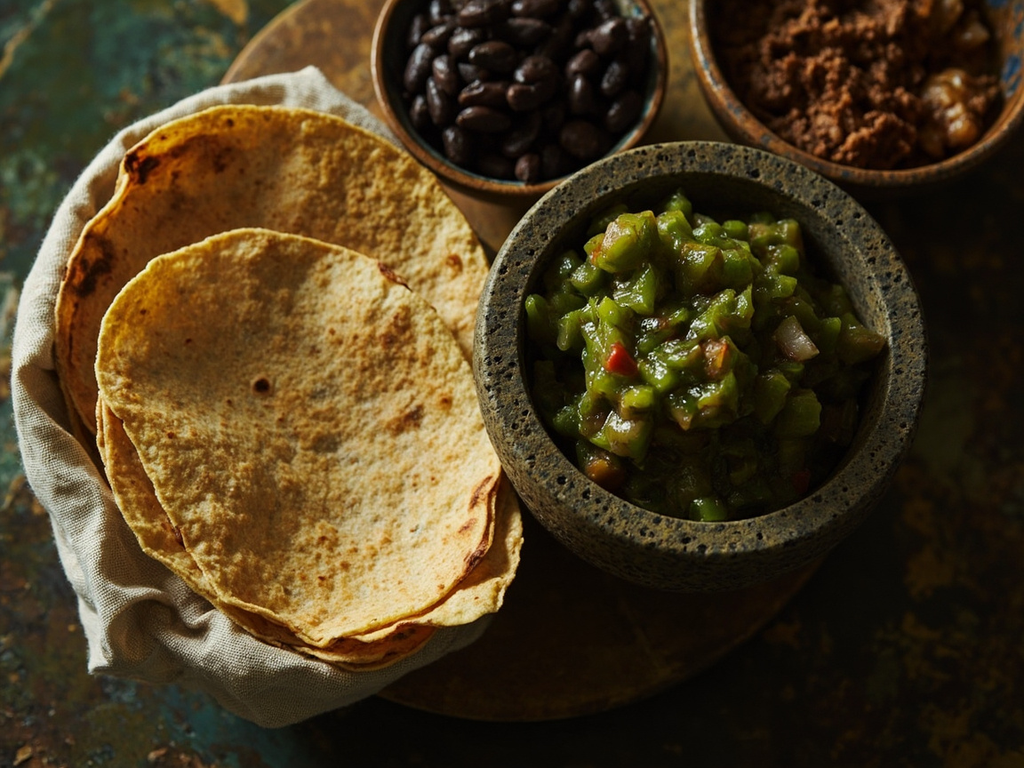
Comal tortillas, green molcajete salsa, and pot beans
Comida de diario — everyday home meal, centered on the tortilla
🍋 🌶️· 50 min
View the recipe