 Flip the card
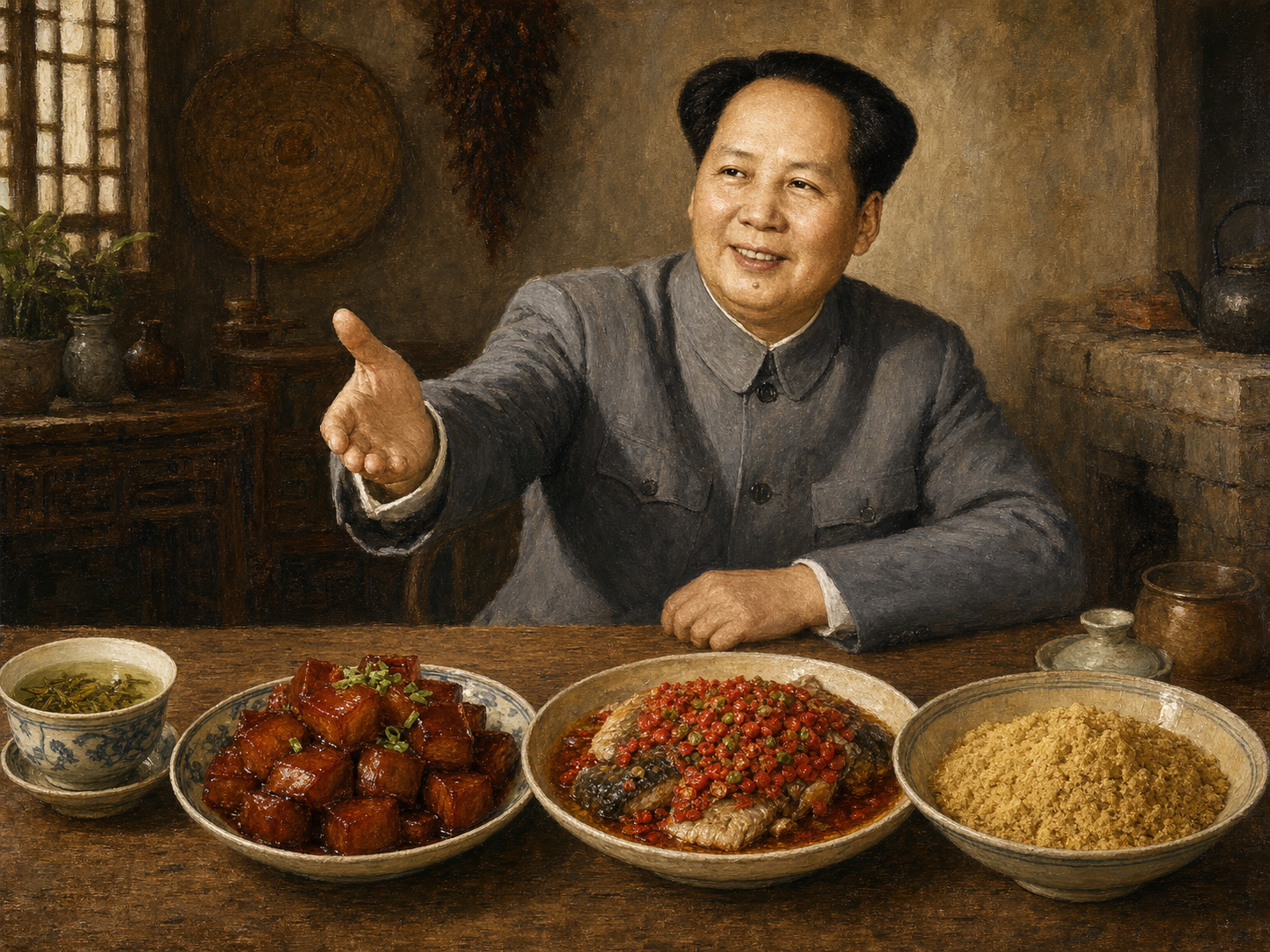
Machiavelli at the table
1469 — 1527
On the menu
Servizio di credenza and servizio di cucina
In Renaissance Florence, meals were not divided into starter-main-dessert but organized into two alternating services. The servizio di credenza brought together cold dishes from the buffet (cured meats, fruits, confections, spiced wines prepared in advance), while the servizio di cucina delivered hot dishes fresh from the kitchen (soups, roasts, sauces). Several courses followed, from lightest to most substantial, returning to sweet and spiced flavors to close. For a chancellery clerk like Machiavelli, this splendor was reduced to essentials, and rural exile brought him back to the peasant pot.
Signature : Spices and agresto
Tuscan cuisine of the 15th–16th centuries loved to combine sweet and sour: cinnamon, ginger, saffron, and cloves flavored both savory and sweet dishes, while agresto — juice of unripe green grapes — provided the sharp acidity that today we expect from lemon or vinegar. This sweet-and-sour, perfumed thread connects the festive roast to the evening wine.
click to flip back
Machiavelli at the table
1469 — 1527
4 period recipes
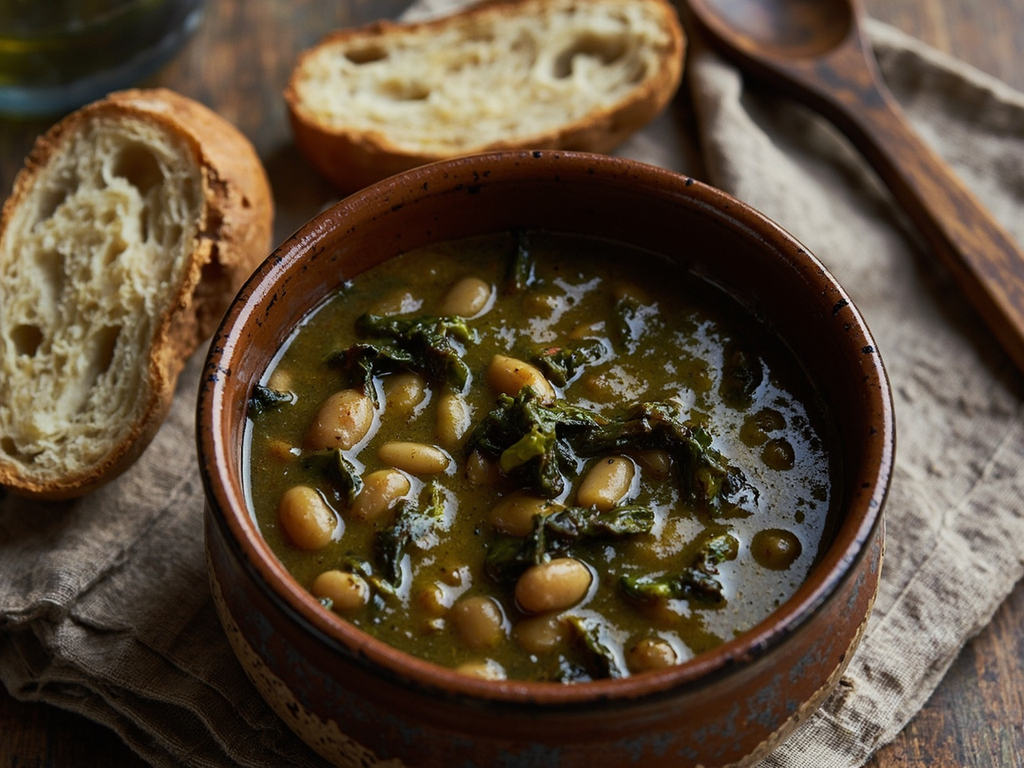 Everyday
Zuppa di pane, cavolo nero e fave
Minestra from servizio di cucina (hot peasant soup)
🧂 🍄 ☕· 1 h (plus soaking)
View the recipe
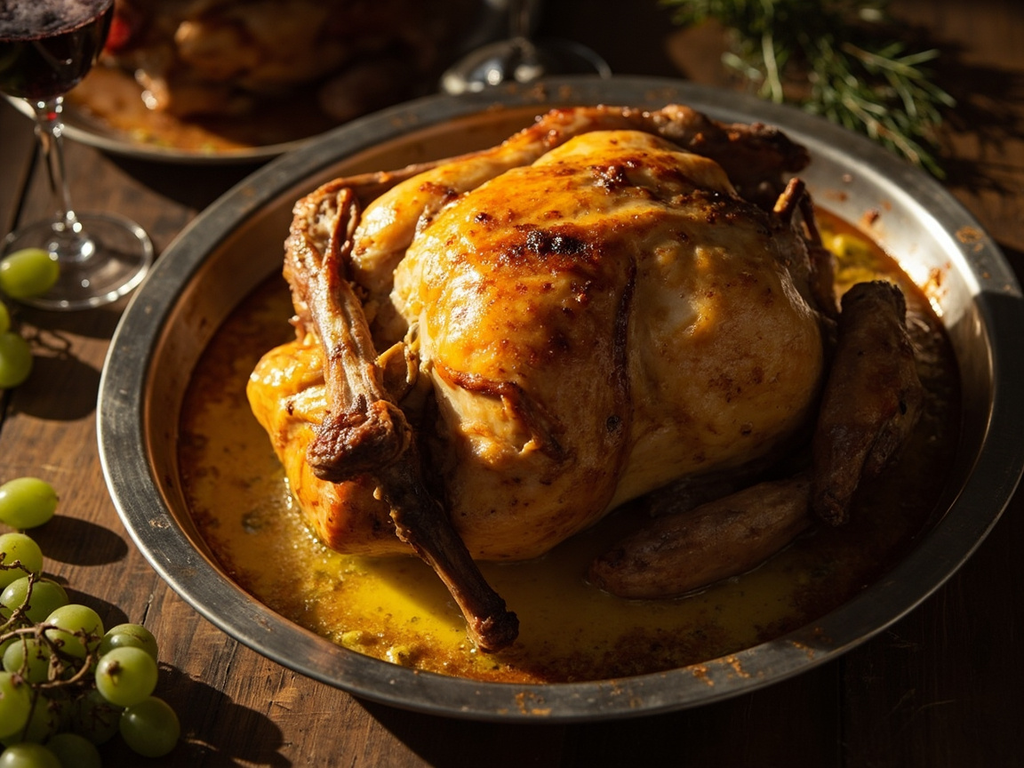 Festive
Cappone arrosto all'agresto
Arrosto from servizio di cucina (hot festive roast)
🧂 🍋 🌶️· 1 h 45
View the recipe
 Drink
DrinkIpocrasso
Wine from servizio di credenza (pre-prepared spiced drink)
🍯 🌶️· 35 min
View the recipe
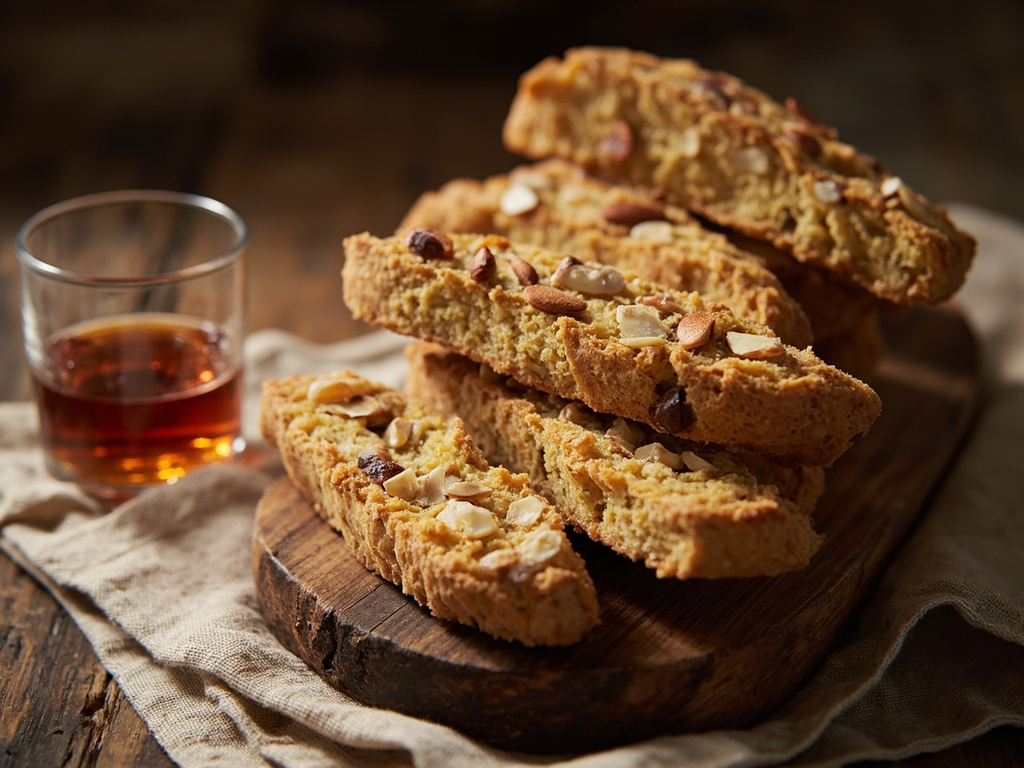 Travel
Biscotti da viaggio alle mandorle
Dry confection from servizio di credenza (travel biscuit)
🍯 ☕· 1 h
View the recipe