 flip
flipIpocrasso
Ipocrasso
Why this dish? In the evening, Machiavelli often tells how he exchanged his muddy clothes for dignified attire to 'converse' with the Ancients in his library. This spiced mulled wine, ipocrasso, was the drink of digestion and reflection for scholars of the time, sipped while reading Livy by the fire — Tuscan wine transfigured by spices.
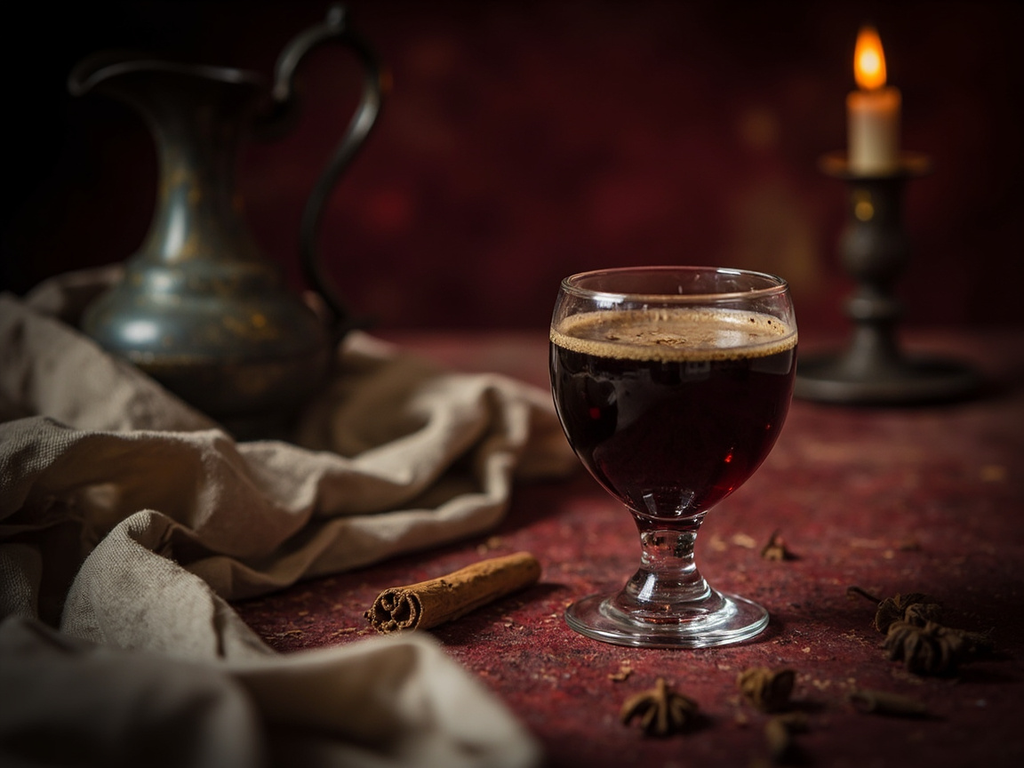
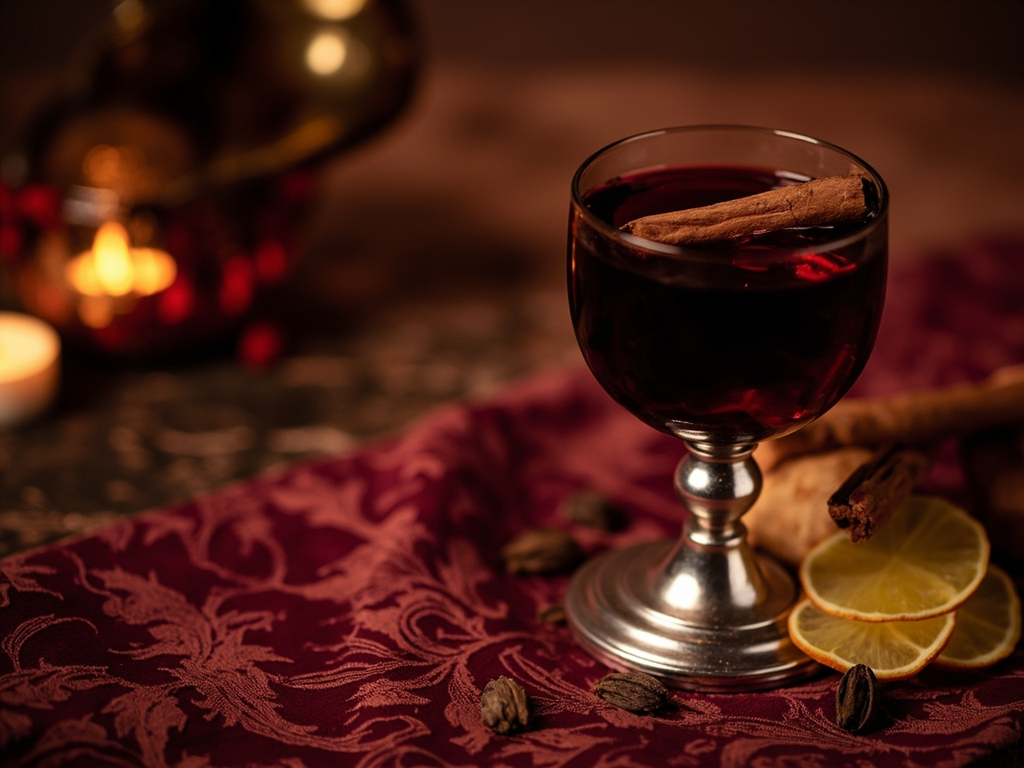
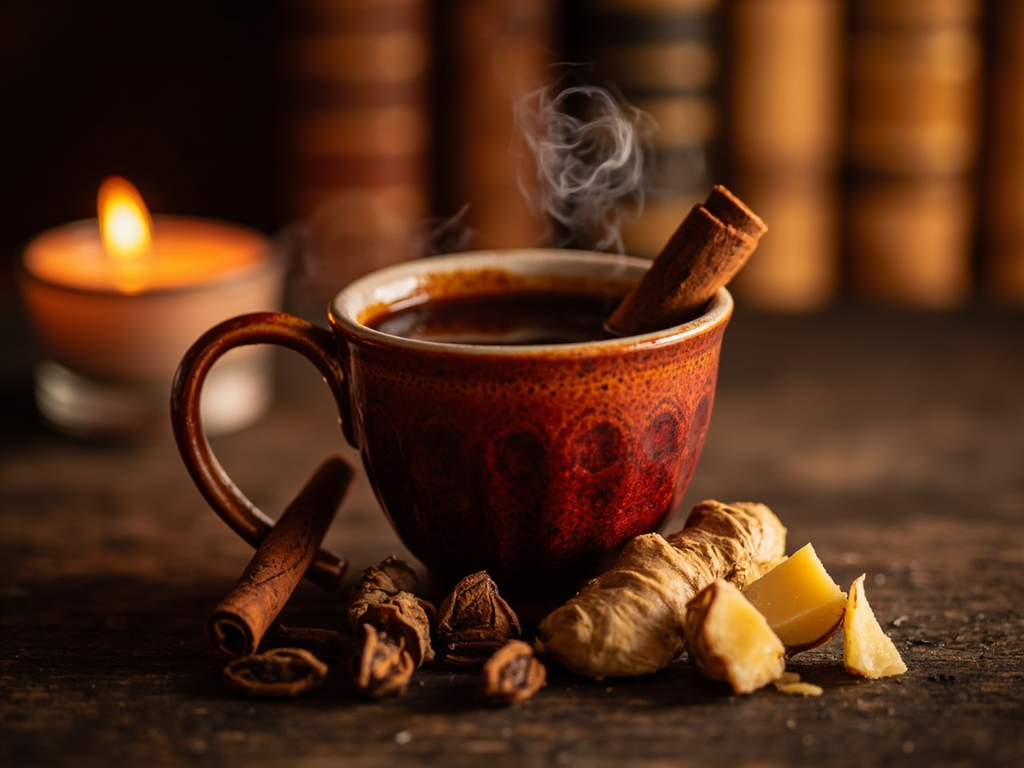
A Tuscan red wine sweetened with honey or sugar and infused with noble spices — cinnamon, ginger, cloves — then filtered to become clear and fragrant. A warm, sweet, powerfully aromatic drink, direct ancestor of mulled wine.
The day ended, I shed my clothes soiled with mud and spite, I don a decent robe, and I enter as if into audience in my study of books. For this company of the Ancients, one needs a wine that loosens the mind without clouding it: I take our Tuscan red, I melt honey into it, I drown cinnamon, ginger, and cloves, then I pour it through a cloth sleeve until it is clear as a ruby. Drink a warm cup of it, reader, and you will see the dead centuries answer you. It is a small thing, and yet it is my only kingdom.
- •Tuscan red wine — one pitcher (base)
- •Honey or sugar — to taste (sweetness)
- •Cinnamon — one stick (main spice)
- •Ginger — a piece (warm spice)
- •Clove — a few (fragrant spice)
- •Grains of paradise or long pepper — a pinch (aromatic heat)
Ipocrasso
A Tuscan red wine sweetened with honey or sugar and infused with noble spices — cinnamon, ginger, cloves — then filtered to become clear and fragrant. A warm, sweet, powerfully aromatic drink, direct ancestor of mulled wine.
Why this dish? In the evening, Machiavelli often tells how he exchanged his muddy clothes for dignified attire to 'converse' with the Ancients in his library. This spiced mulled wine, ipocrasso, was the drink of digestion and reflection for scholars of the time, sipped while reading Livy by the fire — Tuscan wine transfigured by spices.
The day ended, I shed my clothes soiled with mud and spite, I don a decent robe, and I enter as if into audience in my study of books. For this company of the Ancients, one needs a wine that loosens the mind without clouding it: I take our Tuscan red, I melt honey into it, I drown cinnamon, ginger, and cloves, then I pour it through a cloth sleeve until it is clear as a ruby. Drink a warm cup of it, reader, and you will see the dead centuries answer you. It is a small thing, and yet it is my only kingdom.
Ingredients (period version)
- Tuscan red wine — one pitcher (base)
- Honey or sugar — to taste (sweetness)
- Cinnamon — one stick (main spice)
- Ginger — a piece (warm spice)
- Clove — a few (fragrant spice)
- Grains of paradise or long pepper — a pinch (aromatic heat)
Ingredients
- Red wine (Chianti or Sangiovese) — 75 cl (1 bottle) (base)
- Honey — 4 to 6 tbsp (sweetness)
- Cinnamon stick — 1 (main spice)
- Fresh ginger — 4 thin slices (warm spice)
- Cloves — 4 (fragrant spice)
- Long pepper or black peppercorns — 1 small pinch (aromatic heat)
Method
- Pour the wine into a saucepan, add honey and stir to dissolve.
- Add cinnamon, ginger, cloves, and pepper.
- Heat gently without ever boiling (the wine should only barely simmer), for 15 to 20 minutes to infuse.
- Remove from heat and let steep for another 10 minutes to intensify the flavor.
- Filter carefully through a cloth (the 'Hippocrates sleeve') until clear.
- Serve warm in small cups.
How it was made : Ipocrasso (hypocras) takes its name from the 'manica d'Ippocrate', the conical cloth filter through which the spiced wine was clarified. A prestige drink served at the end of meals, it used costly spices imported from the East by Italian merchants: their abundance in a cup was a display of wealth as much as a pleasure.
The contemporary twist : Non-alcoholic version for school audiences: replace the wine with red grape juice and the same spices, plus a dash of verjus, to keep the tannic and tart character without alcohol.
Sources : Bartolomeo Platina, De honesta voluptate et valetudine (1474)
Machiavelli · Charactorium