 flip
flipGoat cheese of the shepherds of Seriphos, with olives and thyme
Goat cheese of the shepherds of Seriphos, with olives and thyme
Why this dish? Seriphos, the arid island where Perseus grew up, lived off its goats and the sea. On these poor lands, nothing was wasted: milk became cheese that was preserved in brine and oil, and olives were stored to last through winter. This is the daily fare of a hero before he knew palaces.
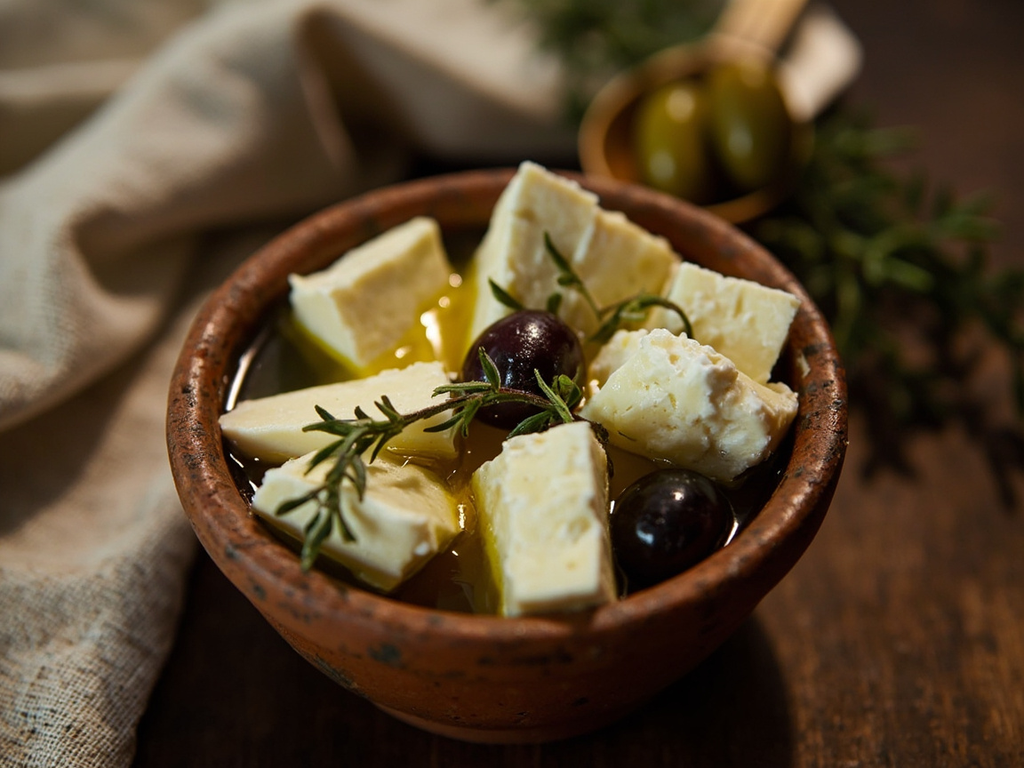
A firm fresh goat cheese preserved in olive oil and thyme, served with olives and a splash of wine vinegar. Salty, slightly tangy and acidic, it keeps a long time: the shepherd's reserve.
Before the palaces and feasts, stranger, there was Dictys' hut and the smell of curdled milk. On Seriphos, the soil yields only stones and goats, so you learn to keep what you have: you press the cheese, salt it, drown it in oil with thyme, and it waits out the winter without complaint. A handful of olives, a splash of vinegar, this cheese and my barley cake—that is what I was made of when I set sail for Medusa's head. Luxury makes men soft; it was poverty that forged me.
- •Fresh firm goat cheese — what the herd gives (base)
- •Olive oil — enough to cover (preservation)
- •Thyme and savory — a few sprigs (herb)
- •Brined olives — a handful (accompaniment)
- •Sea salt and wine vinegar — by hand (seasoning)
Goat cheese of the shepherds of Seriphos, with olives and thyme
A firm fresh goat cheese preserved in olive oil and thyme, served with olives and a splash of wine vinegar. Salty, slightly tangy and acidic, it keeps a long time: the shepherd's reserve.
Why this dish? Seriphos, the arid island where Perseus grew up, lived off its goats and the sea. On these poor lands, nothing was wasted: milk became cheese that was preserved in brine and oil, and olives were stored to last through winter. This is the daily fare of a hero before he knew palaces.
Before the palaces and feasts, stranger, there was Dictys' hut and the smell of curdled milk. On Seriphos, the soil yields only stones and goats, so you learn to keep what you have: you press the cheese, salt it, drown it in oil with thyme, and it waits out the winter without complaint. A handful of olives, a splash of vinegar, this cheese and my barley cake—that is what I was made of when I set sail for Medusa's head. Luxury makes men soft; it was poverty that forged me.
Ingredients (period version)
- Fresh firm goat cheese — what the herd gives (base)
- Olive oil — enough to cover (preservation)
- Thyme and savory — a few sprigs (herb)
- Brined olives — a handful (accompaniment)
- Sea salt and wine vinegar — by hand (seasoning)
Ingredients
- Fresh firm goat cheese (type log or goat feta) — 250 g (base)
- Extra virgin olive oil — about 200 ml (preservation)
- Fresh thyme — 3 sprigs (herb)
- Savory or oregano — 1 tsp (herb)
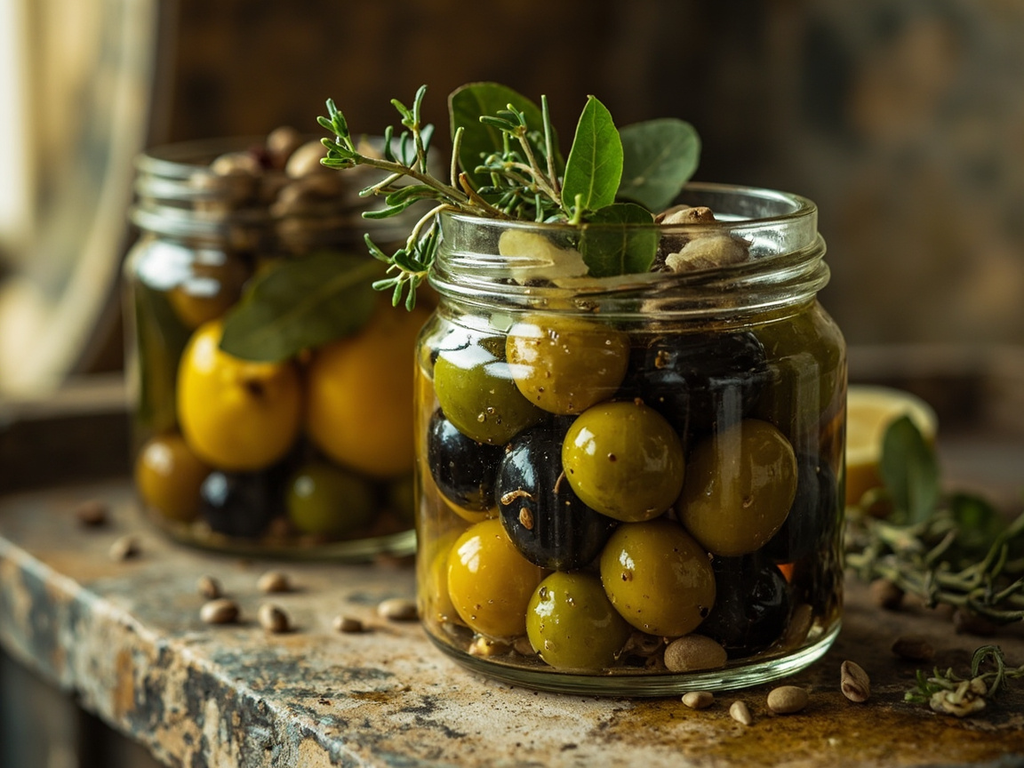
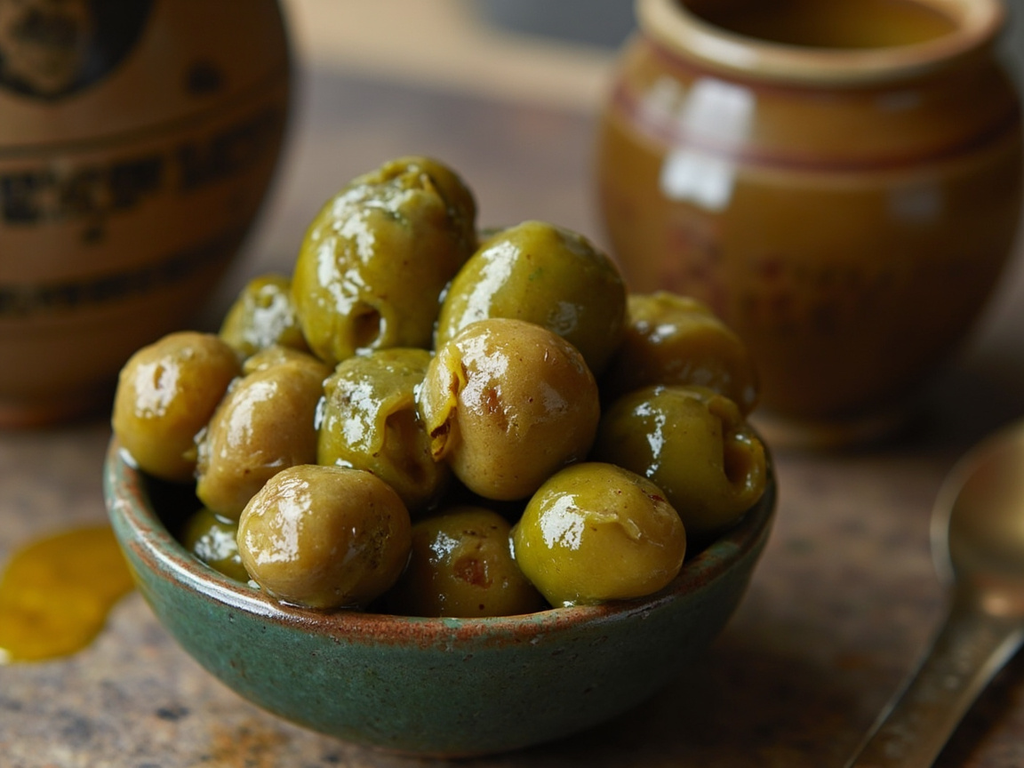
- Black or green olives — 1 good handful (accompaniment)
- Salt and wine vinegar — a splash (seasoning)
Method
- Cut the cheese into cubes or thick slices.
- Lightly salt and let drain on a cloth for 1 hour to firm up.
- Arrange the pieces in a clean jar with the thyme and savory.
- Cover completely with olive oil and seal: the cheese keeps this way for several days in a cool place.
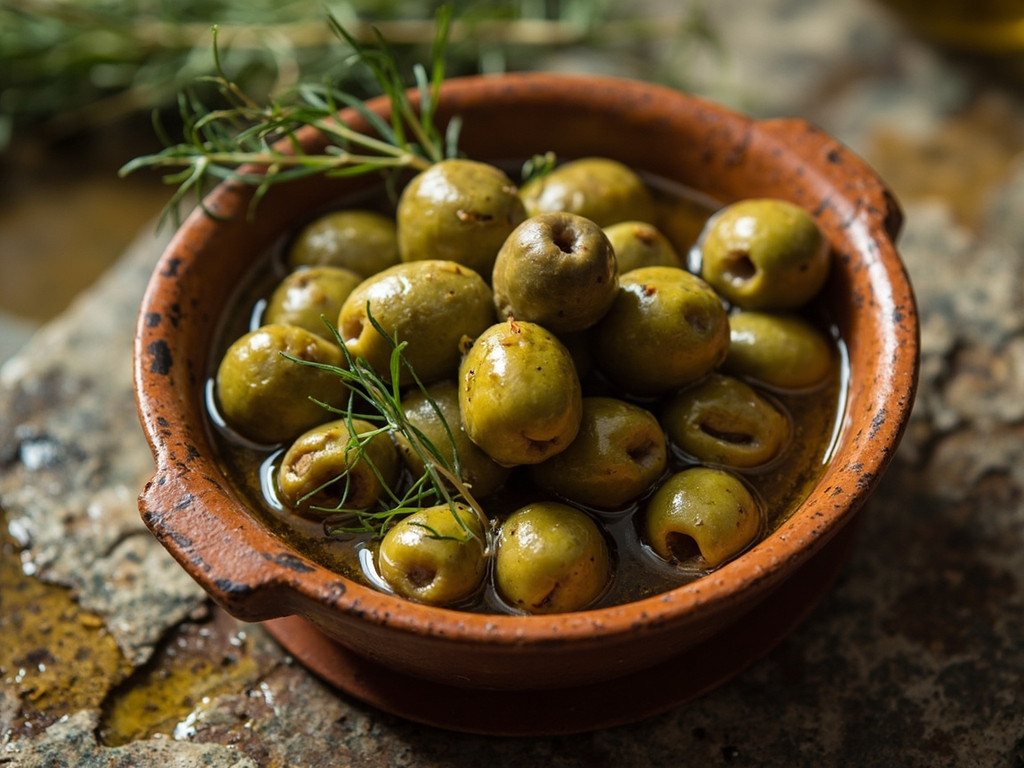
- When serving, plate with the olives, a splash of wine vinegar, and a little of the flavored oil from the jar.
- Accompany with warm barley cake (recipe r1).
How it was made : Goat and sheep cheese was central to the Greek diet. Preserved in brine or oil, it was transportable and storable—Homer already describes the Cyclops Polyphemus pressing his cheeses in wicker racks.
The contemporary twist : Present the cheese in a small terracotta bowl “meze-style,” drizzled with flavored oil and sprinkled with dried thyme and lemon zest.
Sources : Homer, Odyssey (Book IX, Polyphemus' cheeses) · Andrew Dalby, Food in the Ancient World from A to Z (2003)
Perseus · Charactorium