 Flip the card
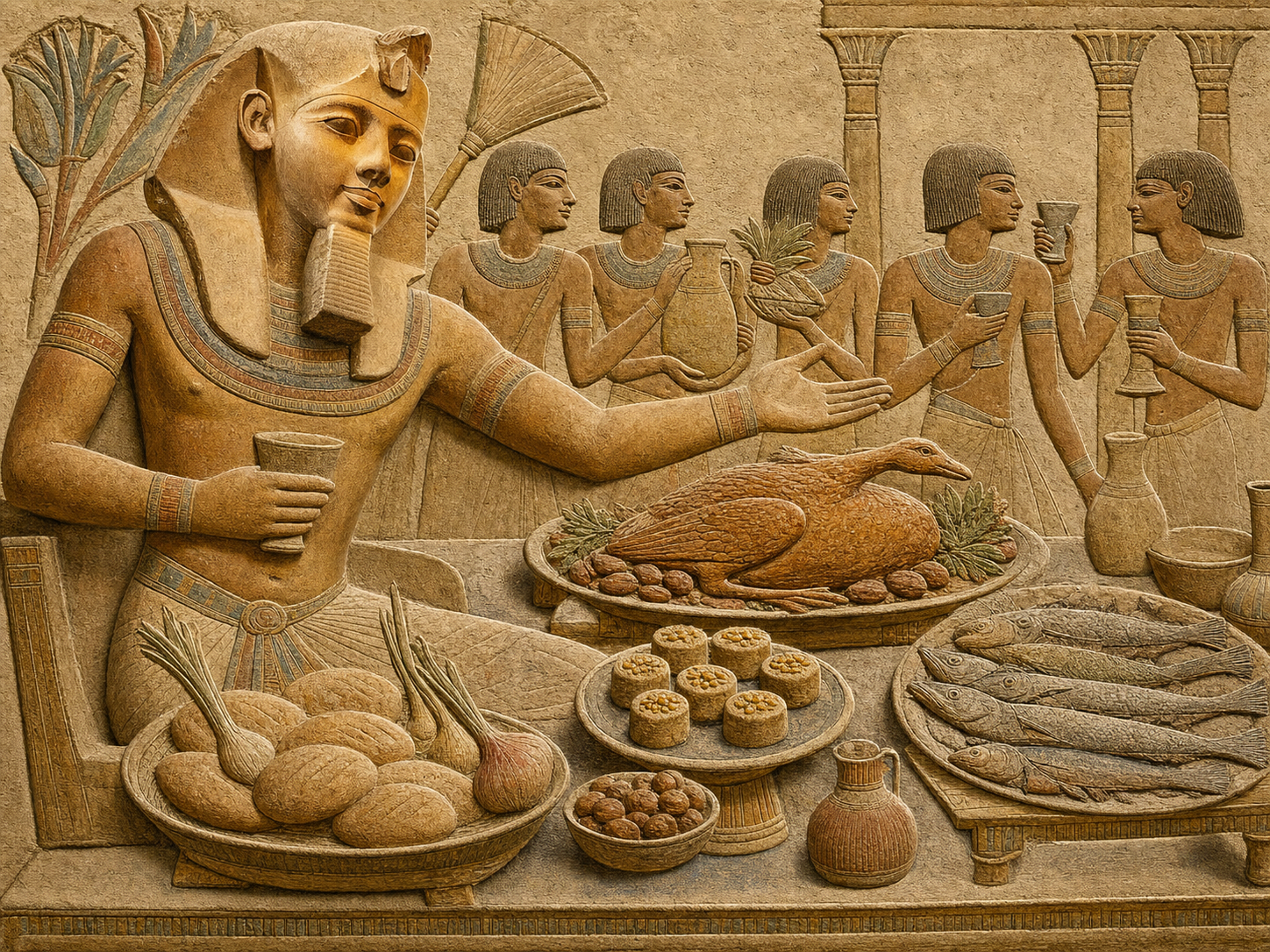
Ramesses II at the table
1302 av. J.-C. — 1212 av. J.-C.
On the menu
The Pharaoh's Table (from Emmer Bread to the Banquet of Amun)
The ancient Egyptian meal is built around a cereal base—emmer bread (ta) and barley beer—that sustains everyone from peasant to king. On top of this base come bundle vegetables (onions, leeks, lettuce), then, depending on rank and celebration, roasted meats and fatty poultry. Sweet fruits (figs, dates, grapes) and honey cakes close the feast or rise as offerings to the gods. The royal banquet is not a succession of starter/main/dessert but a simultaneous abundance laid out on mats and low tables, sweet and savory mingled together.
Signature : Honey and the Date of the Nile
Without cane sugar, Egypt sweetens everything with wild honey and date syrup. This golden sweetness, paired with coriander and cumin, marks Ramesside cuisine: it glazes poultry, it kneads offering cakes, it perfumes beer.
click to flip back
Ramesses II at the table
1302 av. J.-C. — 1212 av. J.-C.
5 period recipes
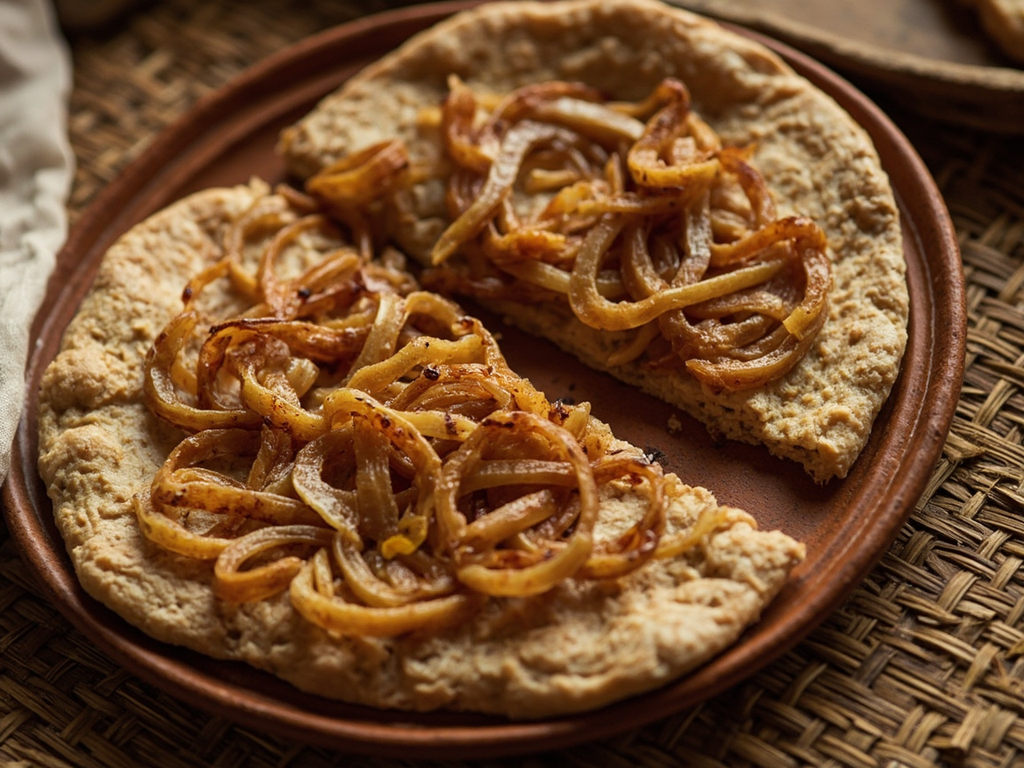 Everyday
Emmer Bread with Sweet Onions
Ta — the bread-staple of every Egyptian meal
🧂· 4 h 30 (incl. rising)
View the recipe
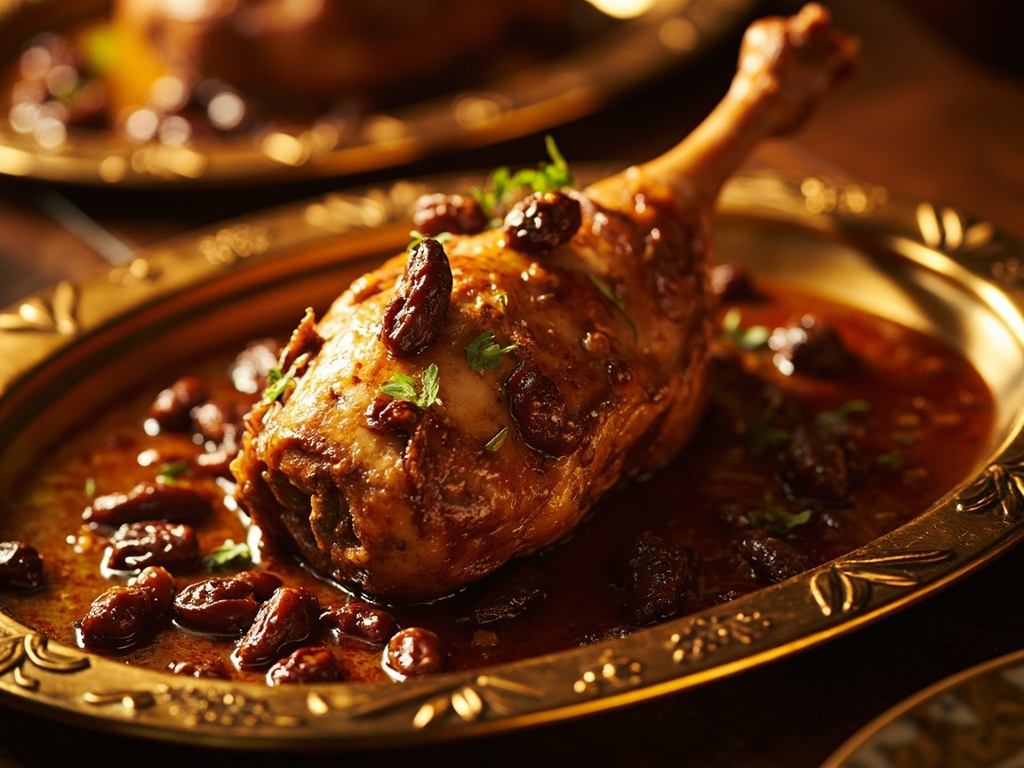 Festive
Roast Goose with Honey, Dates, and Coriander
Banquet piece — the fatty poultry of great feasts
🍯 🧂 🍄· 3 h
View the recipe
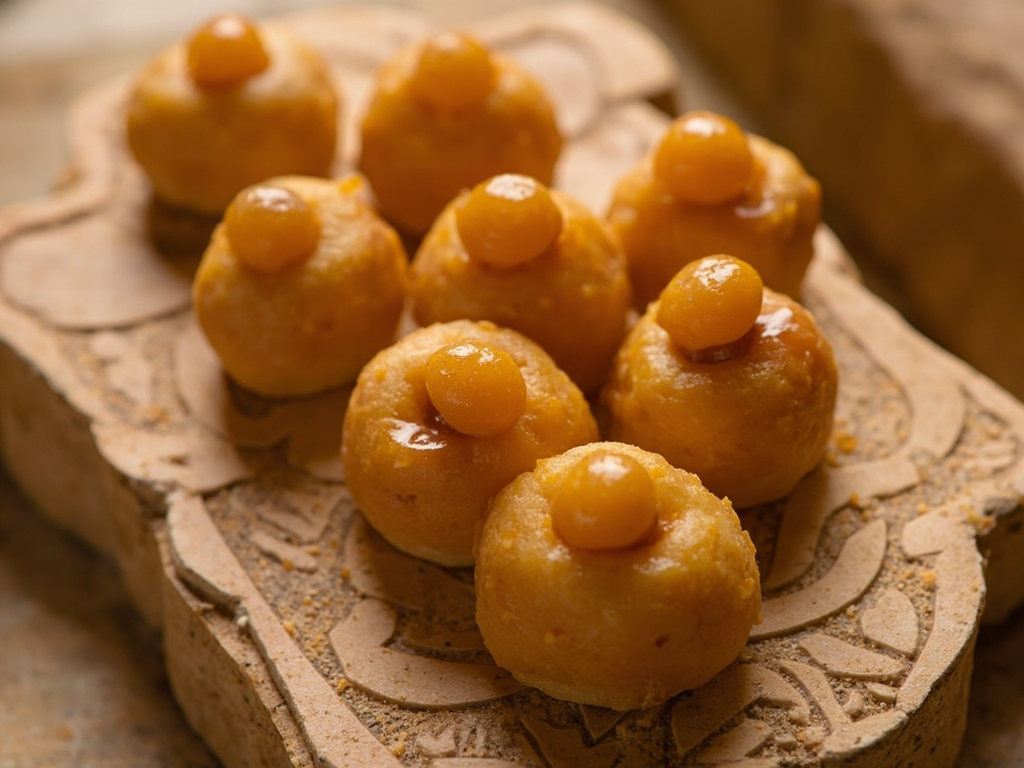 Offering
Honey and Tiger Nut Cakes (inspired by offerings to Amun-Ra)
Shenes — offering bread-cakes placed on the table of the gods
🍯· 45 min
View the recipe
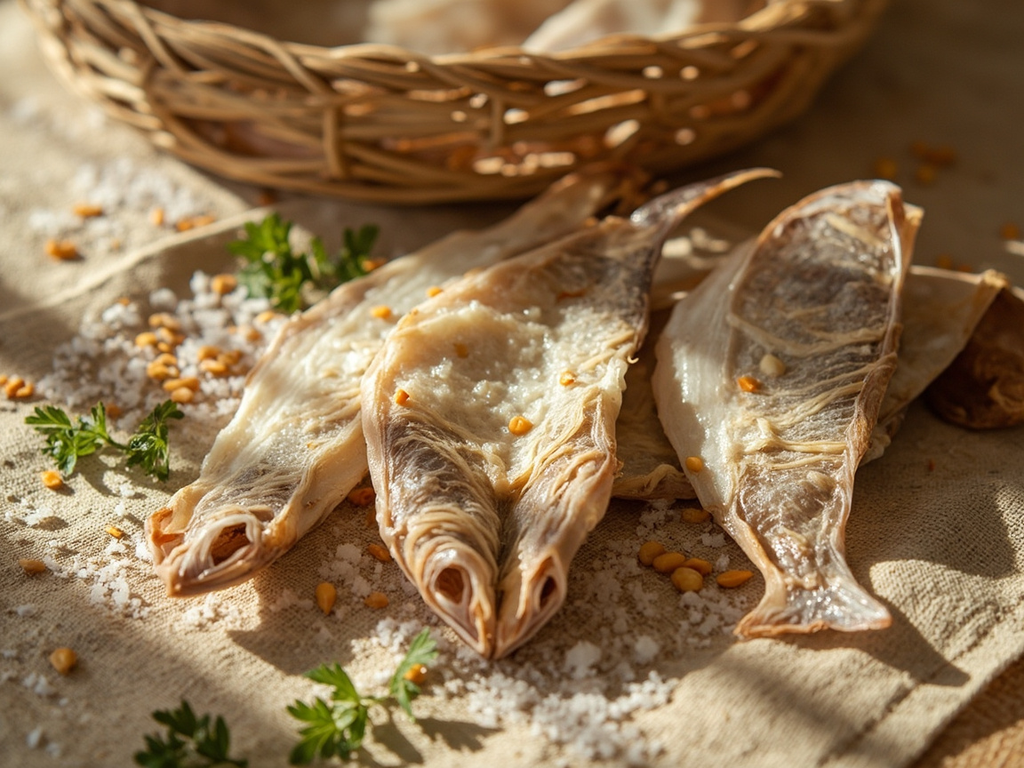 Preserving
Dried and Salted Nile Fish for the Campaign
Marching provisions — salted reserve for soldier and traveler
🧂 🍄 🫙· 3 days (drying)
View the recipe
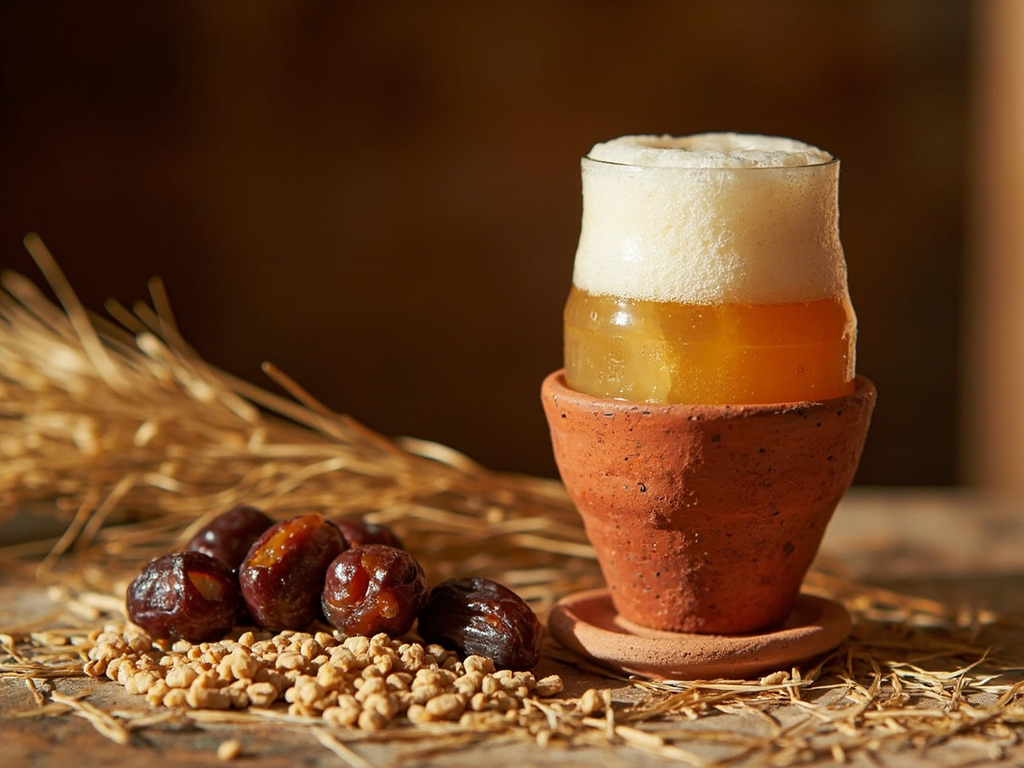 Drink
DrinkSweet Barley Beer with Honey and Date (henqet)
Henqet — the staple drink, from worksite to royal banquet
🫙 🍯 🍋· 3 days (fermentation)
View the recipe