 Flip the card
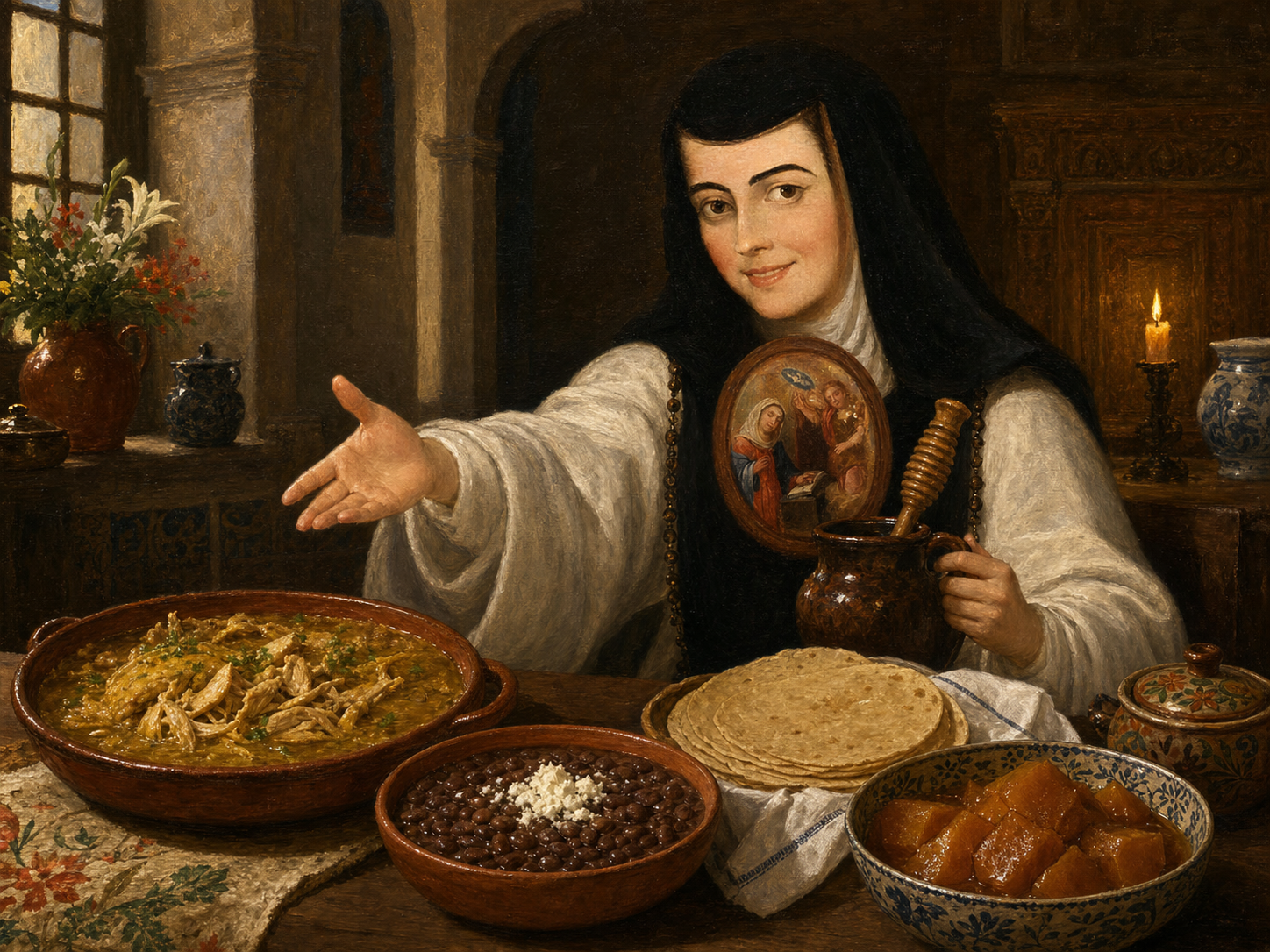
Sor Juana Inés de la Cruz at the table
1651 — 1695
On the menu
The Novohispanic Conventual Table
In the convents of 17th-century New Spain, meals followed a monastic order grafted onto the liturgical calendar: a light *almuerzo* in the morning, a copious *comida* at noon (a festive stew on saints' days, otherwise beans and tortillas), an afternoon *merienda* punctuated by chocolate, and the famous *dulces de convento*, confections that the nuns prepared to preserve fruit and offer to benefactors. The kitchen was a true baroque laboratory where chiles, maize, and cacao from the New World met cinnamon, cane sugar, and almonds brought from Spain.
Signature : The Baroque Fusion of Chile and Castilian Spices
The hallmark of conventual cooking is this audacious alliance — as baroque as Sor Juana's verses — between chiles ground on the *metate* and spices from the Old World (cinnamon, cloves, almonds, sugar). The result: dishes that are at once spicy, sweet, and fragrant, where nothing is ever simply savory.
click to flip back
Sor Juana Inés de la Cruz at the table
1651 — 1695
5 period recipes
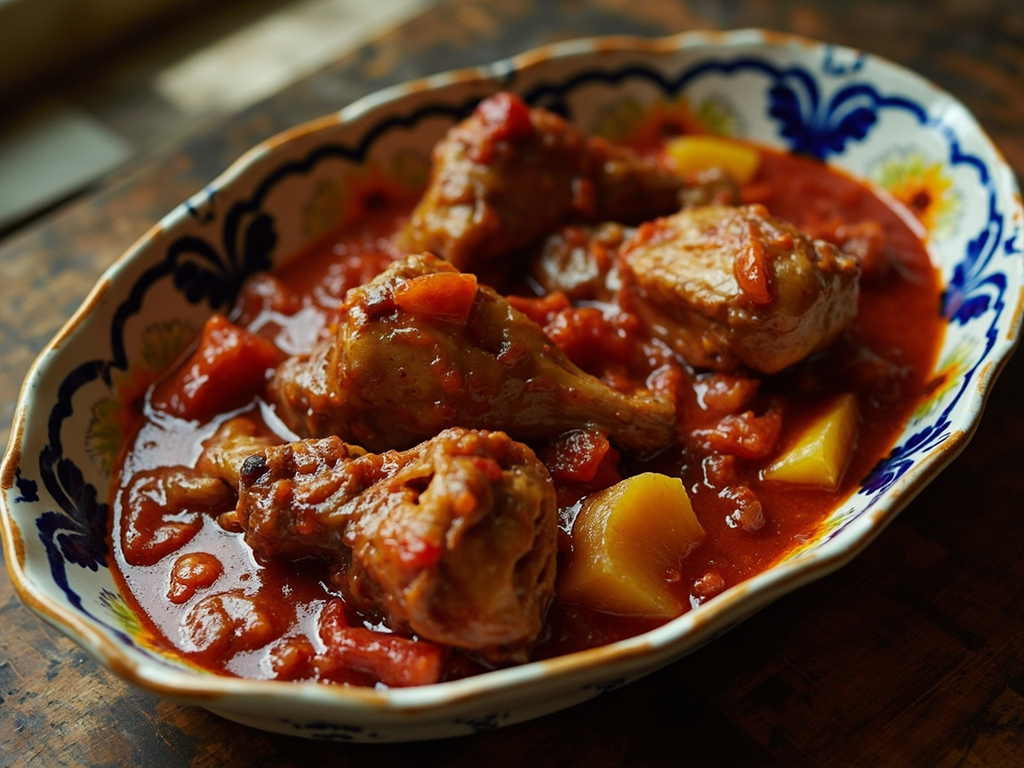 Festive
Manchamanteles de gallina
Guiso de la comida (festive main dish of the midday meal)
🌶️ 🍯 🍋· 1 h 15
View the recipe
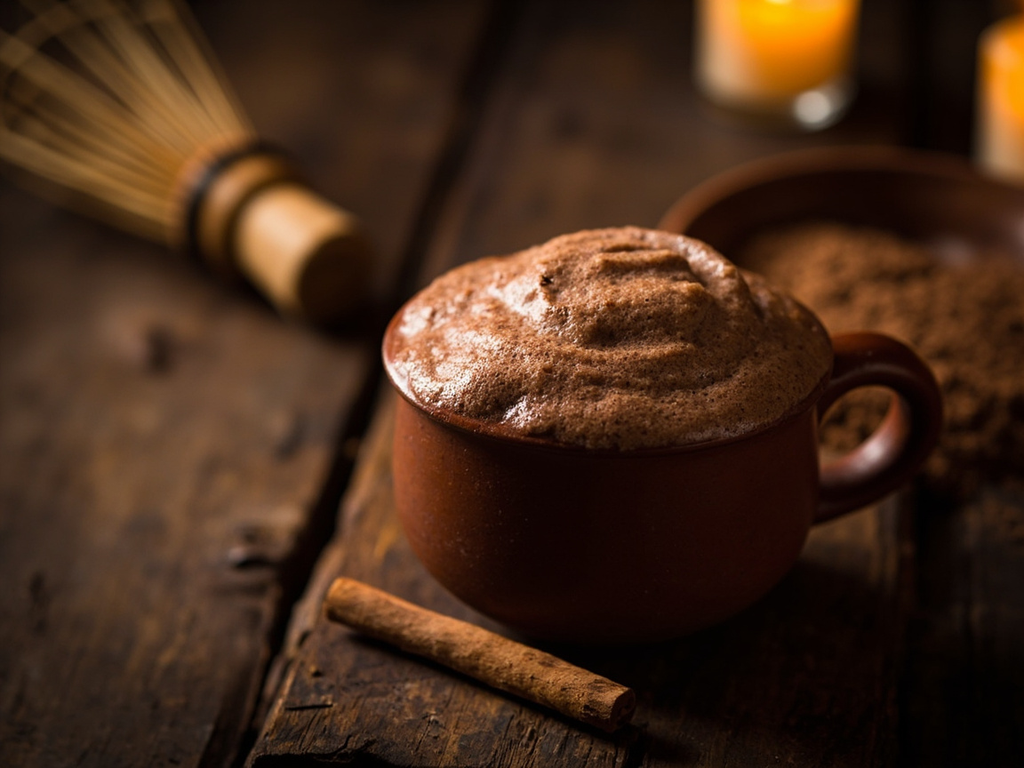 Drink
DrinkChocolate batido al molinillo
Drink of the merienda and the parlor
☕ 🌶️· 15 min
View the recipe
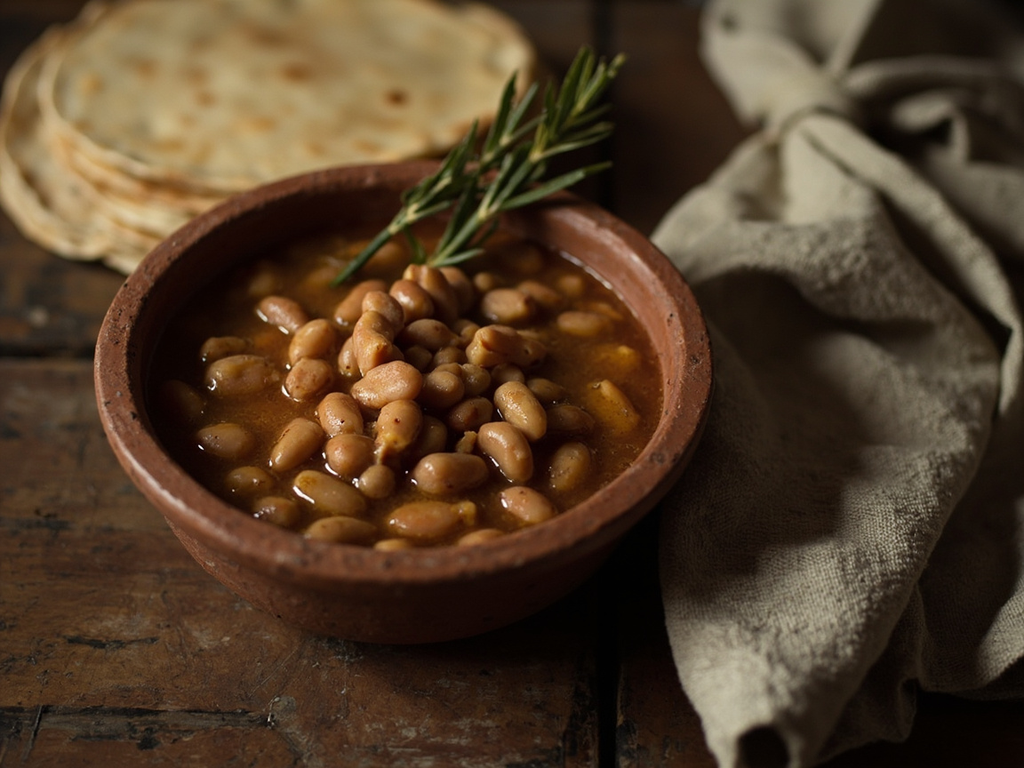 Everyday
Frijoles de la olla con tortillas
Ordinary dish of the monastic comida
🧂 🍄· 2 h
View the recipe
 Preserving
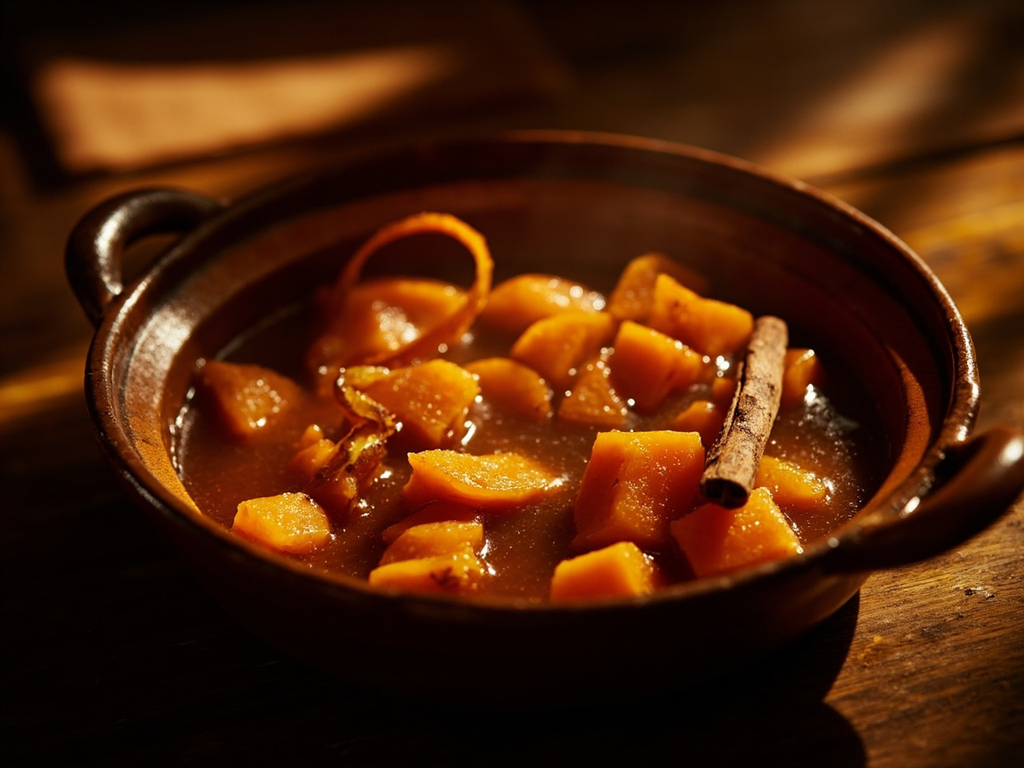
Calabaza en tacha
Dulce de convento (preserved confection)
🍯· 1 h 15
View the recipe
 Remedy
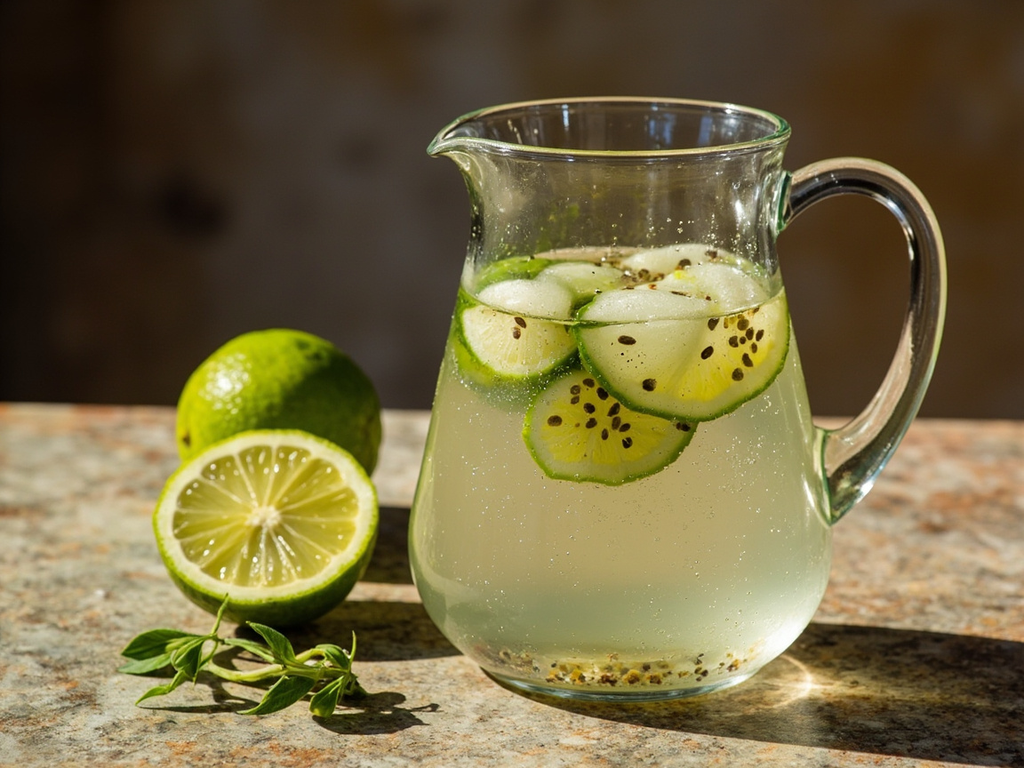
Agua de chía con limón
Refreshing water from the infirmary and for hot days
🍋 🍯· 25 min
View the recipe