Kids interview Agnez Mo
by Charactorium · Agnez Mo (1986 — ?) · Performing Arts · Economics · Music · 5 min read
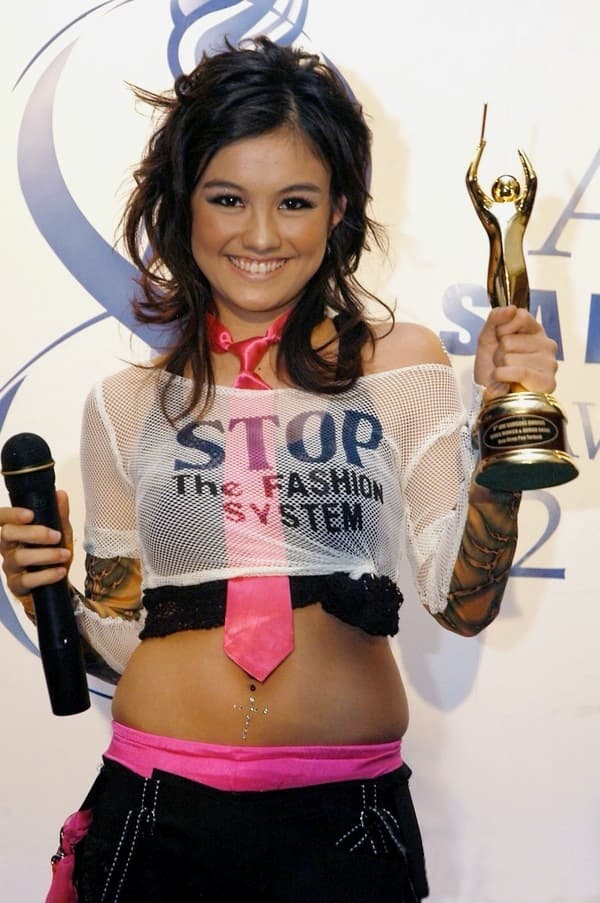
That morning, two young visitors of 12, on a discovery class, pushed open the door of a studio. Before them, Agnez Mo, the Indonesian singer, welcomed them with a big smile. She sat down, handed them her microphone, and invited them to ask all their questions.
—How old were you when you first appeared on TV?
I was six years old, my dear. Imagine: a little girl in Jakarta, Indonesia, singing in front of cameras on a children's show. I was called Agnes Monica then. By seven, I had already released my first album! You see this microphone I'm holding? Well, I've held it since that age. In the morning, I went to school like you. In the afternoon, I rehearsed, sang, smiled at photographers. It was joyful, but tiring. I learned one thing very early: when you step on stage, you must not show that you are small. You must give your whole heart.
On stage, you don't show that you are small: you give your whole heart.
—Was it hard working while other kids played?
Yes, sometimes, I won't lie. While other children ran outside, I rehearsed choreographies. I won trophies very young, the AMI Awards — they're like the big music awards in Indonesia. It was proud, but heavy on small shoulders. My family supported me a lot. Without them, I would have cracked. I learned discipline: arriving on time, repeating a song ten times without complaining. You know, what I did wasn't really a game; it was already a job. And a job teaches you not to give up when things are hard.
Discipline is repeating ten times without complaining.
—Why did you move to the United States, so far from home?
Because I had a crazy dream, you see. I was already famous in Indonesia, but I wanted to sing for the whole world. So in the early 2010s, I packed my bags for Los Angeles, California. That's where the biggest music studios are. Imagine a huge city, full of people all dreaming of becoming stars. A bit scary! I signed with a big American label, Interscope Records. A label is a company that produces and sells your music. Signing there, for a girl from Southeast Asia, was like climbing a very high mountain.
I had a crazy dream: to sing for the whole world.
—What was it like working with a super famous producer?
Amazing, my dear! In 2013, I recorded an English song, Coke Bottle, with Timbaland. He's one of the biggest American producers — the one who makes the sounds behind the big hits. Imagine you love drawing, and one day your favorite painter invites you to his studio to paint next to him. Your heart pounds! I had to prove I deserved to be there. I rehearsed, listened, started over. It was my official entry into the American market. And I told myself: if I succeed, it's not just for me, it's to show that you can come from far away and make it.
You can come from far away and reach the top.
—Were you afraid to represent an entire country alone?
A little, yes. But I quickly understood something important. One day, I told a journalist that I wasn't just representing Indonesia. I wanted to represent all those who dare to dream beyond their borders. You see, at that time, almost no one in the West knew Asian pop. The big success of K-pop, with groups like BTS, came after me. I was a bit of a scout in the forest. It's not easy being first: you have no one ahead to show you the way. But if you succeed, you open a door for all who come after.
Being first means opening a door for all who come after.
—How did it feel to see your name at big ceremonies?
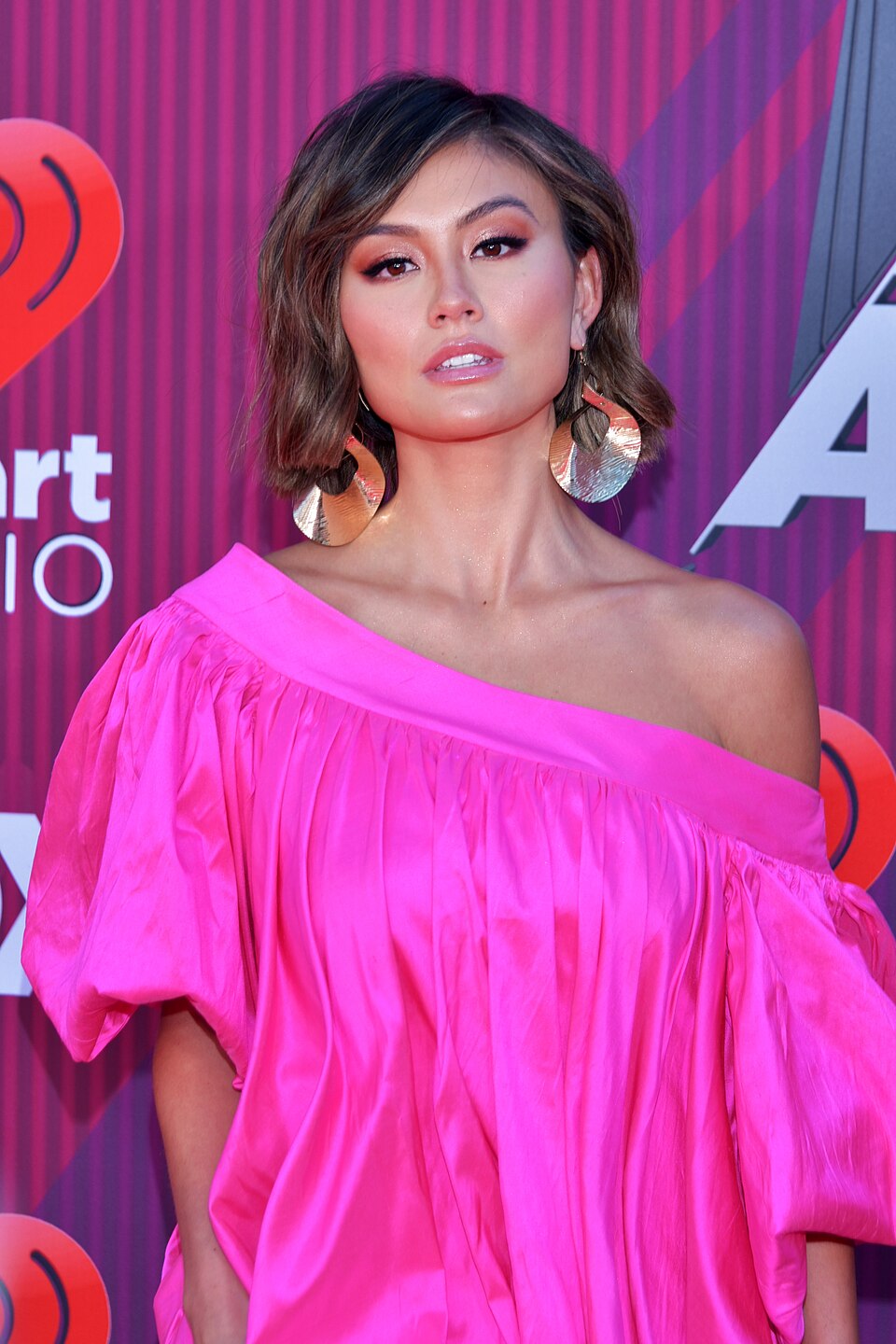
It was like a dream come true! In 2013, I was nominated at the MTV Europe Music Awards, in Amsterdam, the Netherlands. Imagine a huge hall, lights everywhere, and a little girl from Jakarta in the middle of it all. I said that day that music has no borders, and I hoped to open doors for other Asian artists. That's called soft power: when a country shines in the world through its culture, not its force. Without really knowing it, I carried a little piece of Indonesia on that stage. That makes you proud and humble at the same time.
Music has no borders.
—What does it smell like in the morning when you wake up in Los Angeles?
Ah, good question! My mornings in Los Angeles start early, with exercise — dance or fitness. You need stamina for my concerts, where I move all the time. Then I check messages from my fans in Indonesia. Over there, it's already night: we live at different times, very far from each other. I sometimes miss the smell of home cooking. When I go back to Jakarta, I enjoy nasi goreng and rendang, dishes from my childhood. Living between two countries is rich, but your heart is always split in two.
Living between two countries means having your heart in two pieces.

—So where do you actually live, if you travel all the time?
Everywhere, and that's the strangest part! I have a home in Los Angeles, at the heart of American music, and a family house in Jakarta. Two homes, two languages, two cuisines. I speak Indonesian and English fluently. I even have two nationalities: I'm Indonesian and American. Imagine having a bedroom in two very distant cities, never really knowing where your true home is. That's my daily life. But you know, I learned that home isn't just a place. It's also the people you love and the music you carry everywhere with you.
Home isn't a place: it's what you carry with you.
—Why did you change your name? Didn't you like Agnes Monica anymore?
Oh, I did, I loved it! But in 2014, I released my first fully English album, and I chose the stage name Agnez Mo. Why? Because a shorter, simpler name travels better around the world. People remember it easily, in every language. It wasn't denying where I come from. A journalist wrote that I was projected toward a global audience without denying my roots, and that's exactly it. Imagine keeping your child's heart, but putting on a brand new outfit to go traveling. The name changes; the little girl from Jakarta stays inside me.
The name changes; the little girl from Jakarta stays inside me.
—If someone met you today, what would they notice first?
You might notice my costumes first! On stage, I wear spectacular outfits, sewn by Indonesian and American stylists. They mix patterns from home with international pop style — a bit like me, really: two cultures in one person. But if you looked into my eyes, you'd mostly see someone who never forgot her beginnings. I hope my journey gives courage to other children who dream big, wherever they live. So if one day you have a dream that seems too big for you, remember the little six-year-old singer. She too thought her mountain was very high.
A dream too big for you? Start climbing anyway.

This imaginary interview was generated by artificial intelligence from sources documented in Agnez Mo's profile. It dramatises what the figure might have said based on what we know about them, but does not constitute attested historical testimony. For primary sources and factual documentation, refer to the full profile.