Kids interview Annie Ernaux
by Charactorium · Annie Ernaux (1940 — ?) · Literature · 6 min read
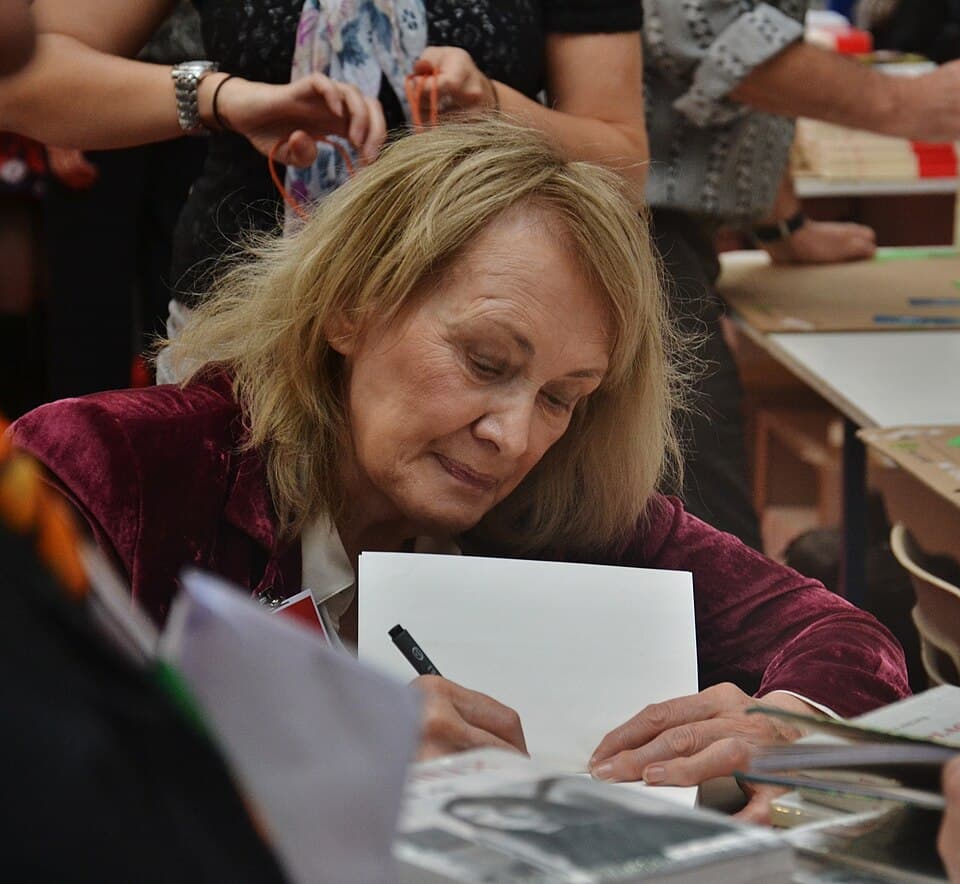
Two fifth-grade students came with their class to meet a writer. They are a bit nervous: before them, a smiling eighty-two-year-old lady, Nobel Prize in Literature. She invites them to sit close and tells them to ask all their questions, even the simplest ones.
—What was the house where you grew up like?
You know, my child, I didn't grow up in a real house. I lived above my parents' grocery-café in Yvetot, Normandy. Imagine: downstairs, customers drank their glass and bought their bread; the counter smelled of cider and coffee. And I would go upstairs to do my homework. It was two worlds in one house. Downstairs, people spoke loudly, with everyday words. At school, I was expected to use other words, cleaner ones. I felt like I was changing languages as I climbed the stairs. That counter, later, I put it in my books.
I felt like I was changing languages as I went up the stairs.
—Why do you always talk about a dictionary in your books?
Good question. For my parents, the dictionary was not just a book. It was a promise. My mother would tell me that if I learned words well, I wouldn't stay behind a counter like her. You see, back then, in a family of small shopkeepers, getting an education was rare. So I devoured books. But growing up and leaving your background comes at a price: a strange feeling, a kind of shame. The shame of sometimes being ashamed of your own parents, who didn't speak like my teachers. We call that being a class defector: someone who changes social worlds. I spent my whole life understanding that word.
The dictionary, for my parents, wasn't a book: it was a promise.
—You wrote a book about your dad. Was it hard?
Very hard, yes. My father died, and I wanted to tell his story. At first, I tried to write a beautiful novel, with pretty sentences. But it rang false. My father had been a worker, then a shopkeeper; a beautiful novel would have betrayed him. So I threw it all away. I started over for more than ten years. I ended up choosing a flat writing: simple sentences, no decoration, like we really speak. The book is called A Man's Place, in 1983. It begins with these words: 'My father died exactly two months to the day before I passed the agrégation in modern literature.' That's it. No frills. The truth, stripped bare.
A beautiful novel would have betrayed my father; so I wrote without decoration.
—What exactly is flat writing? Sounds like an insult!
Ha, that surprises you! No, it's not an insult, it's my tool. Flat writing means writing without showing off: no big metaphors, no complicated words to make it pretty. I write the way my mother wrote me letters: straight to the point. Imagine a very plain wall, without gold paint — but solid. Why? Because my parents didn't like airs. To talk about them honestly, I had to write in their spirit, not in the spirit of cultured people. It's harder than you think. Remove, remove again, until only the truth remains. The hardest part isn't adding beautiful words. It's daring to take them away.
The hardest part isn't adding beautiful words, it's daring to take them away.
—Where do you live now? And what do you do with your days?
I live in Cergy-Pontoise, near Paris. It's what we call a new town: a city built from scratch in the 1970s, with brand-new apartment buildings, shopping malls, wide roads. Not really the countryside, not really Paris. In the morning, I write in my notebooks; I cross things out, I search for the right word, it's my most precious time. In the afternoon, I go out for a walk. And there, I watch people: those doing their shopping, those waiting for the bus, their faces, their bags. I note it all down. One of my books, Exteriors, was born just from these walks. Ordinary life is my treasure.
The ordinary life of people doing their shopping is my treasure.
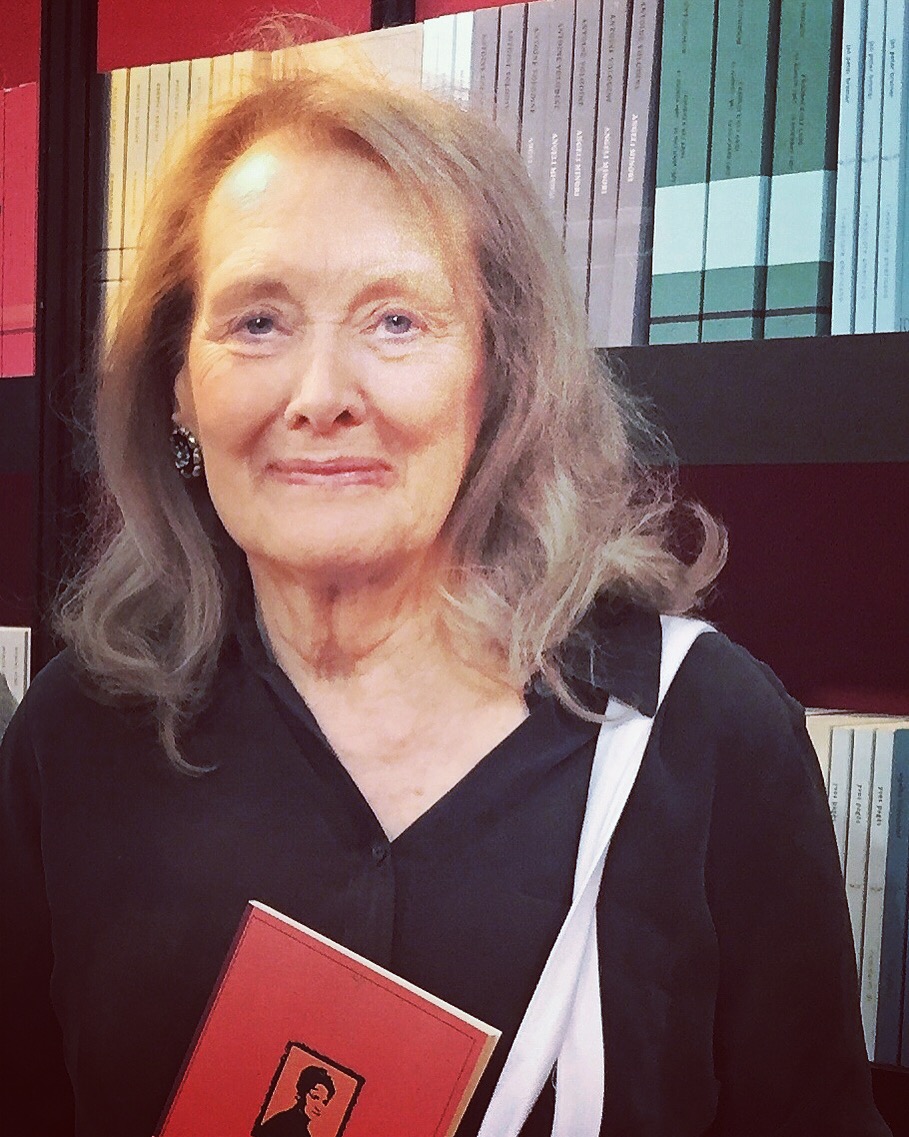
—Why watch normal people in a supermarket? Isn't that boring?
You'd think so! But don't be mistaken. When I walk in Cergy and see a mother scolding her child, an old man counting his change, two young people laughing, I tell myself: there's the real life of an era. Kings and heroes are told everywhere already. Me, I want to keep the trace of the people we forget. I take notes in my notebooks, quickly, before I forget. No one feels observed, and that's fine. Later, these little nothings become a book, a piece of memory. Nothing is ordinary when you really look.
Nothing is ordinary when you really look.
—How do you tell a whole life in one book?
Ah, that's my craziest book: The Years, published in 2008. I wanted to tell the story of all of France, from my birth to today. But not just me: all of us, an entire generation. To do that, I used old family photographs. Each photo is a door: I look at it, and a whole time comes back — the songs, the meals, the fears. We call that collective memory: memories we share with millions of people without knowing them. The book begins with a sentence that still grips my heart: 'All images will disappear.' That's why I write: so they don't all disappear.
Each old photo is a door: I look at it, and a whole time comes back.
—How does it feel to look at a photo of yourself as a young girl?
It's very strange, you know. I look at that little girl in black and white, and sometimes I don't recognize her. She knew nothing of what awaited her. Yet it's me. In The Years, I never say 'I', I say 'she'. As if I were watching myself from afar, like a stranger. Why? Because a life isn't just one person: it's an entire era passing through them. Fashion changes, words change, shops change. And we grow old without noticing. Photos don't have time to look at everything. Neither do we. So I write to slow down time a little.
I write to slow down time a little.
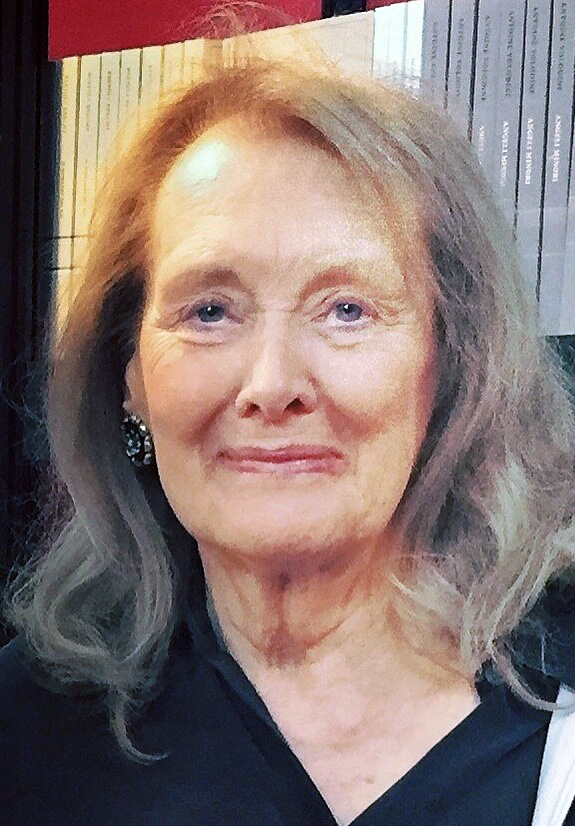
—You wrote a book about a very hard moment in your life. Why?
Yes, my child. In 1963, I was a young student, and I went through a very difficult and very secret ordeal. At that time, certain things concerning women's bodies were forbidden by law. You couldn't talk about it to anyone, not even a doctor, not even your friends. It was dangerous. Years later, in 2000, I wrote that memory in a book, Happening. Why tell such an intimate thing? Because many women had lived the same fear, in silence. Putting words to that silence was doing them justice. Today the laws have changed. But we must never forget where we come from.
Putting words to women's silence was doing them justice.
—Were you afraid people would judge you for reading that?
Of course I was afraid. Telling your life without hiding anything is stripping yourself naked before readers. But over the years I understood one thing: if I kept the secret to myself, I felt I was betraying all those who had no right to speak. You see, writing, for me, isn't about showing I'm brave. It's about reaching out a hand. A reader can think, 'Ah, that happened to her too, so I'm not alone.' When I received the Nobel Prize in 2022, I said I would be proud if my books helped people think about their own lives. That's all I want.
Writing isn't about showing you're brave: it's about reaching out a hand.
—You won the Nobel Prize! Did you expect it?
Not at all! When they called me in 2022, I couldn't believe it. Imagine: the little girl from the café in Yvetot, whose parents had no education, was receiving the world's greatest literature prize in Stockholm. I was the first French woman to win it. I thought a lot about my parents that day. They who dreamed that I would make it through school. The committee praised the courage with which I speak about origins and memory. But you know what touched me most? Thinking that students like you might read my books. That's my real victory.
The girl from the Yvetot café was receiving the world's greatest prize.
This imaginary interview was generated by artificial intelligence from sources documented in Annie Ernaux's profile. It dramatises what the figure might have said based on what we know about them, but does not constitute attested historical testimony. For primary sources and factual documentation, refer to the full profile.