Imaginary dialogue between Túpac Katari (Julián Apaza) and Bartolina Sisa
by Charactorium · Bartolina Sisa (1750 — 1782) · Politics · Military · 5 min read
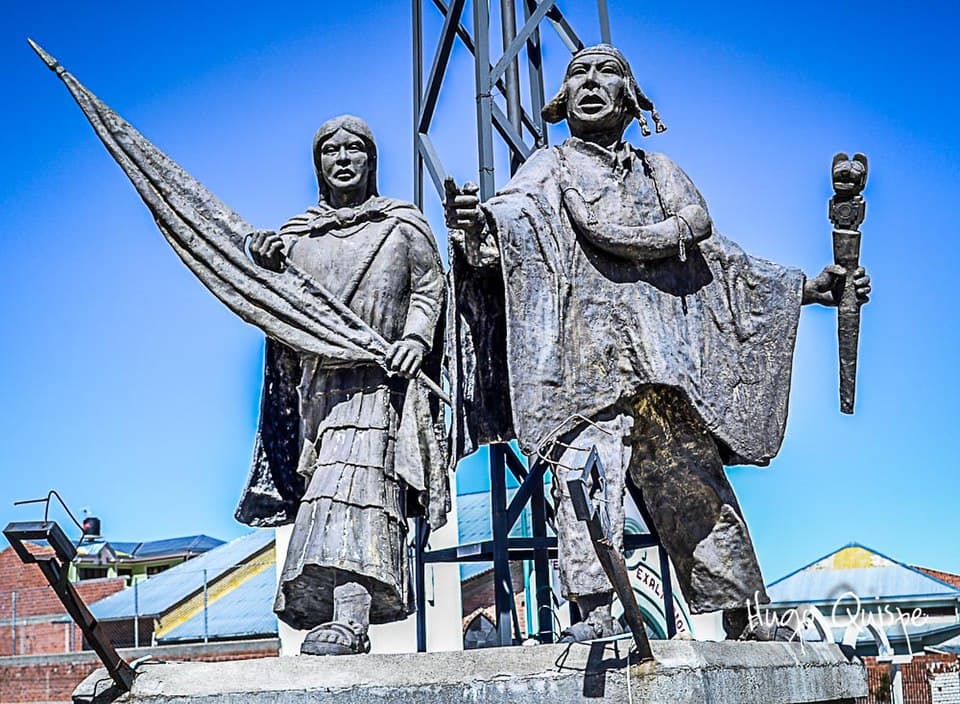
It is on the ridges of Pampahasi, south of La Paz, that Túpac Katari meets Bartolina at dusk, between volleys of the honda. The wind of the Altiplano makes the wiphala planted near the fire snap, and the smell of cooking chuño mingles with that of gunpowder. They married over ten years ago, in Sica Sica, when he was merely a modest coca trader; today each commands a front of the same siege. He comes, this evening of 1781, to hear her speak of what she bears alone.
—Bartolina, I hold the north, but you are the one who governs the yndios del sur. From these hills, tell me how you keep your men in line?
You who climb here at night have seen the terrain: from above, we see everything, and they see nothing. I place my contingents on the ridges of Pampahasi, and since March I have not relaxed the southern front for a single day. The Spaniards locked in the city still believe that a man commands behind every order — they are astonished, it seems, that a woman leads thousands of fighters. Let them be astonished. I know every ayllu that has sent me its sons, I know their names, and they know that I will not come down before them. Our two fronts respond to each other like two hands of the same body: you squeeze in the north, I squeeze in the south, and La Paz suffocates between us.
You squeeze in the north, I squeeze in the south, and La Paz suffocates between us.
—Remember, in Sica Sica, our bales of coca and our merchant accounts. Today, what have those same coca routes become?
Those routes we traveled to sell our leaves, I have turned them against the Spaniard. The women who yesterday carried the market chuspa today carry my messages from one front to the other, hidden like a trade secret. They are the ones who feed the rebellion: they bring up water, charqui, chuño, they tend the wounded, they listen at the city gates and report to me what the soldiers let slip. Our old ledgers now serve to know how many men eat tonight on each ridge. They are never mentioned in the corregidores' reports — and that is precisely why they are my best weapon.
The women who yesterday carried the market chuspa today carry my messages.
—Some of our captains murmur that a leader should hide that she is Aymara. You, why do you keep your pollera even in battle?
Let them murmur. The day I hide my pollera and my hat, I would give reason to those who want us to be ashamed of what we are. I go into battle dressed as my mother and her mother before her, the manta pinned on my chest, and my men recognize me from afar by my skirts. Under the wiphala, my attire is not a garment, it is a banner: it tells every ayllu that it is not a foreign lord who commands them, but one of their own. Spaniards wear uniforms to all look alike; we wear our colors to remember where we come from. I will not disguise myself to please them.
My attire is not a garment, it is a banner.
—Before each assault, I see you preside over the offerings. What do you ask of Pachamama for these men we send to die?
Before the honda whistles, I dismount and give back to Pachamama what is hers: coca, a little fat, a few words in our language. It is not superstition, as the city priests believe — it is what binds my fighters. When a man from an ayllu sees his leader kneel before the Earth Mother who nourished him, he knows he does not fight alone, nor for a distant king. We ask for protection, yes, but above all we remind ourselves why we are here: this land is hers, therefore ours, not those down below. In the evening, around the fire, these rituals are worth more than ten battle orders.
This land is hers, therefore ours, not those down below.
—We had to lift the siege in July, under reinforcements from the valley. How did you hold your ranks when everything seemed to collapse?
That was the hardest day. When the Spanish reinforcements broke through, many wanted to go back down each to his village. I stayed on the ridge and sent through my messengers a single word: we are not leaving, we retreat to return better. In August, you know, my contingents were back, with new sons sent by the ayllus. One hundred and nine days, my husband — one hundred and nine days starving a city that thought itself impregnable. You do not hold so long by fear; you hold because each one knows that his wife, his brother, his neighbor are on the next ridge. The blockade did not yield a single night on my side.
We are not leaving, we retreat to return better.
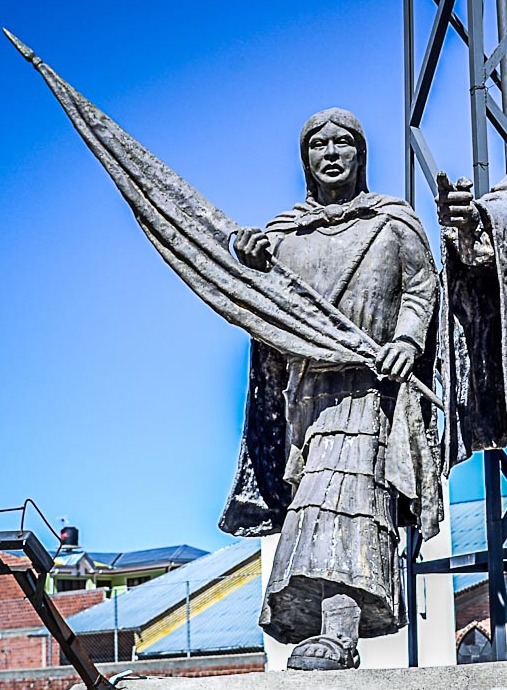
—I harangue men in broad daylight. But you, your intelligence comes from the shadows. How do you know what is being plotted behind the walls of La Paz?
Because the city walls have more ears than they think. My women enter and leave selling, begging, carrying water — no one suspects a chola with her chuspa. They come back to tell me how much flour is left in the granaries, which neighborhoods murmur against the governor, when the soldiers have stopped being paid. While you count lances in the north, I count empty bellies behind the ramparts. This network, no one organized it before us, and the corregidores still do not understand where my news comes from. That is the real war of the south: less shouting, more patience. The city will fall from hunger before it falls under our stones.
You count lances in the north; I count empty bellies behind the ramparts.
—Our people come from all over the Altiplano, from ayllus that sometimes quarreled. How do you make them into a single army?
I do not command them like a lord commands serfs. Every afternoon, I gather the sector leaders and we decide together, in the manner of the ayllu, as our elders always did. A man obeys willingly what he helped decide. I move from one position to another, on foot or on llama-back, and I speak their language, our language, not that of the masters. Those from Sica Sica, those from the lake, those from the mitayo mines who escaped — all have the same wound: the tributo, the mita, the corregidor. It is this shared wound that holds them together, more than my orders. My role is only to show them that together we are forty thousand, and they are a handful behind walls.
A man obeys willingly what he helped decide.
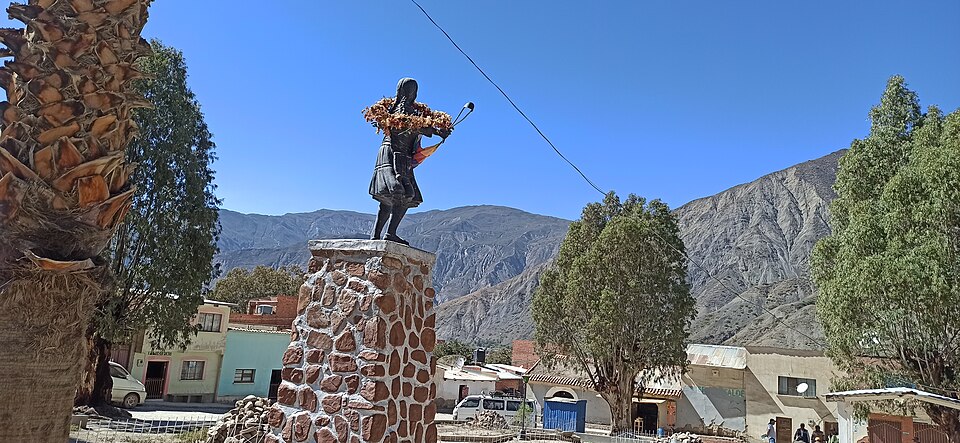
—I fear the day of betrayal in our ranks. If you were taken, Bartolina, what would you do with what you know of our networks?
Do not fear for that. If they take me — and betrayal is always possible, you know that better than I — they will have from me only my silence. They can drag me in chains through the great square of the city, crown me with thorns to mock our kings, parade me like a trophy before the people. Let them do it: every ayllu that sees me thus humiliated will not see a defeated woman, they will see their own. I will give up no name, no path, none of my women. Their cruelty thinks to break hearts; it hardens them. What they do to my body will not give them what is in my head. On this point, my husband, be at ease.
They can drag me in chains: they will have from me only my silence.
—Do you remember our wedding, in Sica Sica, when I was only a coca seller? Who would have thought we would lead this?
I remember it like yesterday, Julián. You had then only your bales and your accounts, and I my parents' house, leaf merchants like yours. We did not dream of besieging a city — we only wanted them to stop bleeding us with the tributo and the mita. It is injustice that made us what we are tonight on this ridge. You who married me poor, you know I do not fight for a title: I fight so that our children no longer have to bow their heads before a corregidor. The coca merchant commands in the north, his wife in the south. Who would have believed it? Pachamama, perhaps — she alone knew where our paths led.
It is not a title I want: it is that our children stop bowing their heads.
—One last thing, before I return to my front. If the night goes badly for one of us, what do you want our people to remember?
Let them remember that we did not bend. It matters not which of us falls first — for one may fall before the other, and the other will remain alone to hold. Let the one who remains continue: the front does not rise because a leader is missing. Tell our women never to give up the message chuspa, tell the ayllus to keep the wiphala raised. Our body, they can take; the fire we lit on the Altiplano, no. One day, others will take up this siege, under another name. Tonight, just be content to hold the north well, my husband, and leave me the south. We still have a city to starve before dawn.
Our body, they can take; the fire we lit on the Altiplano, no.
This imaginary interview was generated by artificial intelligence from sources documented in Bartolina Sisa's profile. It dramatises what the figure might have said based on what we know about them, but does not constitute attested historical testimony. For primary sources and factual documentation, refer to the full profile.