Imaginary interview with Harriet Tubman
by Charactorium · Harriet Tubman (1820 — 1913) · Politics · Society · Military · 6 min read

Auburn, New York, an autumn evening in 1911. In the small wooden house she opened for destitute old people, a tiny, stooped woman, shawl pulled tight around her shoulders, sits down by the stove. She is over ninety, her voice raspy, and when she speaks of night marches, her hands begin to move as if still searching for a path in the dark.
—How did you find the courage to go back South, when you had barely won your own freedom?
When I crossed the line into Pennsylvania in 1849, after walking a hundred and fifty miles by night, I looked at my hands in the sun to see if I was still the same person. And I told myself that a freedom kept to oneself is worth nothing as long as your mother, your brothers, your sisters still sleep under the whip in Dorchester County. I had settled the question long ago: 'When I escaped, I had two rights: liberty or death. If they had caught me and brought me back to slavery, they could have taken either one, but not me.' So I went back down. A dozen times. They put a price on me, promised dollars for my head, but a slave catcher does not know the swamps like a woman who grew up in them.
A freedom kept to oneself is worth nothing as long as your loved ones sleep under the whip.
—They say you carried a revolver and never let anyone turn back. Why such harshness toward your own passengers?
That revolver I kept in the folds of my skirt, and it wasn't there for show. Understand: a man who gets scared halfway and wants to go back to the plantation condemns more than just himself. Recaptured, beaten, he always ends up giving a name, a barn, a station where we were hidden. One loose tongue, and the whole network falls, and twenty others are dragged back South in chains. So I said it plain at every departure: move forward or die, but do not go back. I boasted all my life that I never lost a single one of my travelers to the master's hands. That's not harshness. It's the price so that one person's fear doesn't kill everyone's hope.
Move forward or die, but do not go back.
—What does it actually feel like during those long nights of escape through woods and swamps?
You learn to love the dark. By day, the sun only betrays you: you hide in a cellar, a barn, under a pile of leaves, motionless, listening for horses' hooves. Night works for us. I looked up at the North Star, always north, faithful as a lantern hung in the sky, and I read the moss on the trees. When a child threatened to cry, a drop of laudanum on the tongue, and he slept against his mother's chest. And to speak to the group without a passerby understanding, I sang. Go Down Moses meant one thing, Wade in the Water — get into the river so the dogs lose your trail — meant another. My voice was my map.
By day, the sun only betrays you. Night works for us.
—You often had to make yourself invisible in the heart of slave country. How did you go unnoticed where you were wanted?
A wanted woman has only one sure weapon: look like nobody interesting. I hunched like an old woman, tied a wide shawl over my face, sometimes put on men's clothes, a hat pulled down to my eyes. They looked for a leader, they passed a pauper. I once carried two live chickens and let them loose in front of a former master who was staring at me: by the time he saw me chasing my fowls and clucking, he had forgotten my face. And when we had to cross a checkpoint, we had freedom papers, those forged certificates from our friends in the North. A well-faked scrap of paper, a bent back, a whispered prayer — and you passed right under the noses of those who would have hanged you.
—You say you hear warnings, sense danger before it comes. Where do these intuitions come from?
As a child on the plantation, an overseer threw a metal weight to stop a runaway, and it smashed my skull. Since then, I sometimes fall into sleep suddenly, in broad daylight, in the middle of a walk — and in that sleep, I see. Paths, rivers, faces, dangers before they come. Today's doctors might call it a sickness; I learned to hear in it the voice of God. I carry my Bible against me, and when a road 'speaks' to me, I follow it without arguing, even if everyone around thinks I'm crazy. They called me Moses, like the one who led his people out of Egypt. I never claimed that name. But if the Lord wants to use a poor epileptic woman to part the waters, who am I to refuse?
If the Lord wants to use a poor epileptic woman to part the waters, who am I to refuse?
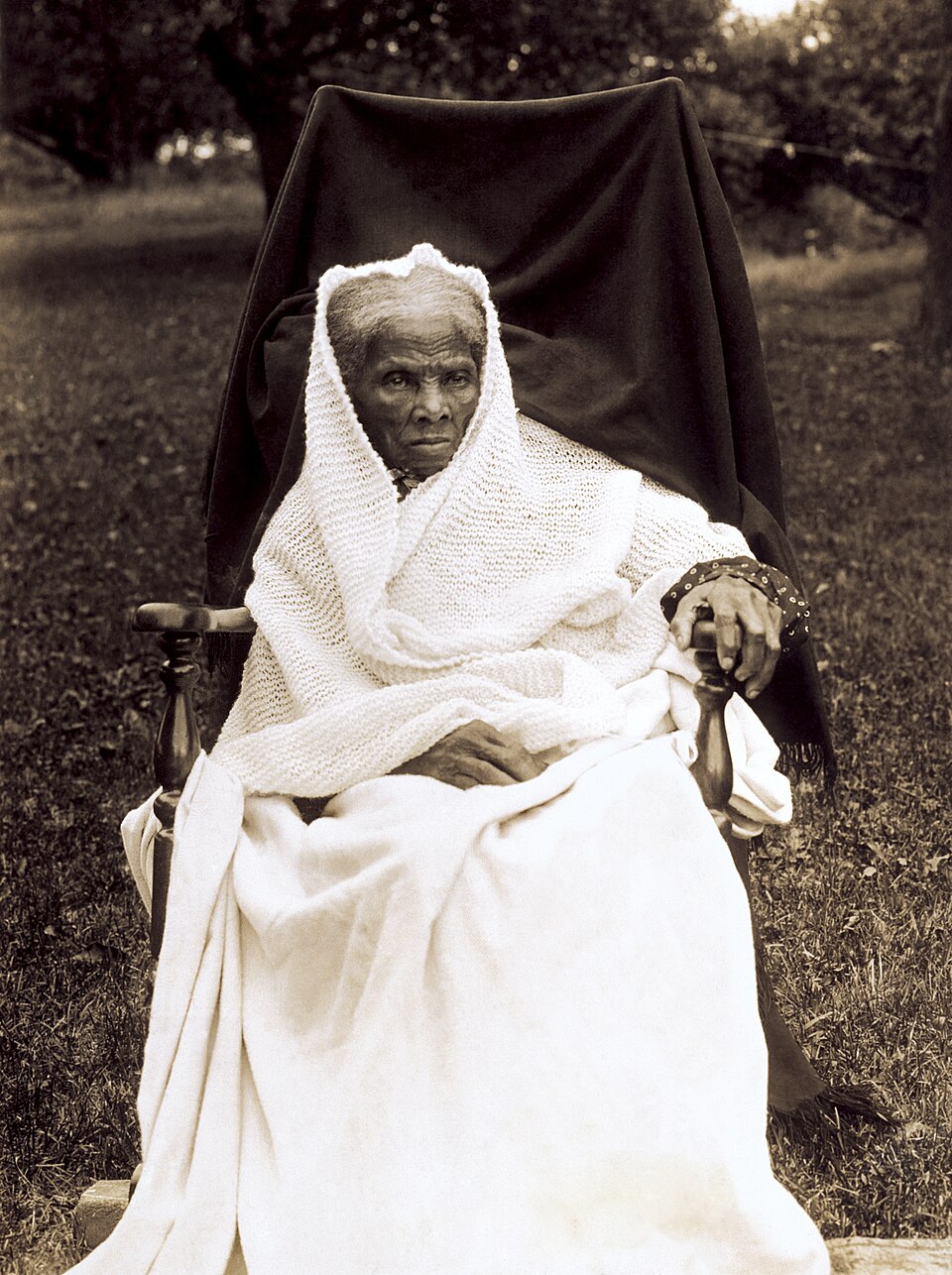
—That nickname Moses, with a bounty up to forty thousand dollars from planters — how did you carry it?
Forty thousand dollars for the head of a woman who could neither read nor write — that tells you how much my mere existence frightened them. But I never felt like an outlaw; I felt like an instrument. The slaves sang Go Down Moses in the fields long before they gave me that name: Moses go down and tell Pharaoh to let my people go. When I began bringing my people out of Maryland, they saw in this poor woman the old prophecy walking. That put an obligation on me. You cannot be the Moses of your people and flinch at the first barking dog. Frederick Douglass himself wrote me that darkness, a handicap for others, was a help to me, and that night was my shield. Such a learned man acknowledging that in an illiterate woman — that was worth all the gold in the South.
—In June 1863, you were no longer just a guide, but in command of a military operation. Do you remember that night on the Combahee River?
I remember it like a dream that caught fire. For weeks, my scouts — local Black men who knew every bend — had reported where the Confederates had sunk their torpedoes in the Combahee River, South Carolina. I carried those living maps to the Union officers, and the gunboats went upstream between the mines without hitting one. Then the steam whistles screamed, and along the banks I saw what I will never forget: hundreds of people bursting from the rice fields, a child on the hip, a smoking pot still in hand, running toward the boats. Over seven hundred in a single night. Never, in this country, had a woman led soldiers into battle. That night, the Moses of the swamps had parted the Red Sea one last time.
Hundreds of people bursting from the rice fields, a child on the hip, running toward freedom.
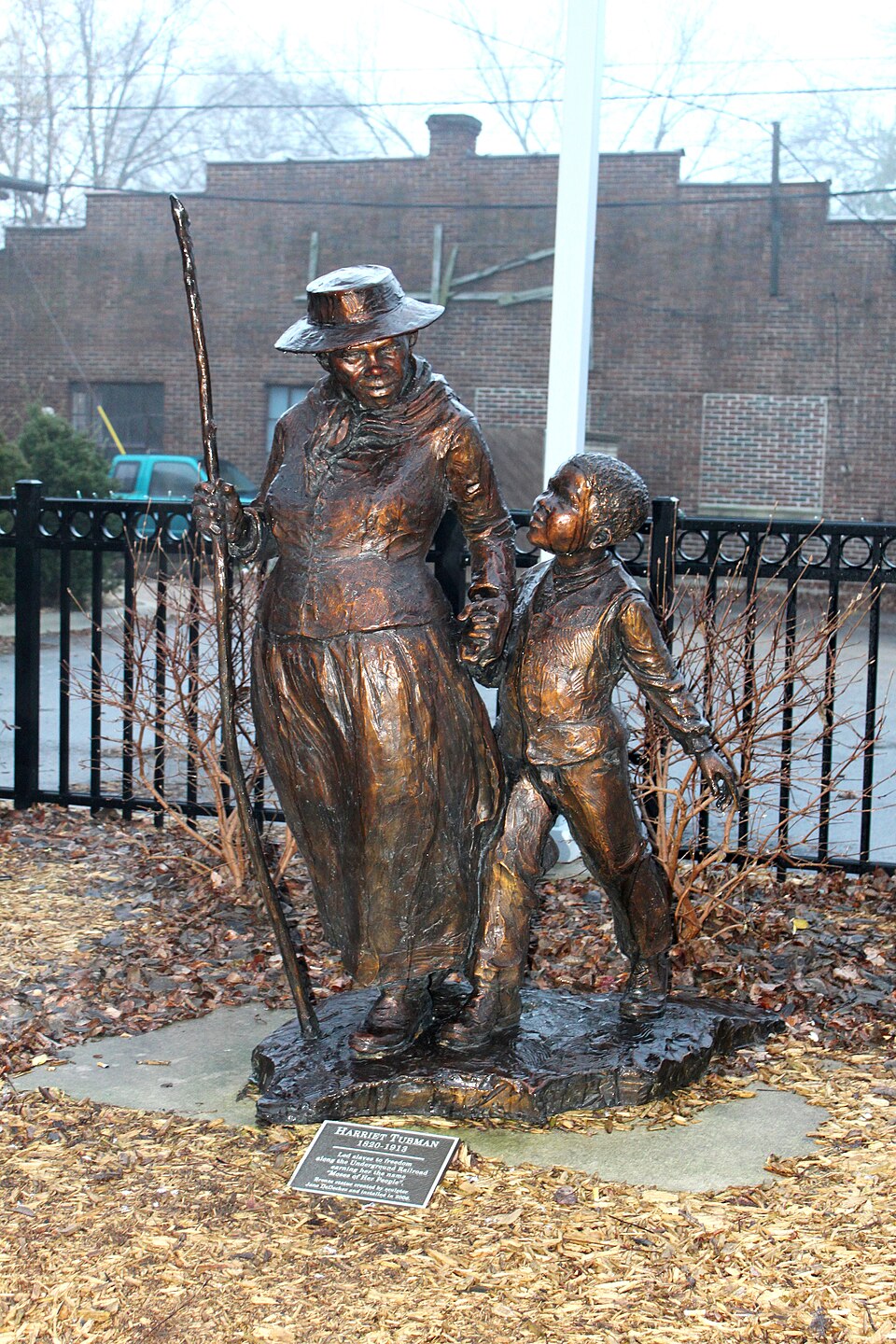
—Did you experience the Civil War as the culmination of all your clandestine struggle?
For a long time, I did the work alone, in silence, with my shuttered lantern and my prayer. Then the war came, and suddenly the army of a president asked me to do in broad daylight, in uniform, what I had done in the shadows for ten years: spy, scout, guide. Lincoln's Emancipation Proclamation, in early 1863, declared the slaves of rebel states free — but a decree on paper does not break chains by itself. It took legs, boats, guns to go get them. Combahee was that: shadow and daylight joined. I saw with my own eyes the secret network of a lifetime become a column of the army. They buried me with military honors, I who had begun as a fugitive with a price on my head.
—The war over, slavery abolished, why didn't you retire to finally enjoy rest?
Rest? I opened my door, yes, but for others. Here in Auburn, on the land Senator Seward helped me buy, I founded in 1896 a home for the aged and indigent — many former slaves like me, whom freedom had found too late, without strength or family. A freedom that leaves an old man to starve by the roadside is only half a freedom. The Thirteenth Amendment, in 1865, broke the chains; it didn't fill the pots. I had spent my youth pulling bodies out of slavery; I would spend my old age giving them a roof and a bed. You don't stop being a conductor because the night ends: there is always someone to lead to a safer place.
A freedom that leaves an old man to starve by the roadside is only half a freedom.
—At over eighty, you still climbed the suffragist platform. What did you come to say to those women demanding the right to vote?
Sometimes those educated young ladies ask me if a woman really deserves to vote. So I stand up, this broken carcass, and I answer what I lived in my flesh: 'I have suffered enough to believe that women deserve the right to vote.' I carried a gun in the swamps, I led soldiers, I saw the Fourteenth Amendment, in 1868, give citizenship to freedmen and leave all women — Black and white — outside, on the threshold. They tore me from my mother by sale, they split my skull, they put a price on me: after all that, don't come tell me a woman hasn't earned the right to drop a ballot in a box. I won't see that day. But it will come, as sure as the North Star.
After all that, don't come tell me a woman hasn't earned the right to vote.
This imaginary interview was generated by artificial intelligence from sources documented in Harriet Tubman's profile. It dramatises what the figure might have said based on what we know about them, but does not constitute attested historical testimony. For primary sources and factual documentation, refer to the full profile.