Kids interview Jessye Norman
by Charactorium · Jessye Norman (1945 — 2019) · Music · Performing Arts · 5 min read
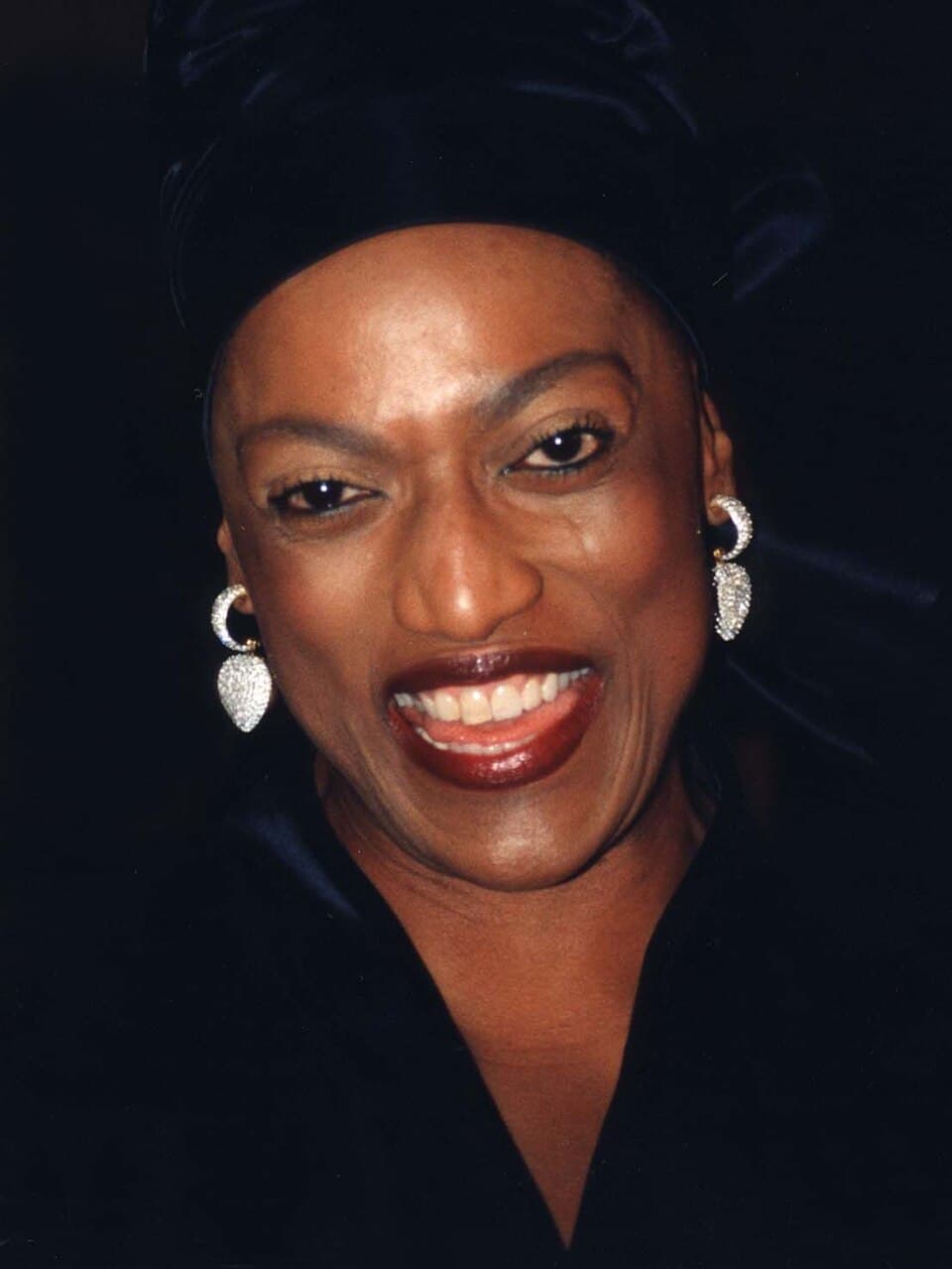
That morning, two middle school students push open the door of a large empty concert hall. On stage, a lady with a warm voice is waiting for them, seated near a piano. She smiles: no one had asked her questions in a long time.
—How old were you when you sang for the first time?
You know, my child, I was four years old. Four years old! I was already singing at the Baptist church in my hometown, Augusta, Georgia. Imagine a little girl standing on a wooden bench, surrounded by adult voices rising to the ceiling. In my family, we didn't just sing on Sundays. We sang to say hello, to cook, to comfort ourselves. My whole family sang, from morning to night. It wasn't something we did: it was something we were. My voice was born there, in that warmth, long before the great theaters of the world.
Singing, in my family, wasn't something we did: it was something we were.
—What was it like growing up there, when you were Black at that time?
It was hard, I won't lie to you. I was born in 1945 in the American South. In my time, there was a terrible thing called segregation. It meant people were separated by the color of their skin. White children and Black children didn't go to the same schools. You couldn't sit together on the bus. Imagine being told: your place is not here, only there, at the very back. But in my family, I was taught one thing: stand up straight and sing. Your voice, no one can ever put it at the back of the bus.
Your voice, no one can ever put it at the back of the bus.
—Is it true your voice was so powerful it filled the whole hall?
It's true, yes! And without any microphone, imagine that. In my time, an opera singer had to fill huge halls with her body alone. I had what is called a dramatic soprano voice: the highest female voice, but with a power that could cut through an entire orchestra. And I had a rare gift: my middle register was so rich that I could also sing lower roles. It was like having two voices in one throat. People called me the Great Lady. But you know, a great voice must be worked on every day, or it goes away.
—Did you only sing opera, or other music too?
Oh, much more than opera! The great German composer Wagner, yes, with his heroines who sing for hours—I was Isolde, one of the most difficult roles in the world. Then Schubert's Lieder: those are tender little German melodies, almost whispered, very different from the great cries of opera. And then, close to my heart, the spirituals. These are songs born among Black slaves in America, songs of faith and hope for freedom. I went from overwhelming roles to the songs of my childhood. For me, it was all the same music: music that says something true about human beings.
I went from Wagner's giants to my childhood songs: for me, it was the same music.
—And your real debut, where did it happen?
Far from home, my child. In 1968, I won a big singing competition in Munich, Germany. And the following year, in 1969, I made my debut on a real professional stage, in Berlin. I was singing a Wagner role that was almost always given to European singers. Imagine the surprise: a young Black American woman, from a small Southern town, who arrives and sings that music as if she were born into it. The critics were completely unprepared. The next day, everyone was talking about me. That's where my life changed, far from the church in Augusta.
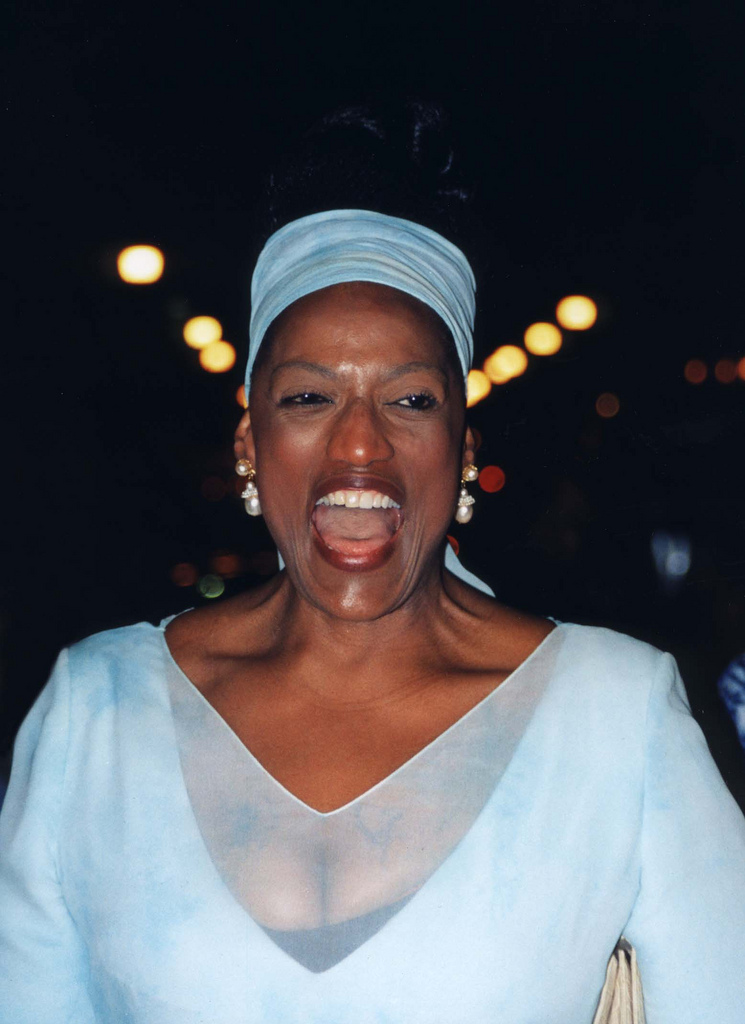
—What did a normal day start like for you?
Early, and in silence first! In the morning, I would wake my voice very gently, with exercises, like an athlete warming up muscles before a run. A voice, you see, is fragile: you must take care of it like a treasure. Then I would study my scores—the large sheets covered in notes—often with a pianist, at the grand piano. I would analyze every word, in German, French, Italian. And careful what I ate! No spicy food, no alcohol, nothing that irritates the throat, especially before a concert. Lots of water, always. People only see the dress and the lights. They forget the hidden work behind it.
A voice must be cared for like a fragile treasure.
—Did you travel a lot? Where did you actually live?
Everywhere and nowhere, almost! My real home was New York, but I lived out of my suitcases. Berlin, London, Paris, and Bayreuth—that small German town entirely dedicated to Wagner's music. I rushed from rehearsal to performance, from one country to another. My travel notebooks were full of schedules and cities. So, to breathe, I kept a house in the countryside, near New York, surrounded by trees. There, far from the noise and applause, I could rest, receive my friends, become simply myself again. A singer, you know, is not just a throat: it's also a heart that needs a quiet place.
—We saw a photo of you with a huge French flag. What was that?
Ah, that day, I will never forget it! It was July 14, 1989, in Paris, on the Champs-Élysées. France was celebrating the bicentennial of its Revolution—that is, its two hundred years, 1789-1989. I was asked to sing La Marseillaise, the French national anthem. Imagine: more than a million people in front of me, in the street, and hundreds of millions watching from their homes, all over the world. And me, a Black American singer, draped in a huge tricolor flag, singing another country's anthem. It was much more than a song. It was saying that music has no borders, no color.
Music has no borders, no color.
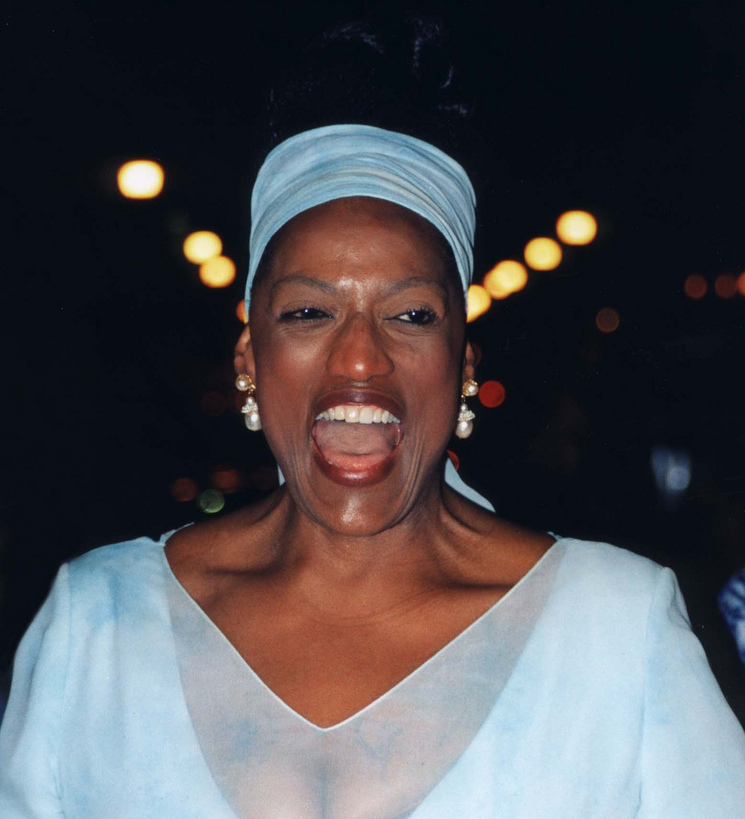
—Were you scared, with so many people watching?
My heart was pounding, yes, I admit it! But you know, when you've been singing since age four, fear becomes a friend. That day in Paris, it was hot, there was a huge murmur, like the sea, rising from the crowd. And that big flag I was carrying was heavy, I had to hold it straight. So I did what my family had always told me: stand up straight and sing. I took a breath, looked far ahead, and launched the first notes. At that moment, fear flies away. Only the song remains, and all those people listening together, in silence. It is a tremendous gift.
—After all that, what did you want to do for children?
Open the door that I had to force myself. In 2003, in my hometown of Augusta, I founded an arts school. A real school of music, dance, theater—and above all, free. Why free? Because I thought of all the children who would never have the means to pay. When I was little, segregation told those children: this is not for you. So I wanted to say the opposite: every child deserves to discover the power of the arts. It was my way of reversing the injustice my generation had suffered. Do you understand? What life had made difficult for me, I wanted to make easy for others.
Every child deserves to discover the power of the arts.
—If we remember one thing about you, what would it be?
What a beautiful question to end with. Don't just remember the great theaters, or the awards, or even La Marseillaise. Rather remember the journey: a little girl who sang in the church of an unjust South, and who went to the greatest stages in the world. I wrote a book about my life; the title said it all: stand up straight and sing. That is what I leave you, you and your classmate. No matter where you come from, no matter what you are told to be. Find your voice—the real one, the one that comes from the heart—and make it heard. No one can ever take it away from you.
Find your voice, the one that comes from the heart, and make it heard.
This imaginary interview was generated by artificial intelligence from sources documented in Jessye Norman's profile. It dramatises what the figure might have said based on what we know about them, but does not constitute attested historical testimony. For primary sources and factual documentation, refer to the full profile.