Imaginary interview with Jessye Norman
by Charactorium · Jessye Norman (1945 — 2019) · Music · Performing Arts · 5 min read
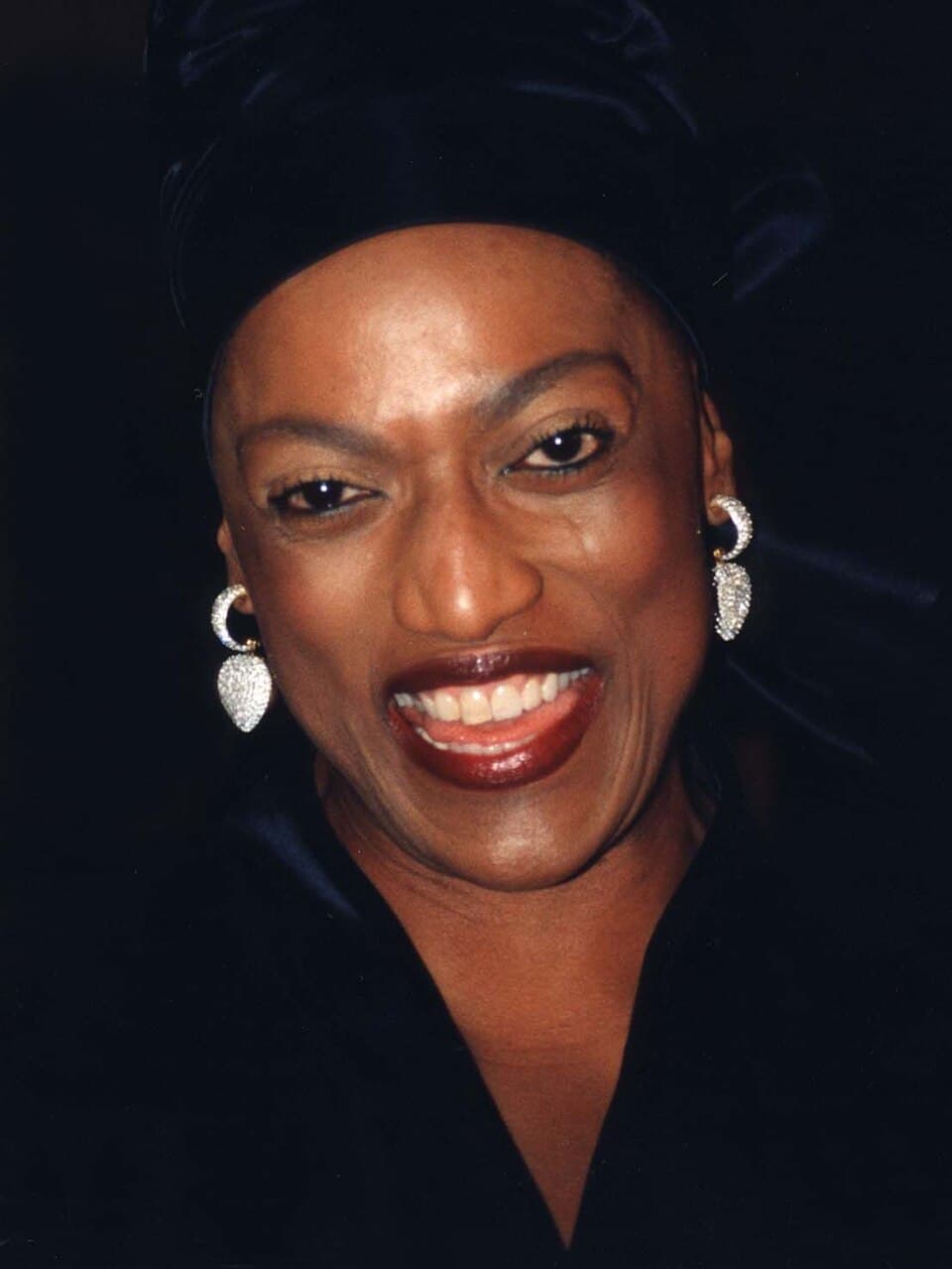
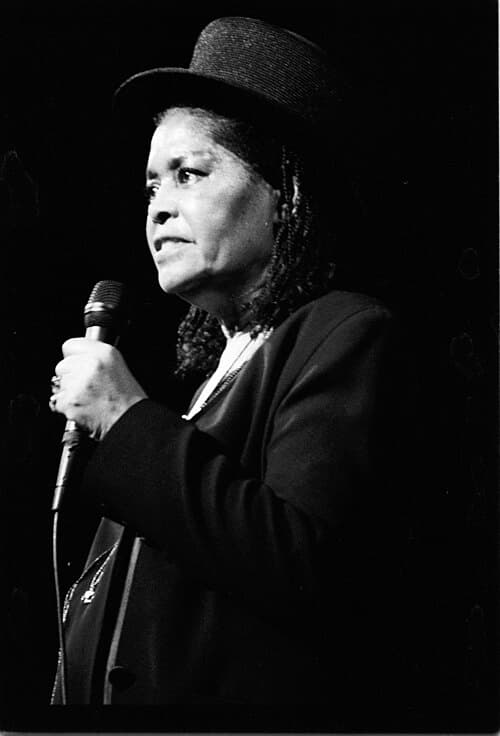
Autumn 2015, a quiet drawing-room in Dutchess County, New York State. The light falls on a grand piano covered in scores annotated in four languages. Jessye Norman, majestic silhouette wrapped in a dark shawl, receives us with a cup of tea in hand, her voice deep and measured, as if each word must first pass the test of breath.
—Before opera, there was the church. How did that childhood in Augusta shape the singer you became?
I sang at the Baptist church in Augusta from the age of four, long before I knew what a lied or a Wagnerian role was. In our home, no one 'did' music on Sunday: we were music, from Monday to Sunday. I wrote it exactly that way in my memoirs — Music was not something we did on Sunday mornings; it was something we were, every day of the week. My mother at the piano, my brothers and sisters, the fervor of gospel rising from the wooden pews: that was my first conservatory. Much later, when I recorded my Spirituals and Sacred Songs for Philips, I wasn't changing repertoire — I was coming home.
In our home, no one 'did' music on Sunday: we were music.
—You were born in 1945 in segregated Georgia. What remains of that world in your memory?
I was born in a South where Blacks and Whites shared neither schools nor bus seats. I was ten when Rosa Parks refused to give up her seat in Montgomery, eighteen when Reverend King spoke of his dream before two hundred and fifty thousand people. You grow up in that without always naming it: it's the air you breathe. But in our house, I was never told that my voice should stay small. When I earned my bachelor's degree at Howard University, that historically Black university in Washington founded after the Civil War, I carried all of that South with me — not as a burden, but as a reason to sing louder than what had been planned for me.
—In 1969, your Wagnerian debut in Berlin in a role reserved for Europeans. How did you experience that welcome?
I had won the Munich Competition in 1968, and that opened the doors of the Deutsche Oper Berlin. I was entrusted with Elisabeth in Tannhäuser — a role that no one imagined giving to a young woman from Augusta, Georgia. The critics politely expected a curiosity from America; they heard something else. I remember the silence in the hall, then that murmur rising. That night, I was not judged on my color, but on Wagner, and that was more than enough for me. As I once told a New York journalist, I think of myself as a singer who happens to be black and who happens to be a woman. The music is what matters.
That night, I was not judged on my color, but on Wagner.
—Much has been said about the range of your voice. How would you describe that instrument you carried?
I was classified as a dramatic soprano, but my middle register was so full that I could bite into mezzo roles without ever forcing. It's a rarity, I've been told often enough — that voice that fills a large hall without any microphone, all the way to the last row. In the morning, before anything else, I did my exercises, then I sat at the piano with my vocal coaches to dissect every phrase, every word, in German as in French. Such a voice is not a gift you keep: it's a discipline you protect. I avoided alcohol, spices, dairy before a concert — you don't joke with an instrument you cannot replace.
Such a voice is not a gift you keep: it's a discipline you protect.
—From Isolde in Wagner to the most intimate Schubert lieder: how do you go from one extreme to the other?
Isolde, which I performed in 1983, is one of the most overwhelming peaks of the repertoire — you have to throw all your dramatic power into it, hold your own against the entire orchestra. And then the next day, you sit down at a simple piano for a Schubert lied, and everything reverses: it's no longer about dominating, but about inhabiting a poem of a few lines, making an entire world fit in a held breath. My Schubert recordings for Philips come from that conviction: power is worthless without tenderness. Bel canto taught me that the line must remain beautiful even when drama tears it apart.
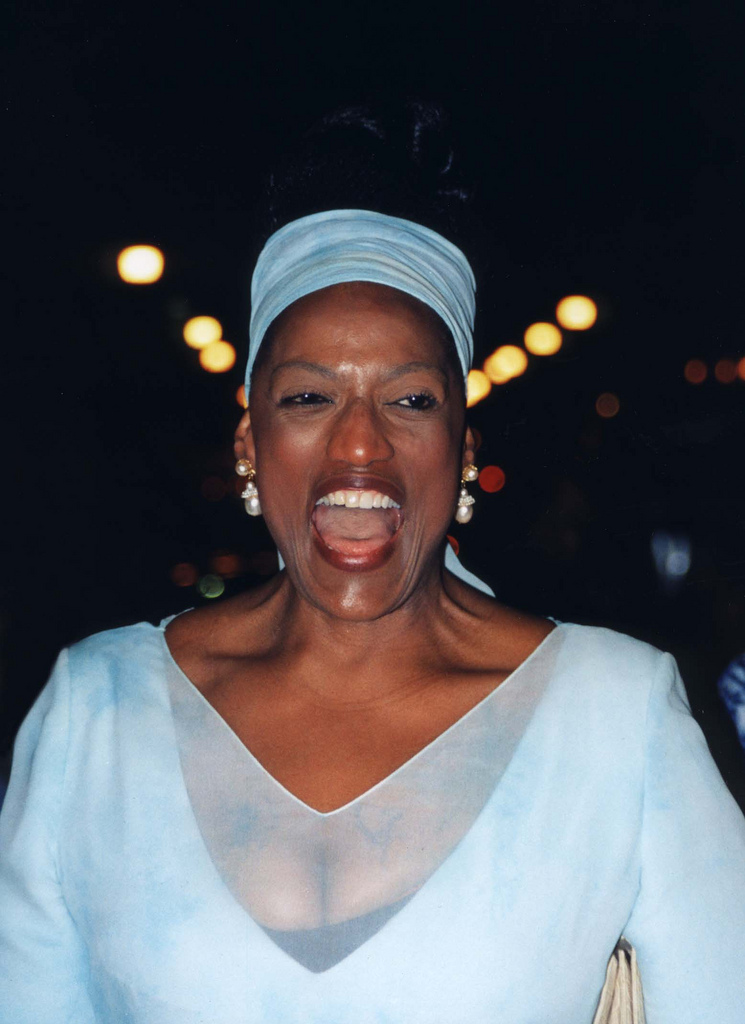
—On July 14, 1989, La Marseillaise on the Champs-Élysées. Do you remember that moment?
A million people below, and the dizzying thought that hundreds of millions more were watching around the world. I was draped in an immense tricolor flag — I had become, for the space of an anthem, a living standard. An American soprano, black, born in the segregated South, singing La Marseillaise for the bicentennial of the French Revolution: the significance was not lost on me. That evening, I was not singing a national anthem; I was singing an idea — that freedom knows neither border nor color. The July cold on the Champs-Élysées, that silence before the first note: I will never forget it.
That evening, I was not singing a national anthem; I was singing an idea.
—Why, in your opinion, did such a moment transcend a simple gala concert?
Because it brought together things that history had striven to separate. Think about it: one hundred and fifty countries were watching a woman whose grandmother could have been born in a South where her people were denied the right to sit where they pleased, and that woman embodied the anthem of republican fraternity. The official program soberly introduced me as 'world-renowned American soprano' — but what the camera showed was far more than renown. It was a reconciliation, offered in music. I understood that evening that a voice, when the moment is right, can carry a weight that a thousand speeches could not achieve.
—In 2003, you founded an arts school in Augusta. What drove you to return to your hometown?
Because I have not forgotten where I come from, nor what was denied to children like me. I founded the Jessye Norman School of the Arts in my native Augusta, free of charge, for those who could never have afforded a music, dance, or theater lesson. I said it in so many words on the day of the founding: Every child deserves the opportunity to discover the transformative power of the arts. It is the exact opposite of what segregation imposed on my generation — doors were closed to us; I wanted to throw them wide open. What the Baptist church and my family had given me by chance, I wanted to give by choice.
Doors were closed to us; I wanted to throw them wide open.
—What would you say to a child in Augusta who hesitates today to walk through the door of your school?
I would tell them not to wait for permission to sing. I was never given permission: I took it, from the Baptist church, from the age of four. An art is not a luxury reserved for those who can afford it — it is a way of standing upright in the world, of straightening up. Indeed, I titled my memoirs Stand Up Straight and Sing! — that is what my mother always told me, and that is all I have to pass on. Walk through the door. The rest, discipline will teach you, and joy will come with it.
—Ultimately, your repertoire ranges from African American spirituals to Wagner. Do you see a contradiction or a unity?
No contradiction — a single source. The spirituals were born in 19th-century slave communities, songs of faith and hope for freedom; that is the fervor I learned as a child, and that is what I carry when I approach Wagnerian drama. People think you have to choose between European heritage and your own roots: that is false. I recorded my Spirituals and Sacred Songs the same year as my Schubert lieder, for Philips, and I did not change my heart when I changed the score. A great voice does not betray where it comes from; it takes its origins everywhere it goes, even onto the stage of Bayreuth.
A great voice does not betray where it comes from; it takes its origins everywhere it goes.
This imaginary interview was generated by artificial intelligence from sources documented in Jessye Norman's profile. It dramatises what the figure might have said based on what we know about them, but does not constitute attested historical testimony. For primary sources and factual documentation, refer to the full profile.