Kids interview Judith
by Charactorium · Judith (950 — ?) · Politics · Military · Spirituality · 5 min read
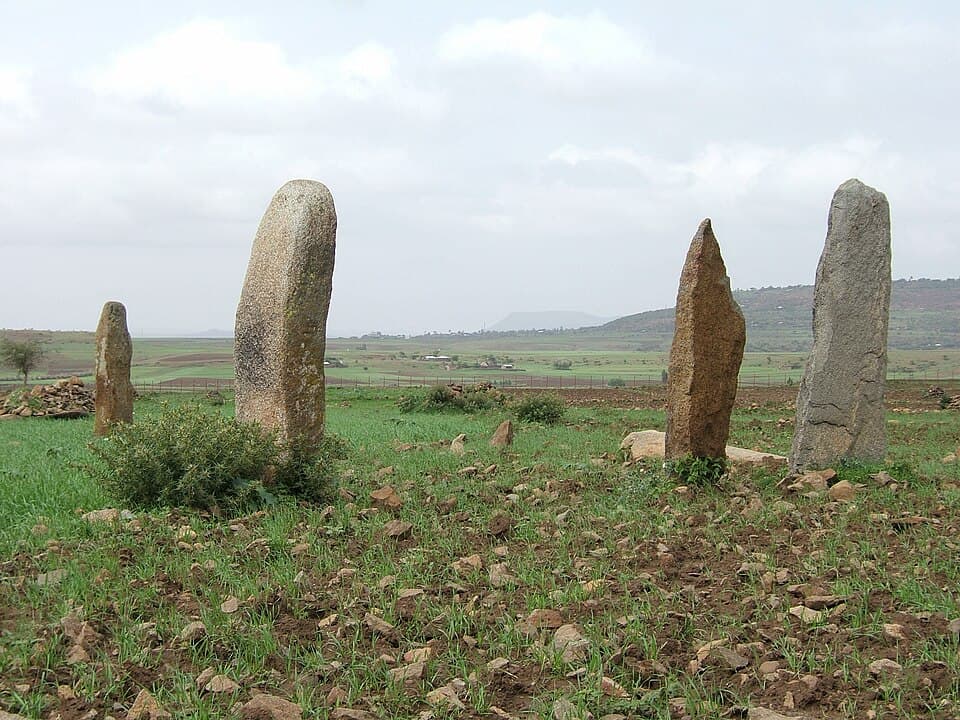
Two twelve-year-old students visit an exhibition on ancient Ethiopia. In front of a large stone stele, a queen risen from Ethiopian tales agrees to answer their questions. She smiles: few children dare to speak to the one they call the Flamboyant.
—Is it true that you set fire to a very holy church?
You ask the real question, my child. They say I burned the Cathedral of St. Mary of Zion, in Aksum. It was the holiest place in the country, the one that guarded, they say, the Ark of the Covenant. Imagine a moonless night, and suddenly flames higher than the great trees, lighting up the whole plateau. Fire is my sign: they call me Esato, 'the Flamboyant'. I carried a brand, a lit torch, as others carry a crown. Some say I destroyed a thousand years of prayers. I only tell you: fire shows who commands, and that night, it was me.
Fire shows who commands, and that night, it was me.
—Why did you break the great stones of Aksum?
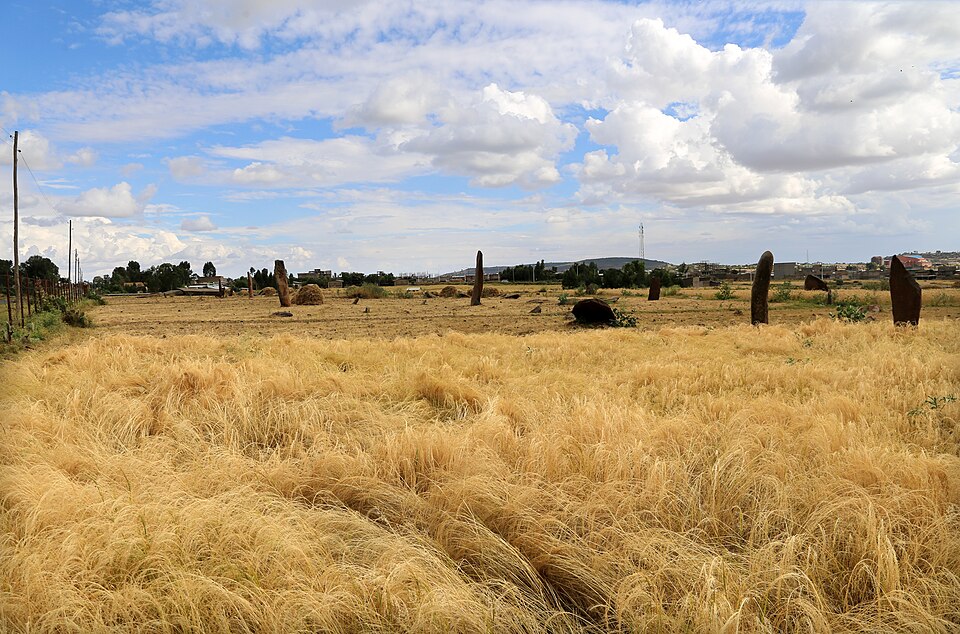
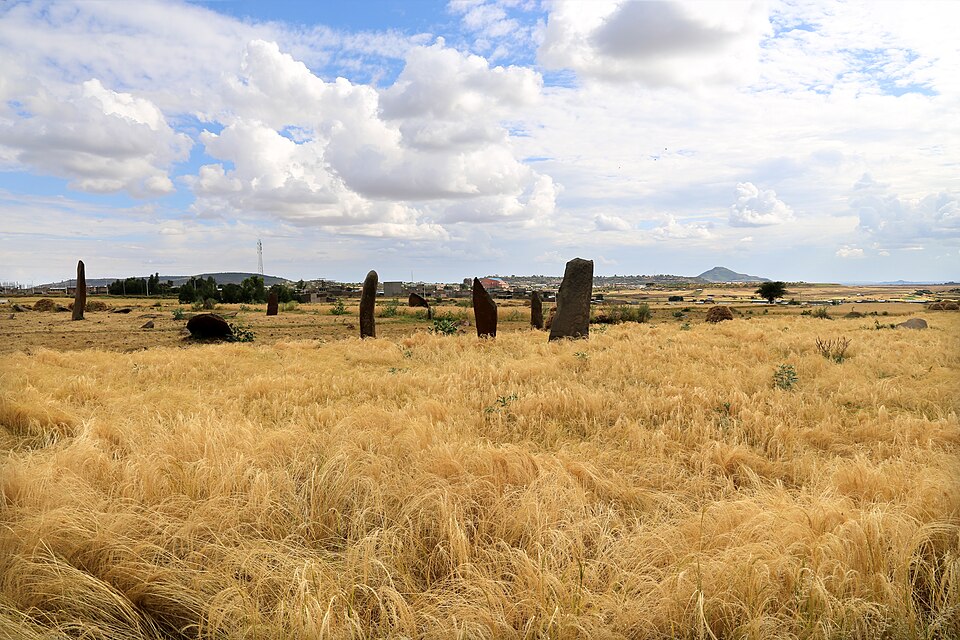
You saw those stelae, those immense stones raised toward the sky? In Aksum, they said: 'here kings have reigned forever.' So I had them overthrown. When you bring down the symbol of a family, you bring down its strength in people's hearts. They say I broke churches, monasteries, stelae. It was like erasing a people's writing on the earth. It's not mindless cruelty, my child: a queen who wants to rule must first bring down what towers above her. The fallen stone is the old world fallen.
—How do you overthrow kings who were there for a thousand years?
With patience and a lot of courage, my child. The king of Aksum was called the Negus, which means 'the king' in our old language. His family had reigned for over a thousand years. Imagine a tree so old that no one remembers who planted it. I came from the mountains, with loyal warriors, and I struck when the kingdom was already tired and weakened. Around the year 960, everything changed. Overthrowing a king is not a single day of battle: it's striking the tree where the wood is already hollow.
—After you won, did you put on the crown of the king you defeated?
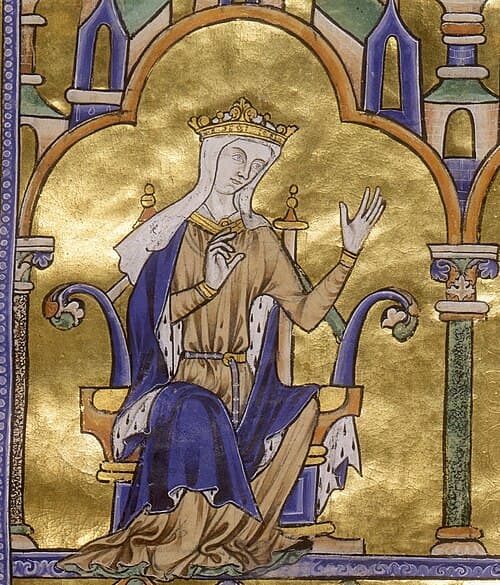
Yes, and that bothers many people! I took the royal clothes, the jewels, the crown of the family I had just struck down. It's strange, you see: I destroyed their power and, at the same time, I dressed in it. They also say I made almost the entire royal line disappear. Only one young prince was supposedly hidden by loyalists, like a small ember protected from the wind. That ember, much later, would give kings back to the country. A queen sometimes wears the crown of her enemy: it tells everyone that the world has changed hands.
A queen sometimes wears the crown of her enemy.
—Where did you live? Were you afraid someone would attack you at night?
Afraid? First come see my mountains! I ruled from the Semien Mountains, in the north of the country. They are rocky peaks with sheer cliffs, so high that clouds pass below. My fortresses were rocks turned into camps, where no army could climb without breaking. In the evening, we lit great fires, beat the kebero, the big drum, and sang. Up there, the wind is icy, but you feel invincible. No, I was not afraid at night: when you sleep at the top of the world, others are afraid of you.
—Why do some hate you and others adore you?
Ah, you noticed that, my child? That is the strangest part of my story. For the Christian priests of Aksum, I am a demon, a woman of fire who destroyed their churches. But for the Beta Israel community, the Jews of Ethiopia, I am a heroic queen who defended her people. The same deed! The same queen! Imagine two grandparents telling the same battle to their grandchildren: one speaks of a monster, the other of a liberator. A story changes color depending on the mouth that tells it. Remember this: always ask who is telling you, before believing what you are told.
A story changes color depending on the mouth that tells it.
—What did people who lived far away write about you?
Very different things, my child! Monks from Egypt, in a book about their patriarchs, described me as a woman who worshipped the devil and harmed Christians. Can you imagine? The devil! But a learned traveler from Arabia, a man named Ibn Hawqal, wrote around 977 that a powerful sovereign had been ruling for years over the land of the Habesha, the peoples of the highlands. He does not speak of a demon: just a queen who commands. It's funny, you see: the one who fears you draws you as a monster, and the one who looks at you from afar draws you simply as you are.
—How does it feel to be called 'the accursed' in books?
It does not hurt me, you know. The Christian chroniclers gave me the worst names: the accursed, the devil's woman, she who plunged the country into darkness. They wrote in Ge'ez, the old sacred language, so that these words would last centuries. But think, my child: one does not bother to curse a weak queen. One only curses what one could not overcome. If my name still makes stories tremble a thousand years later, it is because my flame never truly stopped burning in their memory.
One only curses what one could not overcome.
—How long did you reign? That was long, wasn't it?
They say forty years, my child. Forty! That is a number full of meaning in our traditions, that of long trials and great changes. During all that time, they say the monasteries remained empty and the priests fled far away, to the most remote regions, with their sacred objects. Imagine half a century where an entire country holds its breath. One queen, on a vast plateau, for longer than many people live. To reign forty years is not to win a battle: it is to make your law last until it becomes everyone's daily life.
—What was a normal day like for you?
I will tell you, my child. At sunrise, on the windswept mountain ridges, I reviewed my warriors before the mist rose over the valleys. In the afternoon, I held council: the chiefs came, we shared the spoils, and my word was law. In the evening, around great fires, we feasted. We ate injera, that large soft teff flatbread, with roasted meat and wild honey, and we drank teff beer. I listened to travelers telling me where my enemies were still hiding. A queen sleeps little: she watches while her kingdom dreams.
A queen sleeps little: she watches while her kingdom dreams.

This imaginary interview was generated by artificial intelligence from sources documented in Judith's profile. It dramatises what the figure might have said based on what we know about them, but does not constitute attested historical testimony. For primary sources and factual documentation, refer to the full profile.