Imaginary interview with Judith
by Charactorium · Judith (950 — ?) · Politics · Military · Spirituality · 5 min read
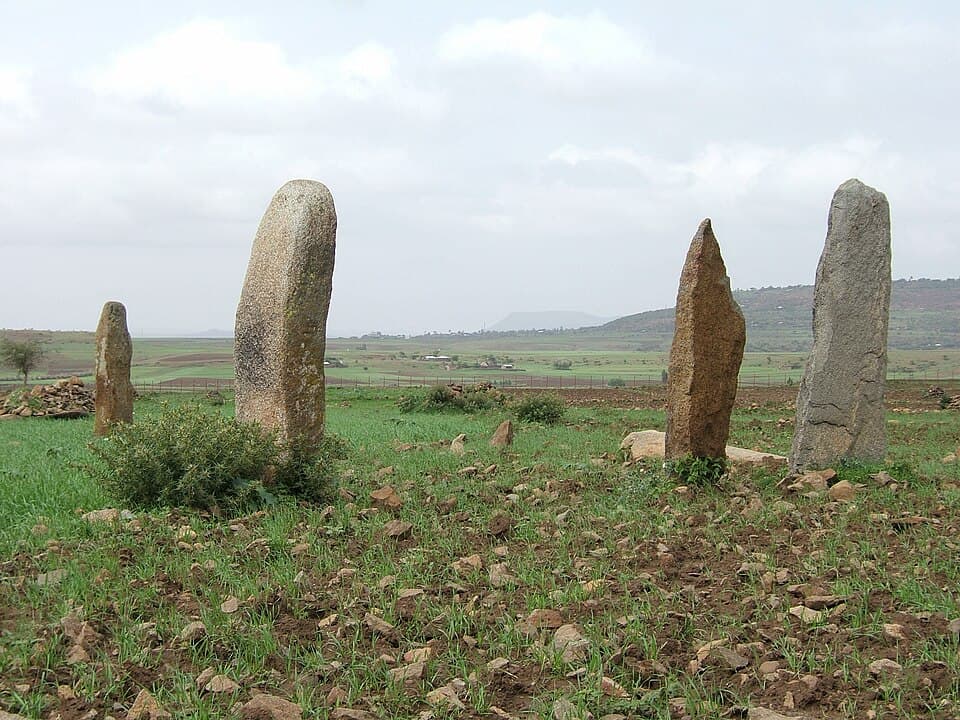
On the wind-beaten ridges of the Semien Mountains, where mist rises from the valleys before dawn, a queen reviews her warriors. They call her Esato, the Blazing One, and her name still makes monks tremble. She has agreed to speak — in the language of those who curse her as well as in that of those who sing her praises.
—Everyone talks about the night Aksum burned. What really happened that night?
The city slept under its stelae when my torches ascended toward Aksum. I saw the roofs of the Cathedral of Saint Mary of Zion catch fire, that sanctuary said to guard the very Ark of the Covenant. A thousand years of kings had knelt there; in one night, the flame erased what a thousand years had raised. The priests cried that I served the devil, and since then they call me Esato, she of the fire. I do not deny the brand. When you want to overthrow a dynasty that believes itself eternal, you do not argue with its stones: you set the sky ablaze above them.
When you want to overthrow a dynasty that believes itself eternal, you do not light a debate: you set the sky ablaze above it.
—You ended more than a thousand years of Aksumite kingship. Were you aware of what you were destroying?
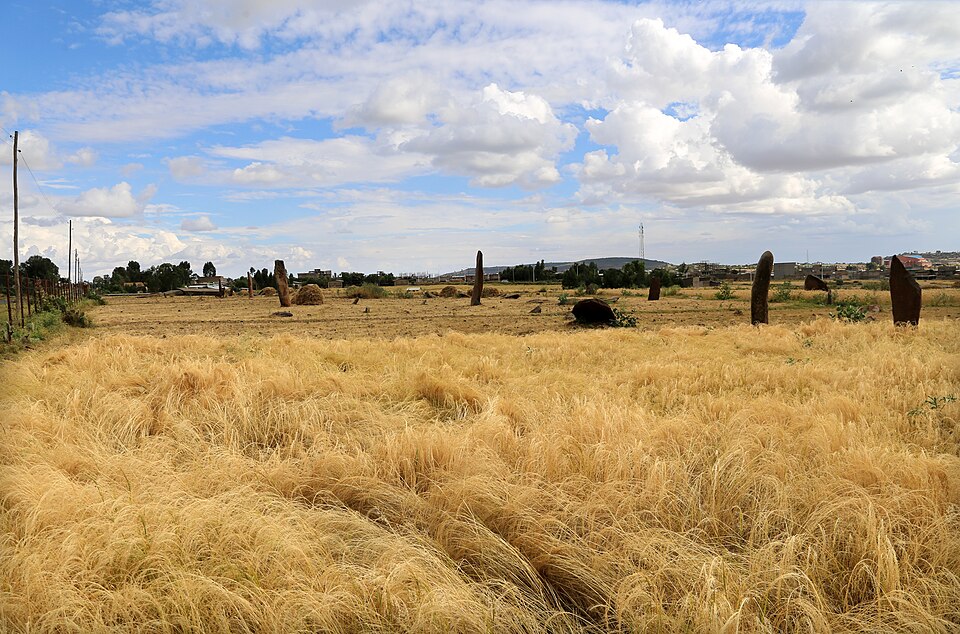
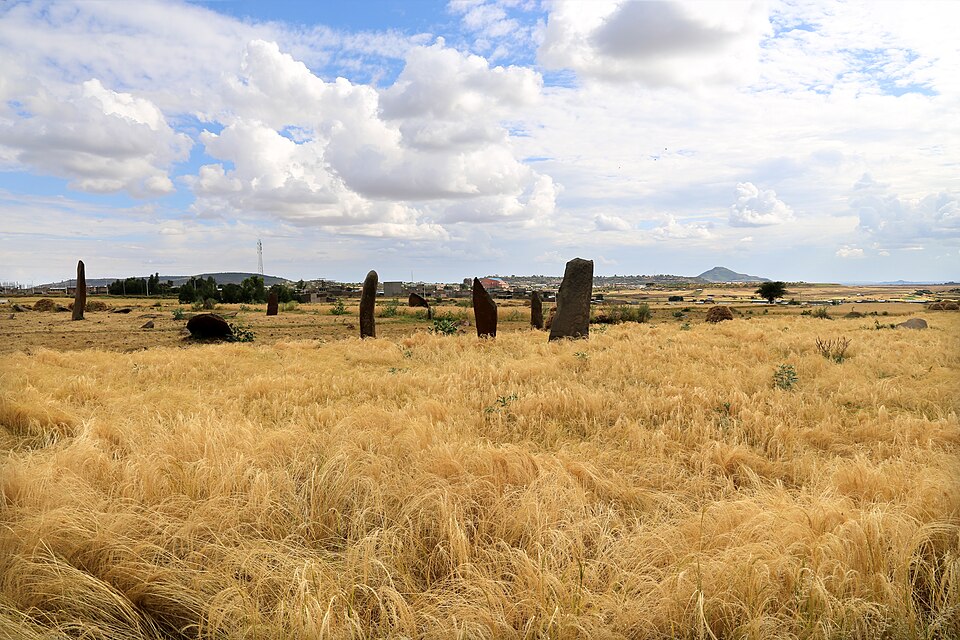
Aksum had converted to Christ six centuries before me, under King Ezana; it was the oldest Christian kingdom on this African soil. Yes, I knew. I had the great monolithic stelae overturned, those granite fingers that kings planted to say: we will last forever. I laid them in the dust. They say I profaned, that I extinguished a millennial light — but a light that weighs on necks ceases to shine. What I broke, others did not even dare to look in the face. The oral memory of my people has preserved that upheaval better than any chronicle.
—Christian texts describe you as a demonic figure. How do you receive this portrait?
The monks of Alexandria wrote that a woman who worshipped the devil had seized the kingdom of Ethiopia and made the servants of Christ suffer. Their Synaxarium calls me the queen of the enemies. I know these words; they are the echo of fear, not of truth. A loser always paints his conqueror with the colors of Hell. For them, my victory could only come from a cursed power — for how could a woman of the highlands, alone, have brought down the throne of the Negus? They prefer a demon to a queen. That saves them from admitting they lost to a mere mortal armed with a will harder than their faith.
A loser always paints his conqueror with the colors of Hell.
—Yet not everyone curses you. What do you represent for the Beta Israel community?
There is a people who do not spit my name: the Beta Israel, the House of Israel, the Jewish children of these plateaus. For them I am not the flame that devours, but the spear that protects. Where the chronicler sees an arsonist, the old woman by the fire sees a queen who defended her own against the pride of Aksum. The same deed, two hostile memories: that is what a sovereign is. You never belong to a single mouth. I am both the cursed one of the priests' Ge'ez and the heroine of the songs of those who had been bent too long.
The same deed, two hostile memories: that is what a sovereign is.
—Your power was born in the Semien Mountains. What did these mountains give you?
Go down into a plain and they surround you; climb into the Semien and they beg you. My fortresses are not of cut stone but of born stone — peaks with sheer walls that no horse can climb, bastions that the earth itself had raised for me. That is where I set out, and that is where I returned, unreachable. Aksum's envoys shattered on my ridges like mist breaks on the dawn wind. A queen of the heights is not fought: they wait for her below, and she never descends when they expect her.
Go down into a plain and they surround you; climb into the Semien and they beg you.
—What was a day like in your camp, on those heights?
Before the mist lifts, I review my warriors on the ridge, in the biting cold. The great drum, the kebero, beats to gather — the same drum that beats for liturgies also beats for my battles, for on these plateaus the sacred and war share the same stretched skin. In the afternoon, I judge: the submitted clan chiefs come, we share the spoils, we negotiate with the valleys. In the evening, around the great fires, we roast beef, pour tella, the teff beer, and I listen to the scouts tell me where the priests still hide. A queen who stops listening at night does not see the morning that betrays her coming.
—If you were to be recognized by a single object, which would you choose?
The torch, without hesitation. It is my brand that gave me my name, Esato, the Blazing One; fire is my seal, more than any crown. But you only understand me by bringing together three things: the torch that destroys, the overturned stele that says what I brought down, and the Aksumite crown I placed on my brow. For I donned the very insignia of the power I had just struck down. That is my whole riddle: I am the heir and the destroyer of the same hand. I burned the throne, then I sat on it.
I burned the throne, then I sat on it.
—You also carry the sword and amulets. What do these attributes say about the queen you are?
At my belt hangs the short double-edged sword of the plateau sovereigns, the very one the kings of Aksum wore: I defeated them with the weapon of their own military tradition. Around my neck, the ketab, those parchment scrolls covered with protective words that all communities of these lands wear. The tales say they made me invincible. I will tell you something else: a queen who stands at the crossroads of several gods leans on none alone, and that is her strength. The sword to cut, the amulet to endure — the rest is just legend embroidered after the battle.
—An Arab traveler, Ibn Hawqal, is said to have spoken of a queen ruling these lands. What do you think of such a witness from afar?
I am told that a geographer, Ibn Hawqal, wrote around the year 977 that the land of Habesha was governed by a woman who had reigned for many years and had subjugated its king. He never saw me, he did not even name me — and yet, from the depths of his travels, he grasped what the priests refused to admit: here a sovereign rules, and the king obeys her. The witness who has nothing to gain or avenge is worth more than a hundred angry chroniclers. His foreign pen is more just than the familiar hatred of those who write in Ge'ez.
The witness who has nothing to avenge is worth more than a hundred angry chroniclers.
—They say you reigned for forty years. How do you imagine you will be remembered, long after that time?
Forty years — the number of desert crossings, of trials that forge a people. If I could imagine being spoken of in a century or two, I think they would agree on nothing. From my rupture other powers will be born in the heart of the plateau; other kings will come, the Zagwe perhaps, who will call themselves restorers of light and build sanctuaries to erase my fire. Let them. I will be hated in their churches and sung in the cottages. A queen who is still debated is never quite dead — and that, perhaps, is my true reign of forty years.
A queen who is still debated is never quite dead.

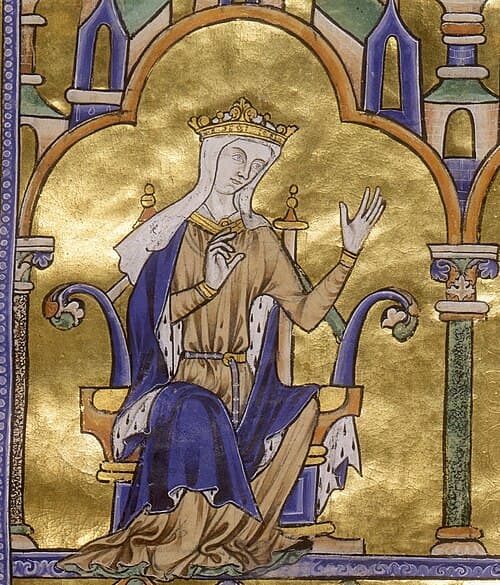
This imaginary interview was generated by artificial intelligence from sources documented in Judith's profile. It dramatises what the figure might have said based on what we know about them, but does not constitute attested historical testimony. For primary sources and factual documentation, refer to the full profile.