Imaginary interview with Loretta Lynn
by Charactorium · Loretta Lynn (1932 — 2022) · Music · Society · 5 min read
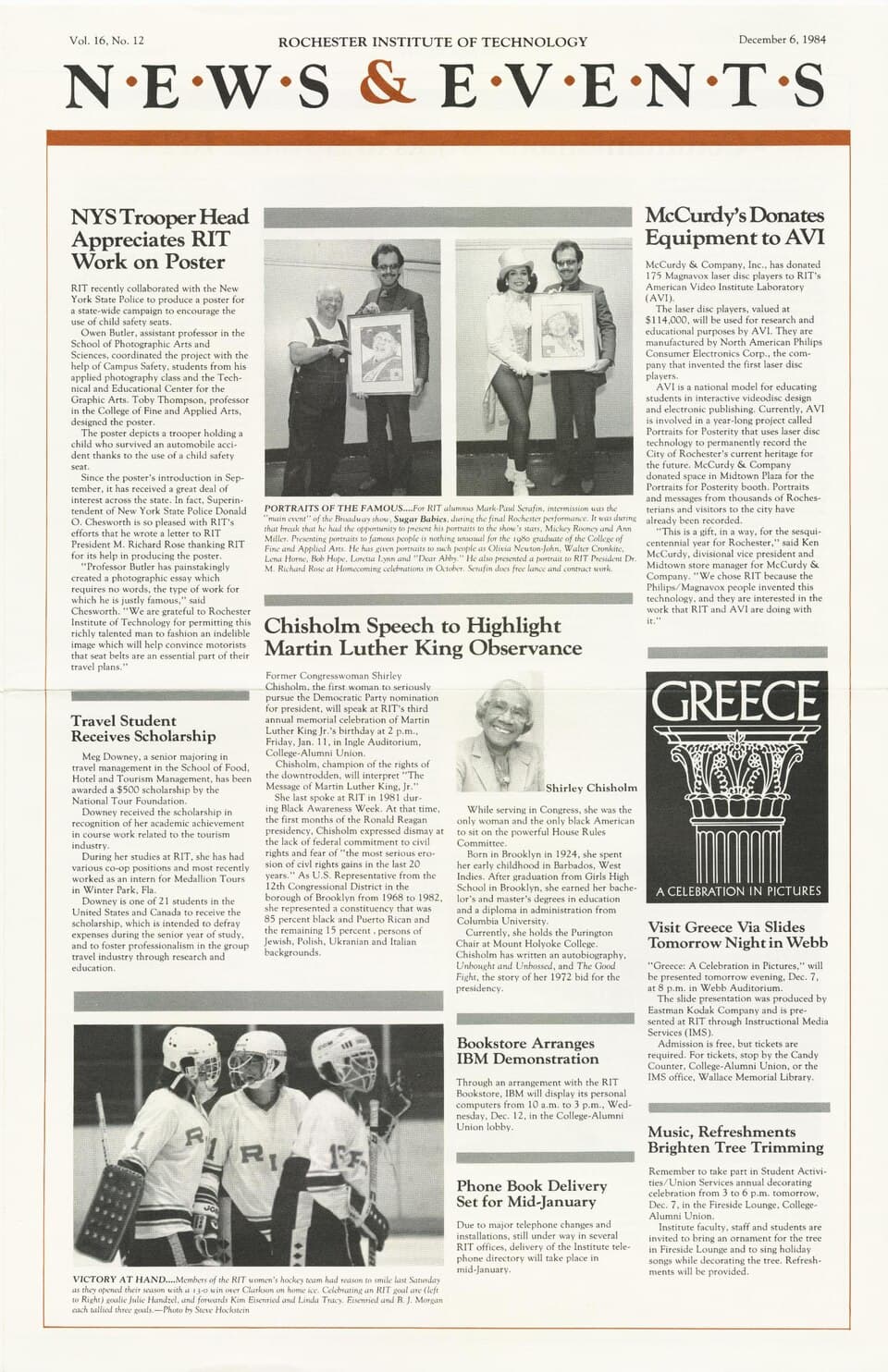
Nashville, an autumn afternoon. Loretta Lynn receives us in the living room of her Tennessee property, a cup of strong coffee in hand, her old guitar leaning against the armchair. Behind the sequined glamour, the girl from Butcher Hollow has never stopped talking like the women of Appalachia: straight to the point.
—Do you remember the house where you were born?
A cabin in Butcher Hollow, Kentucky, without electricity, without running water, deep in the hills. My father would go down to the mine and come back in the evening with coal dust in every wrinkle. We had nothing, but I think we had everything that matters to make a song: the cold, the hunger, the love too. When I wrote Coal Miner's Daughter in 1970, I didn't invent a thing, I just opened the door of that cabin and let people in. Some singers hide where they come from, I made it my name. They say poverty is a shame; I say it's a pride, when you've made it out without forgetting anyone along the way.
Some singers hide where they come from, I made it my name.
—How did your very first song come out of the shadows?
With a hundred dollars and an old car, that's how. In 1960, my husband Mooney took a hundred dollars from his paycheck so we could record I'm a Honky Tonk Girl. A hundred dollars was a fortune for us. Then we had no record label, no advertising, nothing. So we hit the road, radio station after radio station, and I knocked on the door myself: "Please, sir, play it once." Once was enough. The women in the honky-tonks recognized themselves in it, they called in to request it again. That's how a girl from Appalachia got into Nashville: not through the front door, but through the window, record in hand.
That's how a girl from Appalachia got into Nashville: not through the front door, but through the window.
—How did you feel going from that cabin to the big stages of Nashville?
It's a strange dizziness. In the morning, as a girl, I wore worn-out dresses sewn from sackcloth; in the evening, as an adult, I put on sequined gowns to step onto the boards of the Ryman Auditorium. Two worlds in the same body. But look, my acoustic guitar, the one I learned on at twelve, it didn't change: the same wood, the same strings that sting your fingers. Between Butcher Hollow and Nashville, there was California too, in 1955, when the family left looking for work. I dragged my roots everywhere like you drag mud under your boots. Under the sequins, there was always the miner's daughter.
Two worlds in the same body.
—Why did you sing about things other women preferred to keep quiet?
Because someone had to do it. Back home, in the hills, we didn't talk about those things: the husband who comes home drunk, the hand that rises, the woman who takes it in silence. I decided to sing about them, whether they liked it or not, because it was the truth. In 1966, Don't Come Home A'Drinkin' said that refusal out loud: if you come home with liquor on your breath and ideas in your head, don't count on me. The men in the industry made faces. But in the kitchens, women nodded. I didn't think of myself as a rebel, I just told what I saw around my table.
I didn't think of myself as a rebel, I just told what I saw around my table.
—What would you say about the storm that "The Pill" stirred up?
Ah, that one shook the walls! In 1972, I sang The Pill, a song about contraception, about a woman's right to decide how many children she wanted to bear. You should have seen the preachers turn red. Many radio stations refused to play it, plain and simple. But the women of Appalachia, those who had seven, eight, nine mouths to feed with nothing, they wrote to me by the hundreds to thank me. I didn't know the big words of feminism, I didn't speak at conferences. I just said that an exhausted mother had the right to catch her breath. If that's being scandalous, then I was proud to be it.
I just said that an exhausted mother had the right to catch her breath.
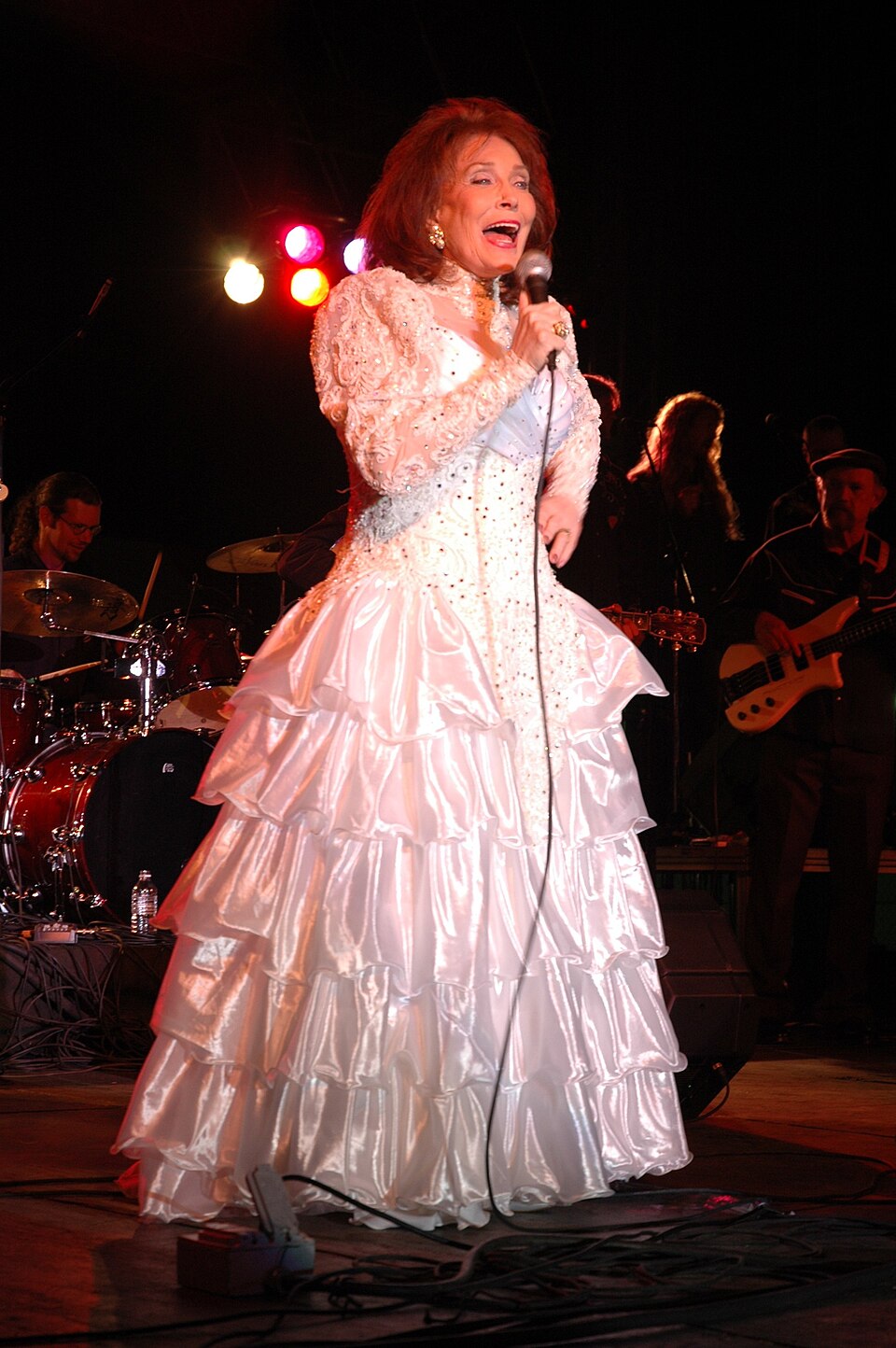
—Where did you find those stories you put into song?
Around a table, a deck of cards in hand. Back home, the women would gather to play cards, and there, out of earshot of the husbands, tongues would loosen. We told each other the real things: the sorrows, the shames, the little stolen joys. I listened, and late at night, I took my lyric notebook and scribbled it all down before it slipped away. My songs weren't born in a Nashville office, they were born in those whispered conversations. A good country song isn't learned poetry, it's the minutes of an ordinary life. I was less an artist than a secretary of my neighbors' secrets.
I was less an artist than a secretary of my neighbors' secrets.
—Why did you insist on writing your autobiography in 1976?
Because a song is three minutes, and my life needed more. In 1976, I told everything in Coal Miner's Daughter, the book. I said it simply: I came from a poor family, my father worked in the mine, and we had nothing, but I had a voice, and my voice was my only chance to escape. There, that's my whole story in one sentence. The book was well received, and four years later, in 1980, they made a movie out of it with Sissy Spacek playing me so well it gave me chills. Seeing your own childhood projected on a giant screen, believe me, it stirs a woman up.
A song is three minutes, and my life needed more.
—How did you stay yourself when you became a country star?
By keeping the same plate, I think. Even after I built my big property in Tennessee, I still ate cornbread, beans, salt pork, and sweet tea, the food of Appalachia. In private, I took off the sequins to put on jeans, a shirt, and my boots. On stage at the Grand Ole Opry, I sparkled; at home, I became plain Loretta again. I kept a house in Kentucky, near my roots, like you keep an anchor. Honors are all well and good, but they don't tell you who you are. What tells you that is what you put on your plate and who you still talk to.
Honors are all well and good, but they don't tell you who you are.
—What did you hope to offer the women who listened to you?
Company, above all. I sang for women like me, those no one listens to; I sang their sorrows, their dreams, their secrets. When a woman alone, in her kitchen, put a 45 on the phonograph and heard her own pain in my voice, she knew she was no longer alone. That's what I wanted to give: not lessons, not morals, just the feeling that someone, somewhere, understood. The big papers called me a rebel, but on the farms, they listened to me as a friend. A song that keeps someone company on a lonely evening, for me, that's worth all the gold records in the world.
I sang for women like me, those no one listens to.
—Do you regret being at the heart of controversy so often?
Regret? Never in my life. Every time a radio station refused The Pill or frowned at Don't Come Home A'Drinkin', I knew I had struck a nerve, and a nerve that jumps means it was alive. In 1973, that same song about alcohol and blows earned me a Grammy Award, and then the same ones who frowned applauded. Funny world. I learned early that the truth disturbs before it convinces. I wasn't looking for scandal for its own sake; I said what was, and if what was shocked, it was because the silence had lasted too long. A woman from the hills who speaks loud, that has always scared people.
A nerve that jumps means it was alive.
This imaginary interview was generated by artificial intelligence from sources documented in Loretta Lynn's profile. It dramatises what the figure might have said based on what we know about them, but does not constitute attested historical testimony. For primary sources and factual documentation, refer to the full profile.