Imaginary interview with Monica
by Charactorium · Monica (332 — 387) · Literature · Spirituality · Philosophy · 6 min read
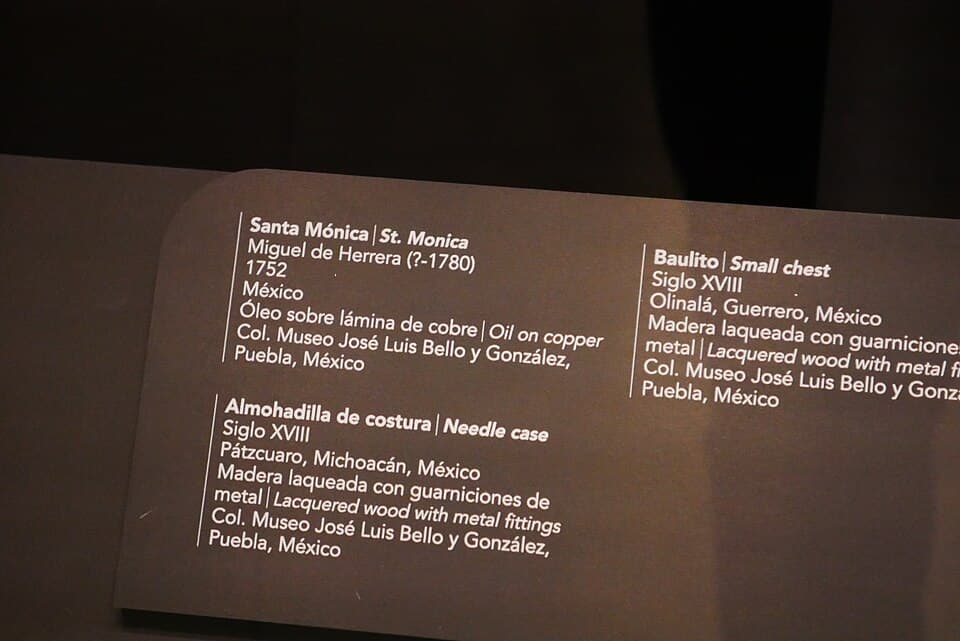
Ostia, port of Rome, late summer 387. In a whitewashed house overlooking the sea, a fifty-six-year-old woman, veiled in dark, sat near a window open to a small garden. A few days earlier, she had seen her son receive the water of baptism. She knows she will not see Africa again, and that no longer saddens her.
—What happened a few days ago at this window where you sit with your son?
We were alone, leaning on this sill, and the garden below was fragrant. Augustine and I spoke softly, as one speaks when words become almost unnecessary. Together we began to seek 'what might be that eternal happiness of the saints, which eye has not seen, nor ear heard, nor has it entered into the heart of man.' And behold, step by step, our thoughts rose above the sun, above the stars, until they touched for an instant that Wisdom which abides. Then we descended again to the sound of our voices. At Ostia, this window has given me more than thirty years of tears.
This window has given me more than thirty years of tears.
—After such a moment, how do you view what lies ahead?
Without fear, believe me. For a long time I had desired a foolish thing: to rest one day near my husband Patricius, in our land of Thagaste, under the same marble. But since that shared contemplation, that concern has left me like a scarf one lets fall. What does it matter to me where this body will rot? Nothing is far from God, and I do not fear that He will not know how to find my dust on the day when He gathers all things. Let them bury me here, at Ostia, in this port where the ships leave without me. I have obtained from my son what I asked for since his birth; the rest is but a little earth.
Nothing is far from God, and I do not fear that He will not know how to find my dust.
—Do you remember that bishop you went to ask for help for your son?
How could I forget? I pursued him, begged him to discuss with my Augustine, to draw him from the errors of those who opposed light to darkness, those Manichaeans who had caught him in their nets for nine years. The bishop no doubt found me tiresome with my tears. He finally grew weary, yes, but differently than I feared: 'Go, depart; it is impossible that the son of so many tears should perish.' I received these words like a voice from heaven. I carried them for years, at Carthage, at Rome, at Milan, whenever hope faltered in me.
'It is impossible that the son of so many tears should perish.' I received these words like a voice from heaven.
—For more than thirty years you prayed for your son's conversion. What sustained you for so long?
Intercession — that is my only work. I did not write books as my son will write; my sole work was to plead with God, night after night, for a soul that did not want me. They say Augustine recounted that I wept over him 'more bitterly than mothers weep for the bodily death of their children.' It is true. A dead child, you mourn once; a child lost to the truth, you mourn every morning. My tears became my sign, more than the widow's veil I wear. A mother can besiege Heaven as one besieges a city: by patience, never by force.
A mother can besiege Heaven as one besieges a city: by patience.
—How did you experience that night when Augustine sailed from Carthage without warning you?
He deceived me, quite simply. We were at the port of Carthage, in 383, and I clung to him, determined to follow him to Rome or bring him home. He persuaded me to spend the night in a chapel near the shore, on the pretext of waiting for a friend. And while I prayed, the wind rose, swelled the sails, and he left. In the morning, the sea was empty: 'she disappeared from our sight.' I stood there, screaming like a madwoman, I who taught patience to others. Then I dried my eyes and took a ship myself. A son may flee his mother; he does not flee his tears — they travel faster than boats.
A son may flee his mother; he does not flee his tears — they travel faster than boats.
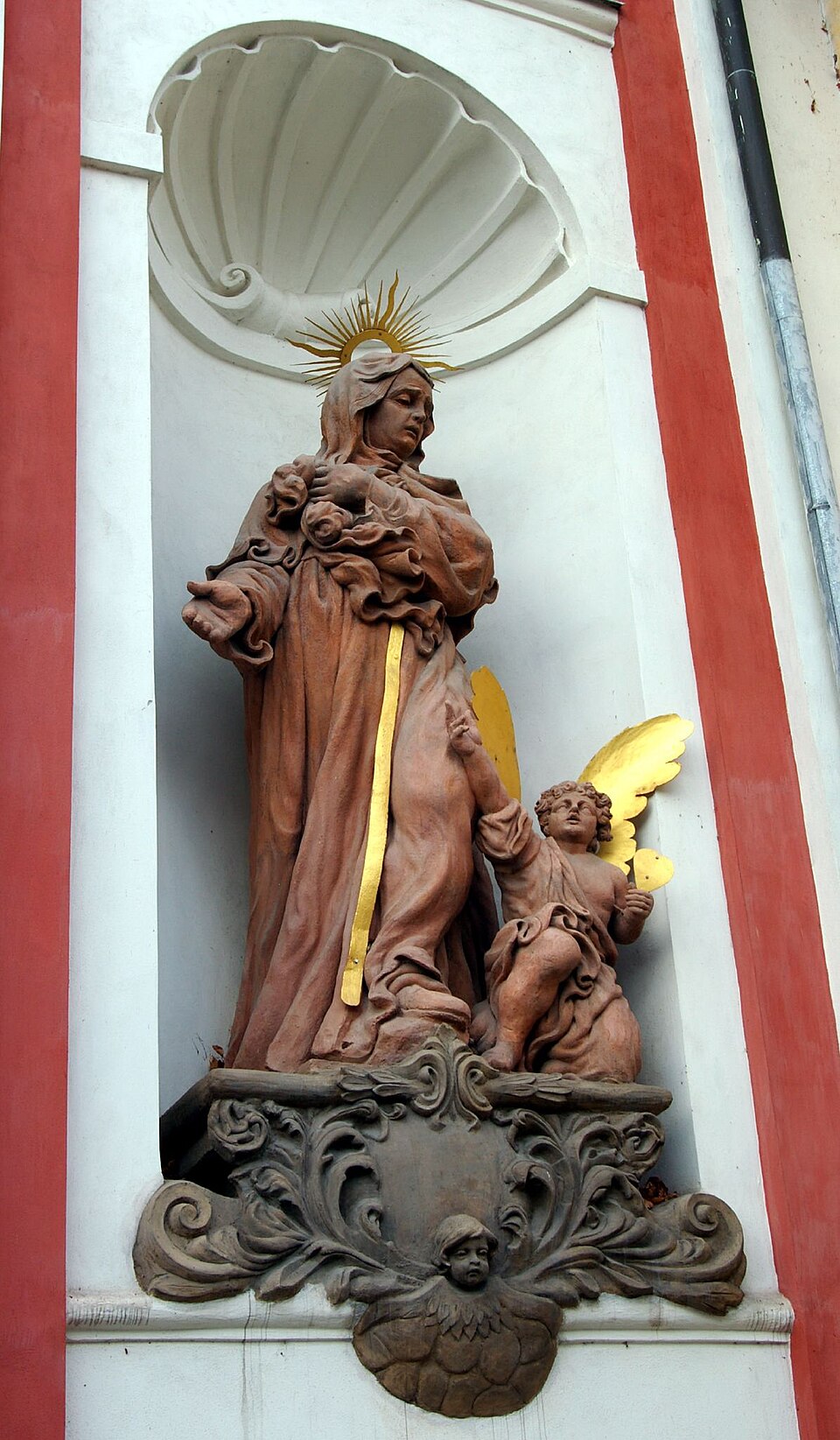
—Did this pursuit across the Mediterranean, all the way to Milan, never seem unreasonable to you?
Unreasonable? I was told so, yes. A matron of my age, a widow, crossing the sea in the footsteps of a son who only wanted to escape me. But I knew where to find him: where rhetoric was taught, where the mind shines and loses itself. I followed him to Milan, that capital of the West, and there I discovered much more than my son — I found Ambrose. On the shore of Carthage, I thought I had lost everything; in truth, that flight led me precisely where God wanted me to wait. A woman who pursues a child thinks she is running after him: often, it is Heaven that leads her by the hand.
A woman who pursues a child thinks she is running after him: often, it is Heaven that leads her.
—In Milan, you renounced a very ancient African custom. What happened?
At home, in Numidia, we brought wine and cakes to the tombs of the martyrs — the refrigerium, that meal shared with our holy dead. I held to it; it was the piety of my mother and grandmother. One day, at Milan, I presented myself with my basket and my offering amphora, and the guardian told me that the bishop had forbidden it. Another would have murmured, would have persisted in the name of the ancestors. I set down my amphora without a word. Since it was Ambrose who wished it, he whose doctrine I so admired, I preferred to renounce the custom rather than obedience. Faith is not a chest locked on the customs of old.
Faith is not a chest locked on the customs of old.
—What did Ambrose's authority represent to you, to the point of abandoning your childhood traditions?
Ambrose, bishop of Milan, had that gentle authority which does not command but convinces. I ran to his sermons every morning as to a spring, I who could barely read the subtleties of the learned. What I tasted there was not the beauty of phrases — that was Augustine's concern — but the truth that stood upright in them. So when this man asked me to leave my African offerings, how could I resist? I had left Africa to follow a son; I discovered that I also had to leave some of my habits to follow Christ. A piety that cannot strip itself ends up worshiping only itself.
A piety that cannot strip itself ends up worshiping only itself.
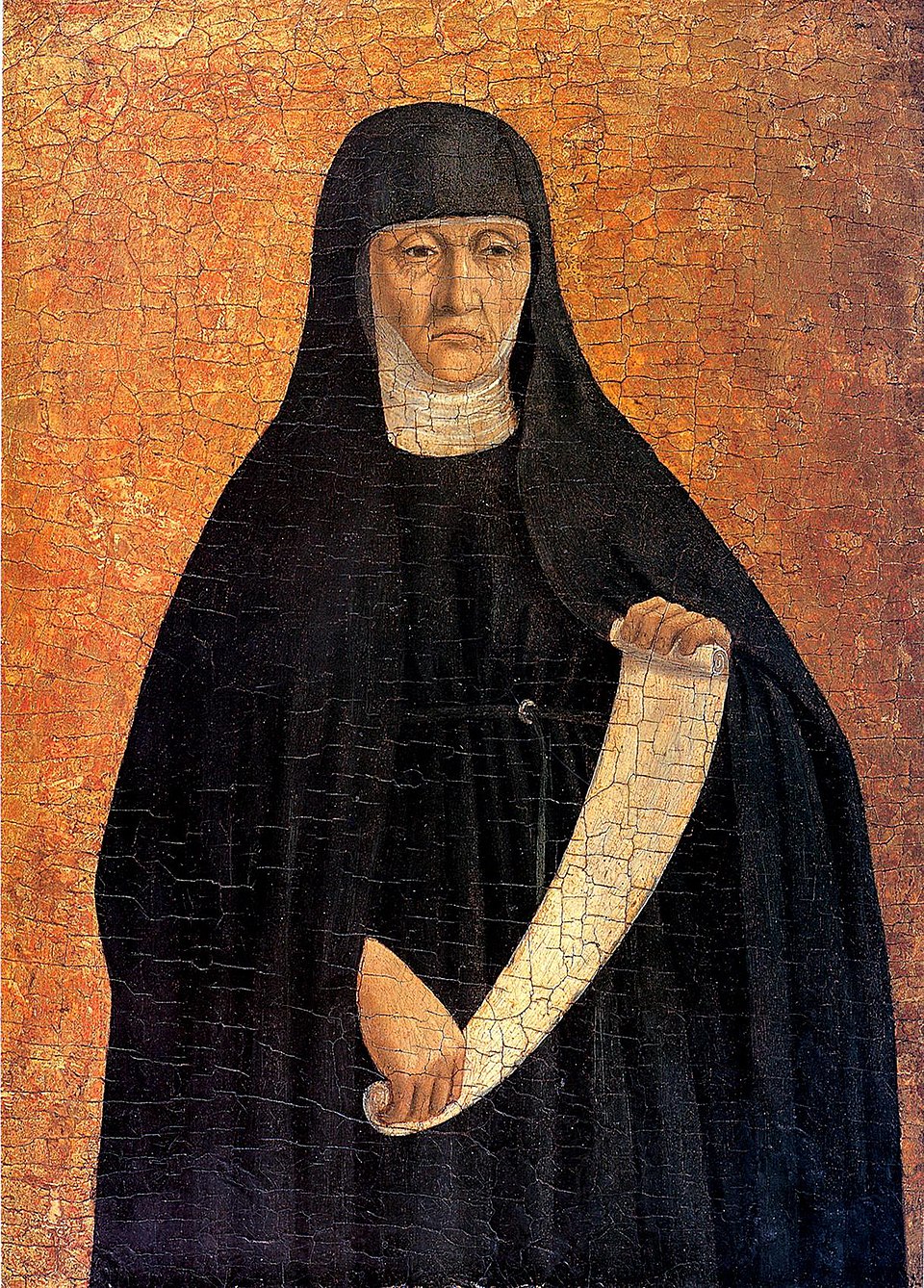
—You wear the dark veil of widows. What does this status change in a woman's life in your time?
When Patricius died, in 372, after finally receiving the baptism I had hoped for him for so many years, I took the widow's veil. Many see an end in it; I found a beginning. Viduity, among us Christian women, is not the oblivion of a bench at the back of the house — it is an office. The widow prays for the community, she fasts, she intercedes; she is respected as a watchman. Freed from the care of a husband, I could finally give all my nights to a single prayer. This dark veil, far from effacing me, returned me to my true task.
This dark veil, far from effacing me, returned me to my true task.
—What were your days like, between Mass and your night vigils?
I rise before dawn, always, for the morning liturgy in the basilica — this habit from Africa has never left me. Then I tend my house, I often fast, I eat little: bread, olives, some vegetables, rarely meat. In the afternoon, I sought out priests, bishops, anyone who might touch my son's heart. But it is the nights I prefer. When the household sleeps, I light my oil lamp and keep watch. That small flame has seen more of my tears than any human face. People think I spent my days weeping; in truth, I spent my nights hoping — which is not the same thing.
People think I spent my days weeping; in truth, I spent my nights hoping.
—If you could imagine being read in centuries to come, what would you wish to be remembered?
That is a thought beyond me. I am only a mother from Thagaste, unlettered and without glory; it is my Augustine who wields words, he who, they say, wants one day to tell our lives in a great book addressed to God. If anything of me should be kept, let it not be my name, but my example: that no mother despair of a child, however far he may have strayed. I saw mine return after thirty years; patience obtains what violence loses. Let that be remembered of the tears of Monica — not that they flowed, but that they never flowed for nothing.
Let no mother despair of a child, however far he may have strayed.
This imaginary interview was generated by artificial intelligence from sources documented in Monica's profile. It dramatises what the figure might have said based on what we know about them, but does not constitute attested historical testimony. For primary sources and factual documentation, refer to the full profile.