Kids interview Plato
by Charactorium · Plato (428 av. J.-C. — 348 av. J.-C.) · Philosophy · 5 min read
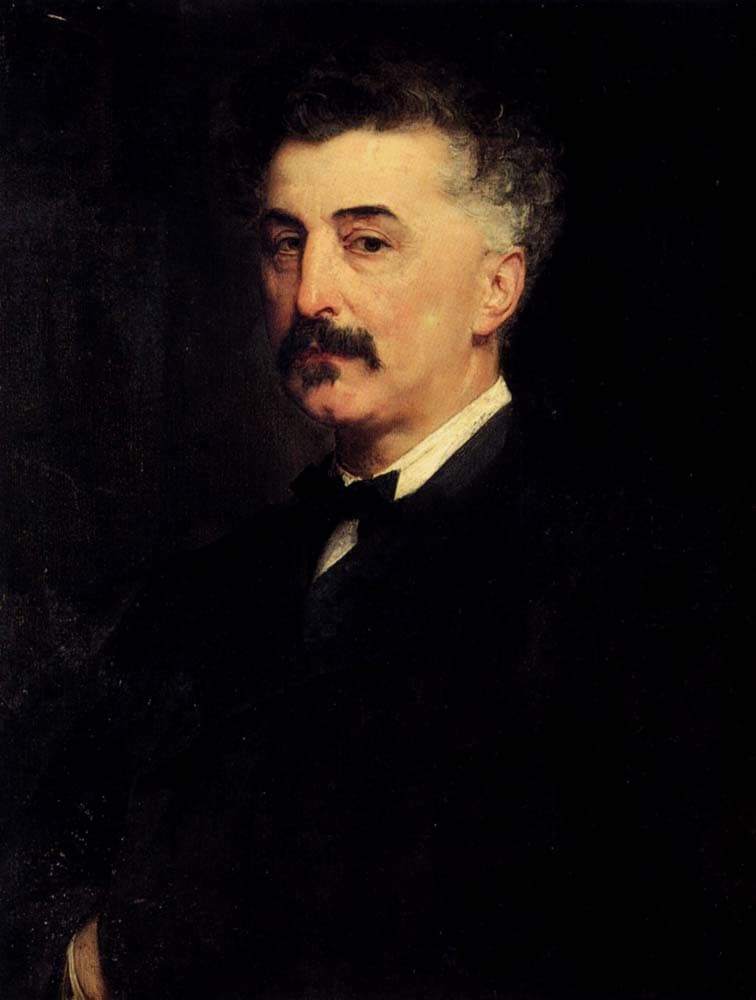
That morning, two twelve-year-old students on a field trip push open the gate of an old olive grove, where the Academy of Athens once stood. A broad-shouldered man with a gentle gaze waits for them under the trees. It is Plato, and he has agreed to answer all their questions.
—How old were you when your master Socrates died?
You know, my child, I was twenty-nine years old. I was born in Athens, into a noble family, and all through my youth I had listened to an old man speak in the public square, the Agora. That man was Socrates. In 399 BCE, the city condemned him to drink hemlock, a poison made from a plant. Imagine: they kill your teacher because he asks too many questions. I was devastated. But that day, I understood that I had to continue in his place. His death did not silence his voice—it entrusted it to me.
His death did not silence his voice—it entrusted it to me.
—Why did his death make you want to write?
Because I did not want him to be forgotten, nor for lies to be told about him. So I wrote his defense speech, the Apology of Socrates. His words were still in my ears. He had said to the judges: "An unexamined life is not worth living." Do you understand? For him, to live without ever asking yourself why you act is barely to live at all. Imagine someone who walks through life with their eyes closed. Writing was my way of keeping his eyes open, and mine with them. A pen, you see, lasts longer than poison.
—What is that story of yours about people trapped in a cave?
Imagine people trapped since birth deep in a cave, their backs to the entrance. Behind them burns a fire. They see only "the shadows cast by the fire on the wall of the cave." For them, those shadows ARE the world. They have never known anything else. Well, my child, I believe we are a bit like them. What you touch, what you see, are often only shadows. The real world, the most luminous, lies beyond. The philosopher is the one who turns around, and who dares to go out toward the light.
—But then, how do we know what is really true?
Ah, that is a true philosopher's question! You know, most people are content with what we call doxa: opinion, what they believe without thinking. It is fragile, it changes with fashion. I seek something else: the Idea. Take beauty. A flower is beautiful, then it withers. But the Idea of Beauty never withers. It is perfect and eternal. Imagine a hidden, perfect model, of which all beautiful things are only pale copies. You do not grasp it with your eyes, but with reason, by thinking slowly, together.
—Is it true that you were nearly sold as a slave?
It is absolutely true, and I still shudder at the thought! After Socrates' death, I traveled widely—Egypt, Italy, then Sicily. At Syracuse, there was a powerful king, Dionysius the Elder. I dreamed of teaching him to govern wisely. But I displeased him, and the tyrant grew angry. I was put on a ship, and along the way, they tried to sell me as a slave in the market! Imagine: the philosopher of Athens, barefoot, for sale like a sack of barley. Friends ransomed me just in time. That day I learned that an angry king is more dangerous than a storm.
An angry king is more dangerous than a storm.
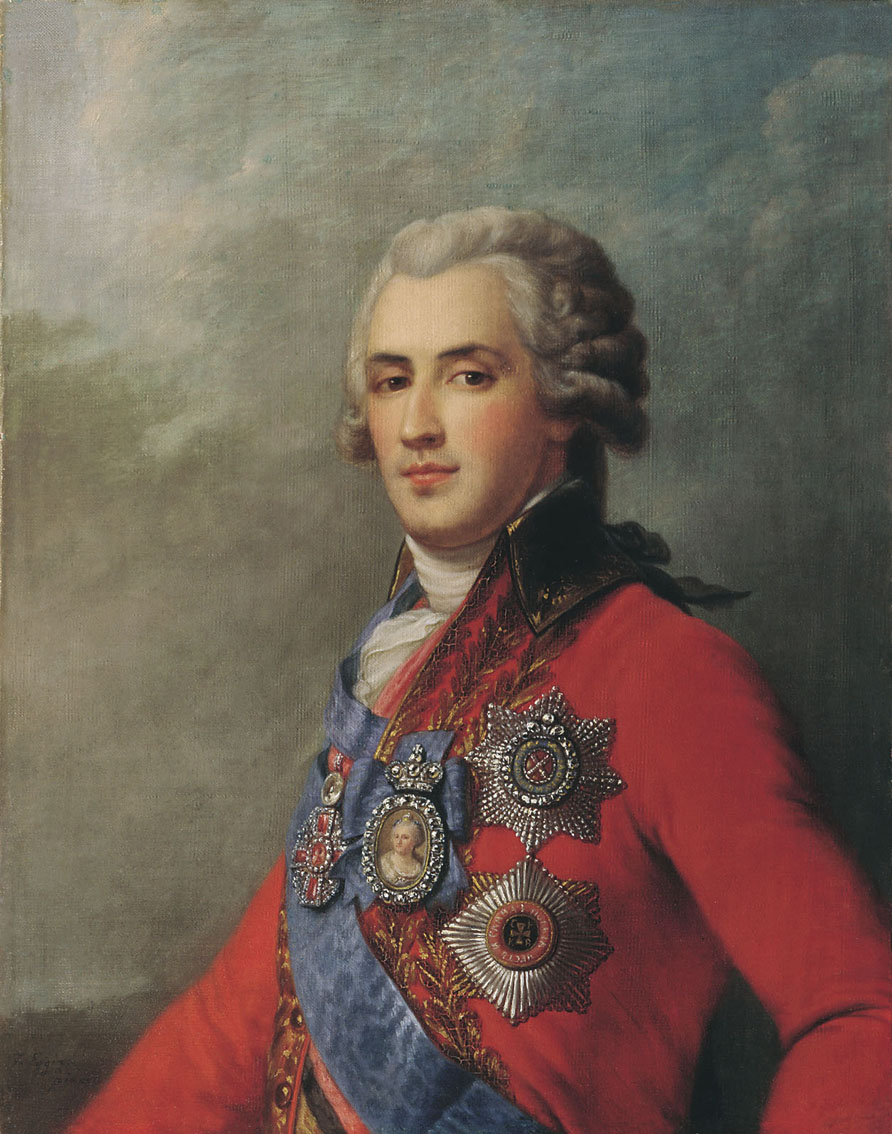
—Why did you so badly want a king to become a philosopher?
Because I dreamed of a just city, my child. I thought: if the one who rules loves wisdom, then everyone would live better. I returned twice to Syracuse, in 367 and then 361 BCE, to educate the young king Dionysius II. I failed all three times. He preferred parties to geometry! Grown old, I understood my mistake. In my last book, The Laws, I proposed a more modest city, governed by good written laws, not by a single supposedly perfect man. You see, we learn as much from our failures as from our victories. Sometimes more.
—Is it true that you had to be good at math to get into your school?
Yes, and that is no legend! I founded my school around 387 BCE, in a garden planted with olive trees, near the tomb of a hero named Academus—hence its name, the Academy. They say that above the door was inscribed a phrase: let no one enter here who is not a geometer. Why mathematics? Because a triangle always remains a triangle, yesterday and tomorrow. It is perfect, unchanging, like the Ideas. Learning geometry, with the ruler and compass, trains the soul to see the truth. It was not for keeping accounts, you see. It was for learning to think straight.
—What was a normal day at the Academy like?
It was gentle and studious, you know. I would rise at sunrise, wash in cold water, then write my dialogues on wax tablets with a sharp stylus. In the afternoon, I would teach while walking under the porticoes or sitting in the garden. We would discuss, ask each other questions, over and over. In the evening, sometimes we would gather for a symposion: a meal where we drank wine mixed with water while talking about love, justice, and beauty. No shouting, no hurried crowds—just voices, the chirping of crickets, and the stars above our heads.
—Is it true that your best student contradicted you?
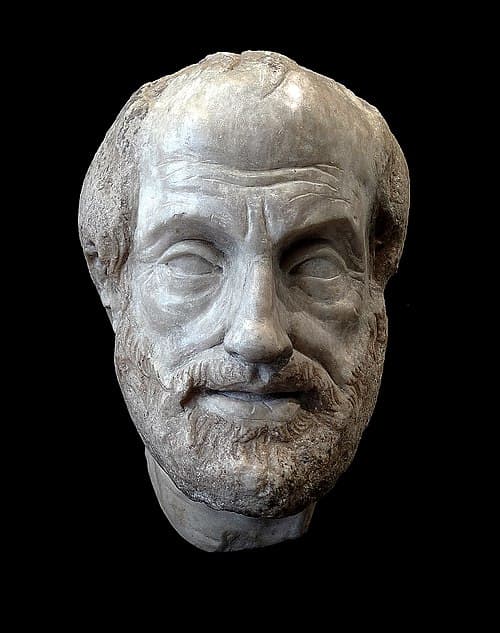
Ah, Aristotle! He came to me very young, at seventeen, and stayed nearly twenty years. He was my brightest student, an extraordinary mind. And do you know what? He ended up contradicting me! I said that Ideas, like Beauty, exist in another world, separate from things. He replied: no, beauty is IN the flower, not elsewhere. We disagreed completely. But I was not angry; quite the opposite. A good teacher does not produce copies of himself. He forms minds free enough to dare contradict him.
—If people remember you a very long time from now, what would you like them to remember?
What a beautiful question to end with... I would like them to remember this: never be content with shadows. My whole life, since the death of Socrates, I have tried to look toward the light, toward the true and the just. You two, who came to talk to me today, are already doing philosophy: you ask questions, you do not take everything on faith. Keep it up! The world needs people who dare to turn around in the cave. As long as a child somewhere dares to ask "why?", then, you see, I will never be entirely dead.
As long as a child dares to ask "why?", I will never be entirely dead.
Read further
This imaginary interview was generated by artificial intelligence from sources documented in Plato's profile. It dramatises what the figure might have said based on what we know about them, but does not constitute attested historical testimony. For primary sources and factual documentation, refer to the full profile.