Imaginary interview with Sarah Vaughan
by Charactorium · Sarah Vaughan (1924 — 1990) · Music · 5 min read
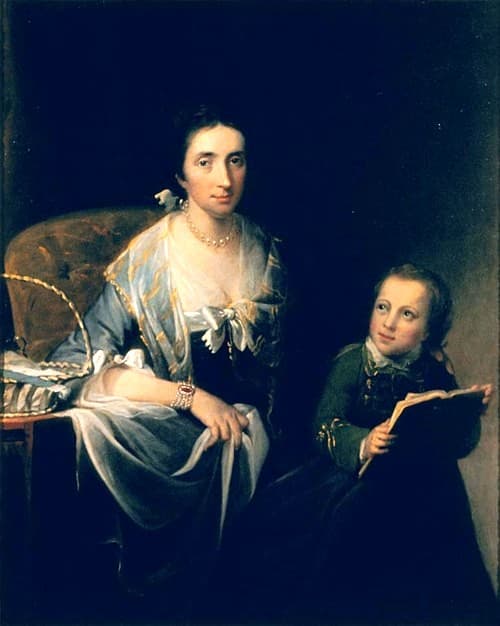
New York, an evening in 1982. In a dressing room still warm from the stage lights, a woman in a dark satin dress sets down a cup of cold coffee. Sarah Vaughan, 'The Divine One,' agrees to trace back the thread of a life that began one October night in Harlem.
—Do you remember the night everything changed, at the Apollo?
October 1942. I was eighteen, and my legs were like jelly as I stepped onto the stage of the Apollo Theater in Harlem for Amateur Night. I sang Body and Soul — I'd known it since the church choir in Newark, where I accompanied myself on the piano, self-taught. That night I wasn't trying to win a contest; I was just trying not to shake. And then I knew, from the way the audience held its breath, that something had taken hold. In the audience was Billy Eckstine; he recommended me to Earl Hines a few weeks later. You never know, when you step onto a stage, who's really listening in the dark.
You never know, when you step onto a stage, who's really listening in the dark.
—What did singing in such a place mean to the young girl from Newark?
I grew up in a devout African American family, and my first stage was the choir at Mount Zion Baptist. Gospel teaches you one thing that neither music theory nor studios give you: to sing to be believed, not just listened to. When I set foot on the boards of the Apollo, it wasn't a springboard in my mind; it was a Sunday transposed to a Saturday night. I once told a reporter from Down Beat: 'I never sing a note I don't feel. Every song is a story, and I have to live it before I can pass it on.' That came straight from that church where I learned that the voice doesn't lie.
Gospel teaches you to sing to be believed, not just listened to.
—How did your voice meet be-bop?
In Earl Hines's orchestra, then with Billy Eckstine, I found myself sitting next to guys who were reinventing everything: Charlie Parker, Dizzy Gillespie. Be-bop was frantic tempos, harmonies that took detours, and a huge space left for improvisation. Other female singers stayed obediently on the melody; I listened to Bird's saxophone and thought: why can't the voice do that too? I started bending my phrases like a brass instrument, holding a long vibrato where a clean word was expected. No one had ever heard a voice behave like an instrument. That's when I became myself.
I listened to Bird's saxophone and thought: why can't the voice do that too?
—What was happening inside you when you improvised on stage at Birdland?
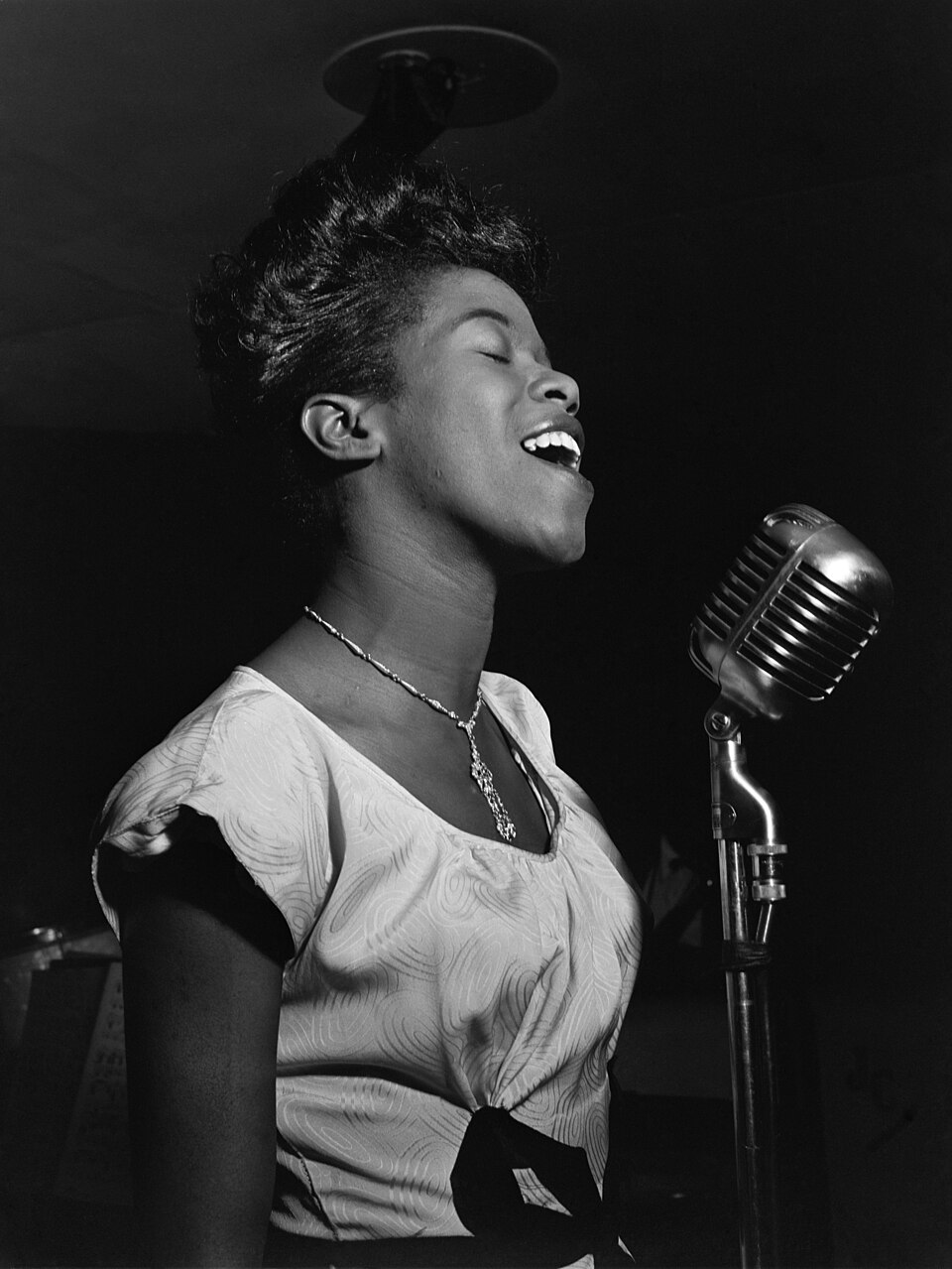
The Birdland club on Broadway was named after Parker's nickname, 'Bird' — saying I forged my legend there makes me smile, because in the moment you only think about the next note. When I recorded Lullaby of Birdland live in 1954, I remember letting go of the sheet music like letting go of a handrail: scat takes over, nonsense syllables become a conversation with the pianist. My voice spanned over three octaves, from contralto to soprano, so I allowed myself leaps I wouldn't have dared on a tame lead sheet. Improvising isn't getting lost. It's knowing the house so well you can walk through it in the dark.
Improvising is knowing the house so well you can walk through it in the dark.
—You were adored, yet humiliated in your own country. How did you live with that contrast?
They called me The Divine One, voted me best female vocalist of the year in Down Beat, and that same month I had to enter through the service door of a hotel where I was singing that very night. The Jim Crow laws didn't bow to applause. On the road, we traveled with the Negro Motorist Green Book, that little guide that showed where a Black artist could sleep and eat without being chased away. You go on stage a queen and come off a second-class citizen. That wound doesn't get recorded on any record, but it's in the grain of many ballads I sang.
You go on stage a queen and come off a second-class citizen.
—And Europe, what did it offer you that America denied?
In 1957, my European tour was a breath of fresh air. In Paris, I sang at Salle Pleyel before an audience that didn't first see the color of my skin but first heard my voice. I was received there as a first-rate artist, in grand hotels, through the front door — which, back home, was still a miracle. I'm not saying the old continent was paradise; I'm saying I was allowed to breathe there. Strange fate to be freer five thousand miles from your native land. It teaches you that dignity is not an acquired right: it's a shifting geography.
Strange fate to be freer five thousand miles from your native land.
—Where did the nickname 'Sassy' come from, given by your musicians?
'Sassy' — the cheeky one — came from the guys in the band, because of my temper and a humor I could never keep on a leash. Critic George Trow, on the other hand, preferred The Divine One, for the range of the voice. But between us, backstage, I was Sassy, the one who would sit at the upright piano to show the arrangers exactly the chord I wanted, no discussion. I was a pianist before I was a singer; I read my own harmonies and annotated my scores with variations I kept to myself. A woman who knows what she wants at the keyboard, in that male-dominated world, they call her cheeky. I called it working.
A woman who knows what she wants at the keyboard, they call her cheeky. I called it working.
—What were your nights like, once the stage went dark?
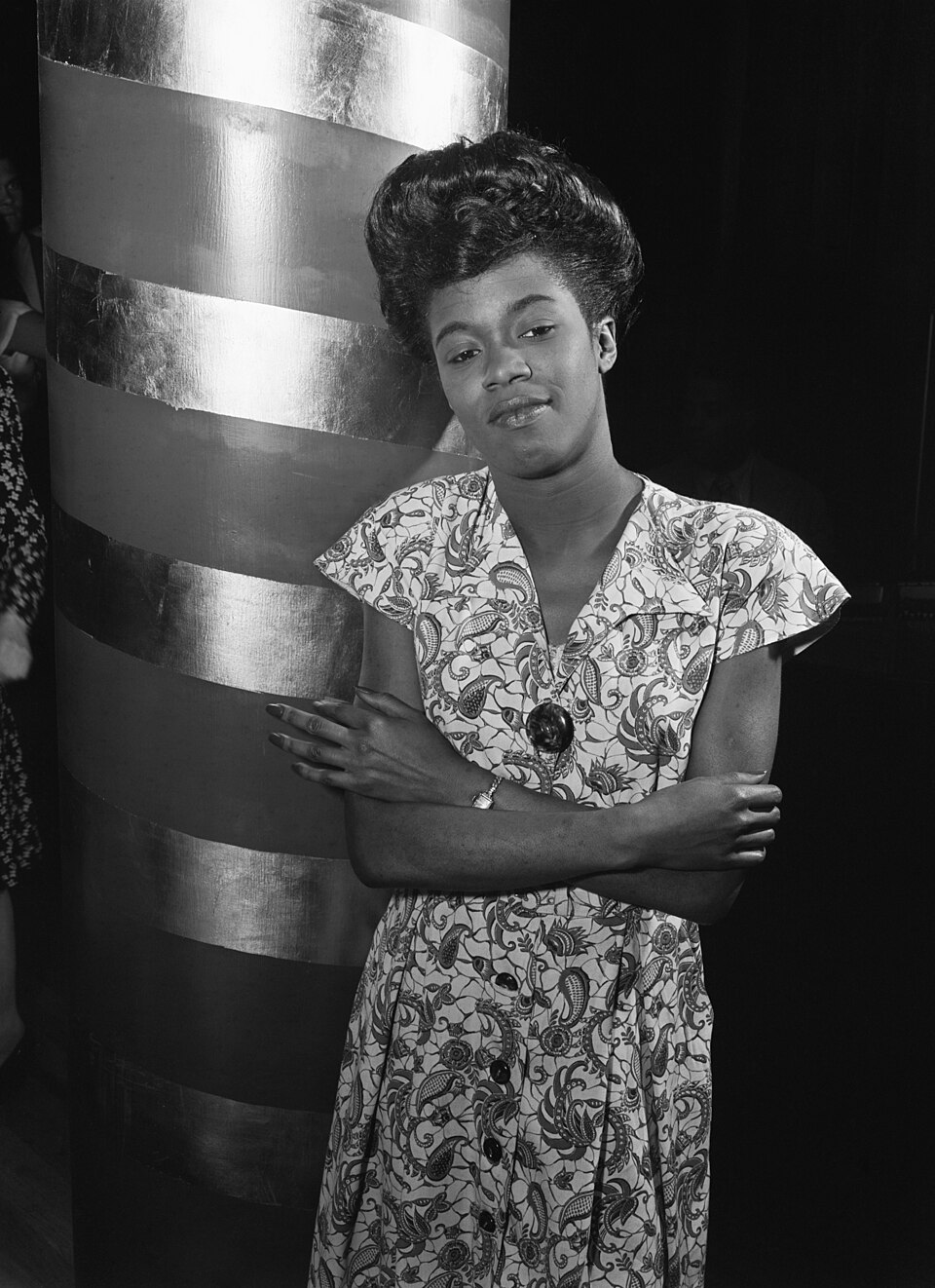
My days rarely started before noon — strong coffee, the culture pages of the newspaper, sometimes an hour at the piano turning a harmony over every which way. But real life was nocturnal. After the concert, you didn't go home to bed: you joined fellow musicians in clubs for jam sessions that stretched until dawn. It was there, in those informal sessions where no one kept score, that be-bop had matured a few years earlier, in the basements of Harlem. We ate late, often soul food, fried chicken, Southern stews. We slept when the sun came up. An irregular life, yes, but tuned to the music.
In those sessions where no one kept score, be-bop had matured.
—Let's talk about that gamble that was your version of 'Send in the Clowns.' What were you thinking?
Send in the Clowns was originally just a show tune by Stephen Sondheim. In 1981, when I recorded it, I decided not to sing it as a theater song but to dismantle it, to wander freely through it, far from the original melody. Some must have thought I was going to betray the piece; in truth I wanted to find the jazz ballad hidden inside it, a meditation rather than a number. It earned me a Grammy Award in 1982. Sondheim himself said my version surpassed all others — from a man whose work it was, that admission touched me more than the statuette.
I wanted to find the jazz ballad hidden inside it, a meditation rather than a number.
—After so many years, what would you say to the little girl from Newark if she saw you today?
I would tell her what I said last year when receiving my lifetime achievement award: 'I sang all my life because I didn't know how to do anything else. But if I'd known it would lead me here, I would have started even earlier.' From Tenderly in 1947 to this stage, there were the ribbon microphone of the early studios, the 78s recorded three minutes per side, the satin dresses and sleepless nights. The kid who learned piano on her own, at church, imagined none of this. Above all, I'd tell her never to sing a note she doesn't feel. The rest, the voice takes care of.
Above all, I'd tell her never to sing a note she doesn't feel.
This imaginary interview was generated by artificial intelligence from sources documented in Sarah Vaughan's profile. It dramatises what the figure might have said based on what we know about them, but does not constitute attested historical testimony. For primary sources and factual documentation, refer to the full profile.