Kids interview Wu Zetian
by Charactorium · Wu Zetian (624 — 705) · Politics · 5 min read
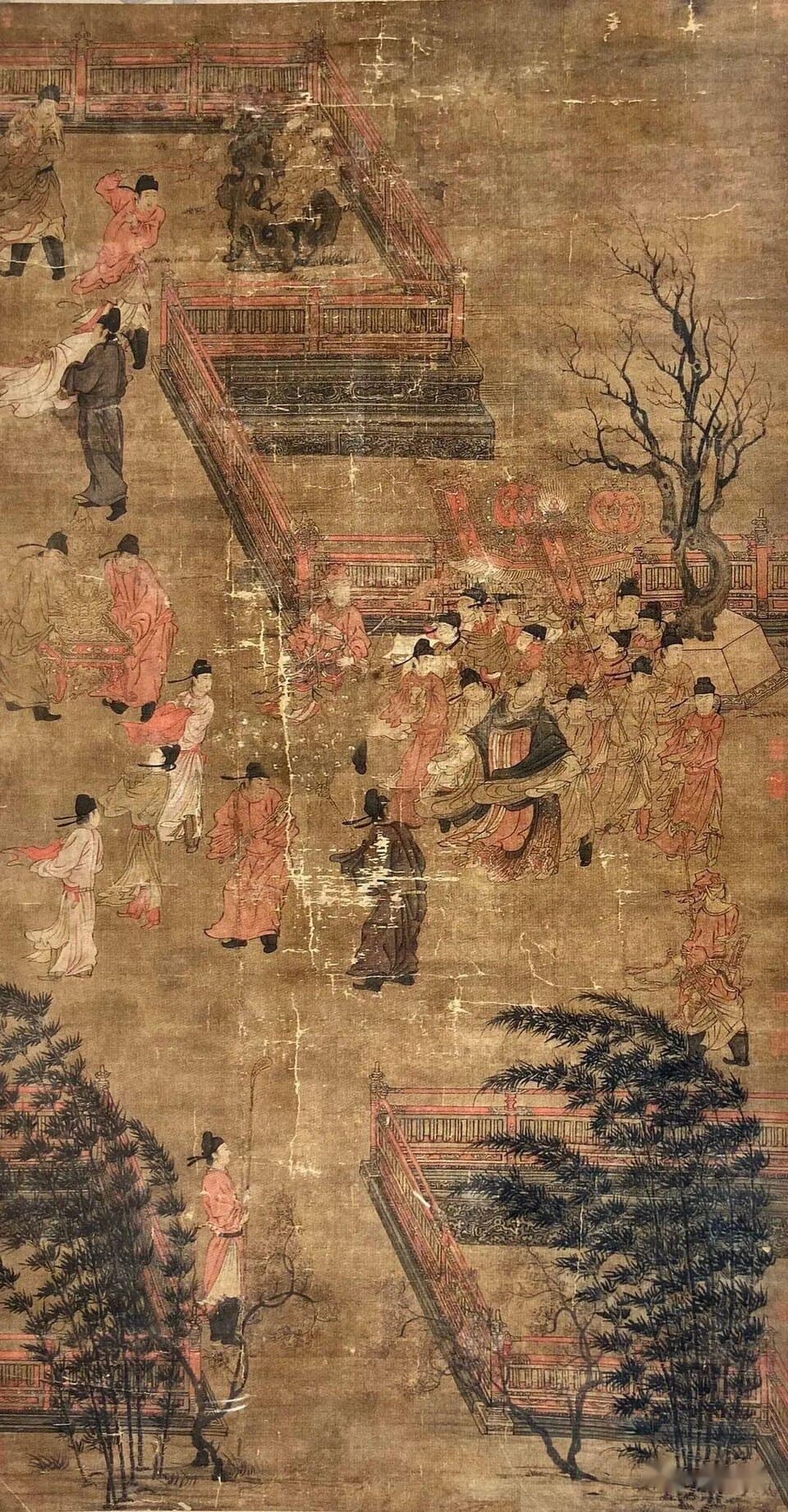
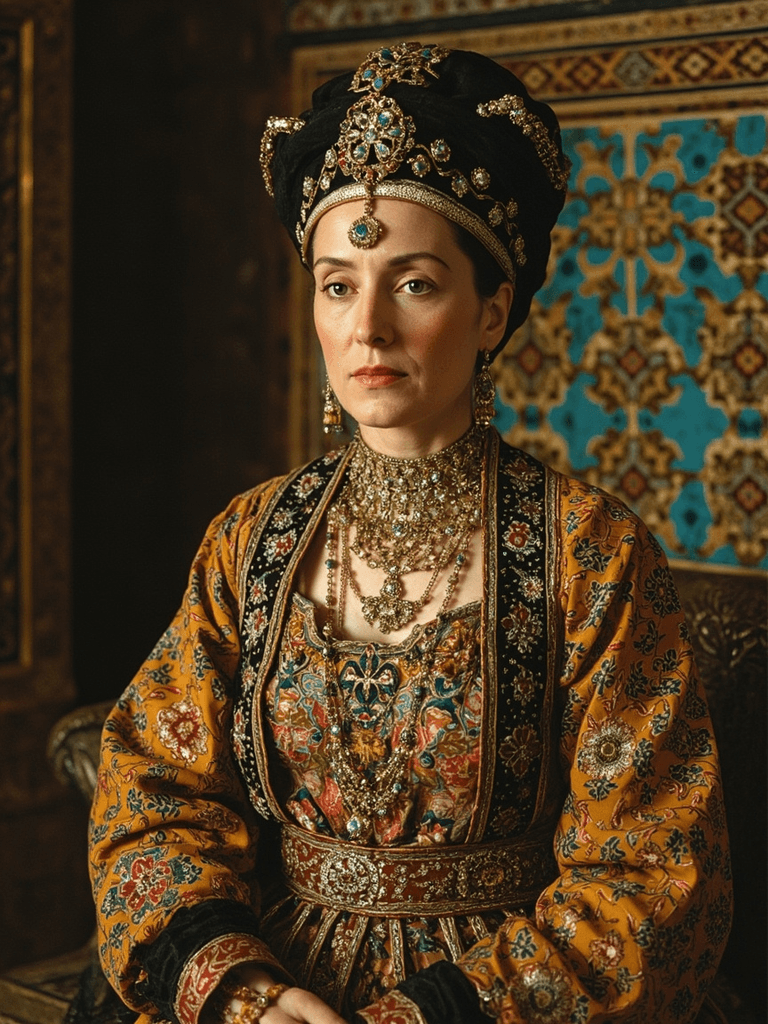
That morning, two young visitors enter a great hall with red columns. At the far end, on a dark wooden seat, an old woman with a sharp gaze awaits them. She motions them closer and smiles: 'Ask me your questions, my curious little ones.'
—How old were you when you first entered the palace?
You know, my child, I was only 14. Imagine a little girl from the Shanxi region in the north, taken far from her family. I arrived as a concubine of Emperor Taizong — a concubine is a palace lady, but not a wife, a rank below. The corridors were immense, smelling of incense and polished wood. My heart was beating fast. But already, I watched everything. I noted who spoke to whom, who was afraid of whom. A child who observes in silence learns faster than a minister who talks.
A child who observes in silence learns faster than a minister who talks.
—What was it like the day you actually ascended the throne?
Ah, that day! It was in 690. Imagine a hall filled with men in purple robes — the sovereign's color — and all watching me ascend toward the Dragon Throne. No woman before me had ever sat there. Never. I held the great Imperial Seal in my hands, the stamp that makes an order true and binding. My hands did not tremble, but I felt the silence weigh like stone. Many were shocked. I then founded my own dynasty, the Zhou. That day, I broke a thousand years of custom.
No woman before me had ever sat on the Dragon Throne. Never.
—Were you afraid the nobles would revolt against you?
Of course, my child. Imagine a house full of people smiling before you and grumbling as soon as you turn your back. That was my court. The great noble families did not accept that a woman hold the Imperial Seal. They said it was not the Mandate of Heaven — for them, power must come from the gods, and never from a woman. So I had to be more careful than them, and quicker. Fear, you see, I did not chase it away. I used it like a lamp: it kept me from falling asleep.
Fear, I did not chase it away. I used it like a lamp.
—Why did you want poor people to become officials?
Because talent does not grow only among the rich, my child! Imagine a village boy, as smart as ten, but born into a nameless family. Before me, he had no chance. So I strengthened the imperial examinations: tests that judge what you know, not who your grandfather was. As early as 692, I opened these competitions more widely. The old noble families were furious — they were losing their place. But I gained loyal officials who owed me everything. That is bureaucracy: running the empire with chosen servants, not inherited ones.
Talent does not grow only among the rich.
—How did one pass an exam in your time?
Ah, one had to work hard, my child! Imagine a large hall, hundreds of men seated, each with his brush and Chinese ink. They were asked to know the old texts by heart, to write fine arguments, to govern well on paper. I myself loved letters and calligraphy — the art of tracing beautiful characters. The one who succeeded received a post, sometimes far from home. It was not the father's money that opened the door. It was the student's effort. And that, you see, changes an entire empire.
It was not the father's money that opened the door, it was the student's effort.
—Is it true you said you were some kind of goddess?
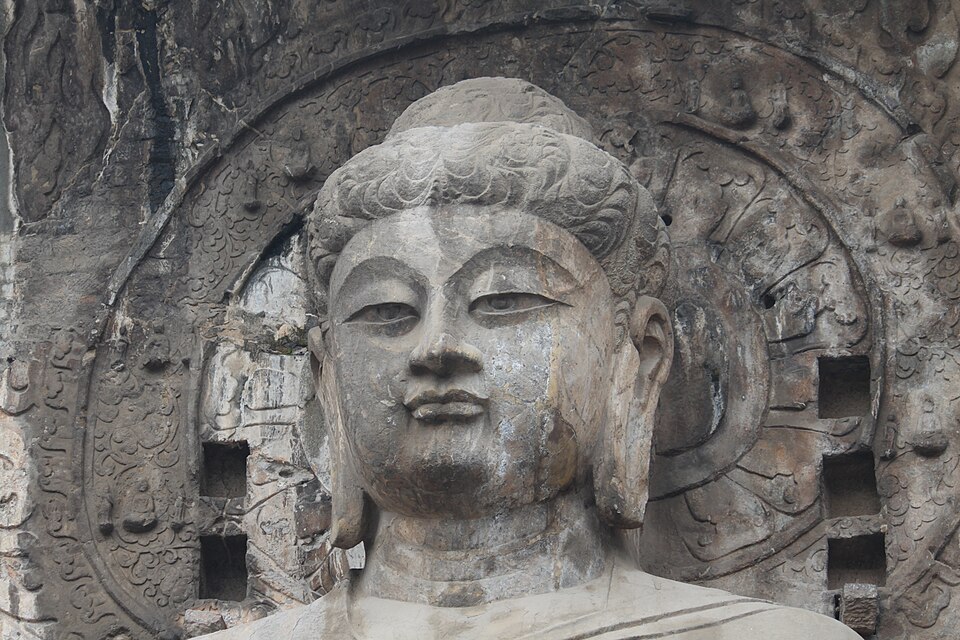
Not exactly, my child, but you are close. To explain to the people why a woman could rule, I said I was the envoy of the Buddha Maitreya — a great sage that Buddhists await. Imagine that in every village, they tell that your sovereign is blessed by Heaven: people obey you with their hearts, not just out of fear. I had temples built, here in Luoyang, and supported the monks. Religion was my way of proving my legitimacy — my right to rule. When tradition is not on your side, you must find another light.
When tradition is not on your side, you must find another light.
—Why did you build so many Buddhist temples?
For two reasons, my child. The first is that I truly loved Buddhism: its peaceful statues, its texts copied by the monks at the White Horse Monastery, near Luoyang. The second, I confess, is more cunning. Imagine a great golden statue that everyone comes to admire, and at its base, my name as protector. Each temple said without speaking: 'She is the one watching over you.' The Confucianism of the old scholars reproached me for being a woman in power. Buddhism, on the other hand, opened its arms wide. So I chose my friends.
Each temple said without speaking: she is the one watching over you.
—Is it true you had spies everywhere?
Yes, my child, and I will not lie to you. Imagine a court where every smile may hide a plot. To protect myself, I had a network of men who listened, watched, denounced. They were called informers — people paid to report what others were plotting. It was feared, and sometimes unfair, I know. An old chronicle wrote that I ruled 'with an iron hand.' That is not false. But understand: they wanted my downfall every day. Whoever drops their guard at court often ends up without a head.
Whoever drops their guard at court often ends up without a head.
—It must be horrible to have to punish even your own family, right?
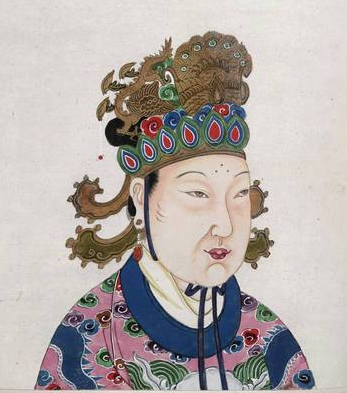
Yes. It is the darkest part of me, and I do not hide it. Imagine having to choose between your power and your children. I removed, sometimes harshly, rivals who threatened my throne — including within my own family, within my own Zhou dynasty. When you hold the Imperial Seal, every relative can become a danger. I will not tell you I was right. Absolute power, you see, is a sweet poison: you always want a little more, and it burns what you love. Remember that, my child.
Absolute power is a sweet poison: it burns what you love.
—Why did you abandon the throne at over 80 after struggling so much?
Because a wise person knows when the sun sets, my child. In 705, I was over 80, my body tired after decades of struggle. I chose to abdicate — to step down — without shedding blood. My son restored the Tang dynasty. Imagine an old tree bending gently instead of breaking in the storm. That is what I did. I withdrew, at peace. Later, they laid me beside my husband, in the great tomb of Qianling. Leaving at the right time is also a victory.
A wise person knows when the sun sets.
—What would you like to be remembered for today?
One simple thing, my child. That a girl from Shanxi, who entered the palace at 14 as a concubine, became the only woman to sit on the Dragon Throne. Not for jewels, nor silk robes. But because I dared where they said 'impossible.' I opened the exams to the poor, built temples, ruled a vast empire. I did good and evil, like all the powerful. If you remember one lesson from this old lady: never let someone else decide for you what you cannot become.
Never let someone else decide for you what you cannot become.
This imaginary interview was generated by artificial intelligence from sources documented in Wu Zetian's profile. It dramatises what the figure might have said based on what we know about them, but does not constitute attested historical testimony. For primary sources and factual documentation, refer to the full profile.