Imaginary dialogue between Empereur Tang Xuanzong and Wu Zetian
by Charactorium · Wu Zetian (624 — 705) · Politics · 5 min read
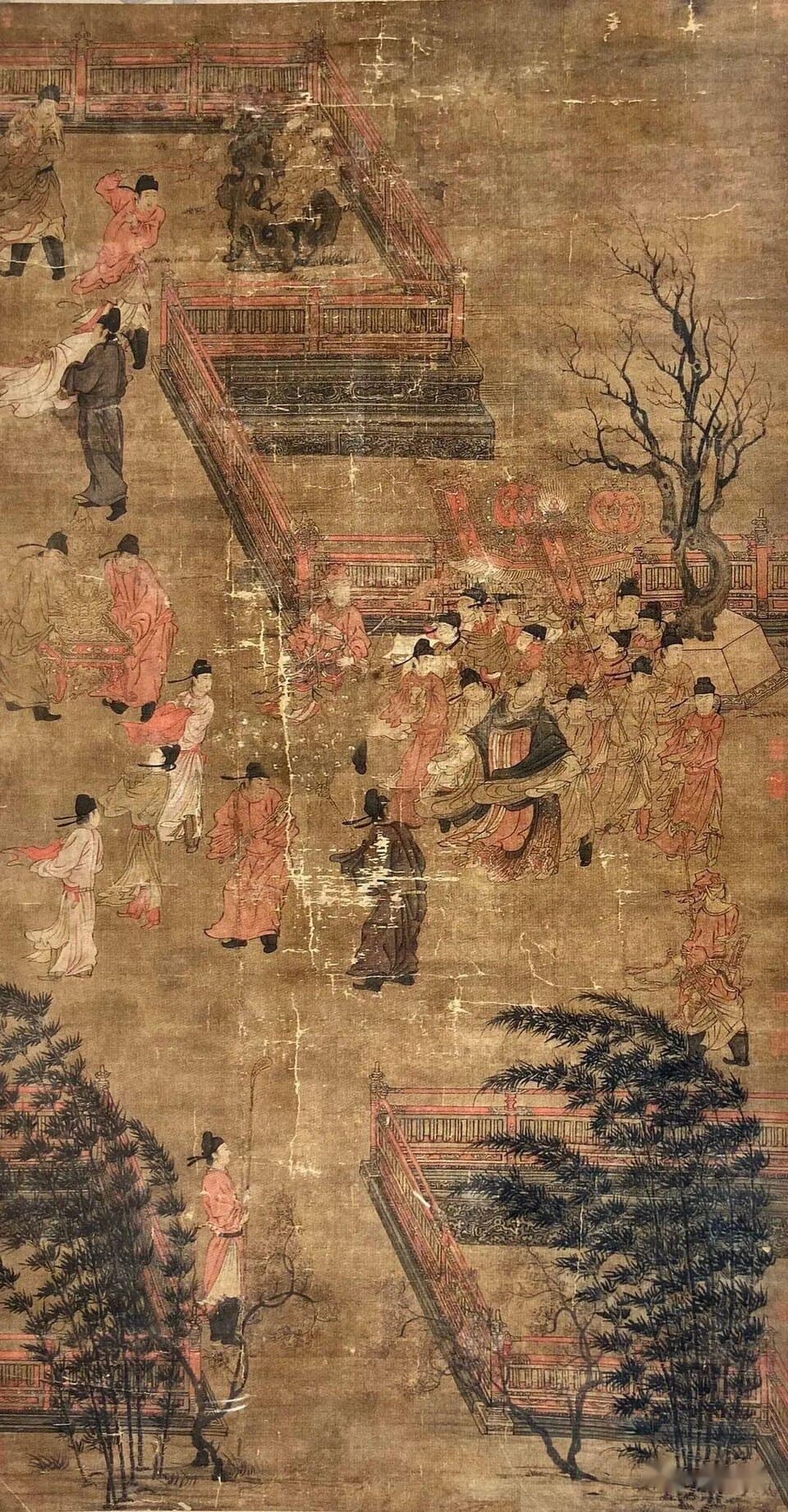
It is in a pavilion of the gardens of Luoyang, on a late autumn afternoon in the year 704, that the young prince Li Longji — future Tang Xuanzong — comes to sit beside his grandmother. Incense rises from bronze burners while in the distance ring the bells of a monastery she had built. He grew up in the shadow of her reign, torn between admiration for the sovereign and anxiety for his own kin. He comes to listen, before it is too late, to the one no one has dared to question face to face.
—Grandmother, you who saw me born in the palace, tell me: in 690, what did you feel when you alone ascended the Dragon Throne?
You who played as a child under the columns of this hall know what that throne is. When I sat upon it in 690, it was not elation I felt, but the weight of the ministers' silence. No woman before me had received the imperial seal in her own name. I had been a concubine under Taizong, a wife under Gaozong — always behind a man, always one step below. That day, I ceased to be a shadow. The aristocracy gritted their teeth; some thought me mad or cursed. But Heaven did not strike me down. I understood then that a crown is not received: it is taken, and above all, it is kept.
A crown is not received: it is taken, and above all, it is kept.
—It is still whispered that you were born without rank to rule. How did you silence those who challenged your legitimacy?
They reproached me for my blood, my birth in Shanxi, my passage through the harem. But what is legitimacy, my child? It is not a lineage carved in marble; it is an empire that stands firm, granaries full, and borders guarded. I let the whispers speak and I governed better than those who thought themselves born to it. To every revolt, I answered with order; to every doubt, with an edict enforced. When the people eat and the army is paid, the genealogists fall silent. Legitimacy, I did not inherit it — I built it, day after day, dossier after dossier.
When the people eat and the army is paid, the genealogists fall silent.
—You opened the imperial examinations to the sons of peasants. Why did you prefer new men over the great families that still surround me?
The great families, my child, serve only themselves — they inherit offices as one inherits a field. I wanted a court where one rises by intellect, not by name. In 692, I expanded the civil service examinations so that the son of a merchant or a poor scholar could don the official's cap. Those men owed me everything: their loyalty was worth more than that of aristocrats who plotted in their estates. Thus I weakened the old houses and built a bureaucracy that obeyed me. Remember this when you reign: talent that is raised up is more faithful than rank that is flattered.
I wanted a court where one rises by intellect, not by name.
—But there is also whispering about your informers, your spies in every province. Was that shadow truly necessary for your reign?
You ask the question that no one dares, and it is good that you ask it before you reign yourself. Yes, I maintained a network of informants; yes, conspiracies were denounced to me before they could hatch. I was feared for that, and I will not deny it. A throne taken against tradition must defend itself against a thousand invisible knives. The same hand that opened the examinations to merit also held the list of suspects — these are two sides of the same prudence. Do not think one governs an empire with the sole virtue of Confucian books. I protected the state, sometimes by striking hard. History will judge the balance; I survived fifteen years.
The hand that opened the examinations to merit also held the list of suspects.
—You proclaimed yourself the reincarnation of the Buddha Maitreya. Did you truly believe in that sign from Heaven, or was it merely a weapon?
Why must one choose, my child? Faith and strategy are not enemies. The Mandate of Heaven has always legitimized the sovereign — but that mandate spoke the language of men, and I was not a man. So I sought my legitimacy elsewhere, in Buddhism, where a woman could embody salvation. Presenting myself as Maitreya descended among the people offered the masses a reason to love me that the literati could not forbid. I funded temples, supported the translation of sutras, erected statues. Religion was my bridge to the people when the aristocracy closed its doors. Believe me: a throne needs Heaven as much as it needs soldiers.
Faith and strategy are not enemies.
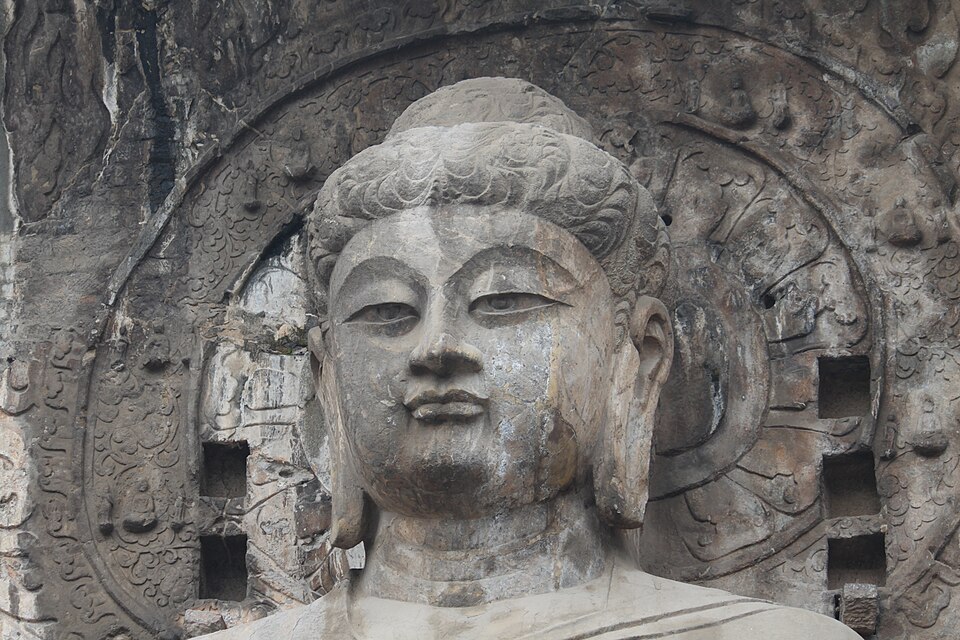
—You made Luoyang, where we speak tonight, your capital of the heart. Why abandon Chang'an and its palaces?
Look around you: these gardens, these bells, these canals — I loved Luoyang as one does not love an inherited city. Chang'an was the city of the Tang, peopled with the ghosts of my in-laws and the great houses that barely tolerated me. Here, I built my own capital, my own monuments, my own Zhou dynasty. Every dawn, reports from officials were brought to me before the sun touched the rooftops; in the afternoon, I presided over the imperial council. Luoyang was the theater of my power, not its prison. One governs better from a city one has shaped oneself than from that of another's ancestors. You will understand that, too, when the day comes.
I loved Luoyang as one does not love an inherited city.
—As a child, I saw you receive ministers before dawn. Where did you get the endurance to bear the entire empire alone?
You remember those gray mornings when officials waited in the antechamber while you still slept? The empire never sleeps, my child, and neither does the sovereign. Before dawn, I examined memorials; my maids prepared me while I read. The afternoon belonged to the council, audiences, rituals. Only in the evening did I return to my apartments for a little sweetness — music, trusted advisors. That endurance came not from my woman's strength, but from my fear: a throne that one relaxes for an instant, one loses. I carried the empire as one carries a feverish child — without ever setting it down. That is the price no one sees behind the purple.
A throne that one relaxes for an instant, one loses.
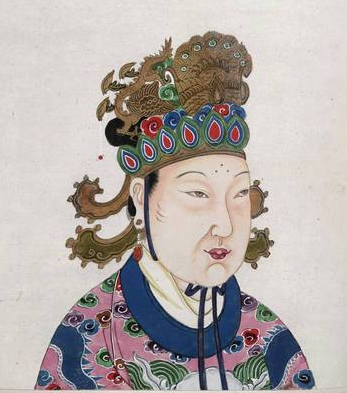
—Grandmother, I must ask: you are accused of striking even your own, your own sons. How do you live with that weight?
I knew this question would come from you, and from you alone I accept to hear it. Yes, power cost me beings of my blood; yes, sons were set aside, exiled, some broken. Do not think I say this without a shadow in my heart. But understand this: around the throne, the bond of blood becomes a dagger as much as a cradle. He who could succeed me could also overthrow me. I chose the state over the mother I might have been. I do not ask you to absolve me — you are well placed to know what those choices cost. I only ask you to remember, when your turn comes, that solitude is the true throne.
Around the throne, the bond of blood becomes a dagger as much as a cradle.
—You speak as if the end were near. Are you truly considering ceding power and letting the Tang return?
I am over eighty years old, my child, and I do not deceive myself. One day soon, I will return the seal — not torn from me by revolt, but of my own hand, with dignity. The Zhou dynasty was my work, but I know the seasons: none lasts forever. I will retire far from court, perhaps near a monastery, where the clamor of audiences no longer reaches. What will remain are not titles: it is the administration I built, those officials chosen by merit who will serve you. Power I took by force; I wish to leave it by wisdom. Be the one who gathers what I have sown.
Power I took by force; I wish to leave it by wisdom.
—One last thing, grandmother: what would you like carved on the stele of your tomb at Qianling?
Do you know what I decided, my child? That the stele remain bare. Not a word, not a carved eulogy. Edicts were written in my name, chronicles will praise or curse me, but on the stone erected near Gaozong, I want silence. Let me be judged on what I did, not on what a scribe chiseled to flatter or blacken me. Words grow old, flattery turns, and no one knows what generations will say of me. A woman who made herself emperor needs no epitaph: her reign is her epitaph. Leave the stone empty, and let the living fill it.
A woman who made herself emperor needs no epitaph: her reign is her epitaph.
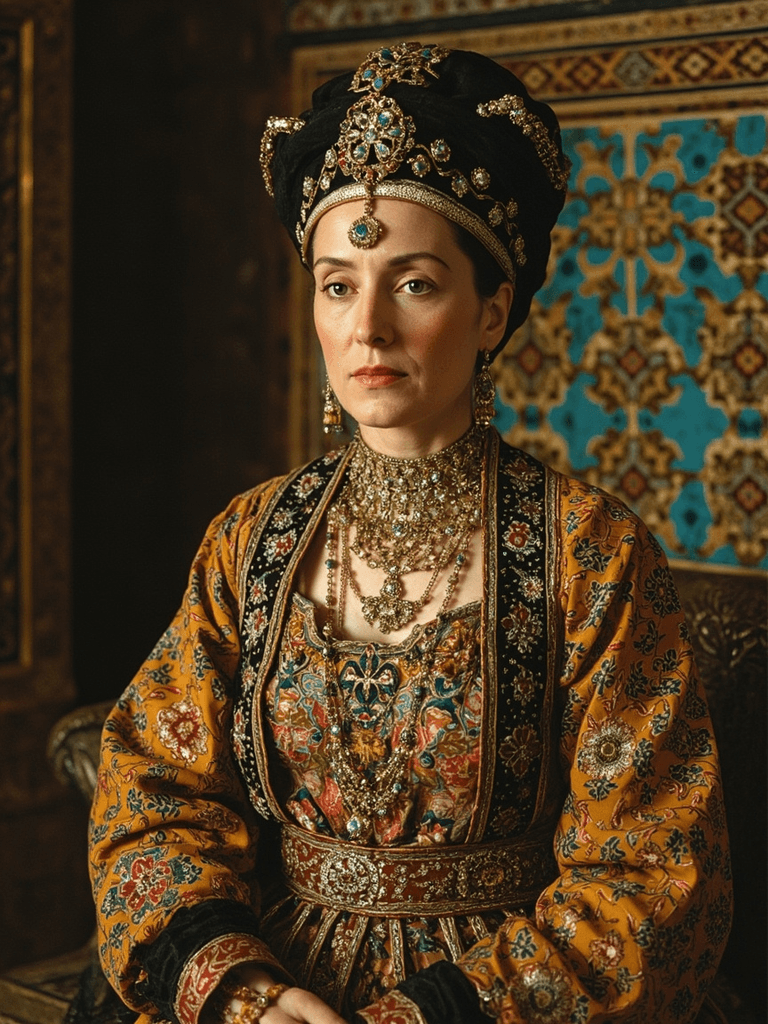
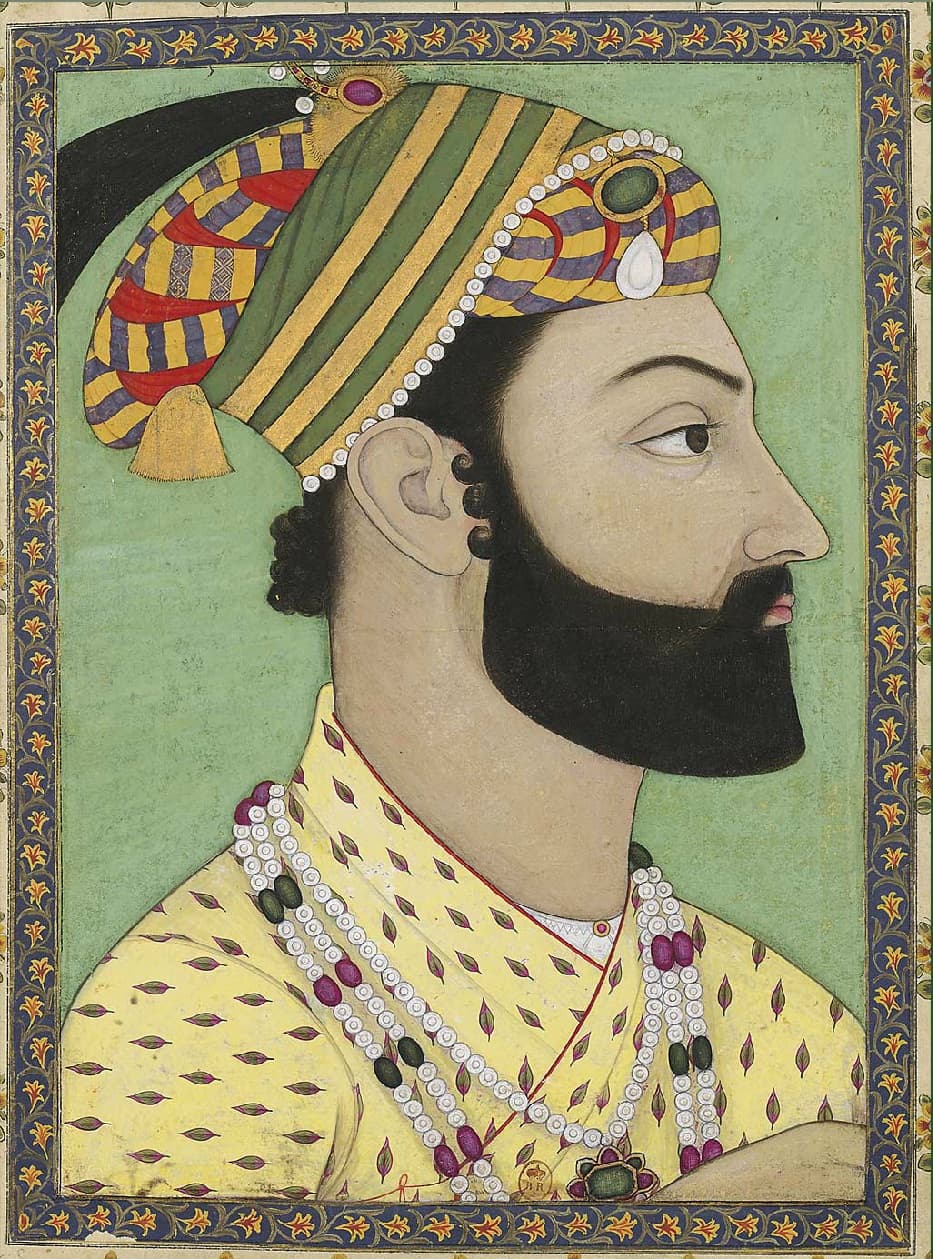
This imaginary interview was generated by artificial intelligence from sources documented in Wu Zetian's profile. It dramatises what the figure might have said based on what we know about them, but does not constitute attested historical testimony. For primary sources and factual documentation, refer to the full profile.