Imaginary interview with Wu Zetian
by Charactorium · Wu Zetian (624 — 705) · Politics · 6 min read
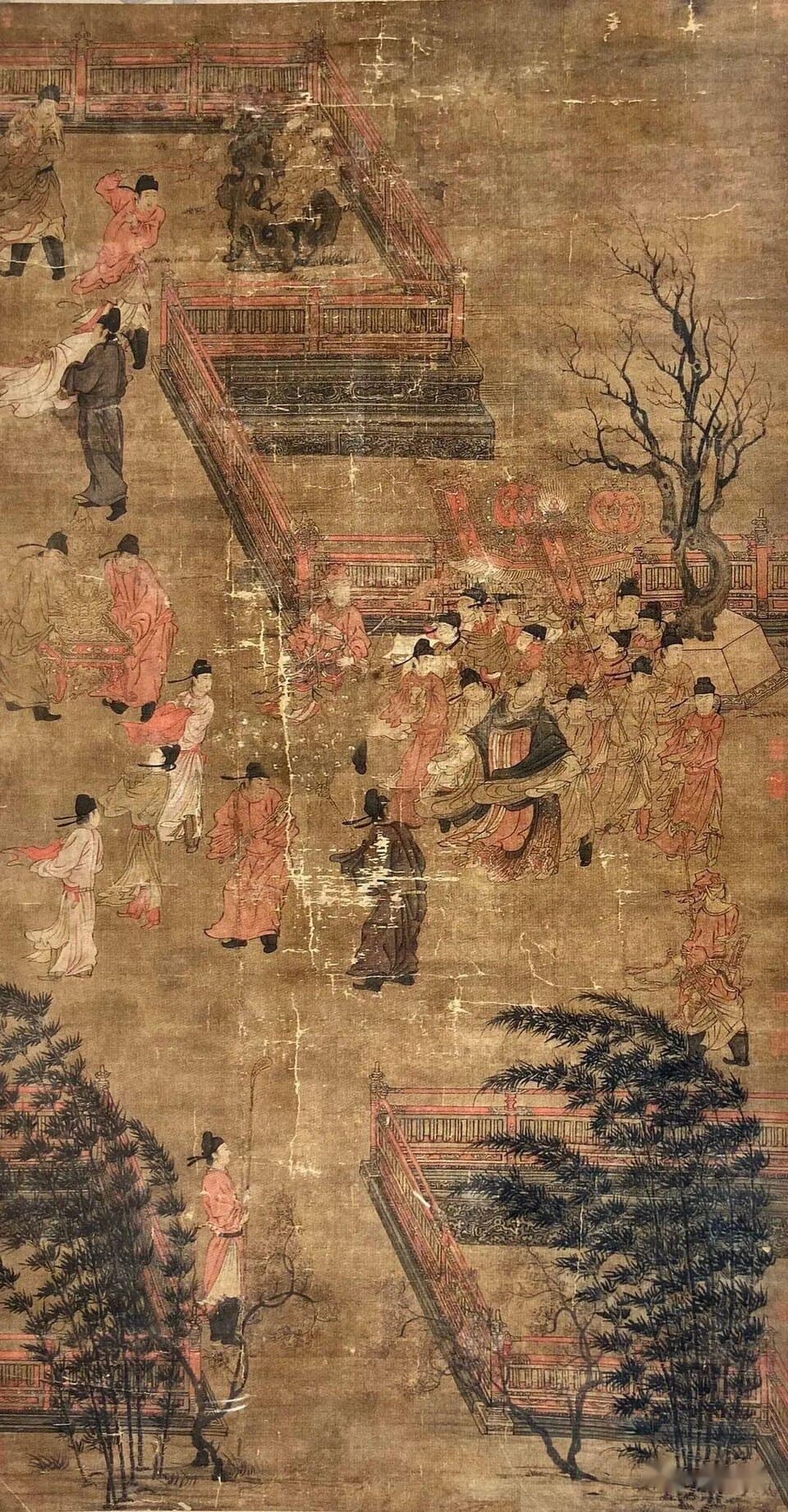
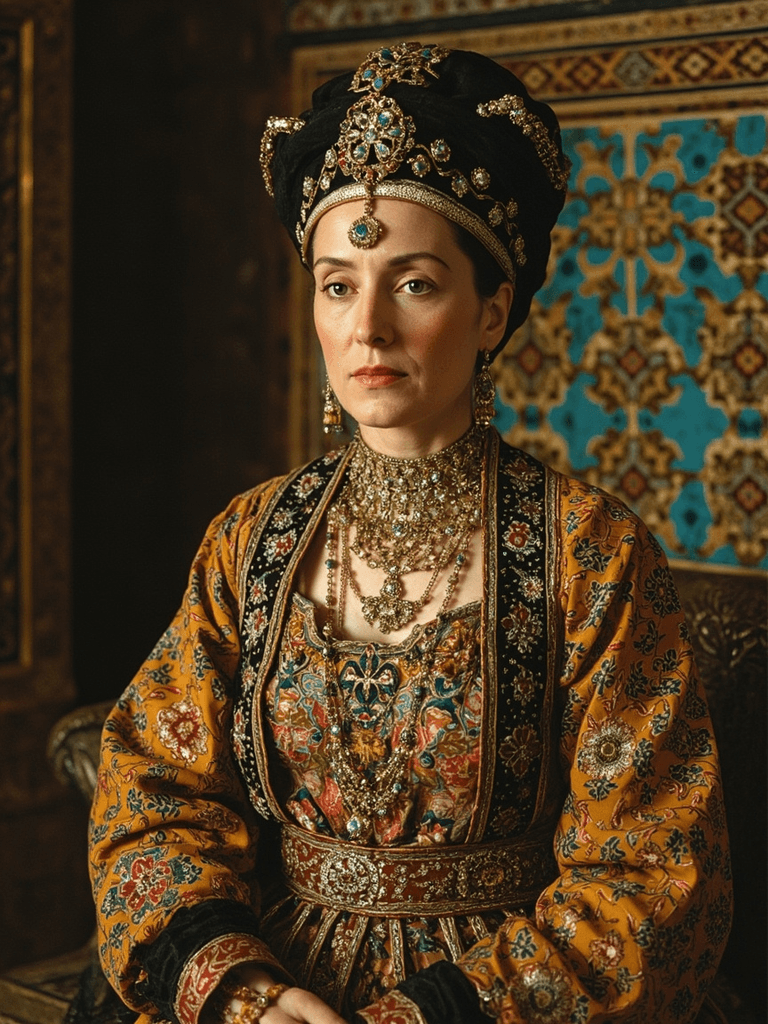
Luoyang, a winter dawn, at the end of the first decade of the 8th century. In a palace hall where sandalwood incense mingles with the cold of Henan, an old woman receives, draped in purple, her face still marked with authority. She was concubine, wife, regent, then emperor — and agrees, for once, to speak in the first person.
—Can you take us back to the day you founded your own dynasty?
It was the year 690, in Luoyang, which I had chosen as my capital rather than old Chang'an. The omens had accumulated like bricks stacked before raising a wall: engraved stones brought up from the river, memorials from officials, petitions from the people. Heaven, it was said, was withdrawing its mandate from the Tang to place it on me. I took the great imperial seal in my hands, that seal that authenticates every edict, and proclaimed the Zhou dynasty. Understand this: I did not steal a throne, I answered a call that the ancients called the Mandate of Heaven. A woman seated where no woman had sat — the order of the world was not broken, it was fulfilled differently.
I did not steal a throne, I answered a call that the ancients called the Mandate of Heaven.
—How did the court nobility welcome a woman on the Dragon Throne?
The Dragon Throne had never borne a woman since China was China. When I sat on it, I felt the entire audience hall freeze — those old aristocratic families who held their rank by birth and believed they held it from Heaven itself. They murmured that order was overturned, that the rooster laid eggs instead of the hen. I wore the court costume in purple, reserved for the sovereign, and let them murmur. A throne is not defended by words but by deeds: I ruled for fifteen years, the borders held, the granaries filled. Tradition reveres order; yet order, under my reign, did not collapse. That is my only answer to their murmurs.
They murmured that the rooster laid eggs instead of the hen. I let them murmur.
—Why did you rely so heavily on examinations to recruit your servants?
Because an empire is not governed with family names, but with well-formed minds. As early as 692, I expanded the civil service examination system, opening doors to sons of peasants and minor scholars who would never have approached the court. Give a man of merit ink, a brush, and a question, and he will show you whether he is worth ten idle heirs. I elevated these talents, placed them in the bureaucracy, those officials through whom every state edict passes. The old aristocratic houses lost their monopoly — and that was precisely the goal. A servant I raised from nothing owes me everything; an aristocrat owes nothing but to his ancestors.
An empire is not governed with family names, but with well-formed minds.
—What do you say to those who judge your administrative reforms too harsh on the old nobility?
The chronicles will tell it their way — the Jiu Tang Shu report that I promulgated edicts on examinations and the selection of officials, strengthening the system. That is the dry word of the annalists. The truth I add is simpler: a great house that believes itself owner of the state ends up believing it is the state. I redistributed offices according to merit, reorganized the bureaus, centralized what was scattered. Yes, powerful families lost their hereditary seats. But look at the better-maintained roads, the treasury restored to order, agriculture encouraged: a people that eats does not revolt. Harshness toward a few privileged was gentleness toward millions. A good administrator prunes the tree, he does not caress it.
A great house that believes itself owner of the state ends up believing it is the state.
—Did you really present yourself as a sacred figure of Buddhism?
The people need to see Heaven somewhere, and the doctrine of the Buddha Maitreya offered that face. It was circulated that I was his announced coming, the righteous sovereign promised to the new times. Understand the necessity: a woman on the throne clashed with the teachings of the scholars of Confucianism, which place man above in everything. I needed a legitimacy that those old books refused me — I sought it from the sutras. I supported Buddhism as the state doctrine, funded temples and monasteries, and the people saw in their empress not a usurper, but the fulfillment of a prophecy. Piety and power, you see, often go hand in hand.
The people need to see Heaven somewhere, and Maitreya offered that face.
—What did the temples you built around Luoyang represent to you?
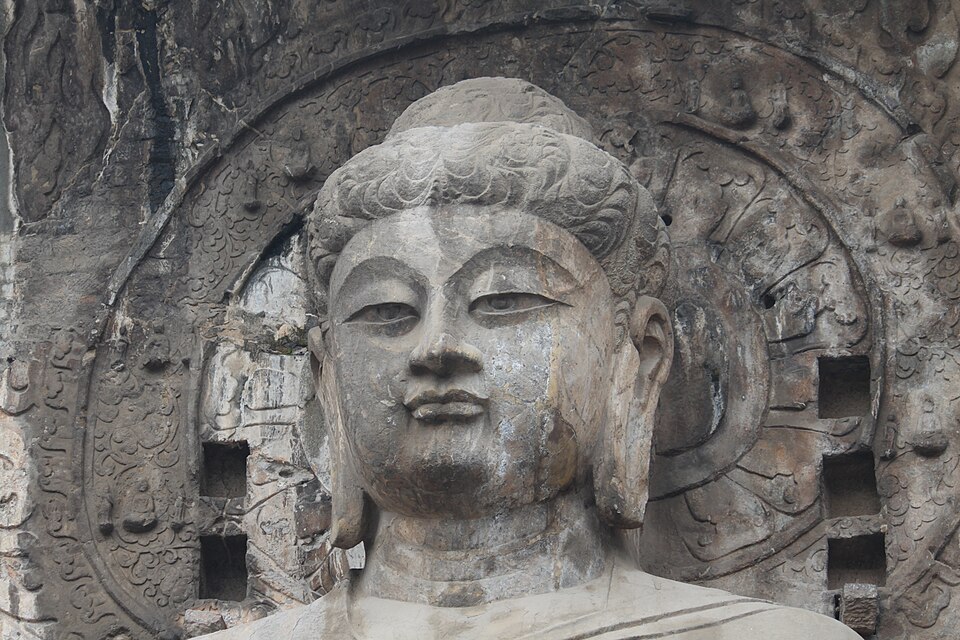
Stones that pray long after the voice is silent. I patronized great sanctuaries, supported the translation of sacred texts, had colossal statues erected. Near Luoyang, the old White Horse Monastery — said to be the oldest in the country — received my protection, its monks my gold, its copyists my encouragement. A temple is not just a roof for monks: it is an edict carved in rock, telling the passerby that the sovereign and Heaven are in accord. When I raised those curved roofs and golden Buddhas, I was also building my own legitimacy, but I sincerely believe I served the doctrine. Both can be true at once.
Stones that pray long after the voice is silent.
—It is said you maintained a network of informers. How do you explain that?
A sovereign without eyes is a sovereign already dead. I had against me humiliated families, disappointed princes, officials who dreamed of my throne. So yes, I maintained a network of spies and informers, encouraged anyone who wanted to denounce a plot before it matured. The old annalists write that I ruled with an iron fist and maintained order in the empire for decades — they do not lie. Fear is an instrument of government like the seal or the edict; misused it ruins, well used it prevents bloodshed. I preferred to discover ten betrayals and punish only one real one, rather than ignore a single one and lose the empire. The shepherd who sleeps saves no sheep.
A sovereign without eyes is a sovereign already dead.
—Your own sons suffered from your rise. How do you bear that weight?
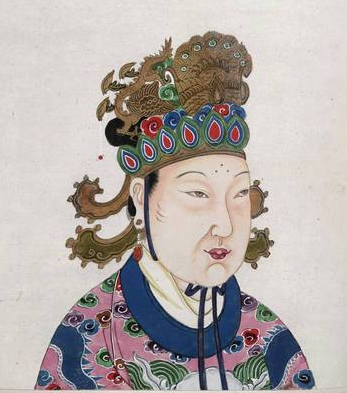
Upon Gaozong's death in 683, I became regent for my son, still too young in his office to hold it alone. What followed, the chronicles tell harshly: rivals set aside, princes demoted, my own children kept from the power they coveted too early. I will not deny the shadow. A throne is not a soft bed; it is a blade placed on the neck of the one who sits on it, and of all those around him. I had to choose between a mother's affection and the survival of an empire — and a sovereign who chooses affection delivers his people to chaos. Heaven weighs these things. I bore them knowing I would be reproached, and I still bear them.
A throne is not a soft bed; it is a blade placed on the neck of the one who sits on it.
—How did you manage to leave power while alive, at over eighty?
In 705, I was over eighty, and the body reminds the sovereign that he is only a man — or a woman. Rather than cling until the seal was torn from my cold fingers, I abdicated. The Tang dynasty was restored, my son Zhongzong returned to the throne, and the old order resumed its course. Many absolute sovereigns die clutching power like a miser his gold; I laid it down myself. I withdrew far from the tumult of audiences. There is dignity in recognizing Heaven's hour and bowing before it bows you by force. Ruling was a long battle; knowing how to leave it was perhaps my last victory.
Knowing how to leave power was perhaps my last victory.
—Where do you wish to rest, and what would you say to those who will judge your reign?
I will rest at Qianling, under the same mound as my husband Emperor Gaozong — for even the woman who ruled alone chooses to join her lord in death. The tomb is vast, befitting a reign; but whether or not my deeds are engraved on the stele, I leave time to decide. The annalists will call me clever and cruel, legitimate and usurper in turn; let them argue. I took the Dragon Throne that no woman had touched, I fed the empire and held its borders, I elevated men of merit above the great houses. If I am read in a hundred years, let them at least say this: she governed. The rest belongs to Heaven.
If I am read in a hundred years, let them at least say this: she governed.
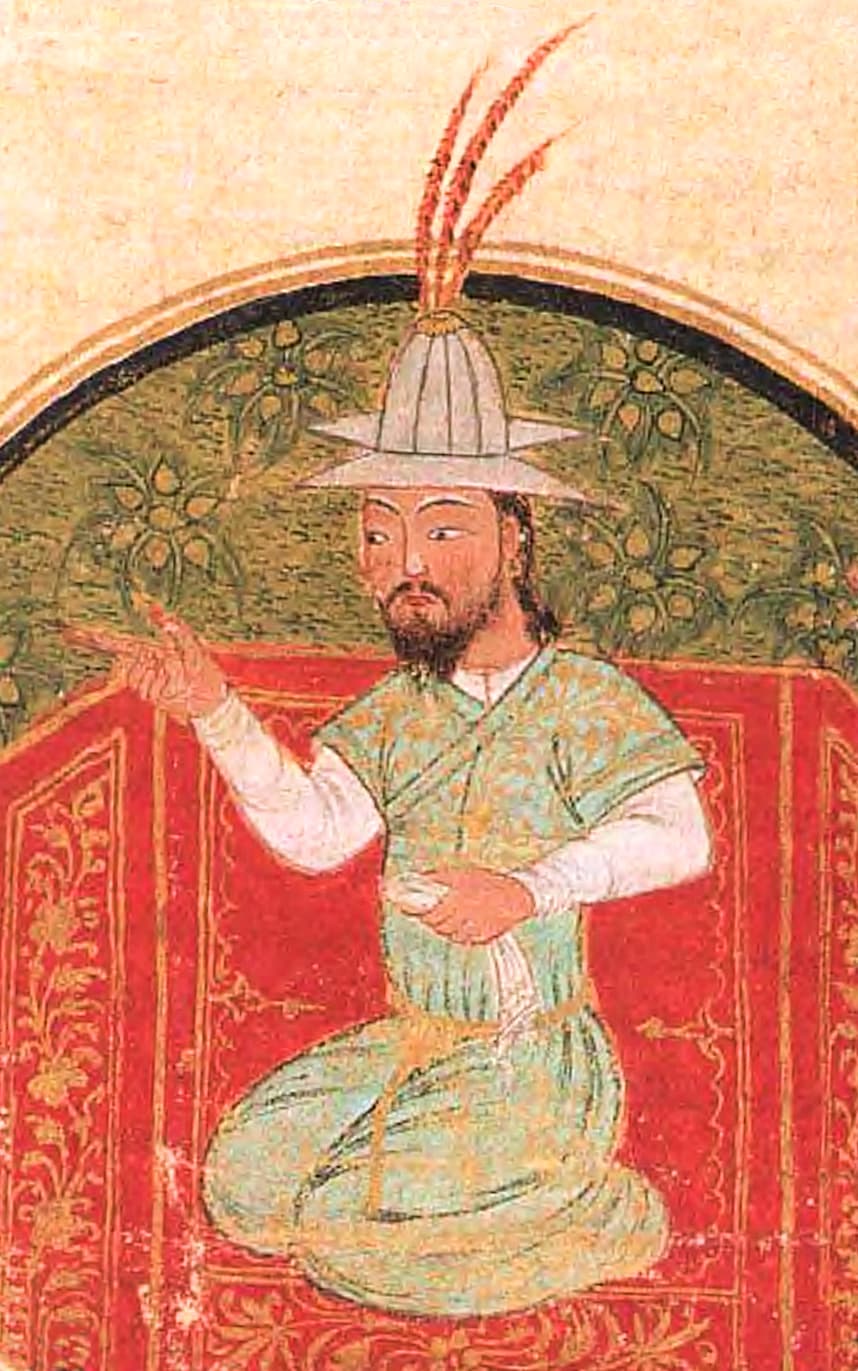
This imaginary interview was generated by artificial intelligence from sources documented in Wu Zetian's profile. It dramatises what the figure might have said based on what we know about them, but does not constitute attested historical testimony. For primary sources and factual documentation, refer to the full profile.