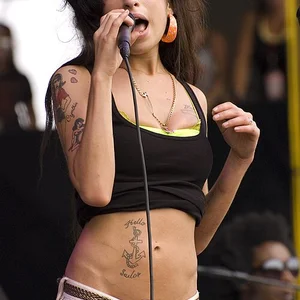

Abra is a contemporary Filipino rapper and a prominent figure in the Philippine hip-hop scene. He is known for his unique style blending rap with local musical influences.
Frequently asked questions
Key Facts
- Active rapper in the Philippine hip-hop scene in the 21st century
- Representative of local hip-hop in the Philippines
- Artist who contributed to the development of rap culture in Southeast Asia
Works & Achievements
Abra's signature single, "Gayuma" (love potion in Tagalog) went viral on YouTube and remains his best-known track. It blends Tagalog rap with melodies evoking traditional Filipino popular music.
Abra's major studio project, praised for its authenticity and artistic vision. On it, he builds a world that weaves together the social realities of Metro Manila with technical mastery of Tagalog rap.
Abra collaborated with numerous OPM (Original Pilipino Music) artists, helping to establish Filipino-language rap as a legitimate and proudly distinct form of artistic expression.
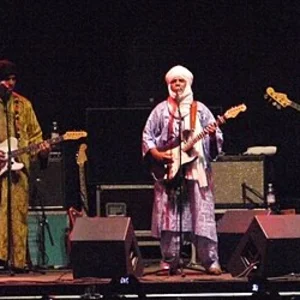
His appearances at Philippine music festivals established him as a central figure in the local hip-hop scene, celebrated for energetic performances that blend prepared lyrics with freestyle.
Anecdotes
Abra, whose real name is Abraham Jomela Jr., grew up in a working-class neighborhood of Metro Manila and discovered hip-hop through American mixtapes circulating in Filipino internet cafés in the 2000s. From his teenage years, he began rapping in Tagalog, his mother tongue, refusing to sacrifice his cultural identity for the sake of reaching an international audience.
His track *Gayuma* — a Tagalog word meaning “love potion” — went viral on YouTube and Filipino social media, catapulting Abra to unexpected national recognition. The song skillfully blended rap with melodies evoking Philippine folk music, an innovative approach that won over underground hip-hop fans and the general public alike.
Abra is one of the central figures of the movement that established the legitimacy of rap in the Philippine language. Where many local rappers chose English, he deliberately embraced Tagalog and references to everyday life in Manila, transforming the realities of working-class neighborhoods into art.
His stage name “Abra” is a reference to the magic word “Abracadabra,” a metaphor for the rapper’s ability to transform ordinary words into something extraordinary. This image of the “word magician” has become central to his artistic universe, notably with his album *Abra Cadabra*.
Primary Sources
A flagship track by Abra released on Philippine digital platforms, showcasing his fusion of Tagalog rap with local melodic influences. The song became one of the most-streamed Philippine rap tracks of his generation.
Abra's studio project bringing together his most representative tracks, praised by Philippine music critics for its authenticity and its portrayal of the social realities of Metro Manila.
In this interview given to a Philippine online outlet, Abra discusses his relationship with the Tagalog language in rap and his desire to represent the youth of Manila's working-class neighborhoods through his music.
Key Places
Capital of the Philippines and birthplace of the local hip-hop scene. It is in Manila that Abra grew up, developed his artistry, and built his music career.
A city in the Metro Manila region home to numerous independent recording studios and underground concert venues essential to the rise of Filipino rap.
The small bars, venues, and battle spaces of Metro Manila were the first stages where Abra honed his craft in front of demanding audiences and built his reputation within the underground scene.
Manila's business district is home to several recording studios that have hosted sessions by independent Filipino hip-hop artists, including Abra, embodying the DIY spirit of the local scene.
Typical Objects

The central tool of Abra's work in the recording studio. He dedicates many late-night hours to crafting his flows, often in modest home studios across Manila.

Like many rappers, Abra writes his lyrics by hand before testing them out loud. Writing in Tagalog is at the heart of his creative process, blending Manila slang with Filipino cultural references.

YouTube and Facebook were essential to the viral spread of his music. The smartphone is his primary tool for connecting with fans and for independent promotion.

Essential for composing and refining the sonic details of his productions, which are often made with limited resources in independent studios across Metro Manila.

The Philippine hip-hop scene is closely tied to DJ culture. Abra's performances incorporate collaborative work with local DJs and producers from the underground scene.

Sneakers, jeans, graphic tees, and caps make up Abra's signature look — a style inspired by American hip-hop but adapted to the tropical Philippine climate and the aesthetic of the Manila street scene.
School Curriculum
Vocabulary & Tags
Key Vocabulary
Daily Life
Morning
Abra starts his day late, following the rhythm of artists whose creative sessions and concerts take place at night. He has a typically Filipino breakfast — sinangag (fried rice), eggs, and dried meat — before checking his social media and video statistics.
Afternoon
The afternoon is devoted to writing lyrics and informal studio sessions with his collaborators. In the warm, humid atmosphere of Manila, getting around by jeepney or motorized tricycle is part of daily life, and the street directly feeds into his lyrics.
Evening
The evening is the highlight of his musical activity: late-night recording sessions in Metro Manila studios, concerts in the capital's bars, or freestyle rap battles. The night is also the time for the intense socializing that defines the Filipino hip-hop scene.
Food
Like many young urban Filipinos, Abra eats local cuisine: rice (kanin), adobo (marinated pork or chicken), sinigang (sour soup), and Manila street food. Meals are often shared in groups, as commensality is central to Filipino culture.
Clothing
Abra wears the streetwear typical of the hip-hop scene: sneakers, jeans, graphic tees, and caps. This style, inspired by American hip-hop but adapted to the tropical Philippine climate, is an assertion of belonging to global hip-hop culture while remaining locally rooted.
Housing
Like many artists on the Filipino independent scene, Abra has lived in modest apartments in Metro Manila, often shared with other musicians. These spaces serve at once as living quarters, rehearsal rooms, and home studios for informal sessions.