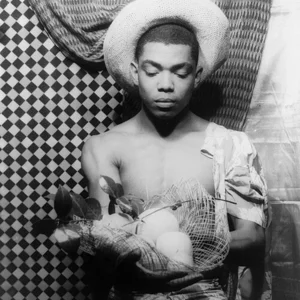

Alvin Ailey (1931-1989) was an American dancer and choreographer, a major figure in modern dance. In 1958, he founded the Alvin Ailey American Dance Theater, a company that celebrates African American cultural heritage and brought modern dance to audiences around the world.
Alvin Ailey(1931 — 1989)
Alvin Ailey
États-Unis
6 min read
Frequently asked questions
Famous Quotes
« I want to show that dance comes from the people and must always be given back to the people.»
Key Facts
- Born on January 5, 1931, in Rogers, Texas, in the segregated South
- Founded the Alvin Ailey American Dance Theater in New York in 1958
- Created his masterpiece Revelations in 1960, inspired by spirituals and gospel
- His company became an American cultural ambassador on world tours
- Died on December 1, 1989, in New York
Works & Achievements
Creation of the company that celebrates African American cultural heritage and brings modern dance to audiences around the world.
His masterpiece, a danced suite set to spirituals tracing the journey from sorrow to joy; it has become one of the most widely performed dance works in the world.
One of his first major pieces, inspired by the bars and blues music of the Southern world of his childhood.
A solo created for Judith Jamison and dedicated to Black women, which became a symbol of strength and dignity.
The founding of a school open to everyone, especially young people from minority backgrounds, to make dance more accessible to all.
A major award honoring his entire career and his immense contribution to American culture.
Anecdotes
In 1960, Alvin Ailey created "Revelations", a ballet inspired by the religious songs (the "negro spirituals") he heard as a child in the Baptist church of Texas. Now his most famous work, it is today one of the most performed pieces of modern dance in the world and closes nearly every show by his company.
Ailey grew up in rural Texas during the Great Depression: as a child, he picked cotton with his mother and experienced racial segregation every day. These memories of a poor African-American childhood in the South would feed his entire body of choreographic work.
He discovered dance almost by chance in Los Angeles, while attending performances by the Ballets Russes and Katherine Dunham's troupe. Encouraged by a high-school classmate, he joined the school of choreographer Lester Horton, whose company he took over upon Horton's death in 1953.
In 1971, Ailey created for dancer Judith Jamison a sixteen-minute solo titled "Cry", dedicated "to all Black women everywhere, especially our mothers". This birthday gift for his own mother became one of the most moving moments in the repertoire.
When he founded his company in 1958, Black dancers had very little access to the great American stages. Ailey opened the door for them: his theater became a showcase for the African-American heritage and toured all over the world, sometimes as a "cultural ambassador" sent by the United States.
Primary Sources
Dance came from the people and should always be delivered back to the people.
For all Black women everywhere — and most especially our mothers.
I try to express something I feel about people, about life, about the human spirit, about the beauty of things.
This suite explores the soul's deepest places of sorrow and joy, through African-American sacred music.
Key Places
Small rural Texas town where Alvin Ailey was born in 1931, marked by the poverty of the Depression and segregation.
City where he settled as a teenager and where he discovered dance by joining Lester Horton's school and company.
Heart of American modern dance, where Ailey founded his company in 1958 and worked until his death in 1989.
New York venue where Alvin Ailey's troupe gave its first concerts in the late 1950s.
The institution he founded and the school that opened in 1969 train dancers from varied backgrounds and carry on his legacy.
Liens externes & ressources
Références
Œuvres
Fondation de l'Alvin Ailey American Dance Theater
1958
Revelations
1960
Blues Suite
1958
Ouverture de l'école de danse Ailey
1969
Kennedy Center Honors
1988