 Flip the card
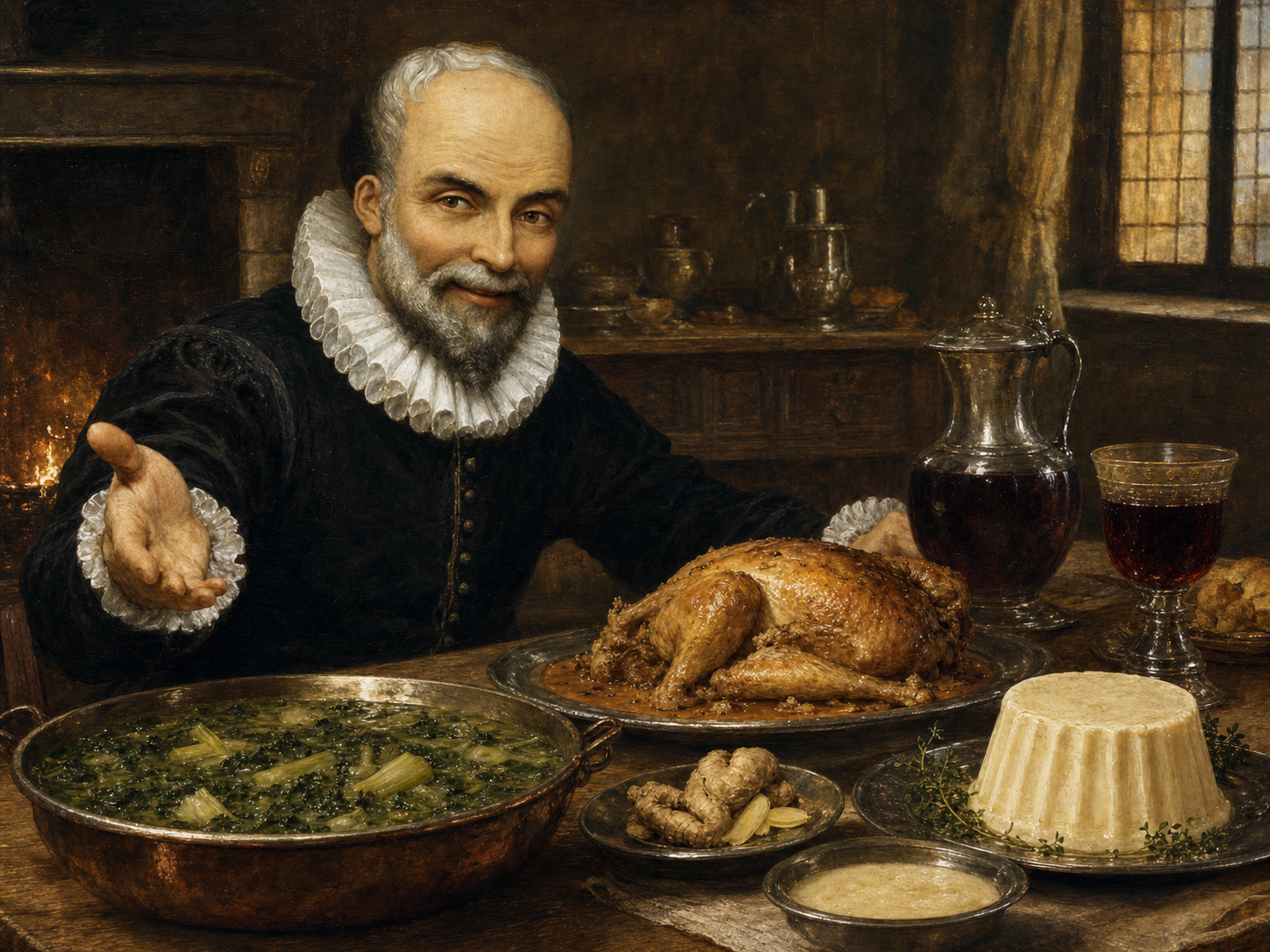
Ambroise Paré at the table
1510 — 1590
On the menu
The French meal, in several courses
During the Renaissance, a wealthy man's meal was served in successive courses brought to the table together: first pottages and boiled meats, then roasts accompanied by tart sauces, and finally the issue de table—dry preserves, dragées, and hippocras, believed to seal the meal and aid digestion. Sweet and savory were not separated: sweet spices perfumed both the capon and the wine.
Signature : Verjuice and sweet spices
Verjuice, the juice of unripe green grapes, was the king of souring agents in 16th-century French cuisine (before lemon became widespread). With cinnamon, ginger, and 'grains of paradise,' it defined the sweet-and-sour, spiced taste of the Renaissance table, inherited from medieval treatises and physician-cooks.
click to flip back
Ambroise Paré at the table
1510 — 1590
5 period recipes
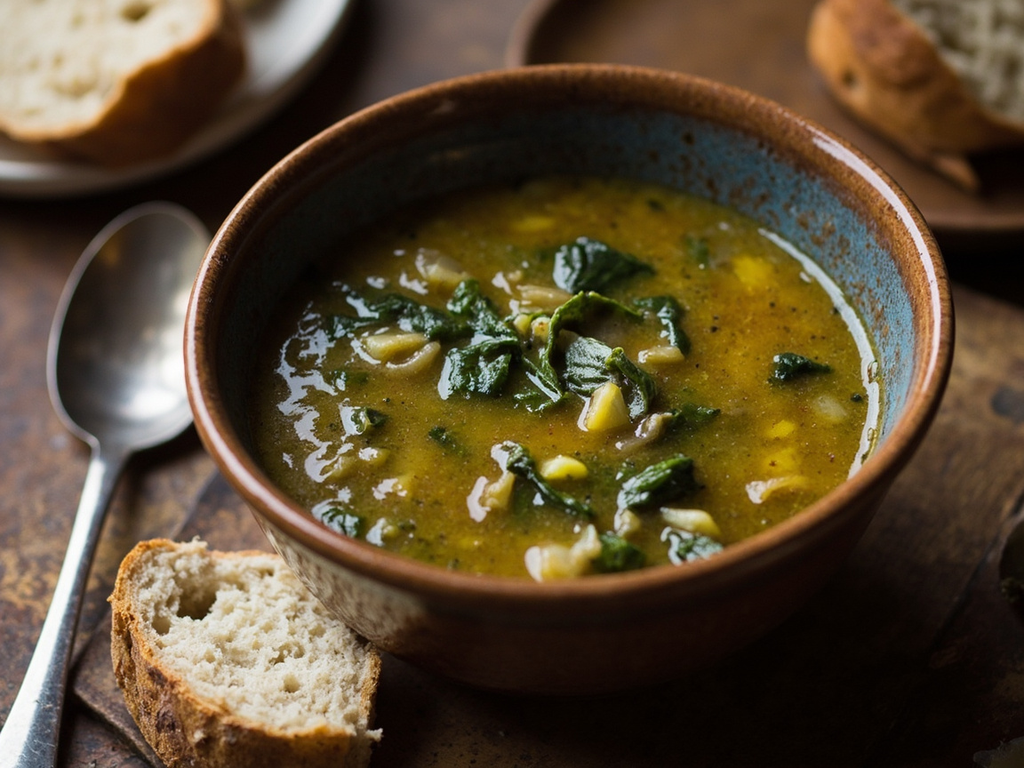 Everyday
Green porée with leeks and chard
Pottage (first course)
🧂 🍄· 40 min
View the recipe
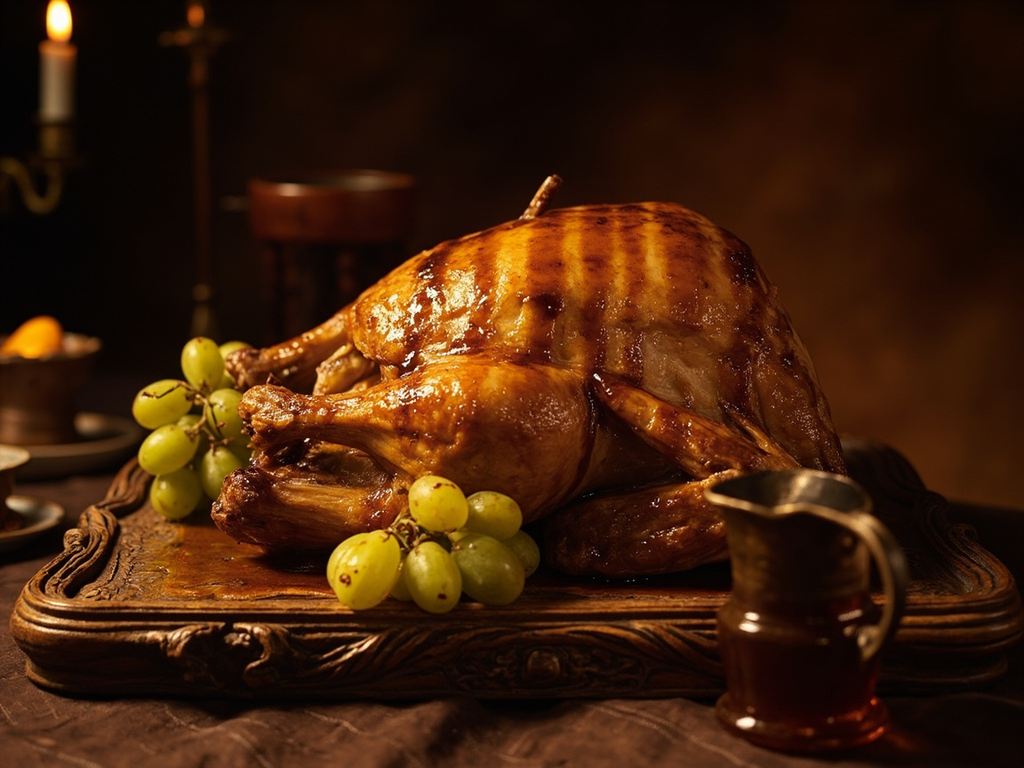 Festive
Roast capon with verjuice and ginger sauce
Roast (course of roast meats)
🧂 🍋 🌶️· 2 h 15
View the recipe
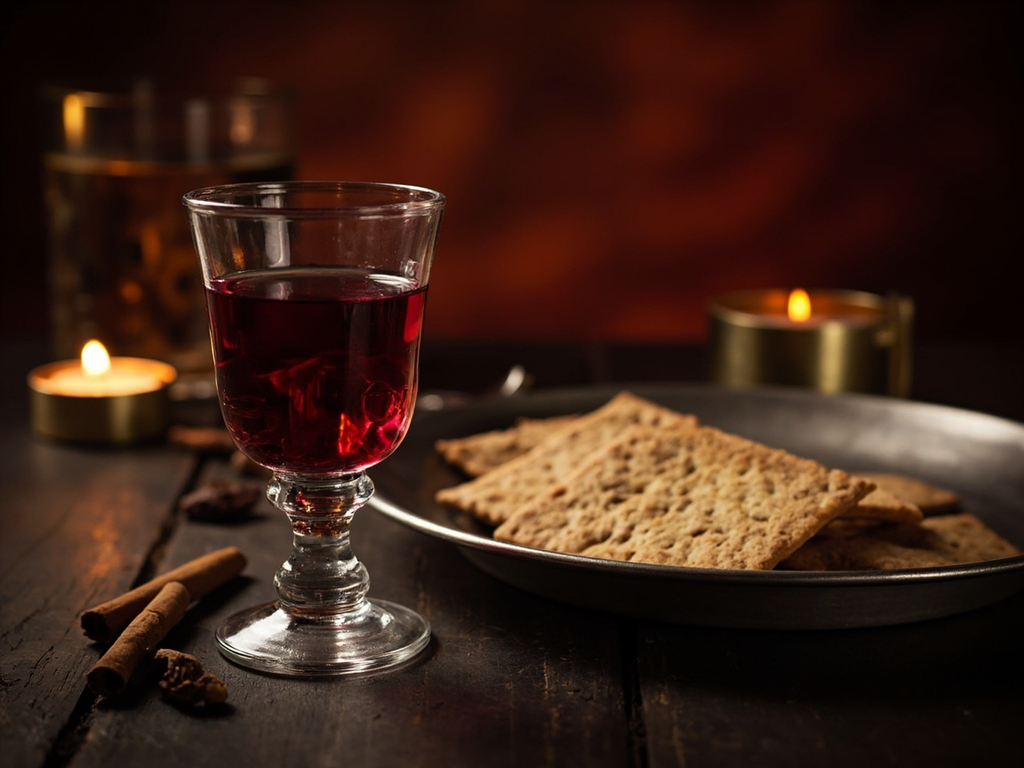 Drink
DrinkHippocras with wine and spices
Issue de table (end of meal)
🍯 🌶️· 15 min (+ maceration)
View the recipe
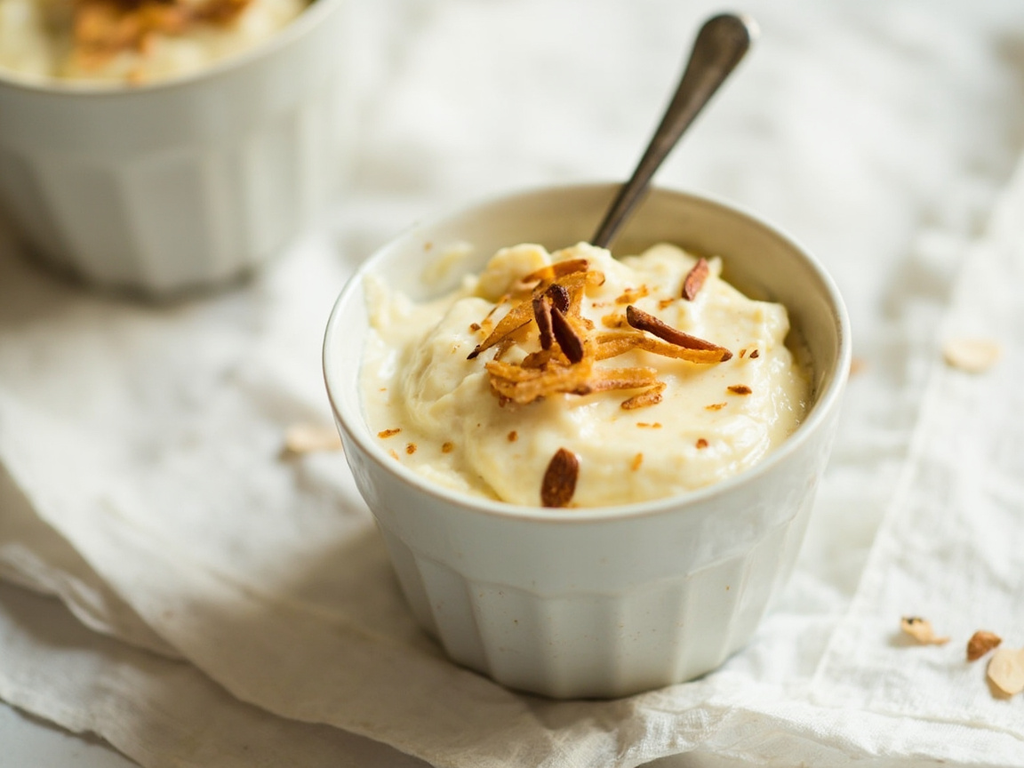 Remedy
Blancmange of capon for convalescents
Sickbed dish (restorative food)
🍯 🧂· 35 min
View the recipe
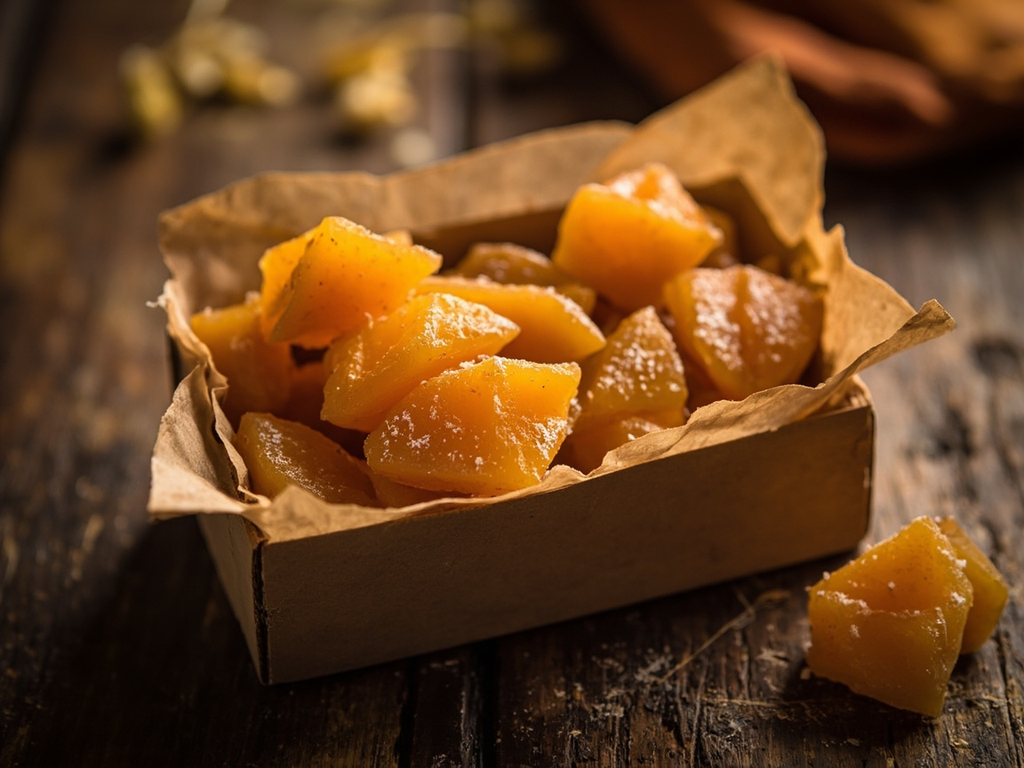 Preserving
Quince paste (cotignac), dry preserve for travel
Dry preserve (issue de table and provision)
🍯 🍋· 1 h 30 (+ drying)
View the recipe