 flip
flipHippocras with wine and spices
Hippocras with wine and spices
Why this dish? Hippocras takes its name from the Greek physician Hippocrates, whose work Paré, a learned surgeon, knew. This spiced wine, filtered through the 'hippocras sleeve,' was both a festive drink and a reputed medicinal beverage—at the exact intersection of table and medicine where Paré lived.
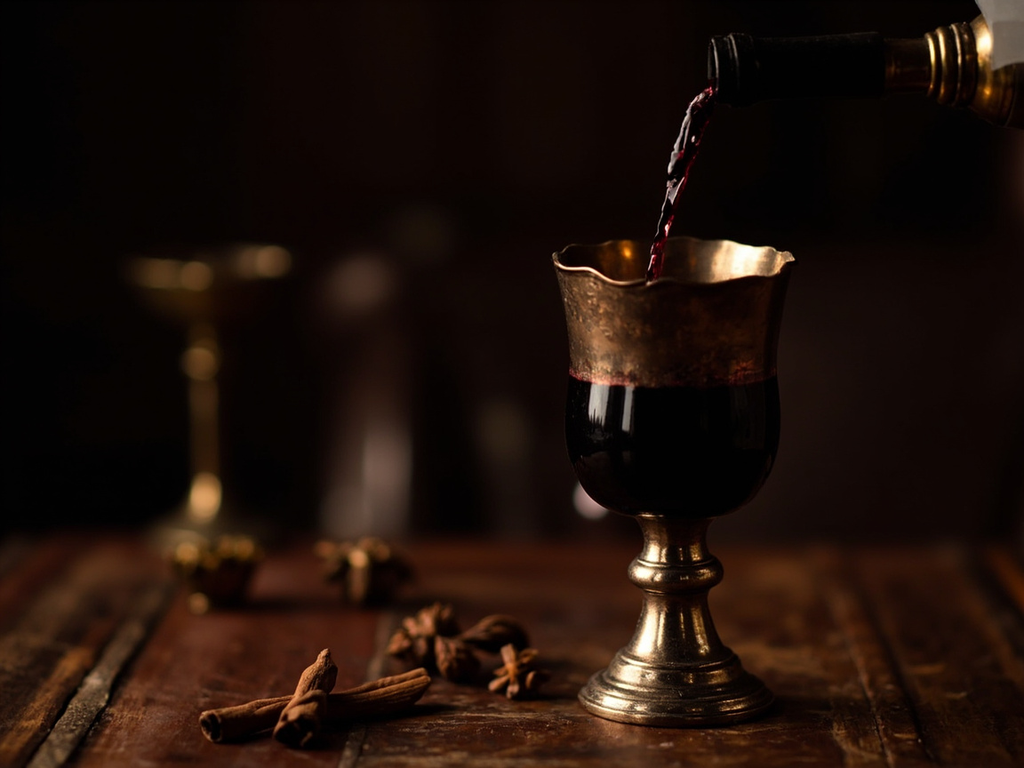
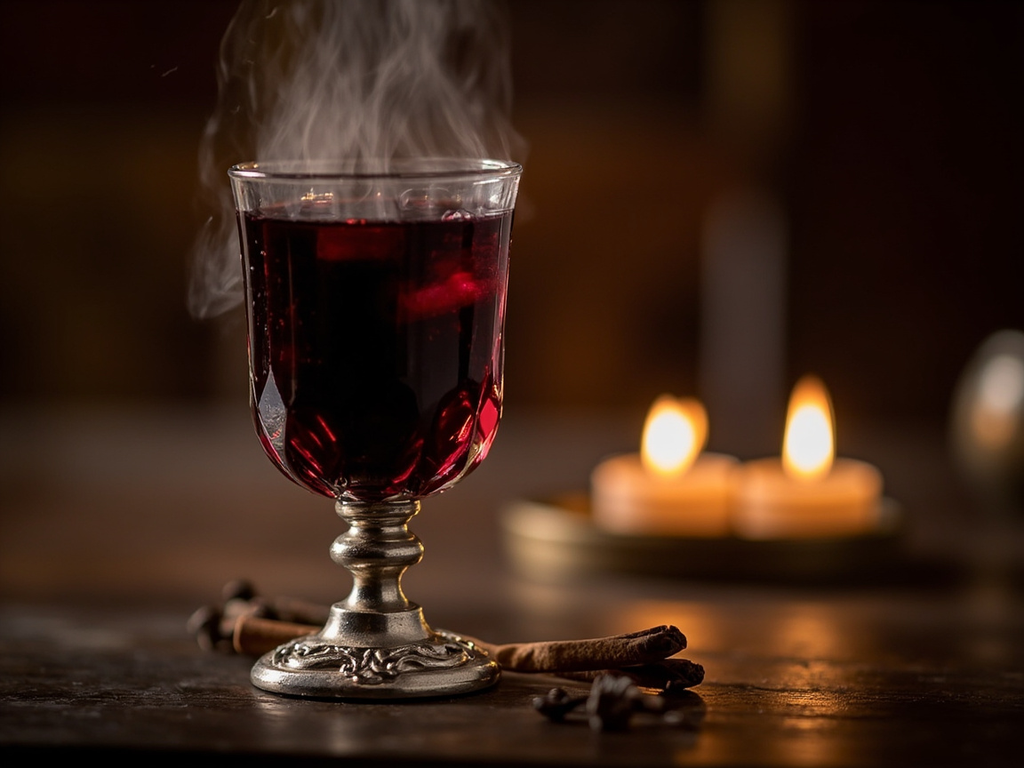
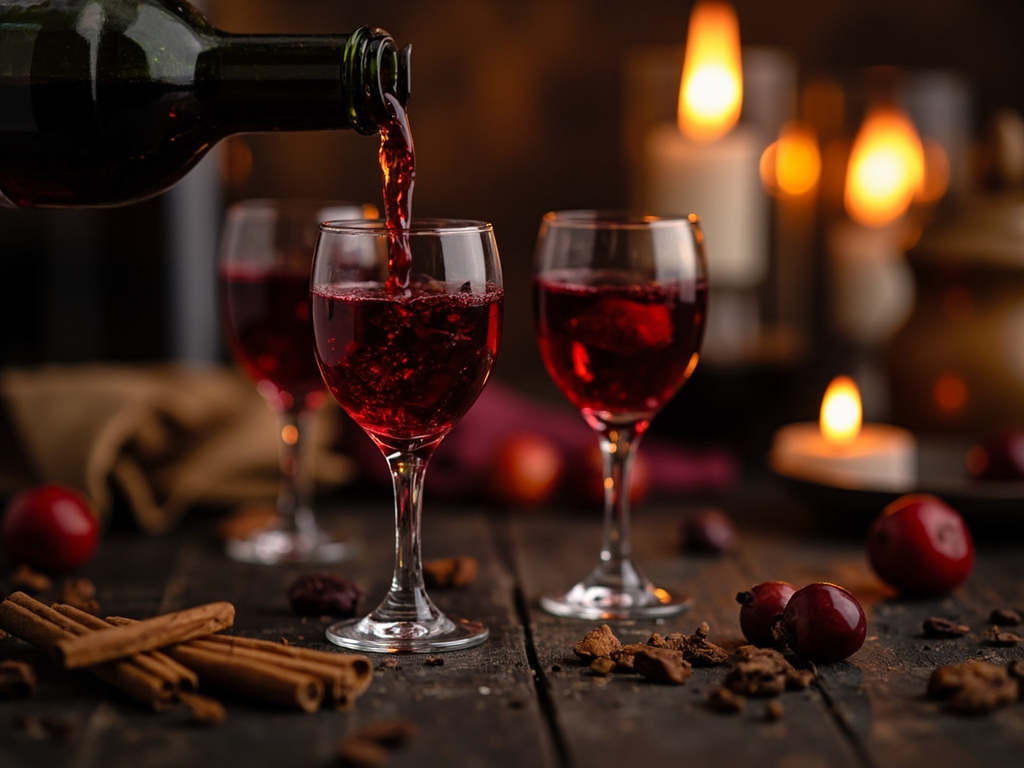
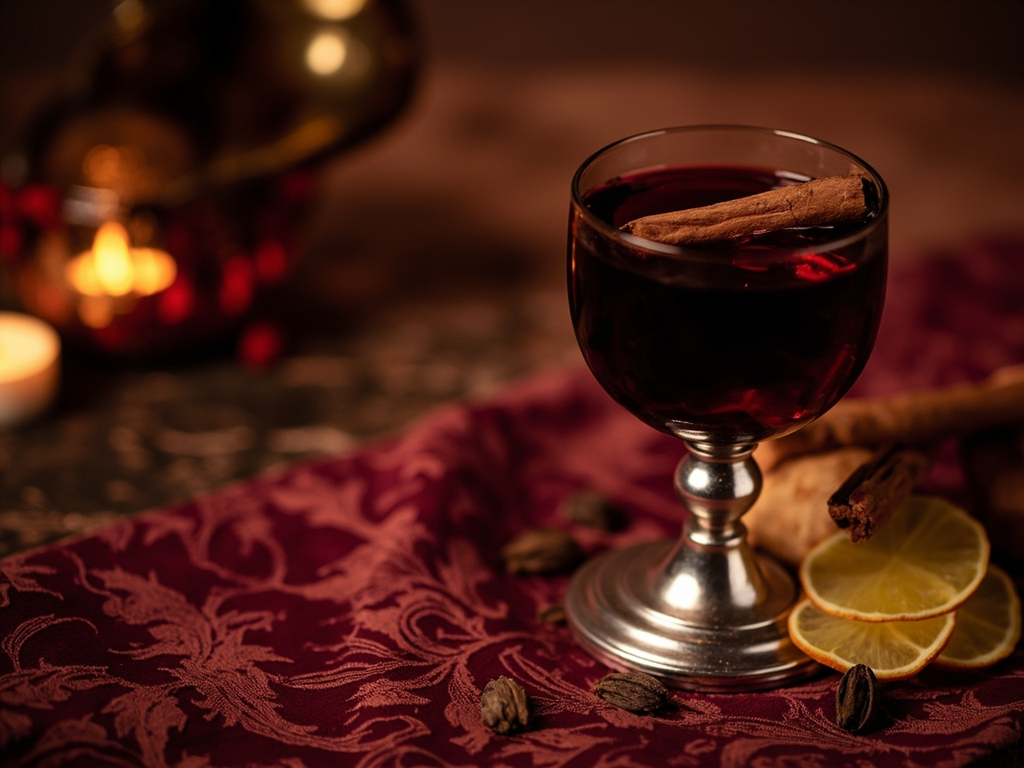
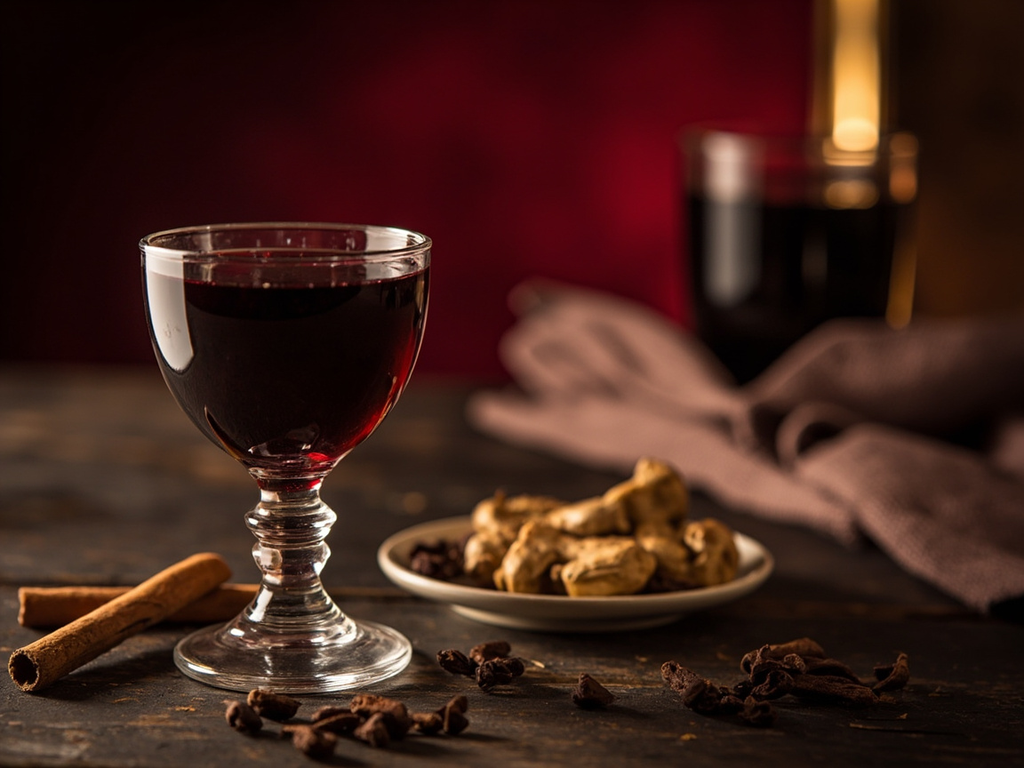
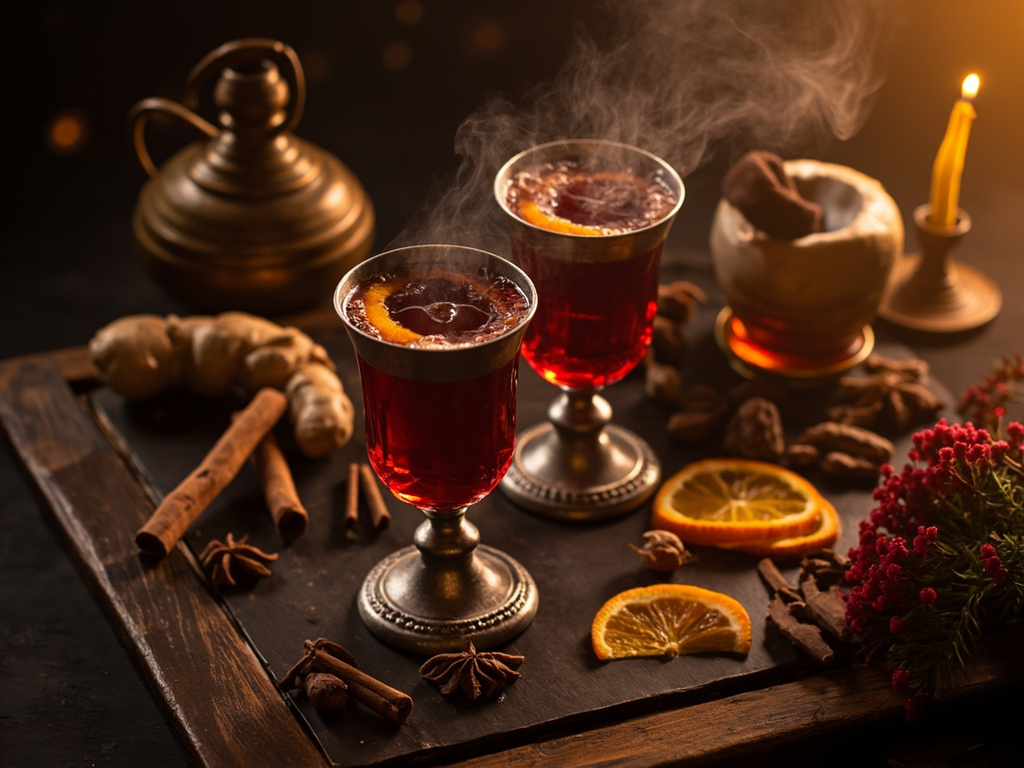
A hot spiced red wine, sweetened and filtered until clear, served with wafers to close the meal.
Before rising from table, we serve hippocras, named after the great Hippocrates from whom we physicians derive all knowledge. I take good red wine, throw in cinnamon, ginger, and cloves, plenty of sugar, and let it steep overnight. Then I strain it through a cloth sleeve until it is as clear as a ruby. Drunk in small sips, it gladdens the heart, warms a weak stomach, and fittingly ends the meal—remedy and pleasure together, just as I like things.
- •Good red wine — a pint (base)
- •Cinnamon — one stick (main spice)
- •Ginger — a piece (hot spice)
- •Cloves — a few (spice)
- •Sugar — as desired (sweetness)
- •Grains of paradise — a pinch (rare spice)
Hippocras with wine and spices
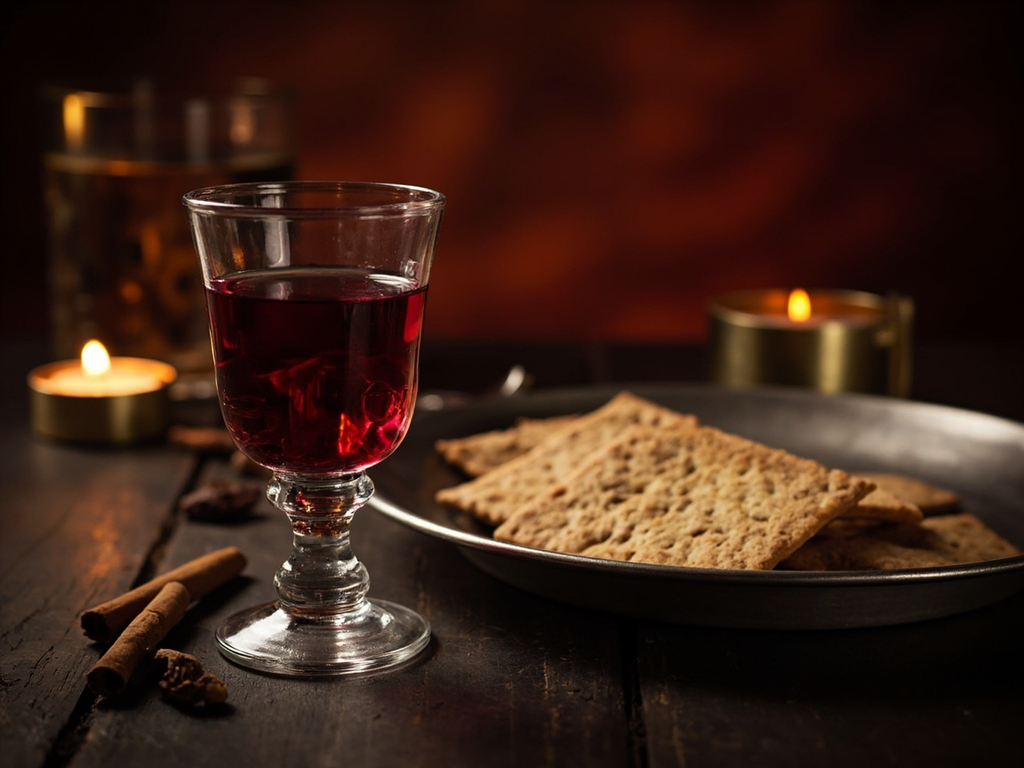
A hot spiced red wine, sweetened and filtered until clear, served with wafers to close the meal.
Why this dish? Hippocras takes its name from the Greek physician Hippocrates, whose work Paré, a learned surgeon, knew. This spiced wine, filtered through the 'hippocras sleeve,' was both a festive drink and a reputed medicinal beverage—at the exact intersection of table and medicine where Paré lived.
Before rising from table, we serve hippocras, named after the great Hippocrates from whom we physicians derive all knowledge. I take good red wine, throw in cinnamon, ginger, and cloves, plenty of sugar, and let it steep overnight. Then I strain it through a cloth sleeve until it is as clear as a ruby. Drunk in small sips, it gladdens the heart, warms a weak stomach, and fittingly ends the meal—remedy and pleasure together, just as I like things.
Ingredients (period version)
- Good red wine — a pint (base)
- Cinnamon — one stick (main spice)
- Ginger — a piece (hot spice)
- Cloves — a few (spice)
- Sugar — as desired (sweetness)
- Grains of paradise — a pinch (rare spice)
Ingredients
- Full-bodied red wine — 75 cl (base)
- Cinnamon stick — 1 (main spice)
- Fresh ginger — 3 thin slices (hot spice)
- Cloves — 3 (spice)
- Sugar — 80 to 100 g (sweetness)
- Grated nutmeg — a pinch (complementary spice)
Method
- Pour the wine into a container, add sugar, and stir until dissolved.
- Add cinnamon, ginger, cloves, and nutmeg; cover.
- Let steep cold for 6 to 12 hours (or gently warm without boiling to speed up).
- Strain carefully through a fine cloth or coffee filter until perfectly clear.
- Serve chilled or slightly warm, in small portions, with dry wafers.
How it was made : Hippocras was not necessarily heated: it was often made by cold maceration, then repeatedly filtered through a conical cloth 'sleeve.' A drink for the end of the meal, it accompanied dragées and dry preserves and was thought to strengthen digestion.
The contemporary twist : Serve in small frosted liqueur glasses with a cinnamon stick stirrer and a thin wafer laid across the glass.
Sources : Le Ménagier de Paris · Traités d'office de la Renaissance
Ambroise Paré · Charactorium