 flip
flipQuince paste (cotignac), dry preserve for travel
Quince paste (cotignac), dry preserve for travel
Why this dish? As an army surgeon, Paré followed royal campaigns far from Paris; provisions that kept were essential. Cotignac, a heavily sweetened quince paste, kept for months, traveled in a wooden box, and was believed to aid digestion and bind the bowels—a medicinal virtue dear to a man of the art.
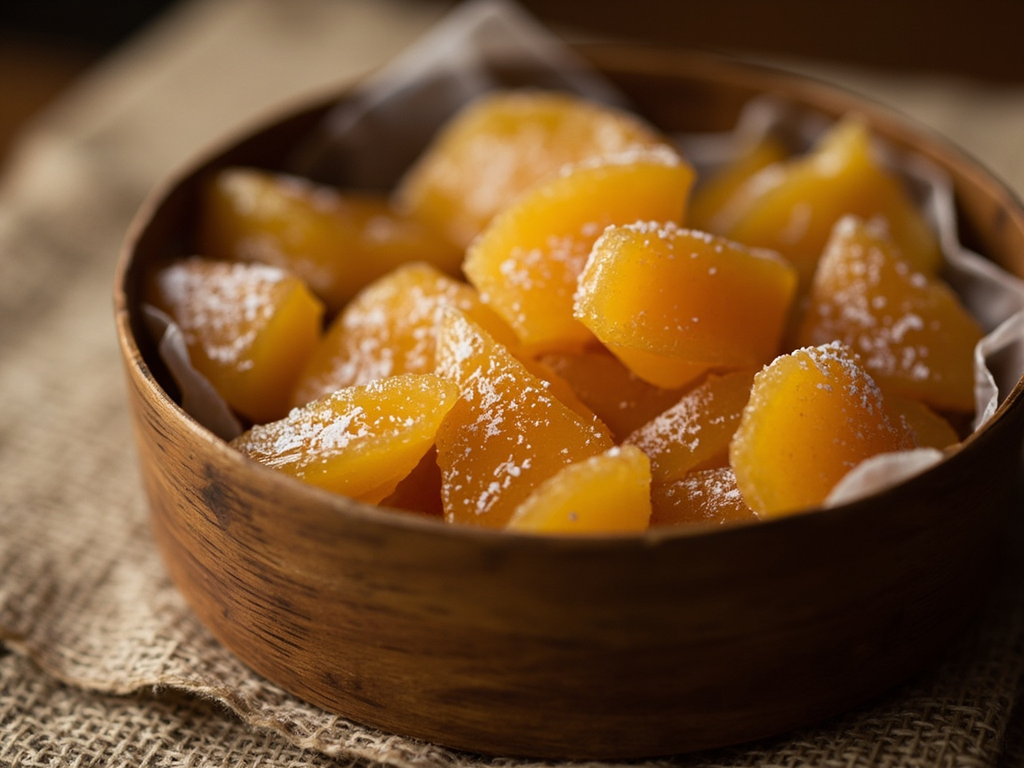
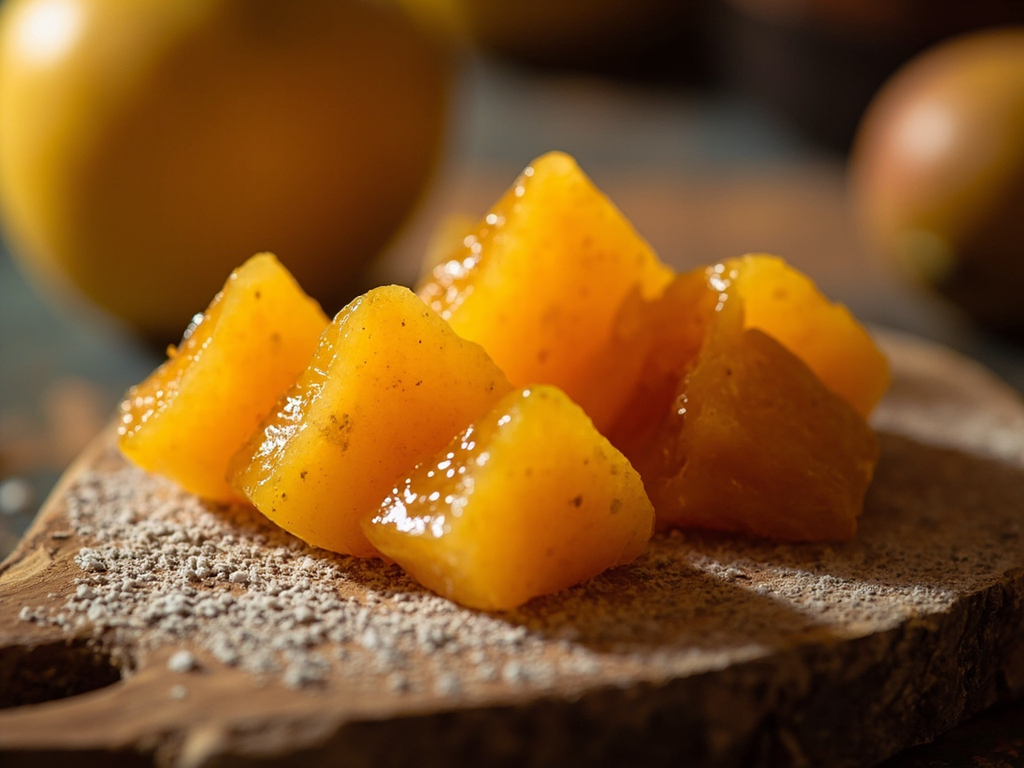
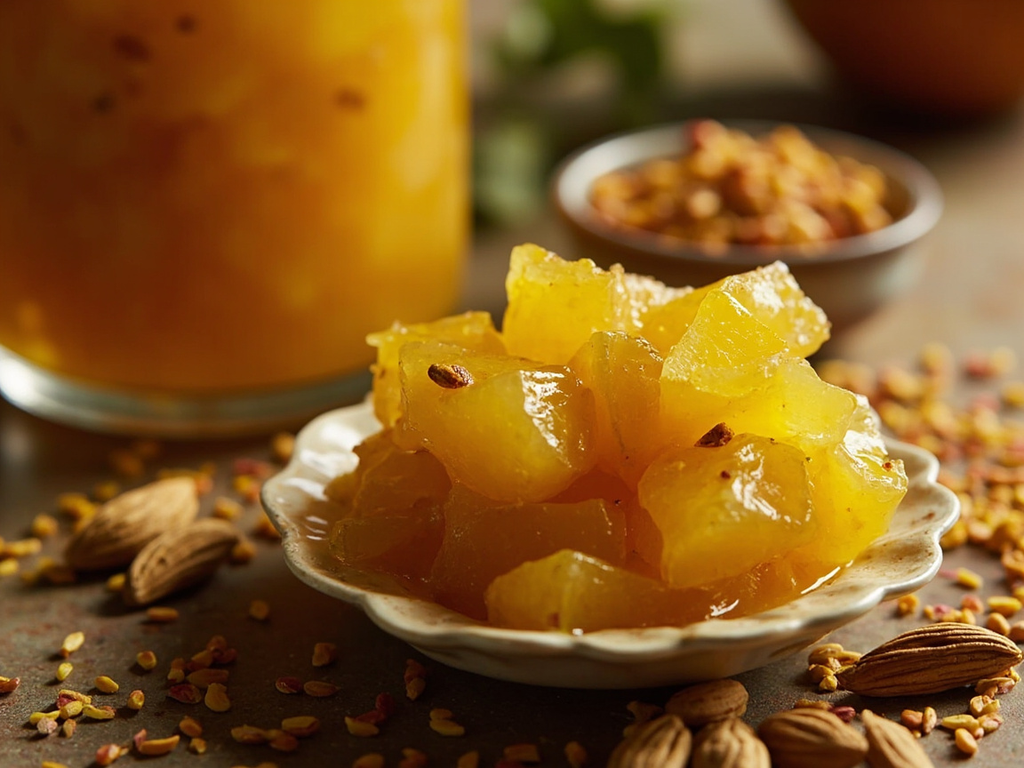
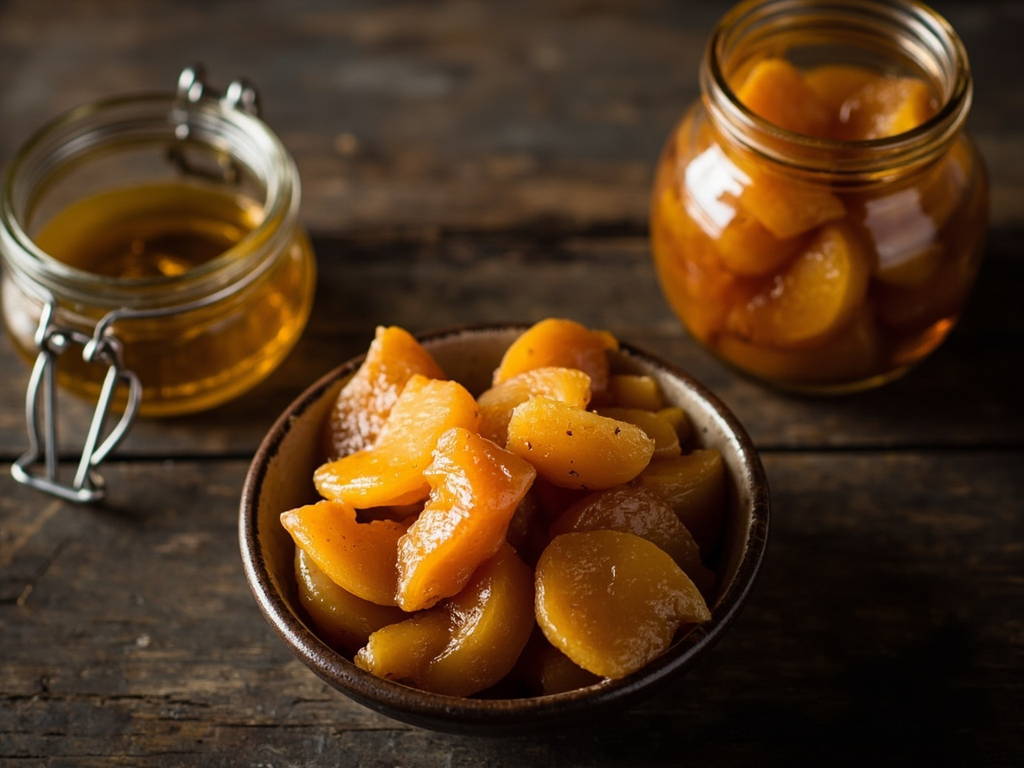
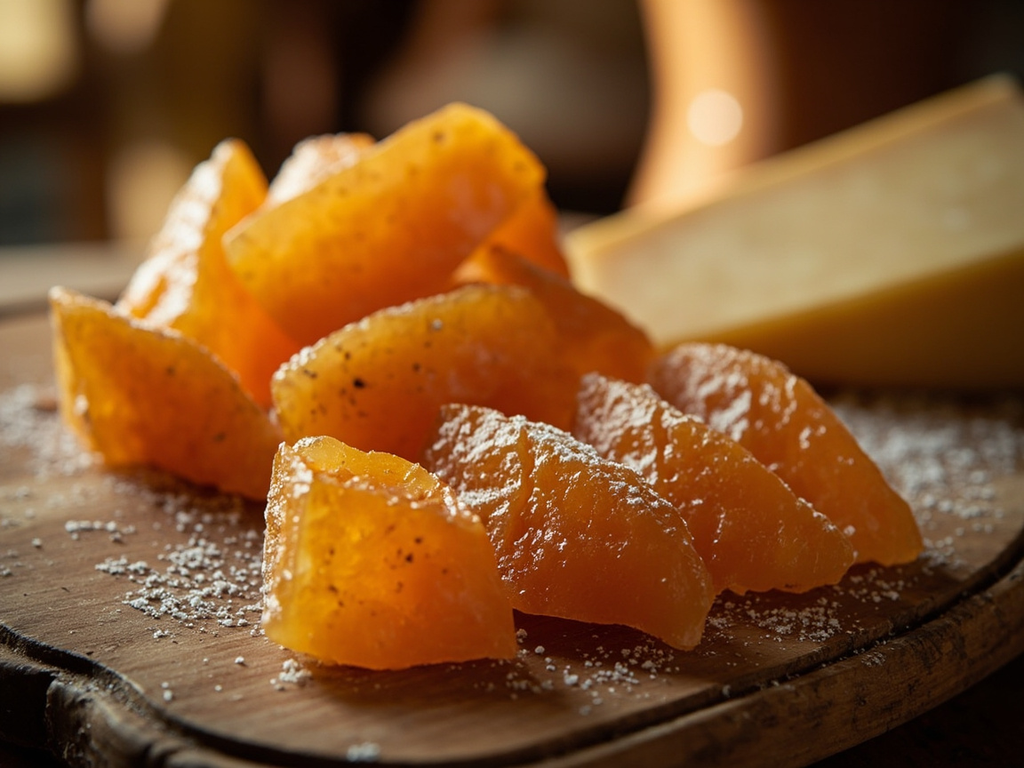
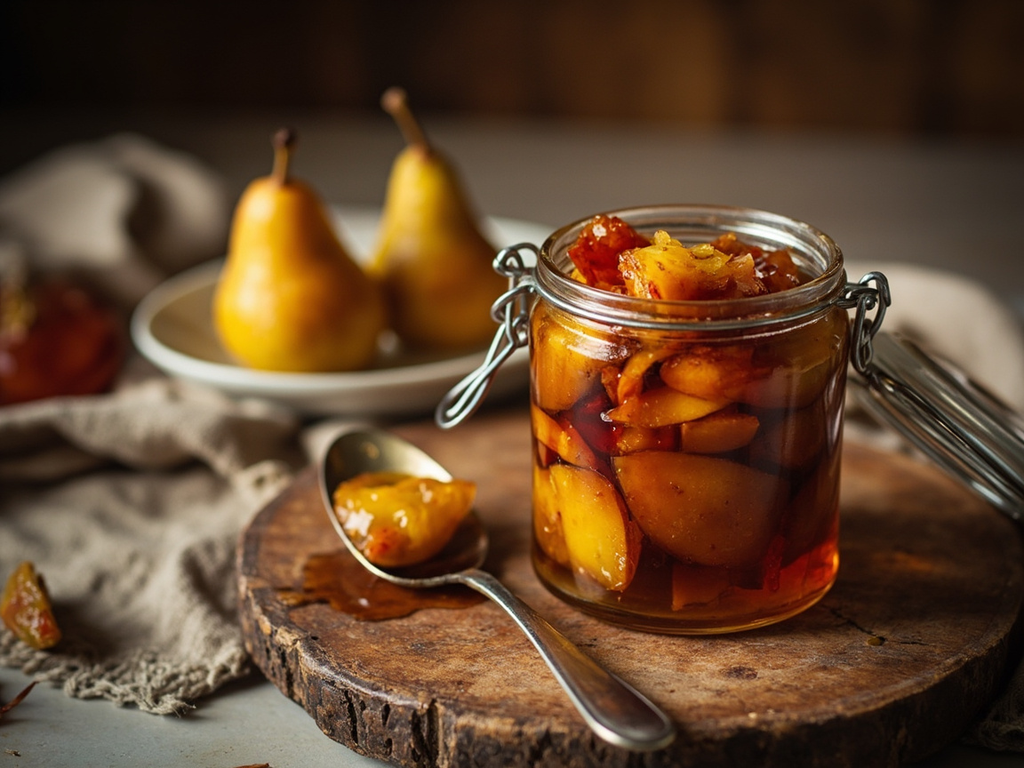
A dense, amber, fragrant quince paste, dried and cut into lozenges, that keeps and travels well.
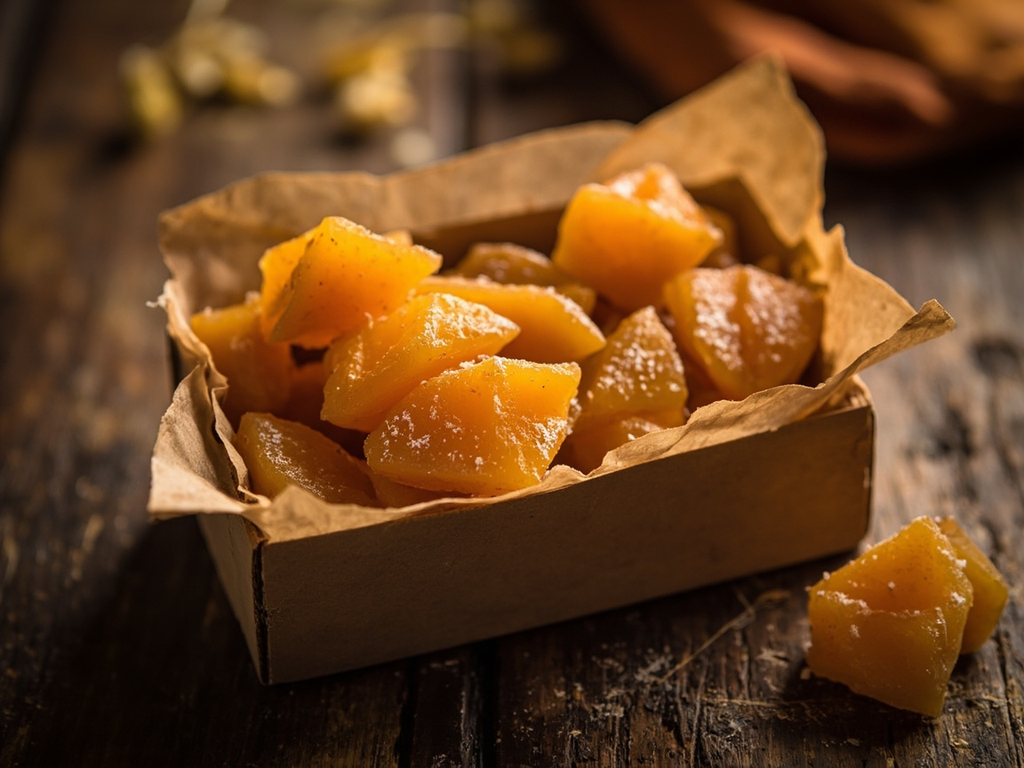
In the armies, where I dressed so many arquebus wounds, one finds few fresh fruits; so I gladly carried cotignac in its cedar box. You cook quinces until they reduce to a thick paste with an equal weight of sugar, spread it out, and let it dry until it can be cut with a knife. Kept thus, it lasts months without spoiling. A small lozenge after a meal settles the stomach and delights the palate—a precious viaticum for those who travel the rough roads of war.
- •Quinces — a dozen (base fruit)
- •Sugar — about the weight of the quinces (preservative and sweetness)
- •Quince water or cooking water — a little (cooking liquid)
- •Sweet spices (cinnamon, ginger) — to taste (flavoring, optional)
Quince paste (cotignac), dry preserve for travel
A dense, amber, fragrant quince paste, dried and cut into lozenges, that keeps and travels well.
Why this dish? As an army surgeon, Paré followed royal campaigns far from Paris; provisions that kept were essential. Cotignac, a heavily sweetened quince paste, kept for months, traveled in a wooden box, and was believed to aid digestion and bind the bowels—a medicinal virtue dear to a man of the art.
In the armies, where I dressed so many arquebus wounds, one finds few fresh fruits; so I gladly carried cotignac in its cedar box. You cook quinces until they reduce to a thick paste with an equal weight of sugar, spread it out, and let it dry until it can be cut with a knife. Kept thus, it lasts months without spoiling. A small lozenge after a meal settles the stomach and delights the palate—a precious viaticum for those who travel the rough roads of war.
Ingredients (period version)
- Quinces — a dozen (base fruit)
- Sugar — about the weight of the quinces (preservative and sweetness)
- Quince water or cooking water — a little (cooking liquid)
- Sweet spices (cinnamon, ginger) — to taste (flavoring, optional)
Ingredients
- Quinces — 1.5 kg (base fruit)
- Sugar — about 800 g (weight of pulp) (preservative and sweetness)
- Lemon juice — 1 tablespoon (helps setting (optional))
- Cinnamon — 1/2 teaspoon (flavoring, optional)
Method
- Wash, peel, and chop the quinces; cook in a little water until very tender.
- Pass the pulp through a sieve or blend; weigh it to adjust sugar (equal weight).
- Cook the pulp with sugar (and cinnamon) over medium heat, stirring constantly, for 30-45 minutes, until the paste pulls away from the pan and is very thick.
- Spread 1.5 cm thick in a paper-lined dish; smooth the surface.
- Let dry in the air for 2-3 days, then cut into lozenges and store in an airtight box.
How it was made : Cotignac (especially that of Orléans, famous since the Renaissance) was one of the 'dry preserves' of the issue de table. Sugar, still costly, acted as a preservative; these fruit pastes kept for months and traveled in fine wooden boxes.
The contemporary twist : Roll the lozenges in a little granulated sugar and present them in a small wooden box, like an era confection to give as a gift.
Sources : Nostradamus, Traité des fardements et confitures (1555) · Le Ménagier de Paris
Ambroise Paré · Charactorium