Italian-style banquet (servizio di credenza and servizio di cucina)
In the Italian Renaissance, a meal was not served as starter-main-dessert but in two alternating grand services. The servizio di credenza came from the cold buffet (the credenzone): salads, fruits, jellies, preserves, and confections were arranged and presented there. The servizio di cucina came from the kitchens: soups (minestre), boiled meats, roasts, and hot pies, accompanied by savori (spiced sauces). Throughout the banquet, several services were brought back, each mixing savory, spicy, and sweet on the same table, all washed down with local wines that De Beatis enjoyed noting from court to court.
Signature : Savore and sweet spices (agresto, cinnamon, sugar)
The refined cuisine of early 16th-century Italian courts is recognized by its sweet-and-sour sauces, the savori: verjuice or agresto (sour green grape juice) is combined with sweet spices — cinnamon, ginger, clove — and sugar. This acidic-spicy-sweet tension, inherited from Maestro Martino, flavors both a festive roast and mulled wine: it is the taste grammar of the table that De Beatis frequented in the cardinal's service.
Antonio de Beatis at the table
1450 — ?
5 period recipes
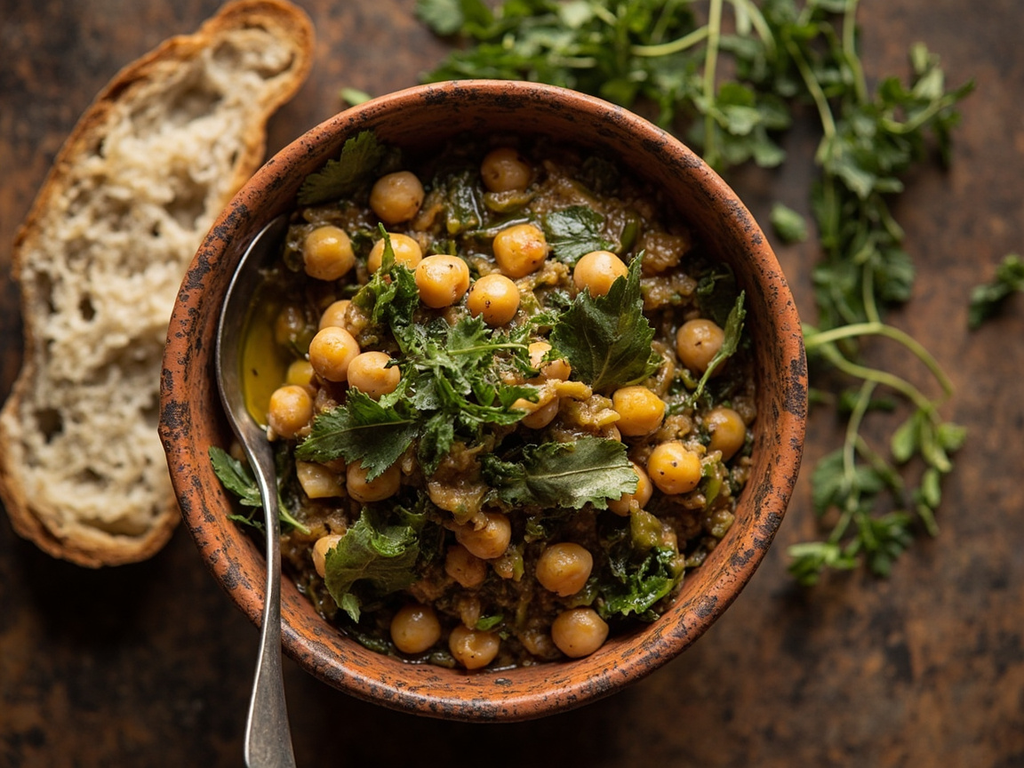 Everyday
Minestra di ceci e herbe (chickpea and greens pottage)
Minestra from servizio di cucina (hot opening soup)
🧂 🍄· 45 min (plus soaking)
View the recipe
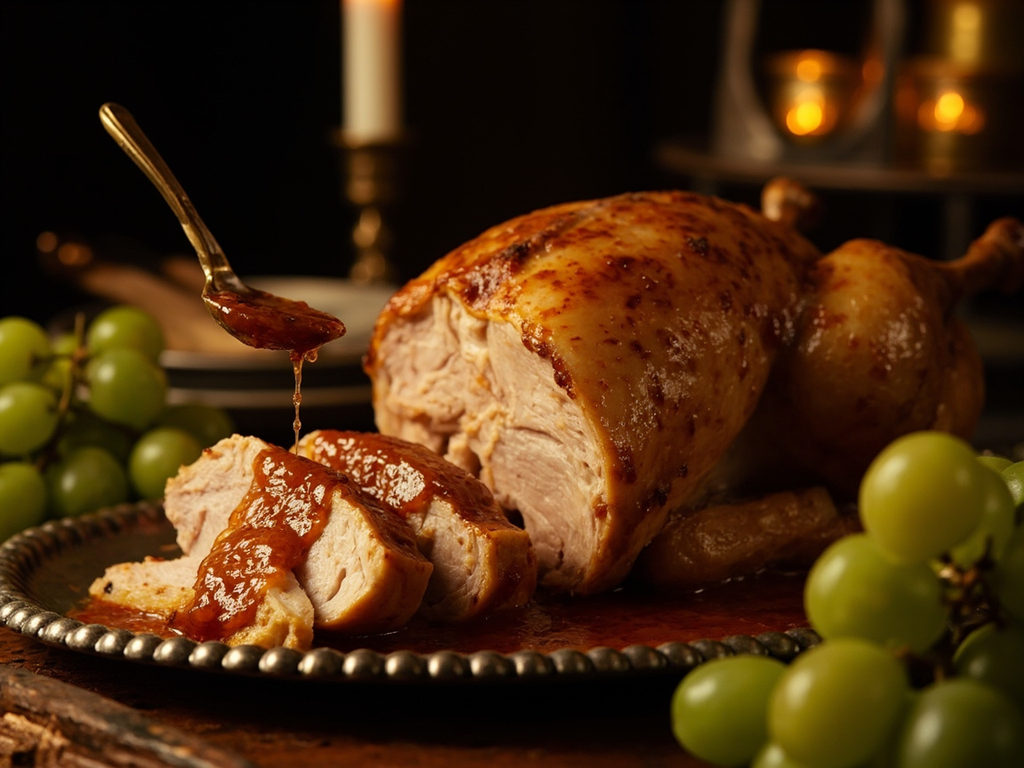 Festive
Capone in savore d'agresto (capon in sweet-and-sour verjuice sauce)
Roast from servizio di cucina, coated with savore (spiced banquet sauce)
🍋 🌶️ 🍯· 2 h
View the recipe
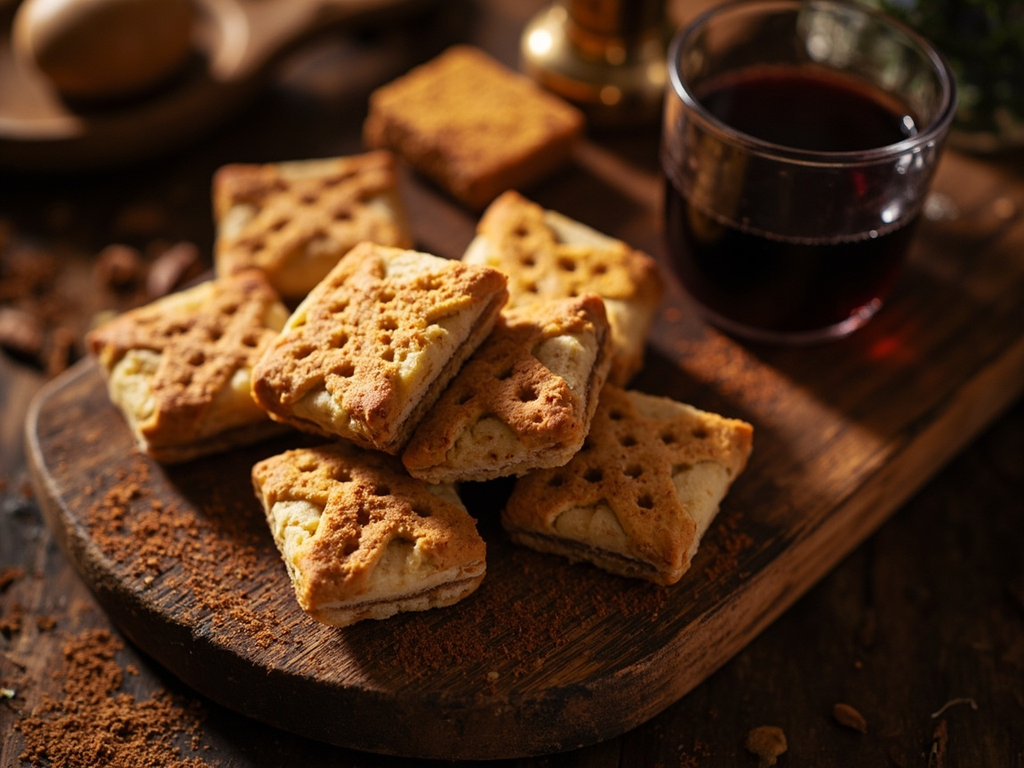 Travel
Mostaccioli (honey-spice biscuits)
Dry confection from servizio di credenza, carried on the road
🍯 🌶️· 1 h
View the recipe
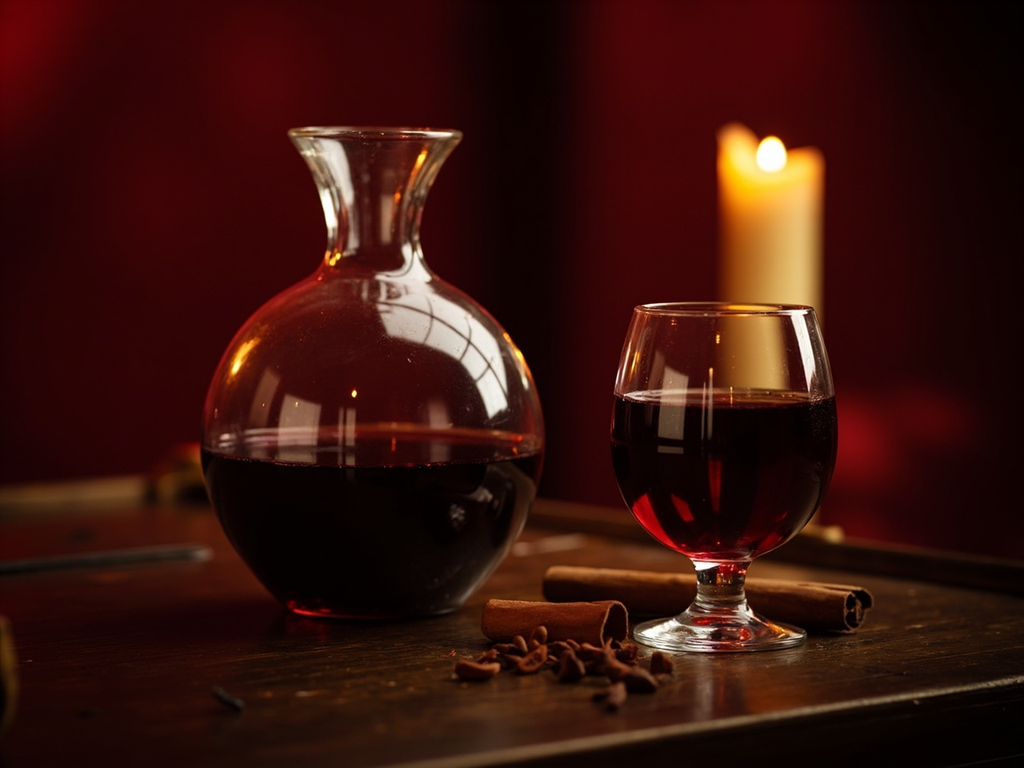 Drink
DrinkIpocrasso (mulled spiced wine, hippocras)
End-of-service beverage, presented at the credenza with confections
🍯 🌶️· 15 min (plus infusion)
View the recipe
 Preserving
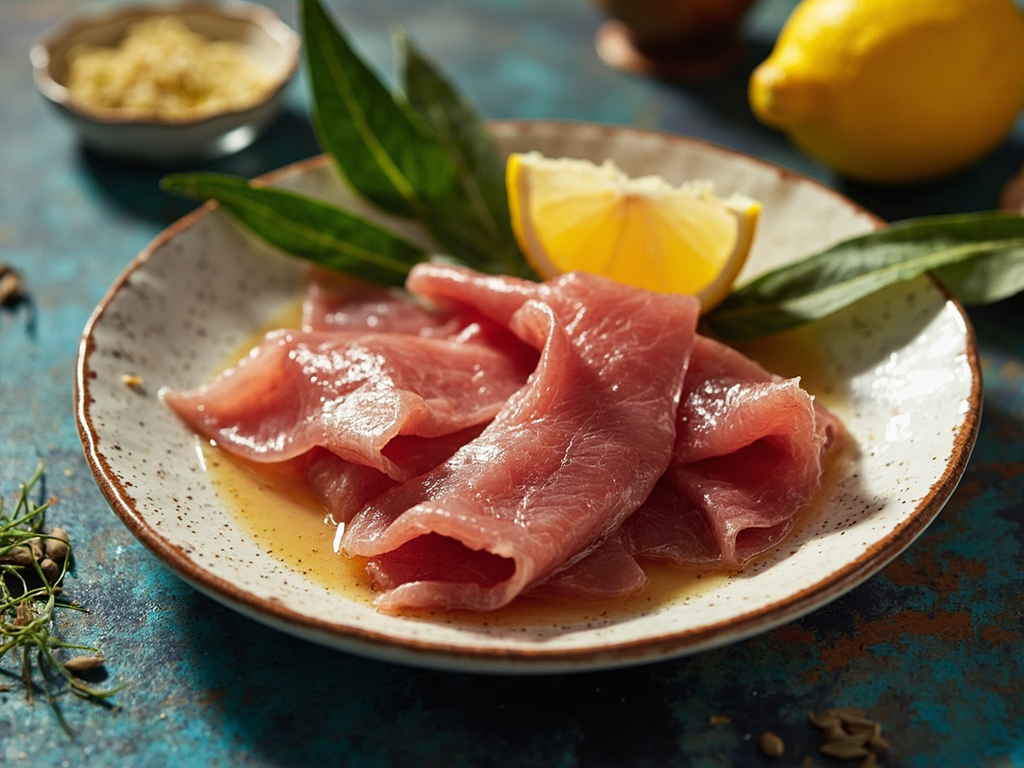
Tonnina sotto sale (salted preserved tuna from Naples)
Salted provision presented cold at the credenza, or sliced for travel
🧂 🍄 🫙· 30 min (plus 24-36 h salting)
View the recipe