 flip
flipMostaccioli (honey-spice biscuits)
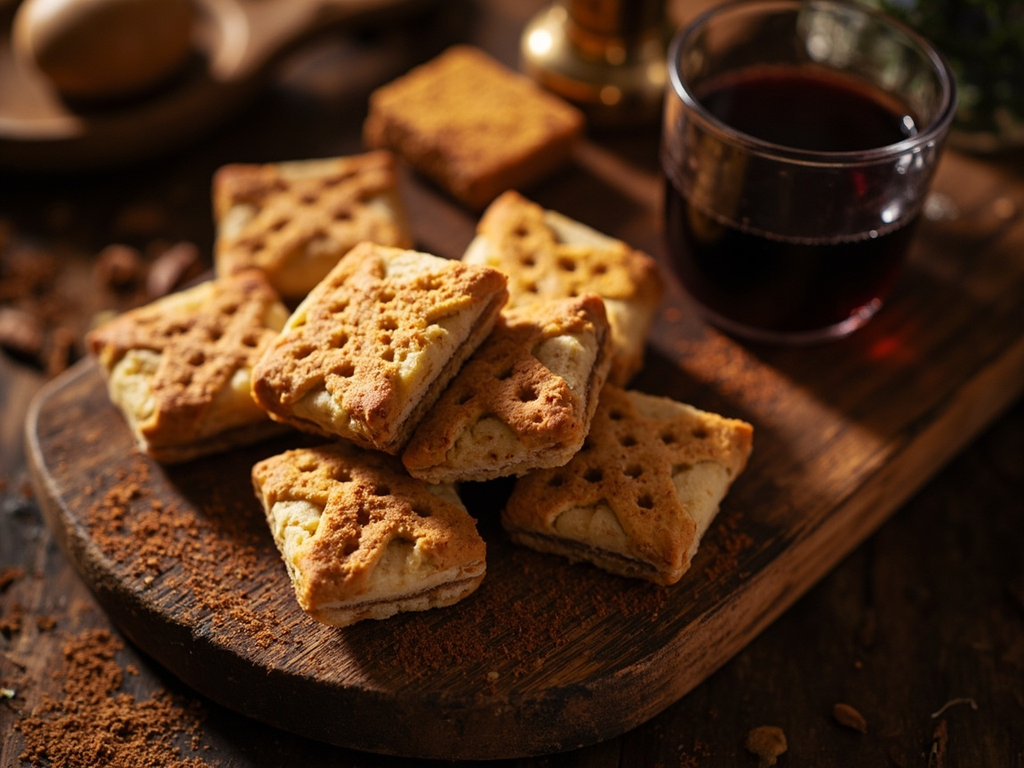
Mostaccioli (honey-spice biscuits)
Why this dish? The 1517-1518 journey led De Beatis across the Alps, on long roads between courts. Mostaccioli — hard honey-spice biscuits that keep for weeks — were the treat of travelers and pilgrims, ideal for a secretary's chest always on the move.
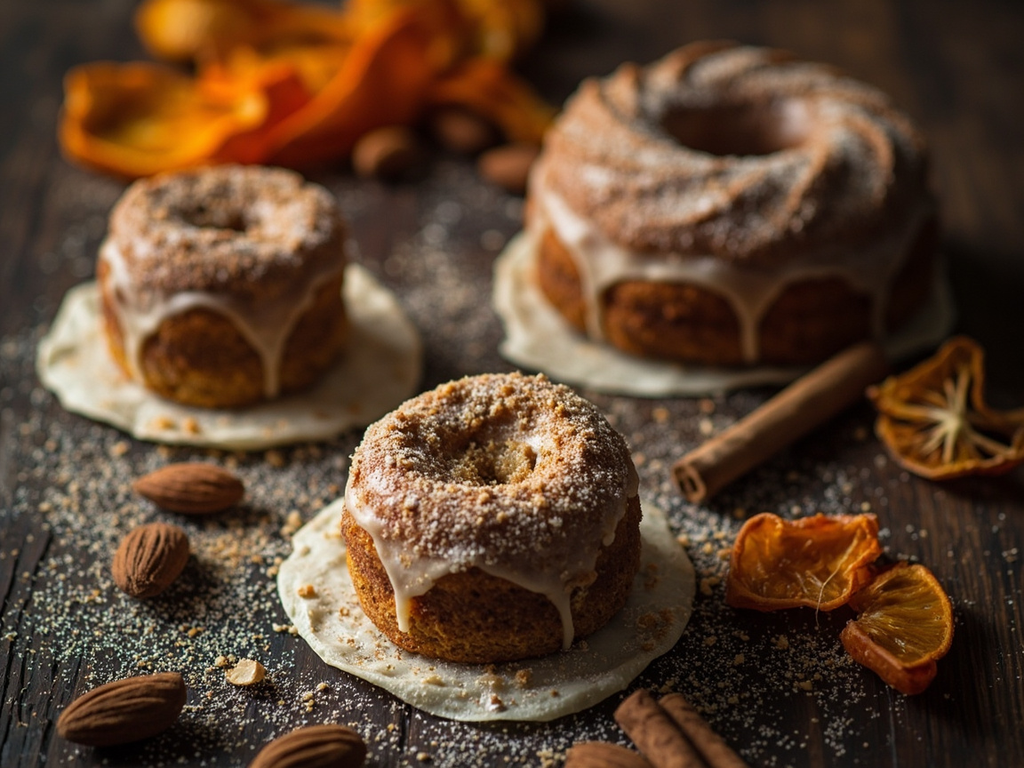
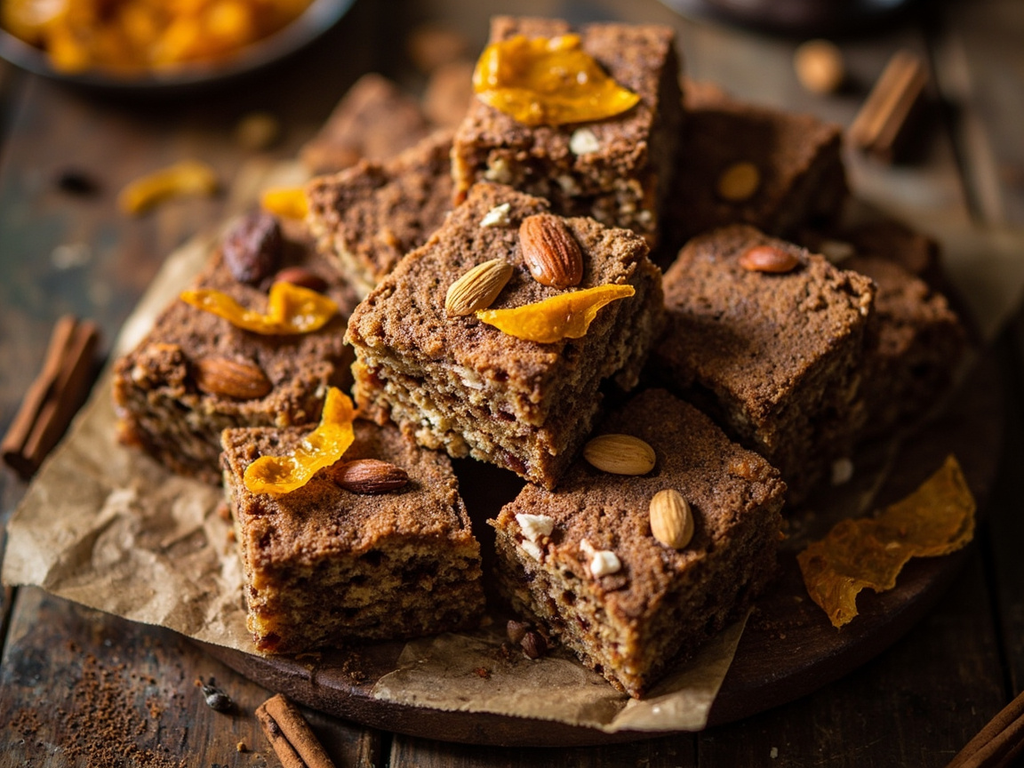
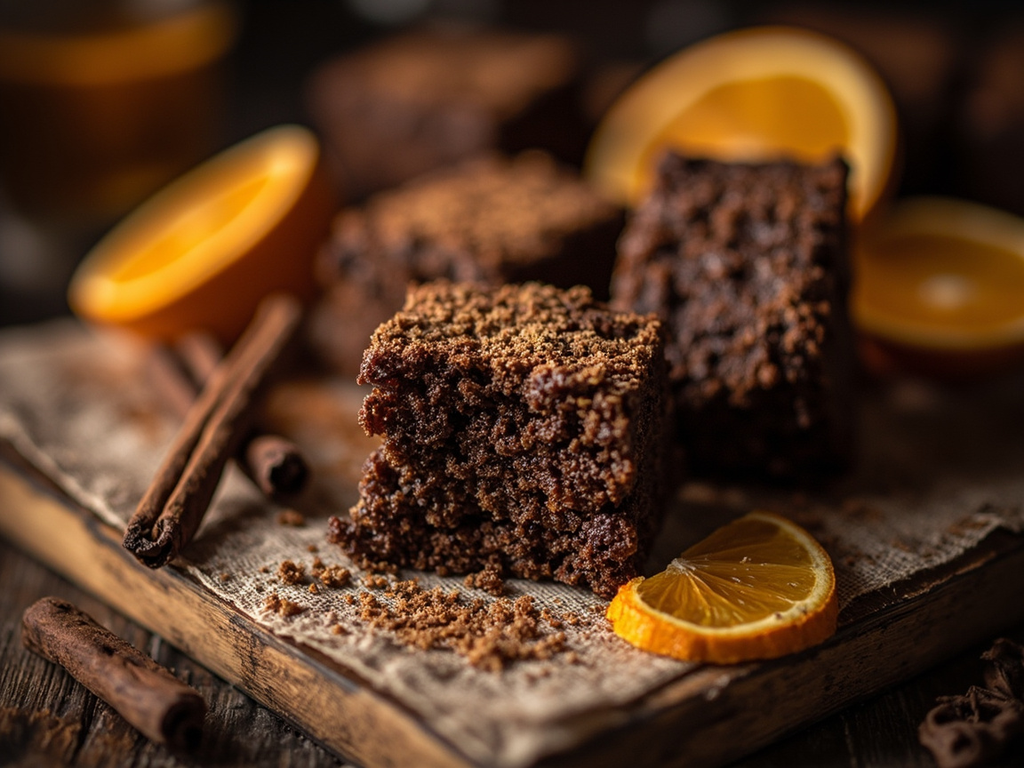
Small firm cakes made with honey, flour, and sweet spices, hardened by baking for better preservation. They are eaten as is or dipped in wine, on the road or by the fireside.
For the road, reader, nothing beats mostaccioli! They are kneaded with good flour, warm honey, and spices — cinnamon especially, and a grain of anise — then baked until they are quite firm under the tooth. Thus hardened, they keep for weeks without spoiling in the chest, which is no small thing when one rides from Naples all the way to the northern lands. In the evening I dipped them in a finger of wine, and it was like finding a little of the sweetness of home in the midst of foreign lands.
- •Wheat flour — enough for a firm dough (structure)
- •Honey — a good portion, warmed (sweetness and preservation)
- •Cinnamon, anise, a little pepper — ground spices (flavor)
- •Wine or flower water — a splash (moistening)
Mostaccioli (honey-spice biscuits)
Small firm cakes made with honey, flour, and sweet spices, hardened by baking for better preservation. They are eaten as is or dipped in wine, on the road or by the fireside.
Why this dish? The 1517-1518 journey led De Beatis across the Alps, on long roads between courts. Mostaccioli — hard honey-spice biscuits that keep for weeks — were the treat of travelers and pilgrims, ideal for a secretary's chest always on the move.
For the road, reader, nothing beats mostaccioli! They are kneaded with good flour, warm honey, and spices — cinnamon especially, and a grain of anise — then baked until they are quite firm under the tooth. Thus hardened, they keep for weeks without spoiling in the chest, which is no small thing when one rides from Naples all the way to the northern lands. In the evening I dipped them in a finger of wine, and it was like finding a little of the sweetness of home in the midst of foreign lands.
Ingredients (period version)
- Wheat flour — enough for a firm dough (structure)
- Honey — a good portion, warmed (sweetness and preservation)
- Cinnamon, anise, a little pepper — ground spices (flavor)
- Wine or flower water — a splash (moistening)
Ingredients
- Wheat flour — 250 g (structure)
- Honey — 180 g (sweetness and preservation)
- Ground cinnamon — 1.5 tsp (dominant spice)
- Ground green anise — 1/2 tsp (flavor)
- Black pepper — 1 pinch (warm note)
- Sweet white wine (or orange flower water) — 2 to 3 tbsp (moistening the dough)
Method
- Warm the honey to make it liquid, mix with spices.
- Pour the spiced honey over the flour, add the wine gradually, and knead into a firm, homogeneous dough (let rest 30 min).
- Roll out the dough to 1 cm thick, cut into diamonds or small ovals.
- Place on a baking sheet and bake at 170 °C for 15-18 min: they should turn golden and harden.
- Let cool completely (they harden further) and store in an airtight container: they keep for several weeks.
How it was made : Mostaccioli (from mustum, must) are attested since Roman antiquity and appear throughout medieval and Renaissance Italy, often with honey and spices, sometimes with cooked must. Their deliberate hardness made them travel and Lent provisions; they appear in 15th-century recipe collections. In Naples, De Beatis's homeland, they are a tenacious tradition.
The contemporary twist : A drizzle of sugar glaze with orange zest on cooled mostaccioli turns them from travel bag to festive table — a nod to Neapolitan mostaccioli today.
Sources : Maestro Martino da Como, Libro de arte coquinaria, c. 1465 · Bartolomeo Platina, De honesta voluptate et valetudine, 1474
Antonio de Beatis · Charactorium