 flip
flipShepherd's migas
Shepherd's migas
Why this dish? Machado, walker of the plateaus and singer of Castilian shepherds, knew this shepherd's dish: week-old dry bread, crumbled and revived in a pan, which keeps and reheats—the cuisine of those who travel the roads and waste nothing.
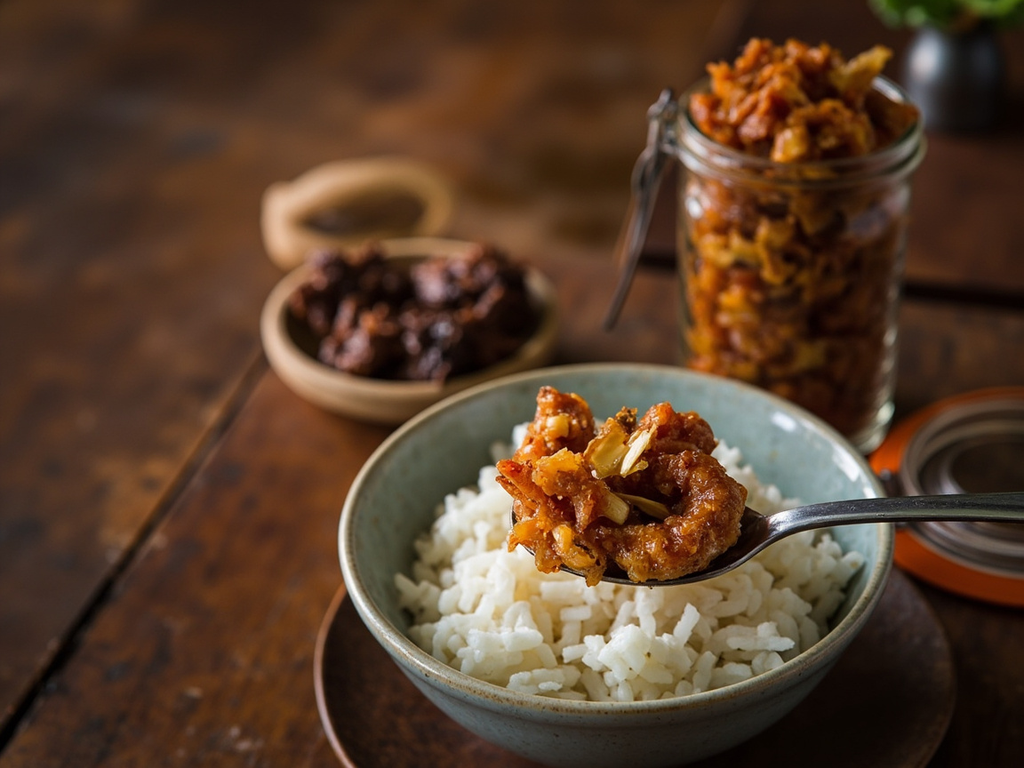
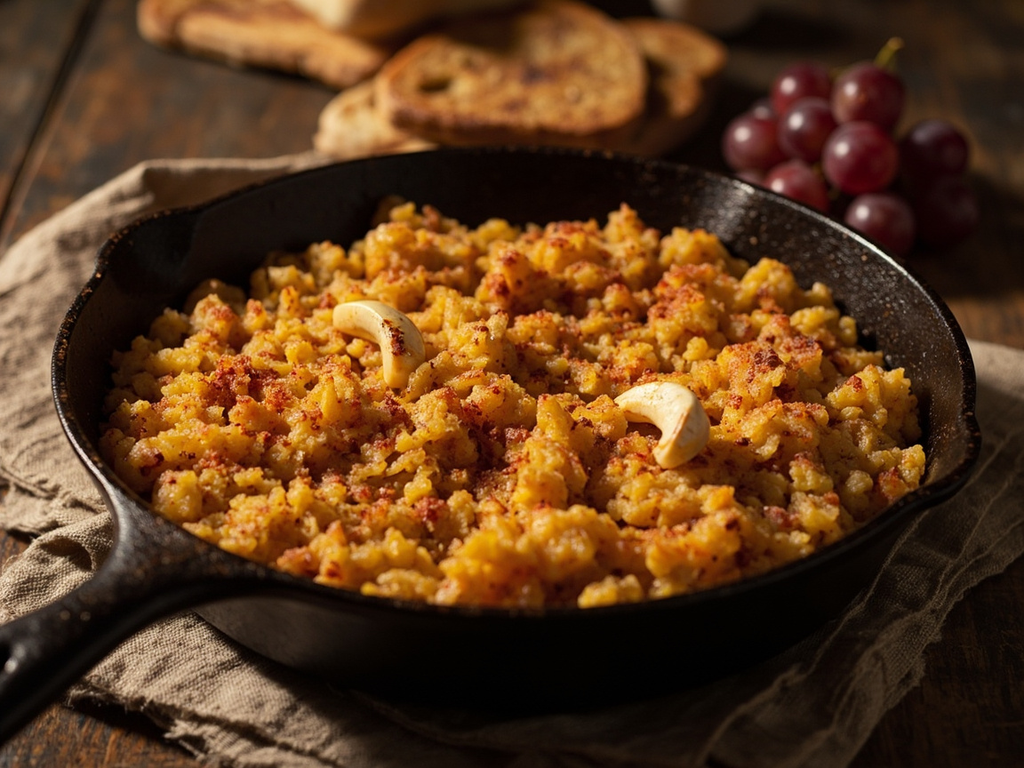
Stale bread crumbled, moistened, then slowly fried with garlic and pimentón until golden and crumbly. The shepherd's anti-waste dish: made with the week's crusts, it keeps for several days.
Stale bread is never thrown away, never: you crumb it the night before, barely wet it with salted water, cover it with a cloth. The next day, in the oil where the garlic sings, I stir and stir it over a patient fire until it turns golden. The shepherds carried it in their bags for the long marches of the plateau—a humble food, like the land of Castile, and one that does not betray.
- •Stale bread — a lot, a week old (base)
- •Garlic in its skin — a few cloves (flavor)
- •Olive oil — generous (frying)
- •Pimentón — a pinch (color and smokiness)
- •Lard or pork rind (on fat days) — a cube (richness)
- •Fresh grapes (in season) — a bunch (sweet contrast)
Shepherd's migas
Stale bread crumbled, moistened, then slowly fried with garlic and pimentón until golden and crumbly. The shepherd's anti-waste dish: made with the week's crusts, it keeps for several days.
Why this dish? Machado, walker of the plateaus and singer of Castilian shepherds, knew this shepherd's dish: week-old dry bread, crumbled and revived in a pan, which keeps and reheats—the cuisine of those who travel the roads and waste nothing.
Stale bread is never thrown away, never: you crumb it the night before, barely wet it with salted water, cover it with a cloth. The next day, in the oil where the garlic sings, I stir and stir it over a patient fire until it turns golden. The shepherds carried it in their bags for the long marches of the plateau—a humble food, like the land of Castile, and one that does not betray.
Ingredients (period version)
- Stale bread — a lot, a week old (base)
- Garlic in its skin — a few cloves (flavor)
- Olive oil — generous (frying)
- Pimentón — a pinch (color and smokiness)
- Lard or pork rind (on fat days) — a cube (richness)
- Fresh grapes (in season) — a bunch (sweet contrast)
Ingredients
- Stale bread — 400 g (base)
- Garlic — 6 cloves, in skin (flavor)
- Extra virgin olive oil — 6 tbsp (frying)
- Smoked paprika — 1 tsp (color)
- Smoked pork belly, diced — 100 g (optional) (richness)
- Salted water — a little, to moisten (rehydration)
- Grapes — a bunch (sweet contrast)
Method
- The night before: crumble or cut the bread into very small pieces, lightly moisten with salted water, cover with a damp cloth overnight.
- Brown the garlic in its skin (and the pork belly) in olive oil, then add the paprika off the heat.
- Add the bread and stir constantly over medium heat for 20 to 30 minutes, until the migas are golden, crumbly, and well separated.
- Serve hot, accompanied by fresh grapes.
- Leftovers keep well and reheat nicely in a pan.
How it was made : A shepherd and peasant dish throughout La Mancha and Castile, born from the need not to waste bread. Patience is everything: you stir constantly so that every crumb browns without sticking.
The contemporary twist : Served in a small bowl with a grape and a fried egg on top, Castilian brunch style.
Sources : Dionisio Pérez, Guía del buen comer español, 1929
Antonio Machado · Charactorium