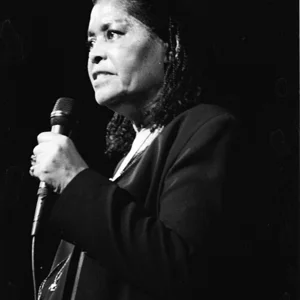

Avril Lavigne is a Canadian singer and songwriter born in 1984 in Belleville, Ontario. She broke through in 2002 with her debut album 'Let Go', becoming an icon of alternative rock and pop-punk for an entire generation.
Avril Lavigne(1984 — ?)
Avril Lavigne
Canada, France
8 min read
Frequently asked questions
Key Facts
- Born September 27, 1984, in Belleville, Ontario, Canada
- Released 'Let Go' in 2002: the album sold over 17 million copies worldwide
- First Canadian artist to reach number one on the UK charts with 'Complicated'
- Nominated for a Grammy Award as early as 2003 for Best New Artist
- Musical comeback in 2019 after a long hiatus due to Lyme disease
Works & Achievements
Avril Lavigne's debut studio album, which launched her to global stardom at age 17. With singles like 'Complicated' and 'Sk8er Boi', it defined the pop-punk sound of a generation and sold over 17 million copies worldwide.
Her second album, marking an artistic evolution toward more personal themes and a darker rock sound. It demonstrated Avril Lavigne's ability to mature creatively while retaining her fanbase.
Her third album, featuring the single 'Girlfriend', which reached number one in 17 countries and became the first YouTube video to surpass 100 million views. It illustrates the growing influence of the internet on music distribution.
An introspective album co-written entirely by Avril Lavigne, regarded by critics as her most personal and musically accomplished work. It showcases her growth as a singer-songwriter.
A return to punk-rock roots after seven years away, produced alongside legends of the genre. It confirms the longevity and artistic consistency of a twenty-year career in a radically transformed music industry.
Avril Lavigne's first worldwide single, which reached number one in numerous countries. This song about authenticity in teenage relationships became an anthem for a generation and remains one of the most iconic tracks of the 2000s.
Anecdotes
Avril Lavigne signed her first record deal with Arista Records at just 16, after being discovered during a radio show in Ottawa. She had traveled to New York for auditions with no professional experience, but her raw talent and distinctive voice immediately won over the producers.
For the writing of her debut album 'Let Go' (2002), Avril Lavigne refused to have outside songwriters impose songs on her, insisting on co-writing her own tracks. This stance — rare for a 17-year-old newcomer — established her credibility with teenage audiences who were looking for an authentic voice.
The music video for 'Sk8er Boi' (2002) helped popularize skate culture and punk-rock fashion among teenagers worldwide. The necktie worn with a T-shirt and baggy jeans became a defining style symbol of the 2000s for an entire generation.
In 2003, Avril Lavigne became the youngest artist to have a number-one album in the United Kingdom with 'Let Go', breaking records that had stood for decades. At 19, she had already sold over 17 million copies of the album worldwide.
After being diagnosed with Lyme disease in 2014, Avril Lavigne spoke publicly about her five-year battle with the debilitating illness, helping raise awareness of a condition that is often misunderstood and difficult to diagnose.
Primary Sources
I'm not a manufactured pop star. I write my own songs, I play my own instruments. I want people to know that what they see is what they get.
I was bedridden for five months. There were days I couldn't shower. I was so weak I could barely talk or walk. I thought I was dying.
Every song on this record has a piece of me in it. I fought to write my own music and I'm proud of every single word.
Canada is my home, and I'll always carry that with me no matter where my music takes me. Thank you for believing in me from the start.
Key Places
Avril Lavigne's hometown, a small city of 50,000 on the shores of Lake Ontario. It's where she grew up, sang in the local church, and developed her love of country music before turning to rock.
It was in this Los Angeles studio that the producer collective The Matrix recorded the first demos for 'Let Go' with Avril Lavigne in 2001. This place symbolizes her transition from a small Canadian town to the heart of the global music industry.
The city where Avril Lavigne moved at age 15 to pursue a career in the music industry, Toronto represents her professional training ground before her international breakthrough. She gave her first notable concerts here.
The town in the region where Avril Lavigne spent part of her childhood and teenage years. It has been mentioned in several interviews as the place of her earliest musical experiences and the formation of her identity.
The iconic venue where Avril Lavigne triumphed during her first world tour in 2003, becoming the youngest artist to sell out this legendary arena. This milestone confirmed her status as an international icon.
Typical Objects

Avril Lavigne's iconic stage instrument, the Gibson SG's heavy, distorted sound embodies her rock identity. She used it from her earliest world tours to assert her status as a genuine musician.

Worn over a white t-shirt or tank top with baggy jeans, the tie repurposed from its formal use became Avril Lavigne's signature look in the early 2000s. This subverted fashion statement symbolized the quiet rebellion of a generation.

A staple of 2000s punk-rock style, stacked rubber or fabric bracelets worn on the wrists were adopted by fans as a direct tribute to Avril Lavigne's look.

Even though Avril Lavigne is not a professional skater, the skateboard appears in her music videos and visual branding, most notably for 'Sk8er Boi'. It became a symbol of the culture she represented.

Avril Lavigne has written her lyrics by hand since her teenage years, with her notebooks bearing witness to her deeply personal creative process. This writing habit allowed her to co-write every one of her albums.

A symbol of her studio work from the age of 16, recording headphones represent the hidden, painstaking side of a career built by an artist who insisted on having control over her own music production.
School Curriculum
Vocabulary & Tags
Key Vocabulary
Tags
Daily Life
Morning
On world tour, Avril Lavigne starts her day around 10am with a light breakfast in her dressing room or tour bus. She reviews her lyrics for the evening's concerts and often works on new song lyrics in her notebook — according to her interviews, morning is when inspiration tends to strike.
Afternoon
Afternoons are dedicated to sound checks and hair and makeup sessions ahead of the concert. In the studio, she spends hours recording vocal takes, often pushing until she finds the version that feels emotionally right rather than technically perfect.
Evening
Concert nights begin with an adrenaline rush backstage with her crew, followed by two-hour performances in front of thousands of fans. After the show, she often meets fans at signing sessions — a practice she keeps up despite the exhaustion as a sign of respect for her audience.
Food
According to her interviews, Avril Lavigne has followed a mostly vegetarian diet since mid-career, favoring natural, whole foods. On tour, she insists on having fresh vegetables in her dressing room, even if fast food is part of the reality of life on the road.
Clothing
Her signature look in the early 2000s was a blend of punk-rock and casualwear: baggy or cargo jeans, layered T-shirts or tank tops, a tie worn as an accessory, stacked bracelets, and skate shoes. This deliberately masculine-feminine style was a statement of identity against the sexy pop image imposed on female singers of her era.
Housing
At 16, Avril Lavigne left Napanee for Toronto and then Los Angeles, initially living in hotels and rental studios while recording her debut album. Success allowed her to purchase a property in Los Angeles, but she returns to Canada regularly to find inspiration and stay connected to her roots.
Historical Timeline
Period Vocabulary
Visual Style
Esthétique punk-rock féminine des années 2000 caractérisée par le mélange de vêtements masculins détournés, d'accessoires punk et d'une identité visuelle rebelleen milieu urbain.
Sound Ambience
Ambiance sonore mêlant guitares électriques distordues et percussions punk-rock caractéristiques du début des années 2000, ponctuée des sons de studio d'enregistrement et de concerts en arène qui ont marqué la carrière d'Avril Lavigne.