The Altar Meal of Ekron
In Philistine cities like Ekron, the cultic meal was not divided into starter-main-dessert but into portions shared between the deity and his temple staff. First came the libations (wine and oil poured on the horned altar), then the solid offerings: bread baked that morning, roasted meats, fruits, and honey cakes. What the flame did not consume went to the priests, who ate "before" the god. The rhythm followed the sacrifice, not taste: from sacred liquid to solid, from burnt to sweet.
Signature : Ekron Olive Oil
Ekron (Tel Miqne) was in the 7th century BC the largest olive oil production center in the ancient Near East — over a hundred presses. Oil there was wealth, currency, and sacred matter: it was poured on the altar, drizzled over meats, and kneaded into bread. It perfumes nearly every dish on this table.
Beelzebub at the table
5 period recipes
 Festive
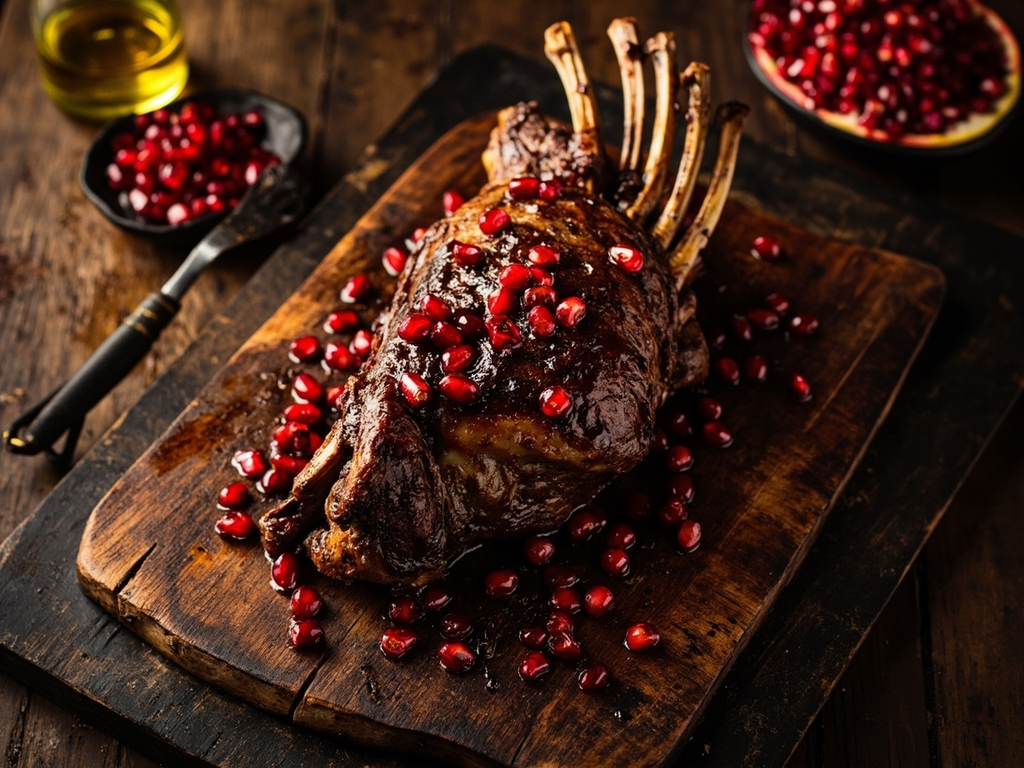
Fire-Roasted Lamb with Pomegranate and Coriander
Meat offering (burnt portion for the god, portion eaten by priests)
🧂 🍄 🍋· 3 h 30 (including marinade)
View the recipe
 Everyday
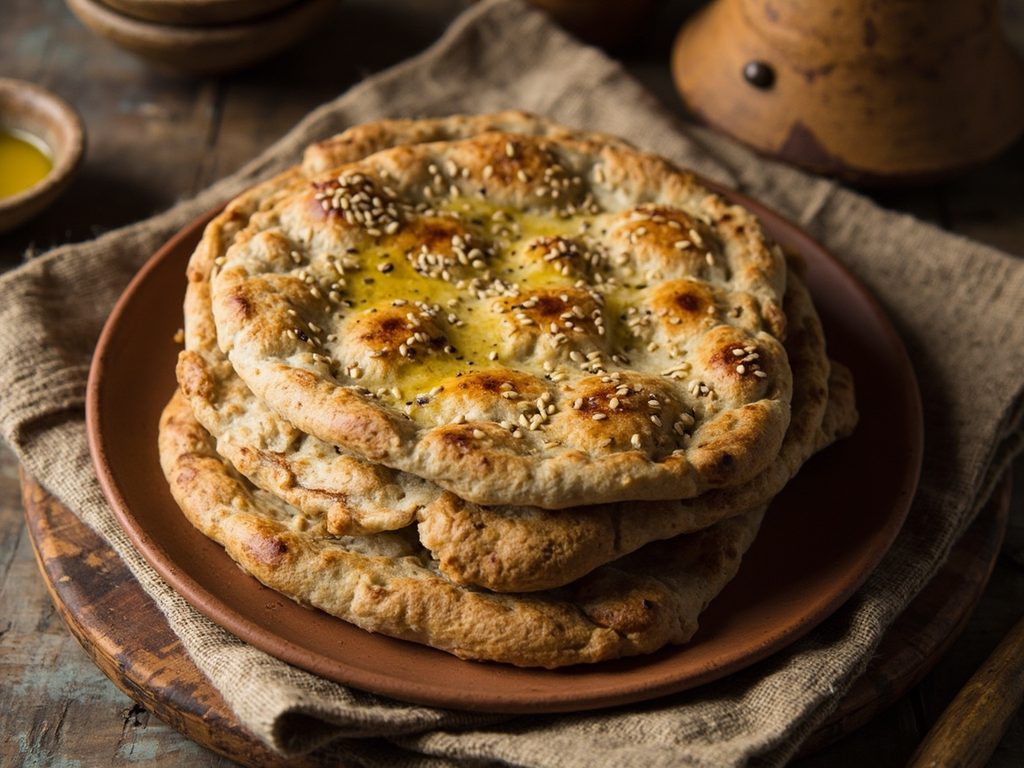
Morning Barley Flatbread with Oil
Daily offering bread (placed then shared by temple staff)
🧂· 1 h
View the recipe
 Drink
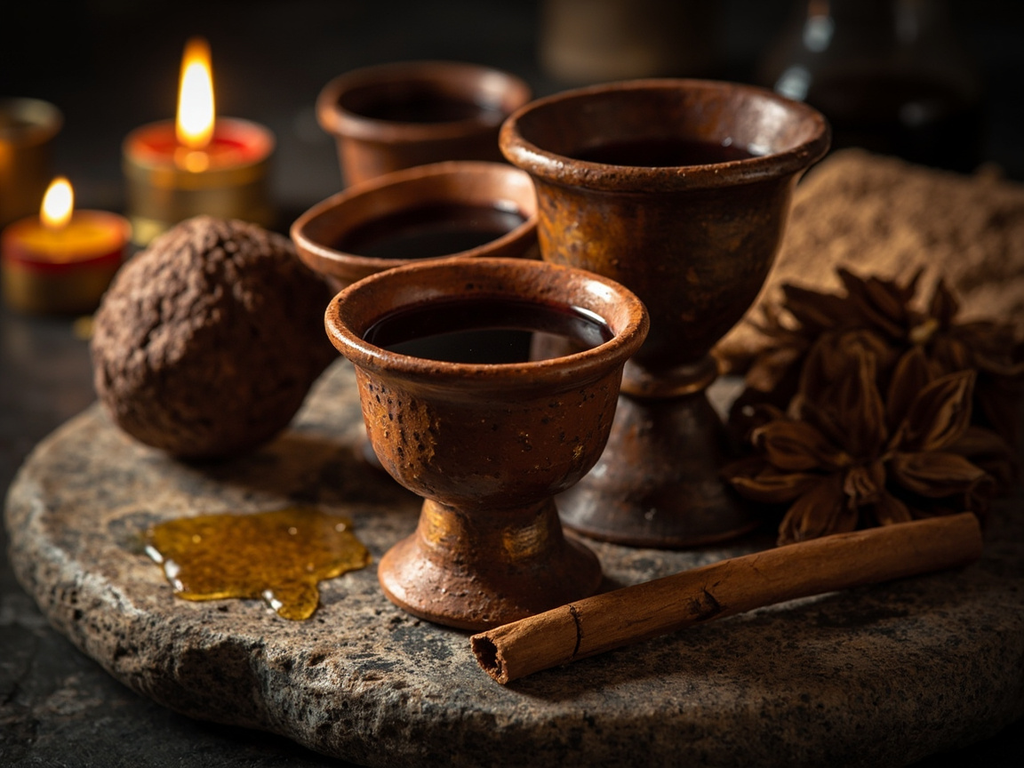
DrinkLibation Wine with Honey and Resin
Libation poured on the altar before the meal
🍋 🫙 🍯· 20 min
View the recipe
 Travel
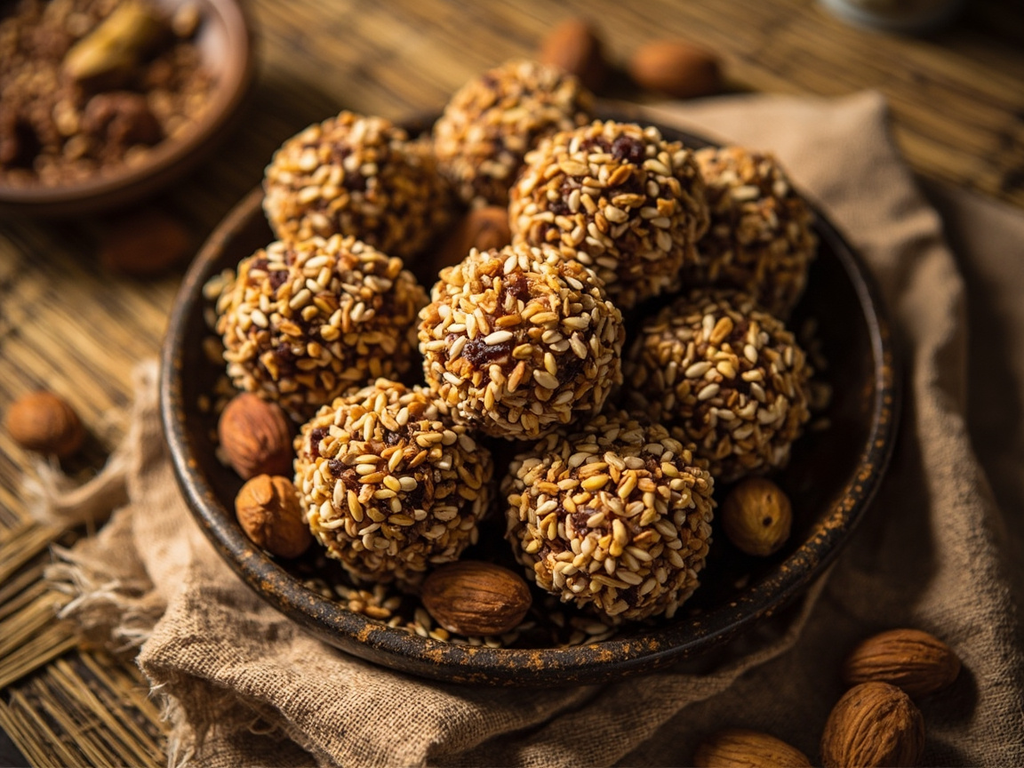
Fig Cakes with Honey and Sesame, for the Road
Travel provision (pressed fruit cake, type debela)
🍯· 30 min (excluding drying)
View the recipe
 Preserving
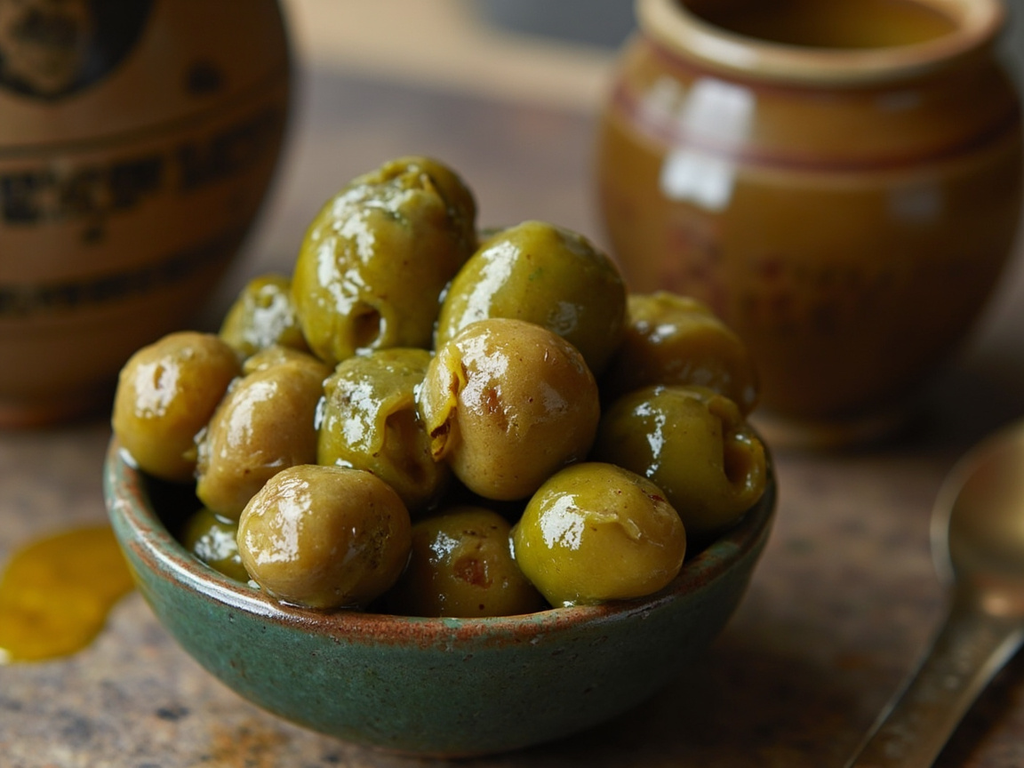
Cracked Olives in Hyssop Brine
Preserved olives (fermented from the press)
☕ 🧂 🫙· 30 min (+ 4 to 7 weeks fermentation)
View the recipe