 flip
flipFig Cakes with Honey and Sesame, for the Road
Fig Cakes with Honey and Sesame, for the Road
Why this dish? The 'Lord of the Flies' gets his name from what attracts flies: flesh, but especially sugar and honey. These sticky, dense fig cakes, which kept for weeks, were the provisions of caravans crossing the Levant — and the quintessential sweet offering, irresistible to insects and devotees alike.
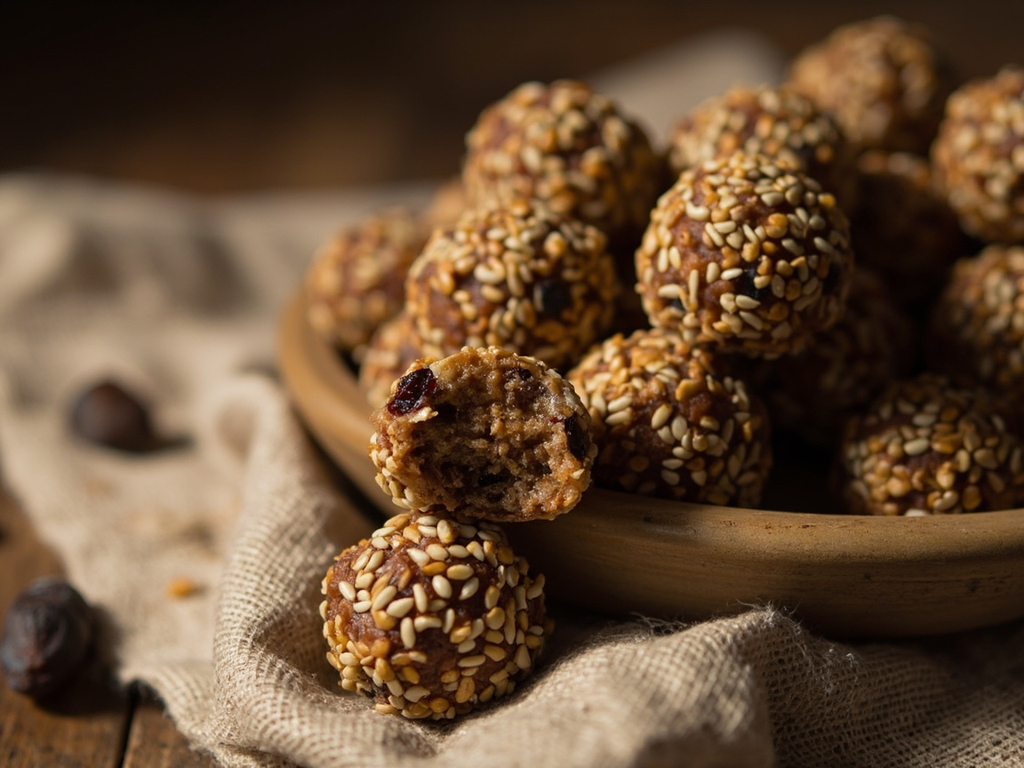
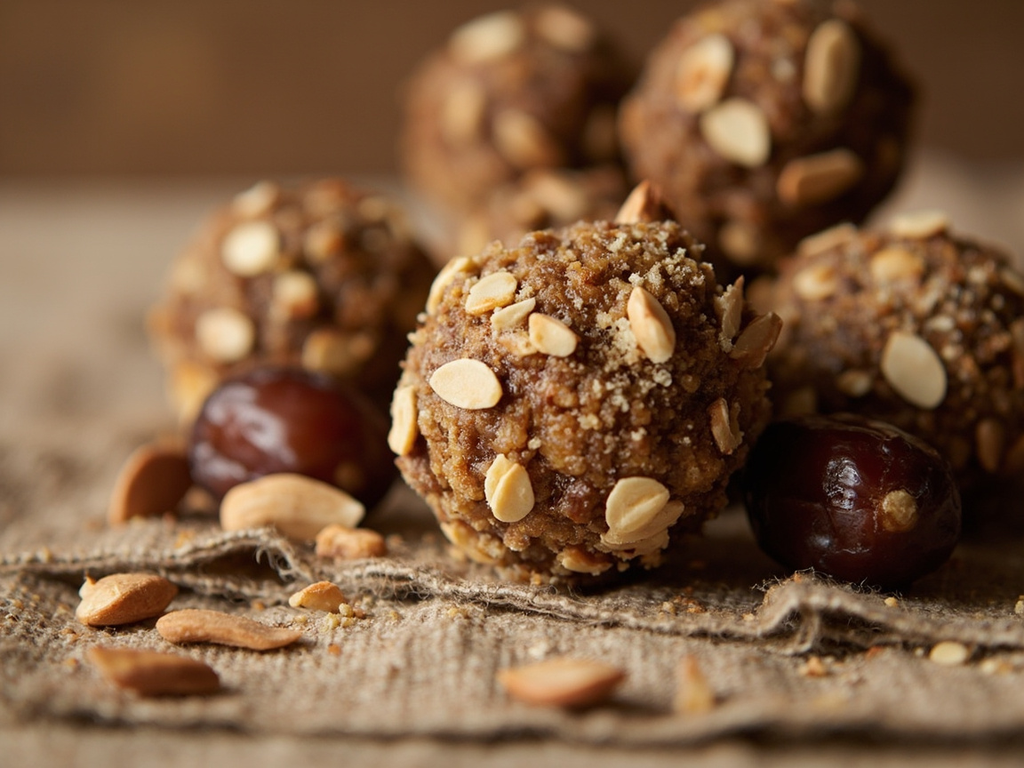
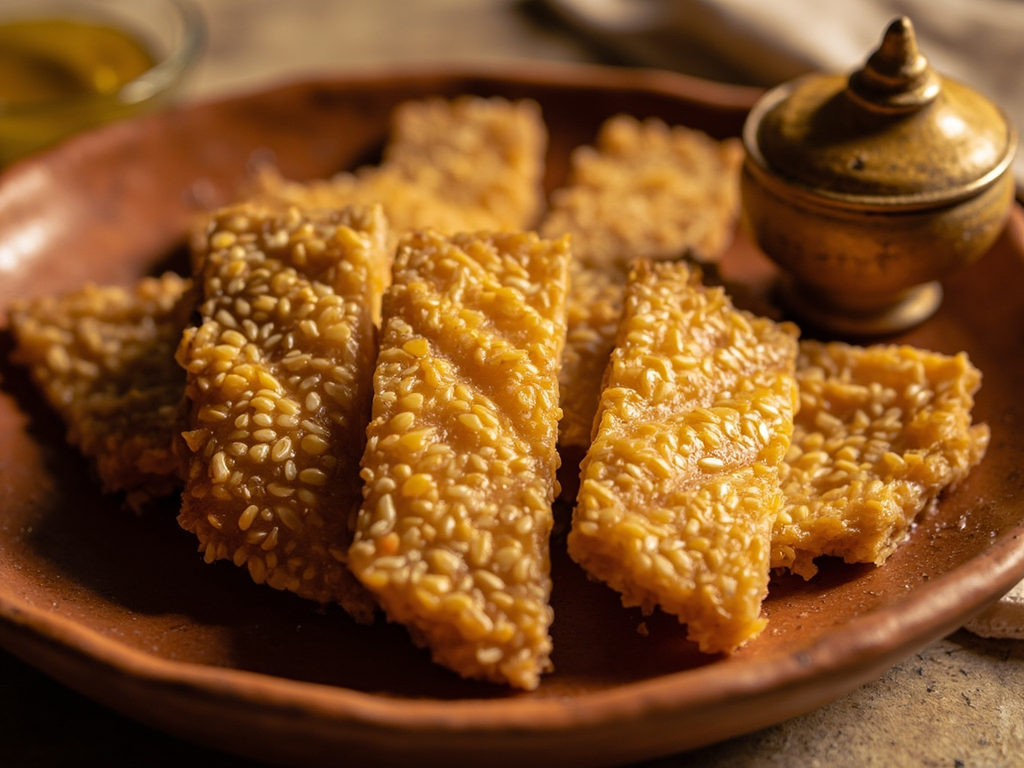
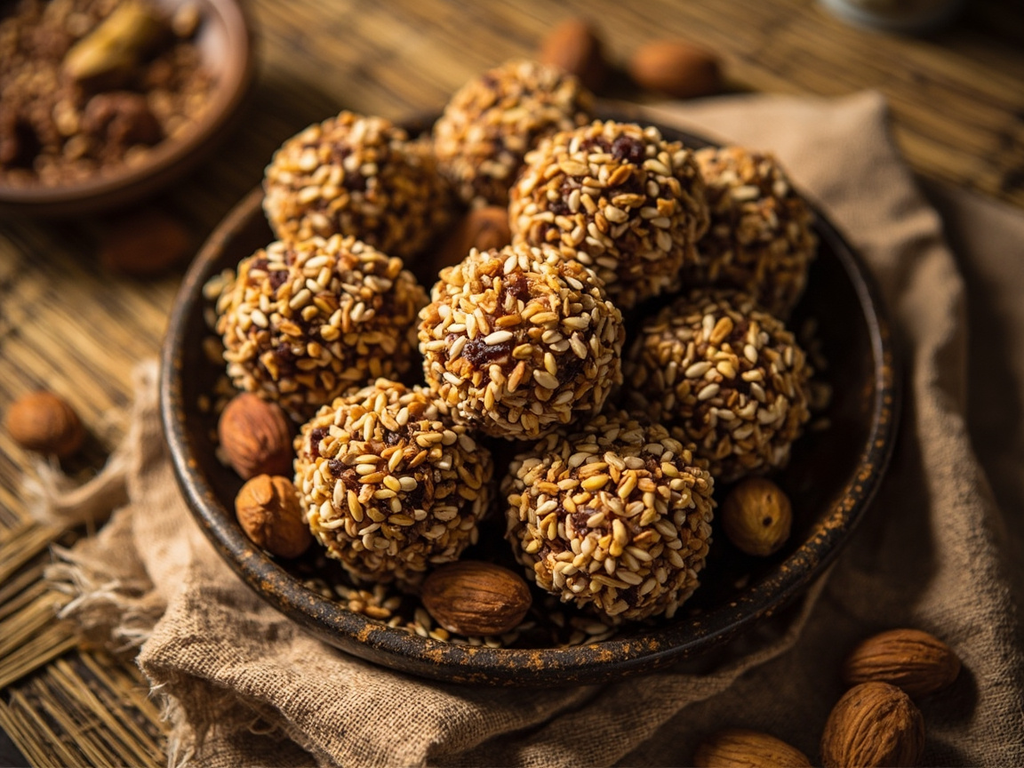
Dried figs pounded with honey, almonds, and sesame, pressed into compact little cakes. Very sweet, energizing, they keep well and fit in a pouch: the 'energy bar' of antiquity.
Do you know why I am called Lord of the Flies? Because nothing sweet escapes them — nor me. My pilgrims pounded dried figs with honey and almonds, pressed them into cakes hard as stone, and carried them on the burning roads to my sanctuary. Roll them in sesame so they do not stick too much to your fingers. And if a swarm follows you to my gate, fear not: it only shows you the way.
- •Dried figs — a good measure (sweet base)
- •Honey — to bind (binder and sweetness)
- •Almonds — a handful (crunch)
- •Sesame seeds — for coating (coating)
- •Coriander or crushed anise — a pinch (flavor)
Fig Cakes with Honey and Sesame, for the Road
Dried figs pounded with honey, almonds, and sesame, pressed into compact little cakes. Very sweet, energizing, they keep well and fit in a pouch: the 'energy bar' of antiquity.
Why this dish? The 'Lord of the Flies' gets his name from what attracts flies: flesh, but especially sugar and honey. These sticky, dense fig cakes, which kept for weeks, were the provisions of caravans crossing the Levant — and the quintessential sweet offering, irresistible to insects and devotees alike.
Do you know why I am called Lord of the Flies? Because nothing sweet escapes them — nor me. My pilgrims pounded dried figs with honey and almonds, pressed them into cakes hard as stone, and carried them on the burning roads to my sanctuary. Roll them in sesame so they do not stick too much to your fingers. And if a swarm follows you to my gate, fear not: it only shows you the way.
Ingredients (period version)
- Dried figs — a good measure (sweet base)
- Honey — to bind (binder and sweetness)
- Almonds — a handful (crunch)
- Sesame seeds — for coating (coating)
- Coriander or crushed anise — a pinch (flavor)
Ingredients
- Soft dried figs — 300 g (base)
- Honey — 2 tbsp (binder)
- Blanched almonds — 80 g (crunch)
- Sesame seeds — 4 tbsp (coating)
- Anise or coriander seeds — 1 tsp (flavor)
Method
- Briefly toast almonds and sesame seeds dry, then coarsely chop almonds.
- Blend or pound figs into a thick paste with honey and anise seeds.
- Fold chopped almonds into the fig paste.
- Form small cakes or compact discs by hand.
- Roll each cake in toasted sesame and let air-dry for a few hours before storing in a cloth.
How it was made : Pressed dried fruits — figs, dates, raisins — were the ideal travel provision: concentrated sugar, long shelf life, light weight. They were bound with honey and coated with flour or sesame. These 'fig cakes' are mentioned in biblical texts (debela) and were also sweet offerings.
The contemporary twist : Half-coat them in black and white sesame and present them lined up like 'seals' — black and gold little caravan treasures.
Sources : 1 Samuel 25 and 1 Chronicles 12 (fig cakes, debela) · Nathan MacDonald, What Did the Ancient Israelites Eat?
Beelzebub · Charactorium