Benito Juárez(1806 — 1872)
Benito Juárez
Mexique
5 min read
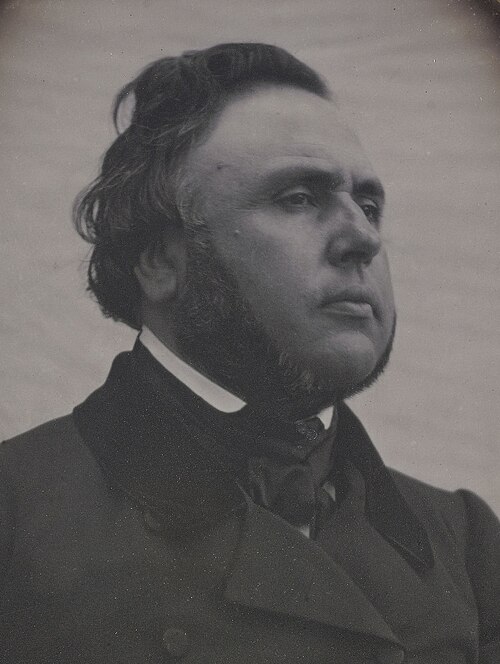
Benito Juárez was a Mexican statesman of indigenous Zapotec origin who served as president of Mexico on several occasions between 1858 and 1872. A leading figure of liberalism, he carried out major secular reforms and resisted the French intervention and the Empire of Maximilian.
Frequently asked questions
Famous Quotes
« Among individuals, as among nations, respect for the rights of others is peace.»
Key Facts
- Born in 1806 in Oaxaca into an indigenous Zapotec family, he became a lawyer and then governor of the state of Oaxaca
- Enacted the Reform Laws (Ley Juárez, 1855), limiting the privileges of the clergy and the army
- President of Mexico from 1858, during the Reform War between liberals and conservatives
- Resisted the French intervention (1862-1867) and the Empire of Maximilian, whom he had executed by firing squad in 1867
- Re-elected president, he died in office in 1872 in Mexico City
Works & Achievements
Abolished the special courts of the clergy and the army, establishing the principle of equality before the law.
Juárez defended and enforced the liberal Constitution, the legal foundation of modern Mexico.
Separated Church and State, nationalized the property of the clergy, and established secular civil registration.
Maintained an itinerant republican government and organized the struggle against the army of Napoleon III.
Restored republican order after the fall of Maximilian's Empire, a victory for national sovereignty.
Developed secular and free education and reorganized the administration of the State.
Anecdotes
Benito Juárez was born in a Zapotec village in the state of Oaxaca and spoke only Zapotec until the age of 12. Orphaned very young, he tended sheep before walking to the city to learn Spanish and pursue an education: he became a lawyer and then president, an exceptional journey for an Indigenous man in 19th-century Mexico.
In 1864, Emperor Maximilian, placed on the Mexican throne by Napoleon III, wrote to Juárez offering him a position as a minister, hoping to win him over. Juárez refused with a now-famous statement about the right of peoples to govern themselves, and continued the republican resistance.
When the French army advanced, Juárez never surrendered: he moved his government from town to town across the country, carrying the archives of the Republic in a black carriage. His traveling government was nicknamed “the Republic on wheels.”
After Maximilian's capture in 1867, many European sovereigns (and Victor Hugo wrote a letter) begged Juárez to spare the emperor. Juárez upheld the death sentence, wanting to show that no foreign power could impose a monarch on Mexico. Maximilian was executed by firing squad at the Cerro de las Campanas, in Querétaro.
Juárez has remained a national symbol: his phrase “Among individuals, as among nations, respect for the rights of others is peace” is etched into Mexican memory. His birthday is a national holiday in Mexico.
Primary Sources
Abolition of the special ecclesiastical and military courts for civil matters, establishing the equality of all citizens before the law.
The constitutional government asserts its legitimacy against the conservative coup d'état and calls on Mexicans to defend the Reform Laws.
Nationalization of the clergy's property, separation of Church and State, and the institution of secular marriage and civil registry.
“Among individuals, as among nations, respect for the rights of others is peace.”
Key Places
Zapotec mountain village where Juárez was born in 1806 and spent his childhood as a shepherd.
City where Juárez studied, became a lawyer and then governor of the state; today it bears his name.
Port from which Juárez led the liberal government during the Reform War and promulgated the Reform Laws.
Capital where Juárez held the presidency, restored the Republic in 1867 and died in 1872.
Site of the capture and then execution of Emperor Maximilian in 1867, marking the end of the French intervention.
Northern border city where Juárez took refuge with his roving government in the face of the French advance; it now bears his name.