 flip
flipDal bhat tarkari of the palace
Dal bhat tarkari of the palace
Why this dish? This was the foundation of each day at Narayanhiti: a Nepali king, however high his station, always returned to dal bhat, the national dish eaten twice a day from peasant to sovereign. Prepared according to the strict purity rites of his high Hindu caste.
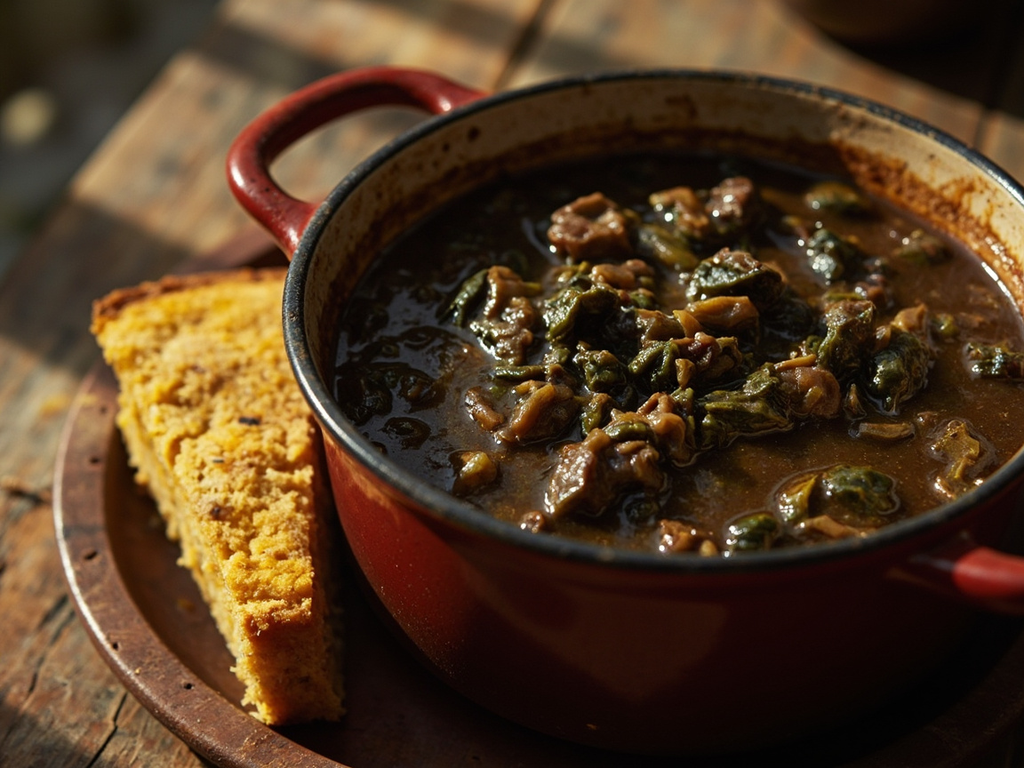
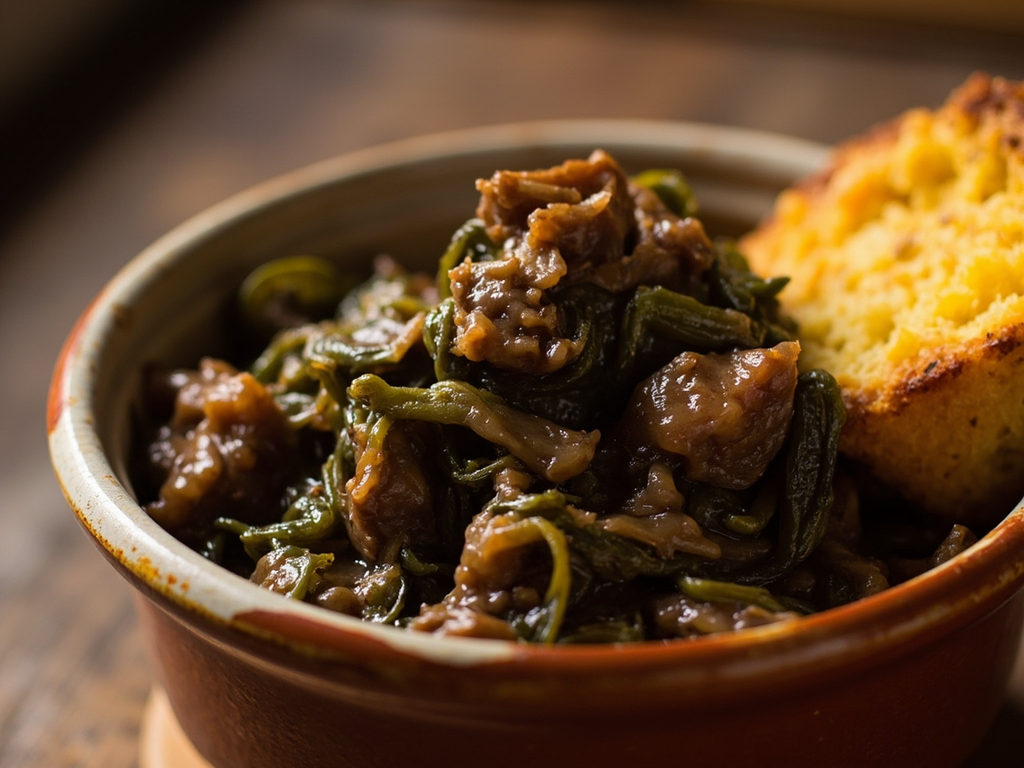
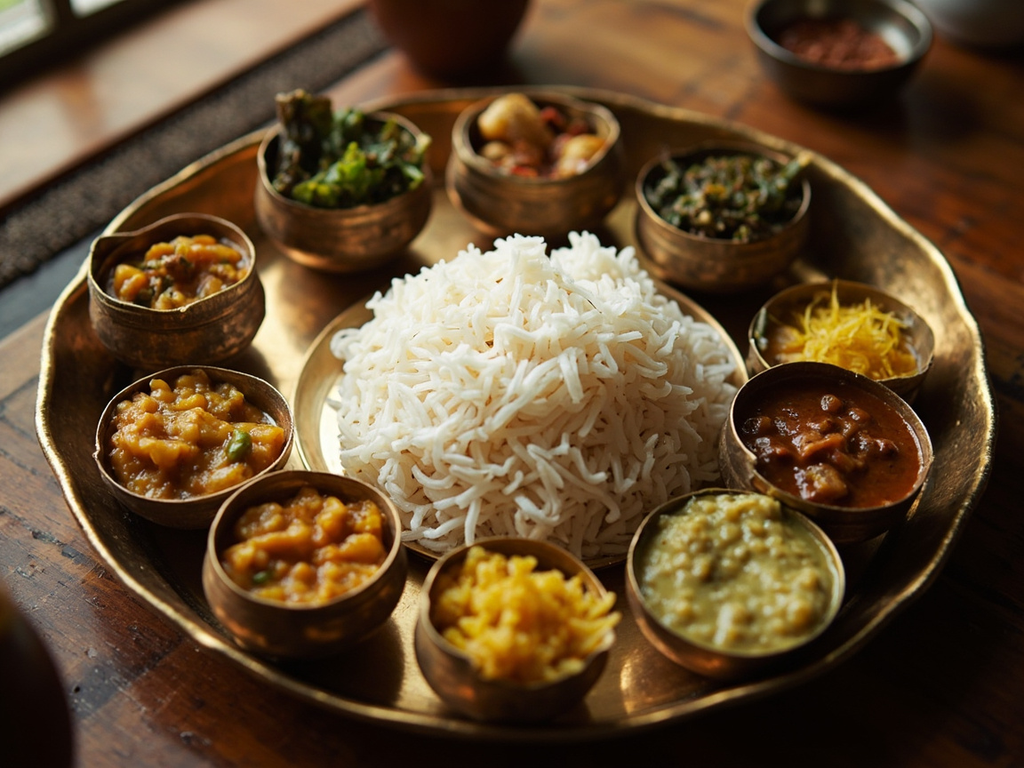
Steamed rice surrounded by a dal of lentils perfumed with jimbu and a tarkari of seasonal vegetables. The matrix meal of Nepal, humble and complete, shared by the whole kingdom.
You might think a king eats rare delicacies every day? Think again. Morning and evening, I was served dal bhat, like the humblest of my subjects in the hills. The secret lies in an herb from our mountains, jimbu: we make it sing for an instant in hot ghee, then pour it over the lentils — and the whole palace remembers the scent of the Himalayas. Eat it with your right hand, mix the rice with each bowl: that is how we honor the table.
- •White mountain rice — one full measure (the bhat, base of the meal)
- •Red lentils (masoor) or black lentils — a generous handful (the dal)
- •Jimbu (dried Himalayan chives) — a pinch (signature aroma)
- •Ghee — to taste (fat for tarka)
- •Fresh turmeric, ginger, garlic — to taste (aromatics)
- •Seasonal vegetables (spinach, radish, peas) — a basket (tarkari)
Dal bhat tarkari of the palace
Steamed rice surrounded by a dal of lentils perfumed with jimbu and a tarkari of seasonal vegetables. The matrix meal of Nepal, humble and complete, shared by the whole kingdom.
Why this dish? This was the foundation of each day at Narayanhiti: a Nepali king, however high his station, always returned to dal bhat, the national dish eaten twice a day from peasant to sovereign. Prepared according to the strict purity rites of his high Hindu caste.
You might think a king eats rare delicacies every day? Think again. Morning and evening, I was served dal bhat, like the humblest of my subjects in the hills. The secret lies in an herb from our mountains, jimbu: we make it sing for an instant in hot ghee, then pour it over the lentils — and the whole palace remembers the scent of the Himalayas. Eat it with your right hand, mix the rice with each bowl: that is how we honor the table.
Ingredients (period version)
- White mountain rice — one full measure (the bhat, base of the meal)
- Red lentils (masoor) or black lentils — a generous handful (the dal)
- Jimbu (dried Himalayan chives) — a pinch (signature aroma)
- Ghee — to taste (fat for tarka)
- Fresh turmeric, ginger, garlic — to taste (aromatics)
- Seasonal vegetables (spinach, radish, peas) — a basket (tarkari)
Ingredients
- Basmati or long-grain rice — 300 g (the bhat)
- Red lentils — 200 g (the dal)
- Jimbu — 1 teaspoon (substitute: chives + a pinch of dried garlic) (signature aroma)
- Ghee — 2 tablespoons (tarka)
- Turmeric powder — 1 teaspoon (color and earthiness)
- Ginger + garlic — 1 piece + 2 cloves (aromatics)
- Cumin seeds — 1 teaspoon (tarka)
- Spinach or white radish — 300 g (tarkari)
- Salt — to taste (seasoning)
Method
- Rinse the rice until the water runs clear, then cook it in water (1 volume rice to 2 water) until fully absorbed.
- Cook the lentils with turmeric and water until they break down into a soft mush; season with salt.
- Prepare the tarka: heat the ghee, fry cumin, minced garlic, and jimbu for a few seconds, then pour it boiling over the dal — it should sizzle.
- Sauté the vegetables with ginger, garlic, and a pinch of turmeric for the tarkari.
- Arrange the rice in the center of a platter, place dal and tarkari in bowls around it. Serve everything at once.
How it was made : Dal bhat was cooked over a wood or gas fire, the rice in a brass steam press. In the royal kitchens, Brahmin cooks guaranteed ritual purity: a dish touched by a person of another caste became jutho (defiled) and was set aside.
The contemporary twist : Pour the tarka at the table, in front of the guests: the sizzling and plume of jimbu aroma turn a daily dish into a little spectacle.
Birendra · Charactorium