 flip
flipPlakous with Honey and Cheese, Offering to the Gods
Plakous with Honey and Cheese, Offering to the Gods
Why this dish? Calypso, a goddess, feeds on nectar and ambrosia. Plakous—a honey and fresh cheese cake, ancestor of the Roman 'placenta'—is the cake the Greeks offered to the gods: the mortal food that comes closest to divine sweetness. On her altar on Ogygia, it is the sweet bridge between her immortal table and that of men.
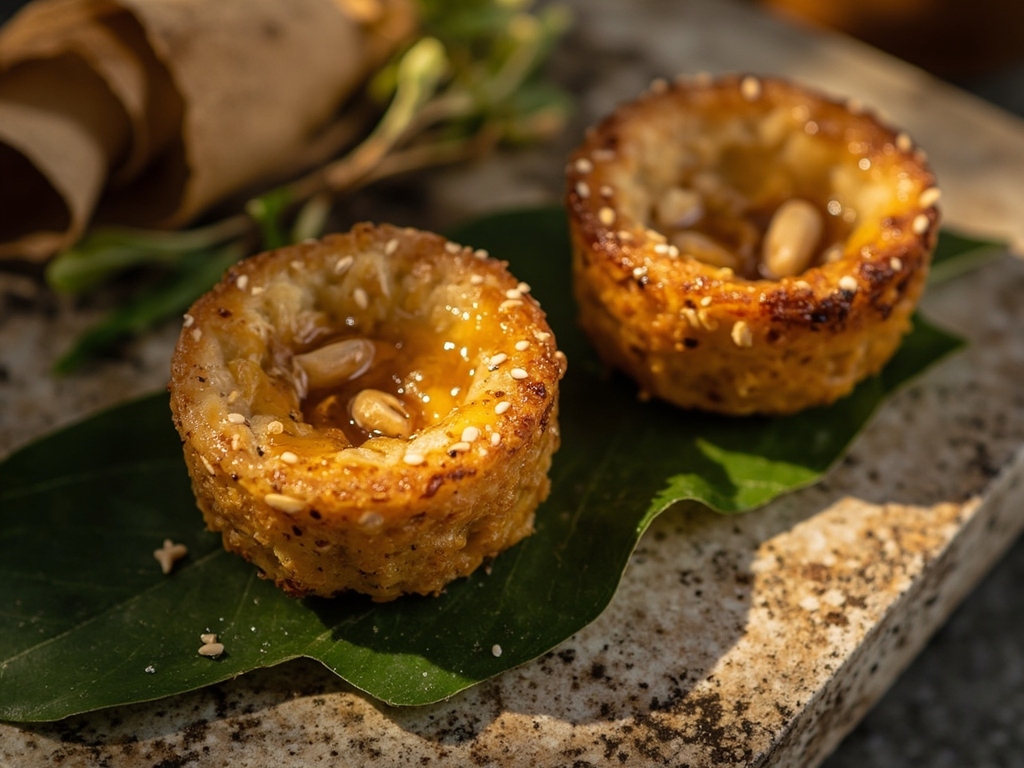
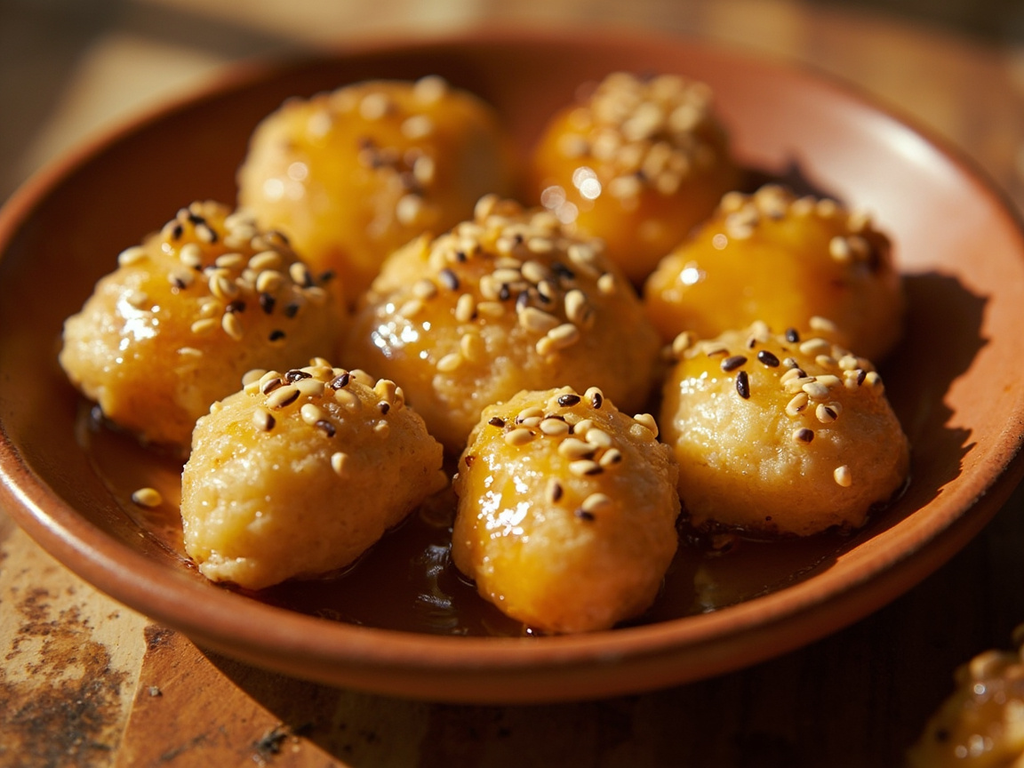
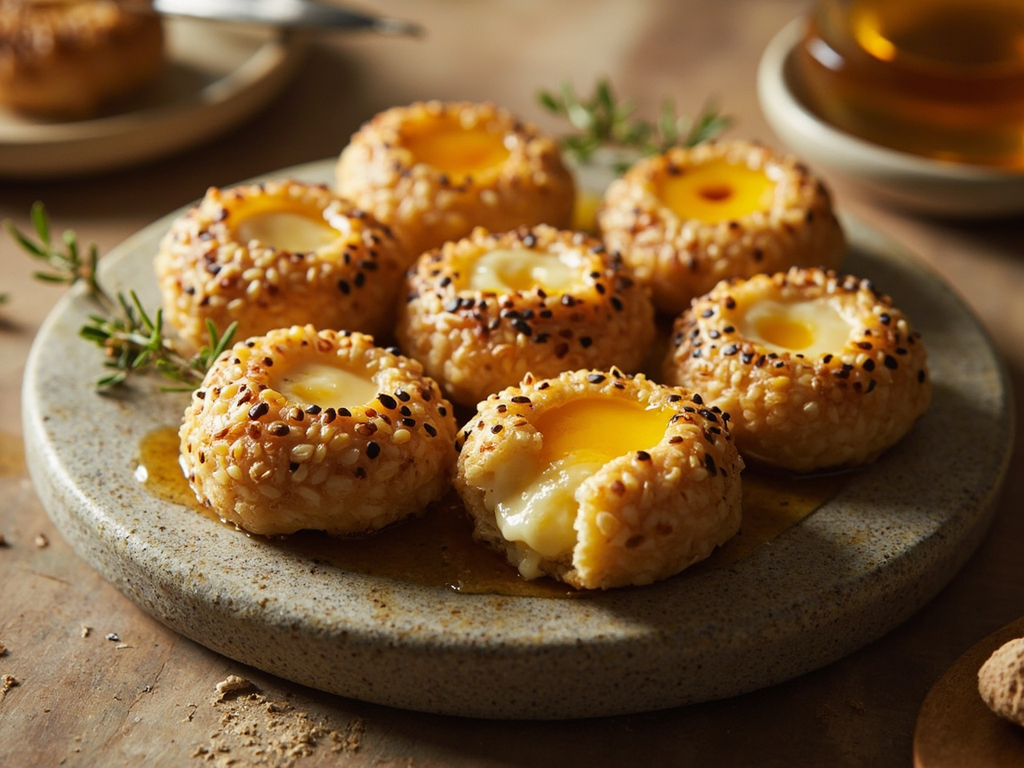
Thin sheets of dough filled with fresh cheese beaten with honey, perfumed with sesame, baked until the honey caramelizes on the edges. A cake neither too sweet nor leavened, dense and fragrant, such as those placed on altars.
To the gods who made me immortal, I offer not the blood of beasts but what is sweet like ambrosia: honey taken from wild swarms, fresh cheese from my goats, beaten together between sheets of dough. I bake it slowly, I sprinkle it with sesame, and the crust turns golden like the sun. Taste it, you: it is the closest to the feast of the Olympians that your mortal mouth can reach—and that is already much.
- •Fresh goat or sheep cheese — a bowl (filling)
- •Wild honey — generous (sweetener, signature)
- •Thin sheets of wheat dough — several (layered structure)
- •Sesame seeds — a handful (scent, crunch)
- •Olive oil — for the sheets (cooking)
Plakous with Honey and Cheese, Offering to the Gods
Thin sheets of dough filled with fresh cheese beaten with honey, perfumed with sesame, baked until the honey caramelizes on the edges. A cake neither too sweet nor leavened, dense and fragrant, such as those placed on altars.
Why this dish? Calypso, a goddess, feeds on nectar and ambrosia. Plakous—a honey and fresh cheese cake, ancestor of the Roman 'placenta'—is the cake the Greeks offered to the gods: the mortal food that comes closest to divine sweetness. On her altar on Ogygia, it is the sweet bridge between her immortal table and that of men.
To the gods who made me immortal, I offer not the blood of beasts but what is sweet like ambrosia: honey taken from wild swarms, fresh cheese from my goats, beaten together between sheets of dough. I bake it slowly, I sprinkle it with sesame, and the crust turns golden like the sun. Taste it, you: it is the closest to the feast of the Olympians that your mortal mouth can reach—and that is already much.
Ingredients (period version)
- Fresh goat or sheep cheese — a bowl (filling)
- Wild honey — generous (sweetener, signature)
- Thin sheets of wheat dough — several (layered structure)
- Sesame seeds — a handful (scent, crunch)
- Olive oil — for the sheets (cooking)
Ingredients
- Ricotta or drained fromage frais — 250 g (filling)
- Honey — 100 g plus a little to finish (sweetener)
- Filo pastry (or thin sheets) — 6 sheets (structure)
- Sesame seeds — 2 tbsp (scent, crunch)
- Mild olive oil or melted butter — 3 tbsp (cooking)
Method
- Beat the fresh cheese with the honey until smooth.
- Oil a small mold and layer 3 sheets of pastry, brushing oil between each.
- Spread the cheese cream, cover with the remaining 3 sheets, oiled likewise.
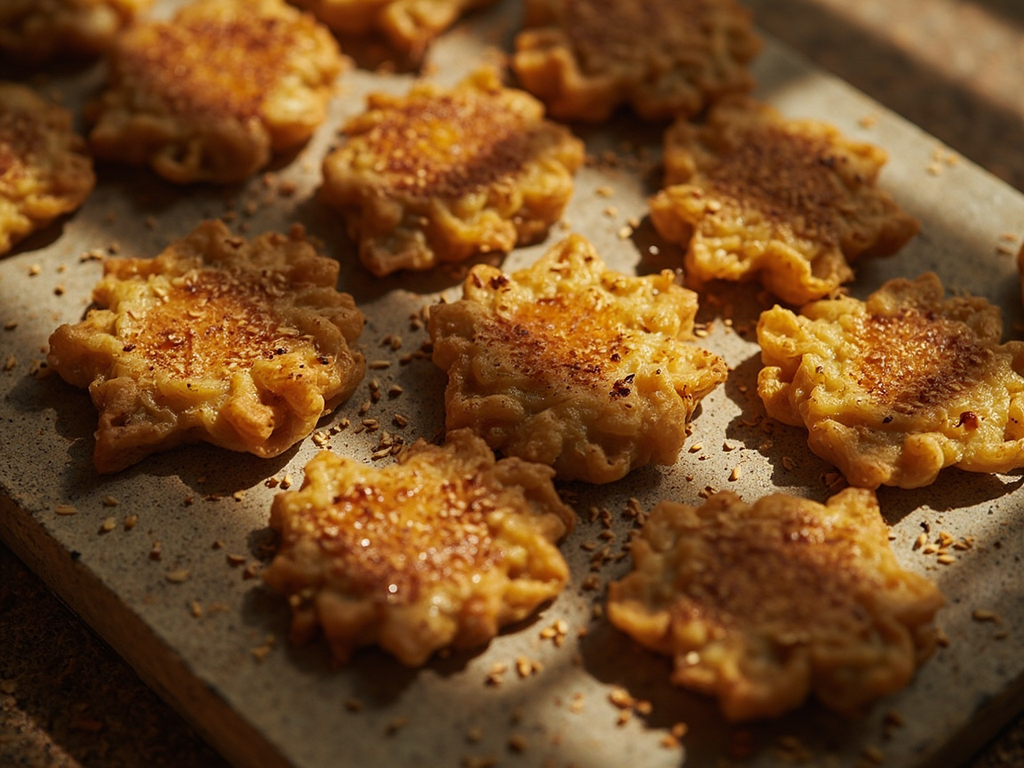
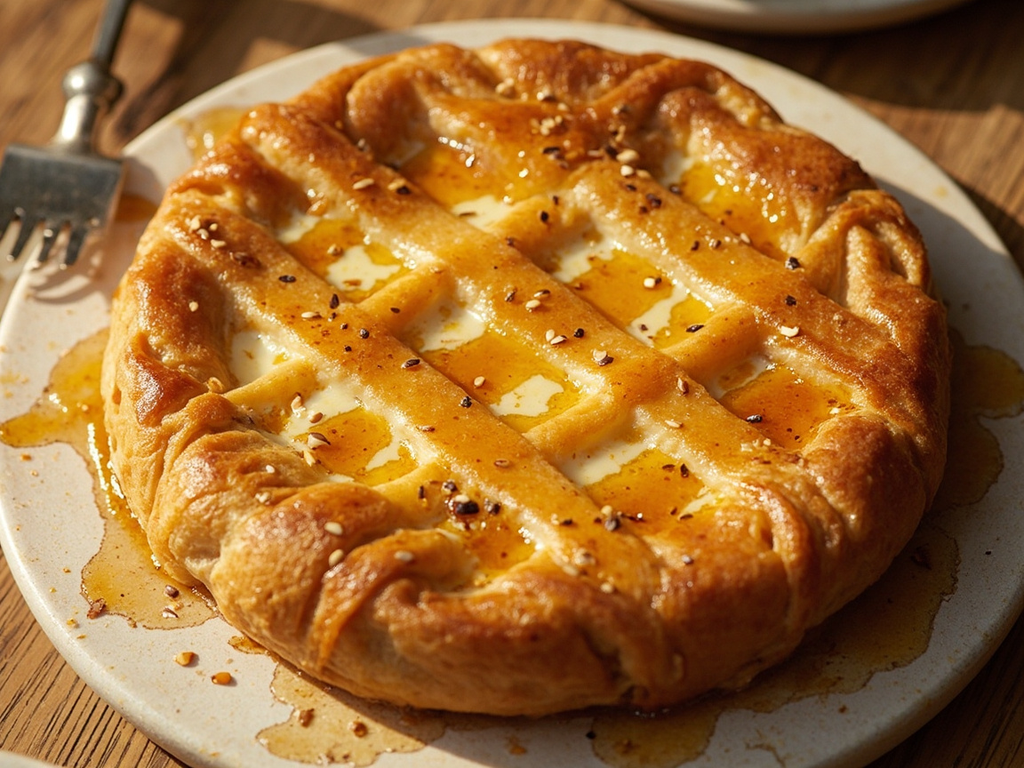
- Score the surface in a diamond pattern with a knife, sprinkle with sesame.
- Bake at 180°C for 25-30 minutes until golden on top.
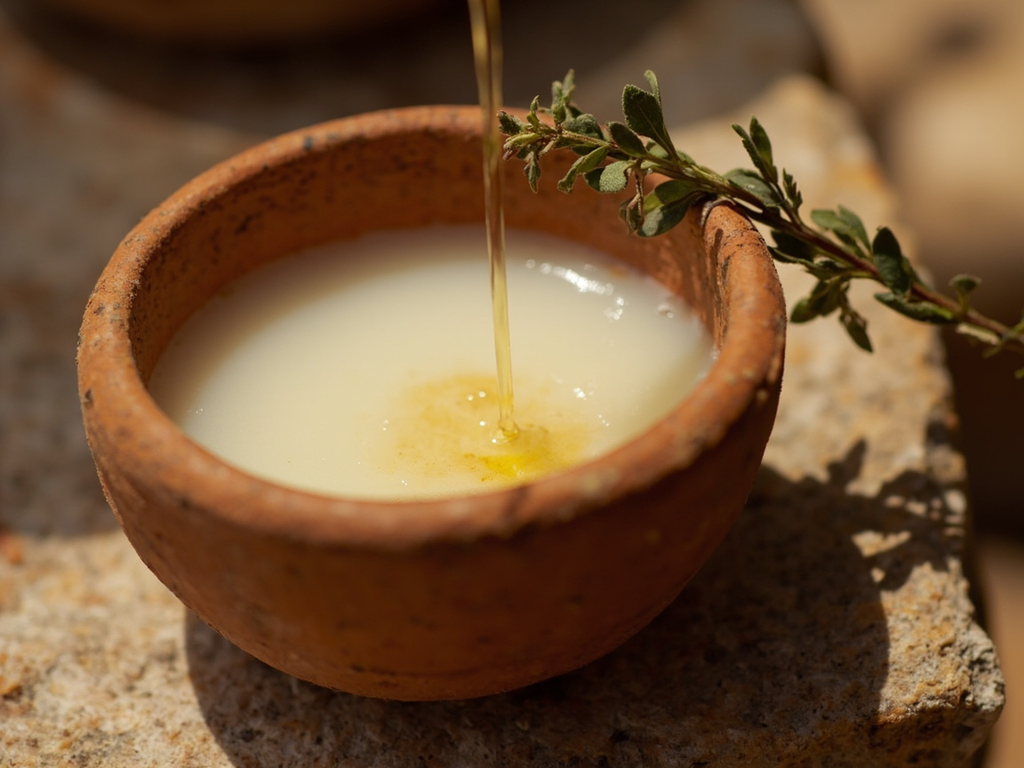
- Drizzle with a final stream of honey upon leaving the oven and let cool slightly before cutting.
How it was made : Plakous ('flat thing') was made of layers of thin dough, cheese, and honey; the Romans inherited it as 'placenta' described by Cato. It was offered to the gods and shared during festivals. Sugar being unknown, honey reigned alone.
The contemporary twist : Serve warm with a spoonful of thick Greek yogurt and a few burst fresh figs—a revisited offering plate for today's table.
Sources : Athenaeus of Naucratis, The Deipnosophists, Book XIV · Cato the Elder, De agricultura (placenta) · Andrew Dalby, Siren Feasts (1996)
Calypso · Charactorium