 flip
flipHoney and Walnut Cakes for the Dead of the River
Honey and Walnut Cakes for the Dead of the River
Why this dish? Myth holds that Absyrtus perished during Medea's flight, his body scattered along the Istros—the Absyrtides Islands supposedly bear his name. These small honey cakes evoke the offerings the living placed to appease the shade of a dead person denied a full burial, a gesture of mourning and memory.
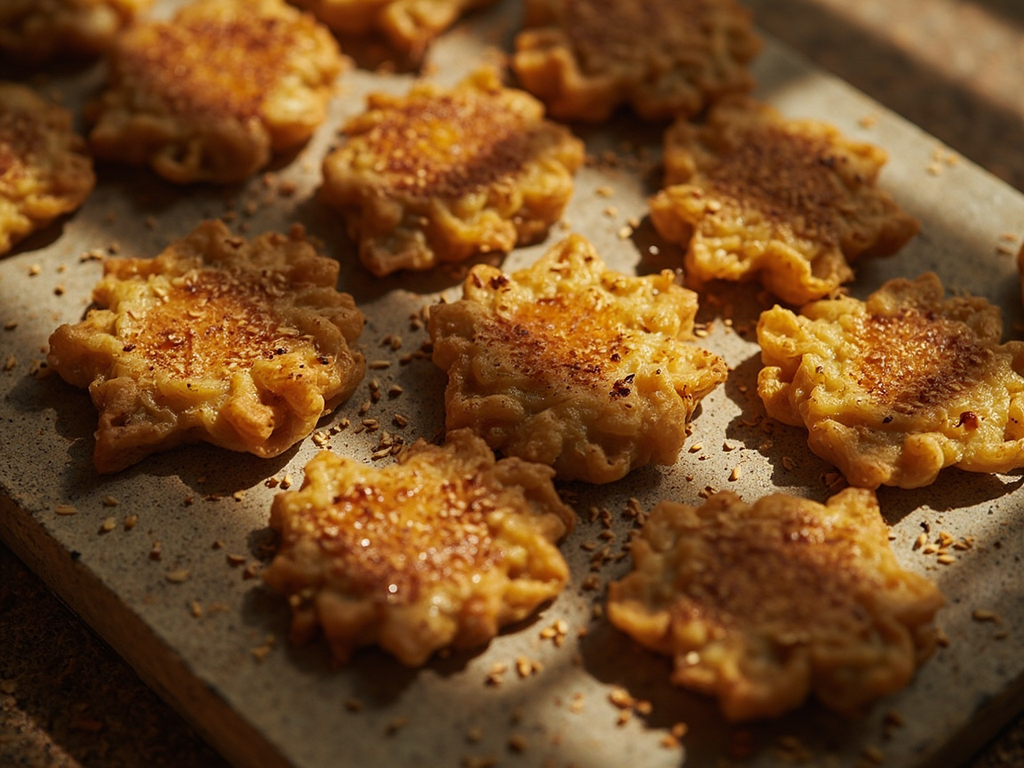
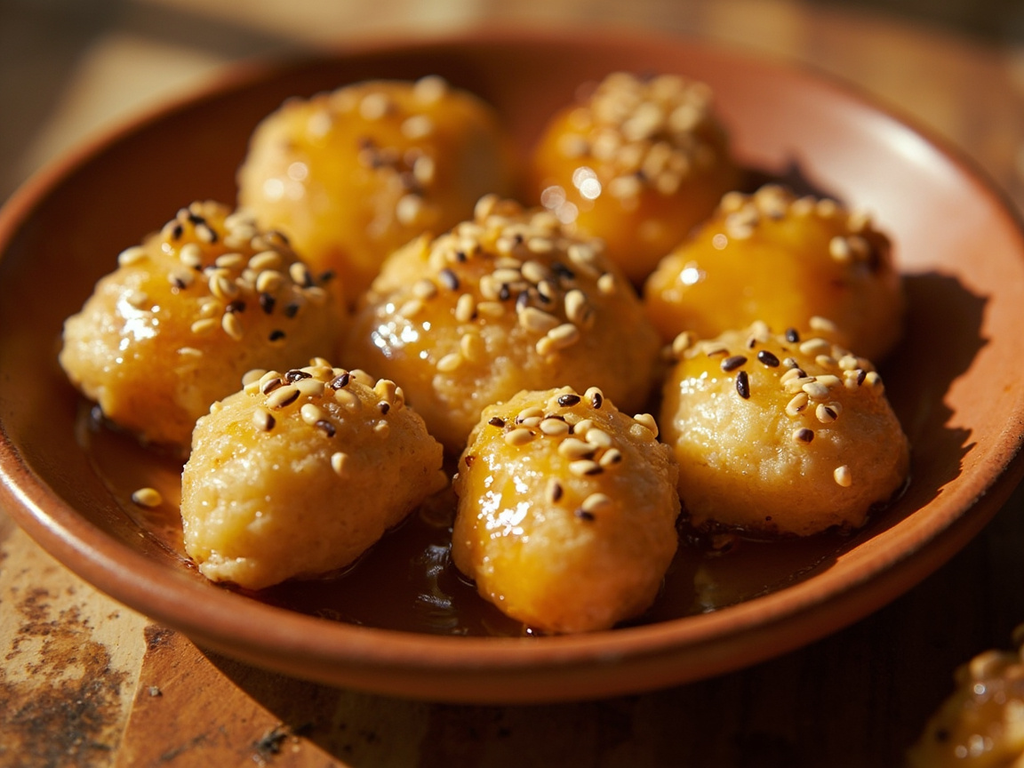
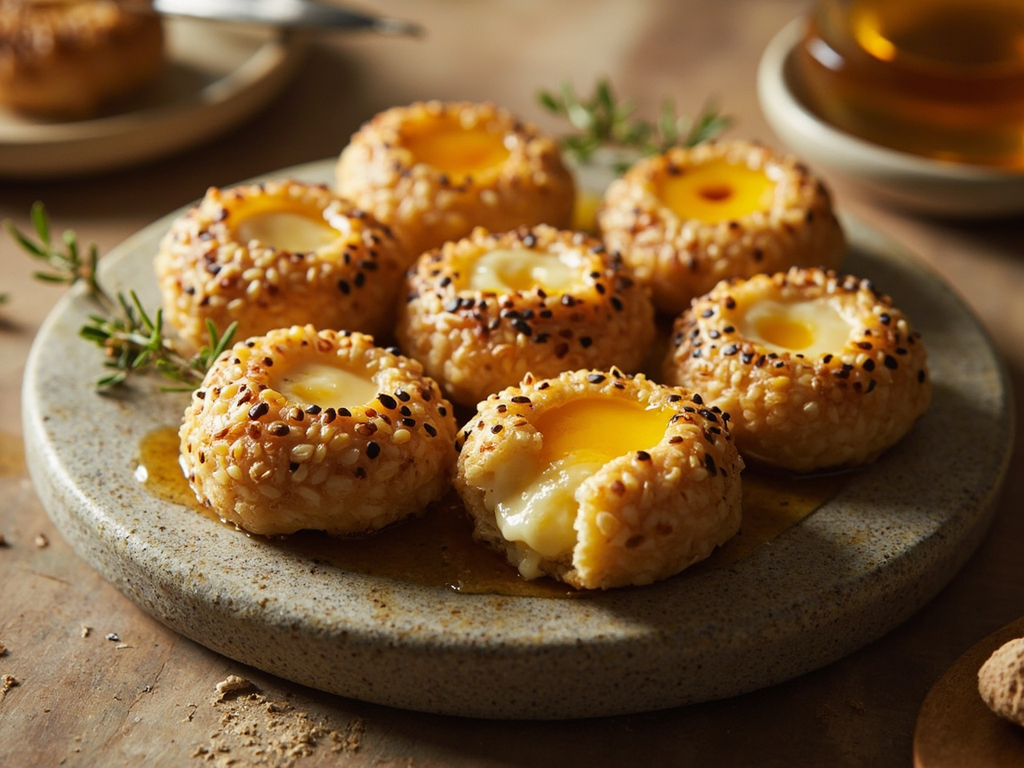
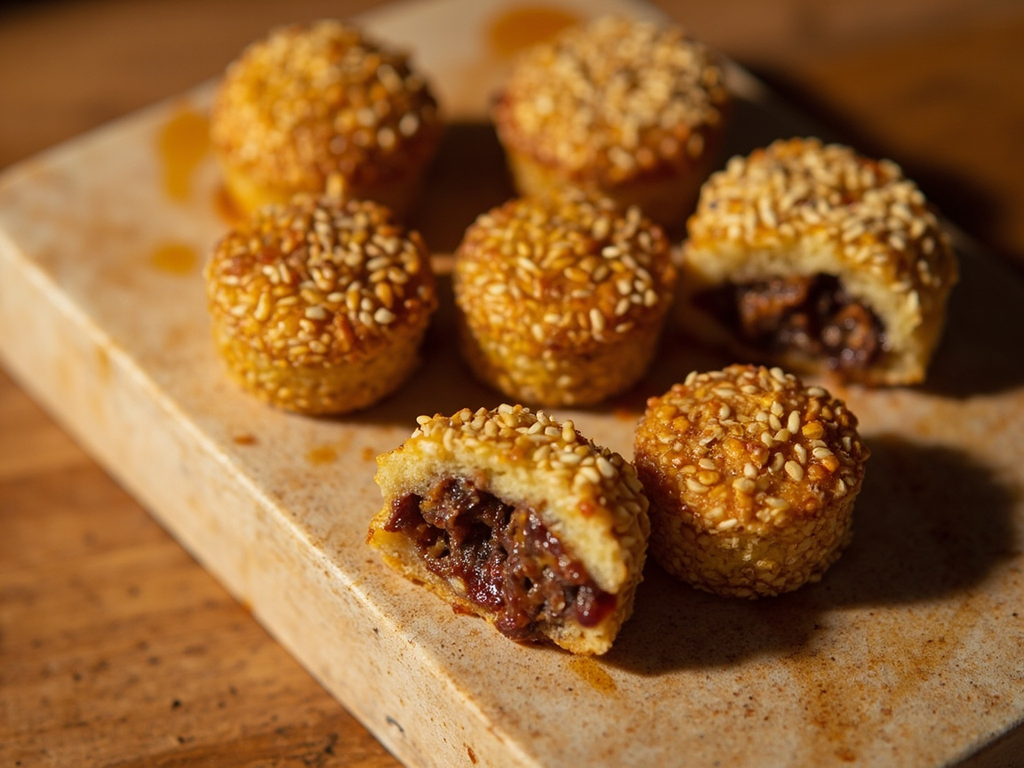
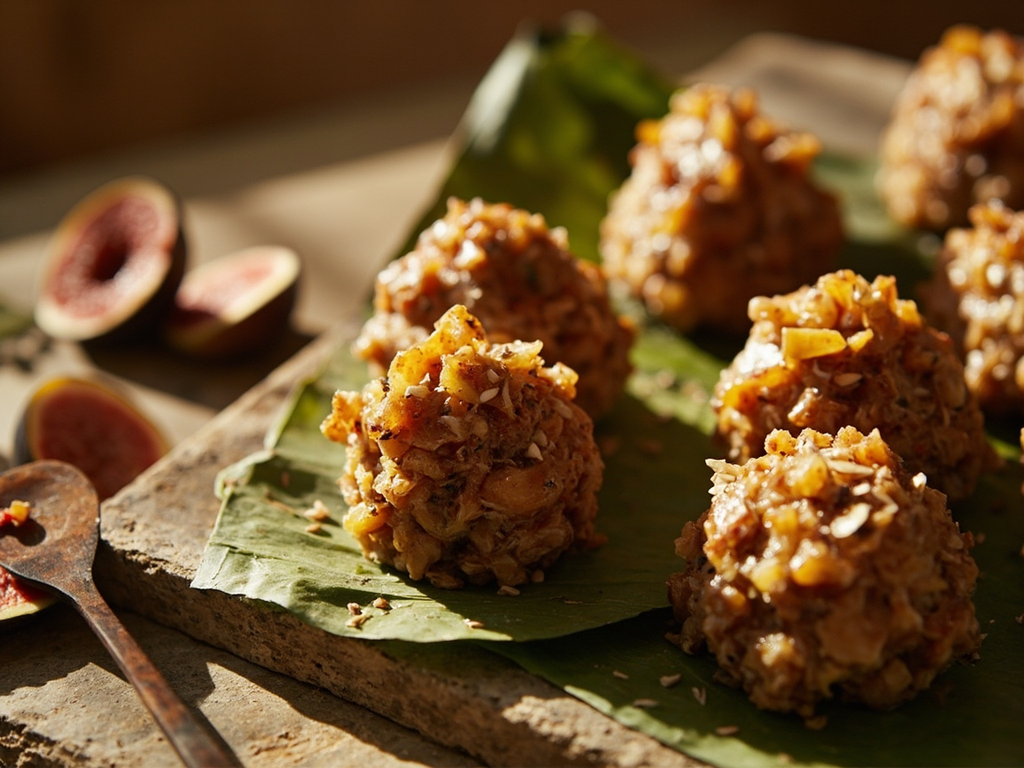
Small dense cakes of flour, honey, and crushed walnuts, scented with sesame. Inspired by the offering cakes of the Greek world, they were placed on tombs or thrown into the waters for the dead—here, in memory of the young prince whose body was scattered.
Do not laugh at these little cakes, traveller: they are not for your hunger. They are kneaded with honey and flour, sprinkled with sesame, and carried where a shade rests, or to the water's edge when the body has found no full tomb. Think of him whose limbs were sown along the great river: whoever kneads such a cake for him honours his memory and appeases the gods below. Lay them down with respect—honey is what the dead love.
- •Barley or wheat flour — two handfuls (base)
- •Honey — by the ladleful (sweet binder)
- •Crushed walnuts — a handful (filling)
- •Sesame seeds — a pinch (flavour)
- •Oil — a drizzle (moisture)
Honey and Walnut Cakes for the Dead of the River
Small dense cakes of flour, honey, and crushed walnuts, scented with sesame. Inspired by the offering cakes of the Greek world, they were placed on tombs or thrown into the waters for the dead—here, in memory of the young prince whose body was scattered.
Why this dish? Myth holds that Absyrtus perished during Medea's flight, his body scattered along the Istros—the Absyrtides Islands supposedly bear his name. These small honey cakes evoke the offerings the living placed to appease the shade of a dead person denied a full burial, a gesture of mourning and memory.
Do not laugh at these little cakes, traveller: they are not for your hunger. They are kneaded with honey and flour, sprinkled with sesame, and carried where a shade rests, or to the water's edge when the body has found no full tomb. Think of him whose limbs were sown along the great river: whoever kneads such a cake for him honours his memory and appeases the gods below. Lay them down with respect—honey is what the dead love.
Ingredients (period version)
- Barley or wheat flour — two handfuls (base)
- Honey — by the ladleful (sweet binder)
- Crushed walnuts — a handful (filling)
- Sesame seeds — a pinch (flavour)
- Oil — a drizzle (moisture)
Ingredients
- Spelt or wheat flour — 200 g (base)
- Honey — 120 g (sweet binder)
- Finely chopped walnuts — 80 g (filling)
- Sesame seeds — 2 tbsp (flavour)
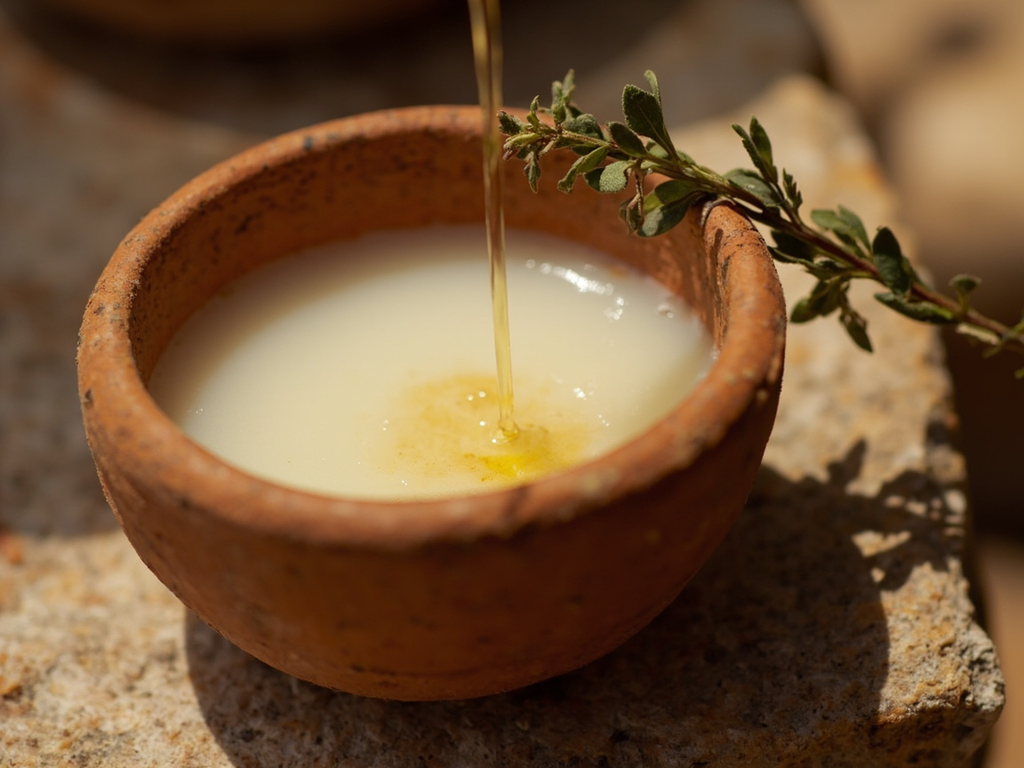
- Mild olive oil — 3 tbsp (moisture)
- Warm water — as needed (binding)
Method
- Mix the flour, chopped walnuts, and half the sesame seeds.
- Incorporate the honey and oil, then enough warm water to form a dense, pliable dough.
- Shape into small flat cakes about 5 cm across.
- Sprinkle with the remaining sesame seeds and place on an oiled baking sheet.
- Bake at 170°C for about 18–20 minutes, until golden and fragrant.
- Let cool slightly: they firm up as they cool and keep for several days.
How it was made : In the Greek world, honey cakes (pelanoi and popana) were offered to the dead and chthonic deities, placed on tombs or burned. Honey, sesame, and dried fruits were the preferred ingredients for these votive pastries, as they required no blood sacrifice.
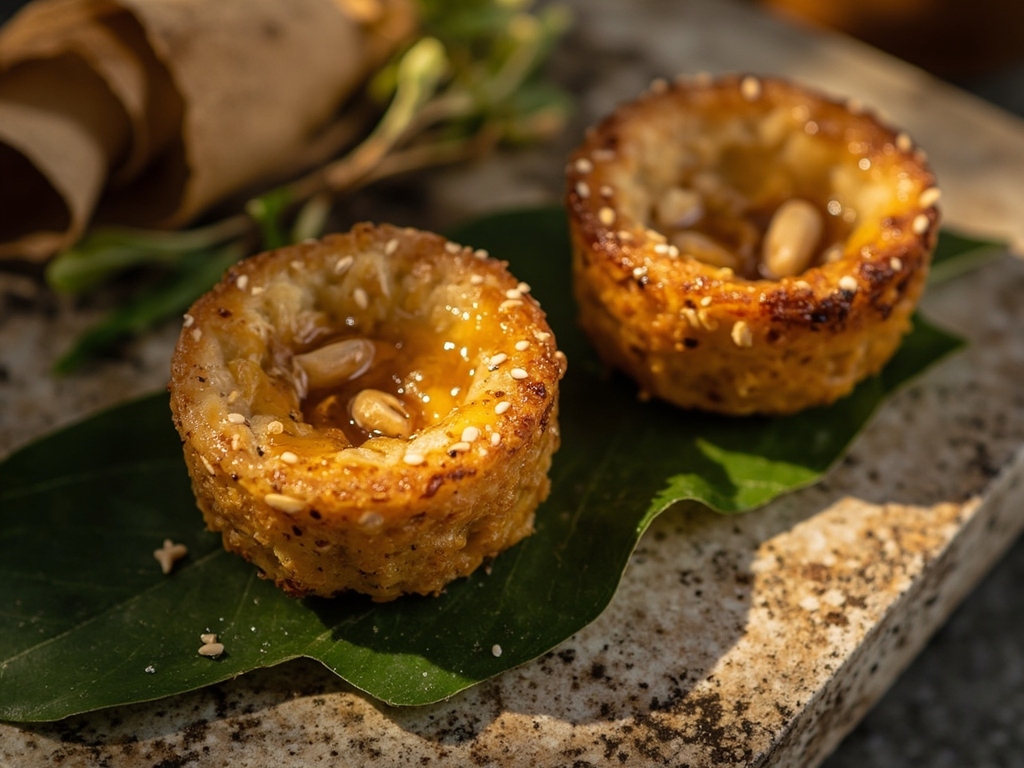
The contemporary twist : Presented on a laurel leaf with honey drizzled over: a 'memory cake' to serve with tea, nodding to the sesame-honey pastries still alive around the Black Sea.
Sources : Apollodorus, Library, I (death and scattering of Absyrtus) · Pausanias and sources on pelanoi (Greek offering cakes)
Absyrtos · Charactorium