 Flip the card
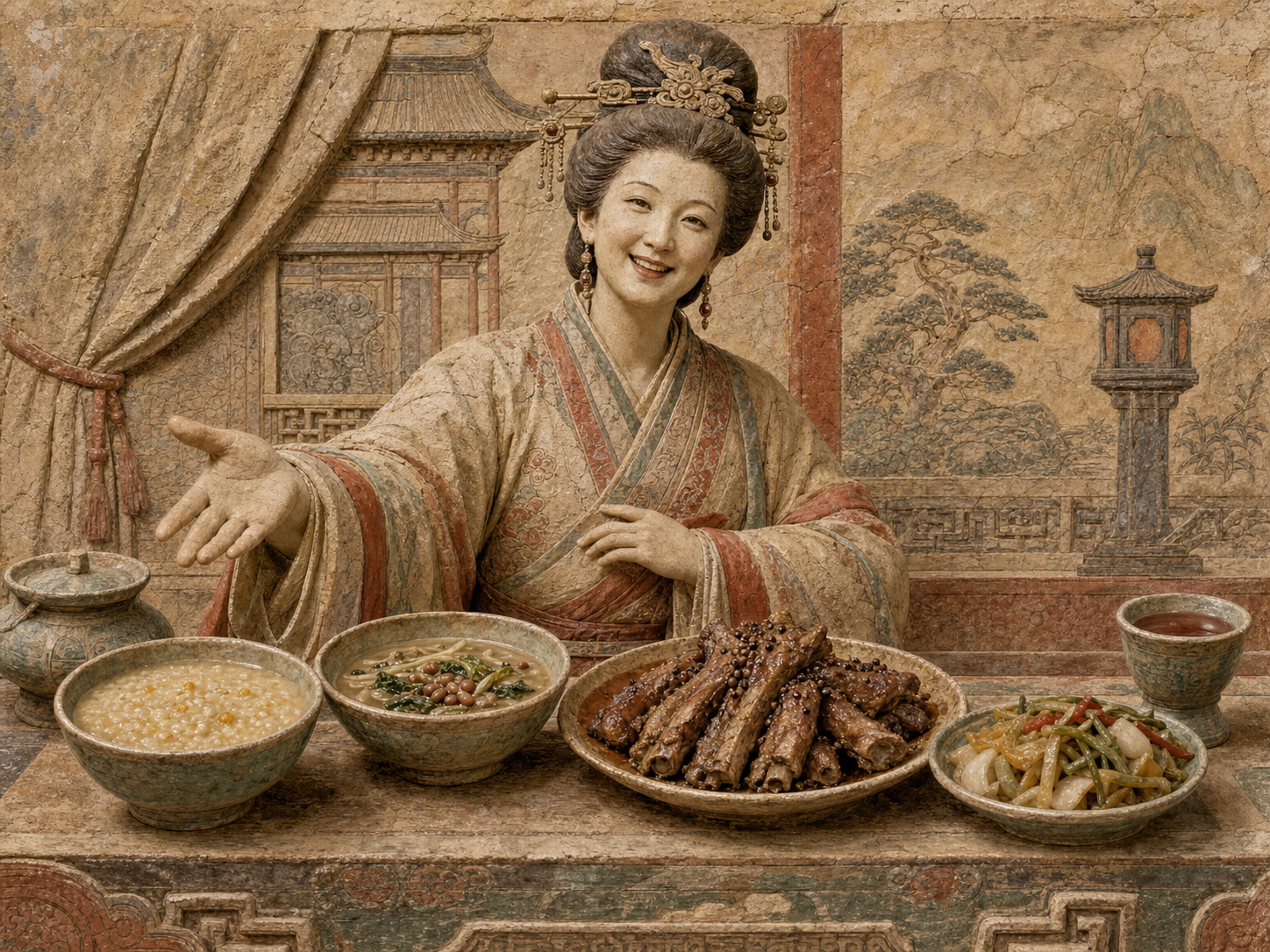
Deng Sui at the table
On the menu
飯羹 (fàn-gēng) — grain and potage
The meal of the Eastern Han centers on two pillars: fàn (飯), grain steamed or boiled — millet in the north, rice when available — which forms the nourishing core, and gēng (羹), a thick vegetable or meat potage that accompanies and enhances it. Around these revolve fermented condiments (醬 jiàng, 豉 chǐ) and salted vegetables (菹 zū), set out in small cups. At the imperial table, the number of dishes marked rank; at Deng Sui's table, they were deliberately reduced to set an example of frugality.
Signature : 豉 (chǐ) — fermented soybean
Fermented and dried black soybean, ancestor of dòuchǐ, was the great flavor enhancer of Han China. Jars of it have been found in the Mawangdui tombs. A handful of these salty, deeply umami beans transforms a simple millet broth into a comforting dish — the ideal ally for a cuisine that aims to be frugal without being dreary.
click to flip back
Deng Sui at the table
5 period recipes
 Everyday
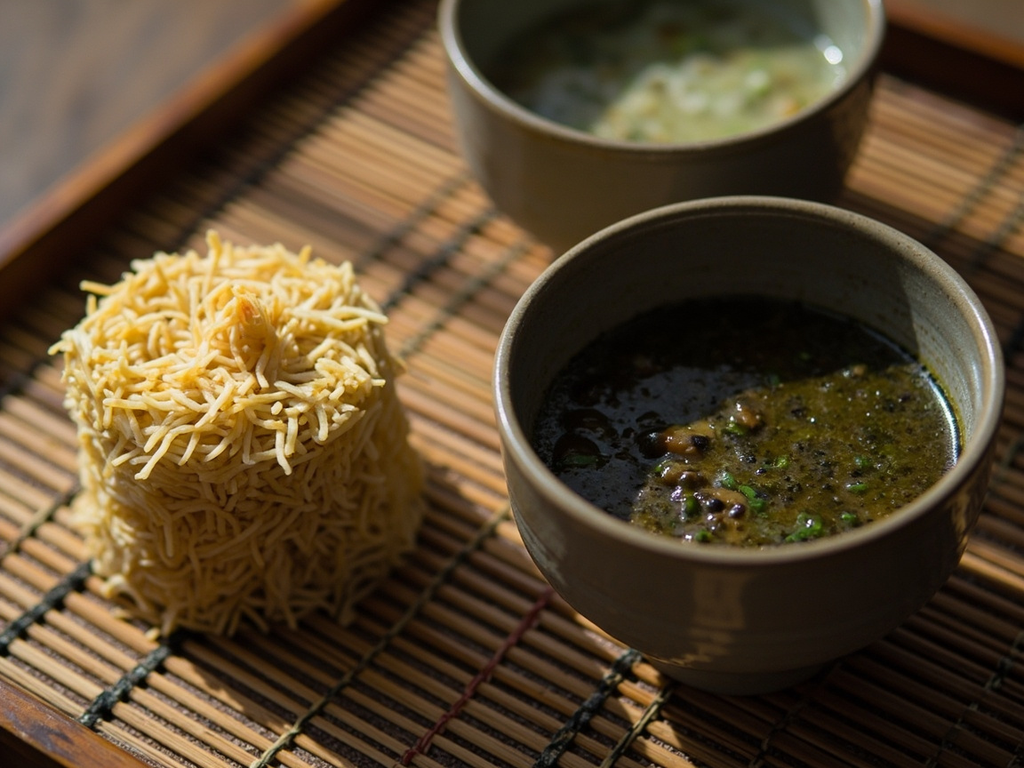
Millet porridge and mallow potage with fermented soybeans (粟飯葵羹)
daily fàn-gēng — the everyday grain and its potage
🧂 🍄· 40 min
View the recipe
 Festive
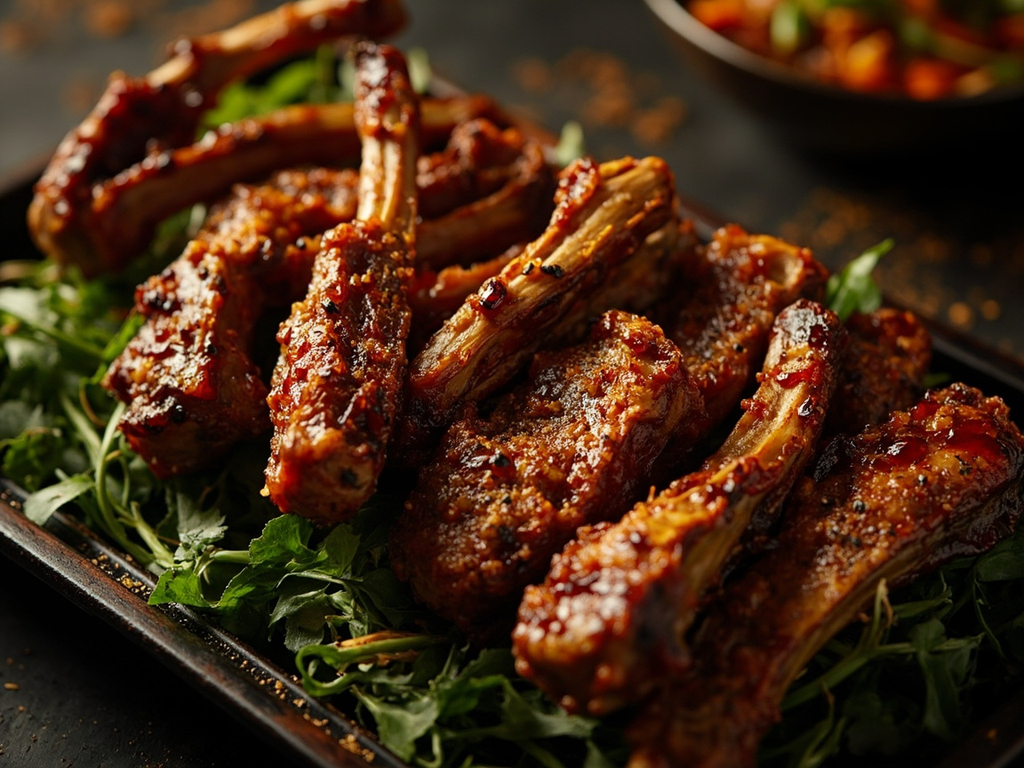
Honey-roasted lamb ribs with Sichuan pepper (蜜炙羊)
zhì (炙) of banquet — roasted meat for grand court receptions
🍄 🍯 🌶️· 50 min (plus marinating)
View the recipe
 Preserving
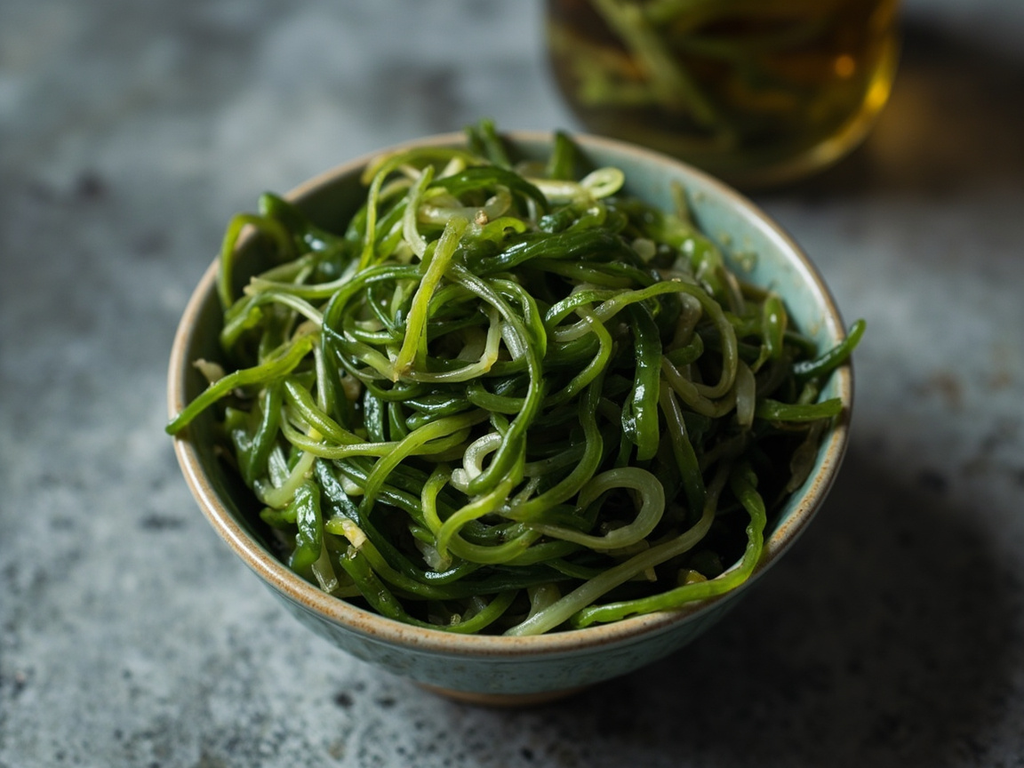
Sour pickled greens (葵菹)
zū (菹) — salted preserves that accompany every meal
🍋 🫙· 20 min (+ 5 to 10 days fermentation)
View the recipe
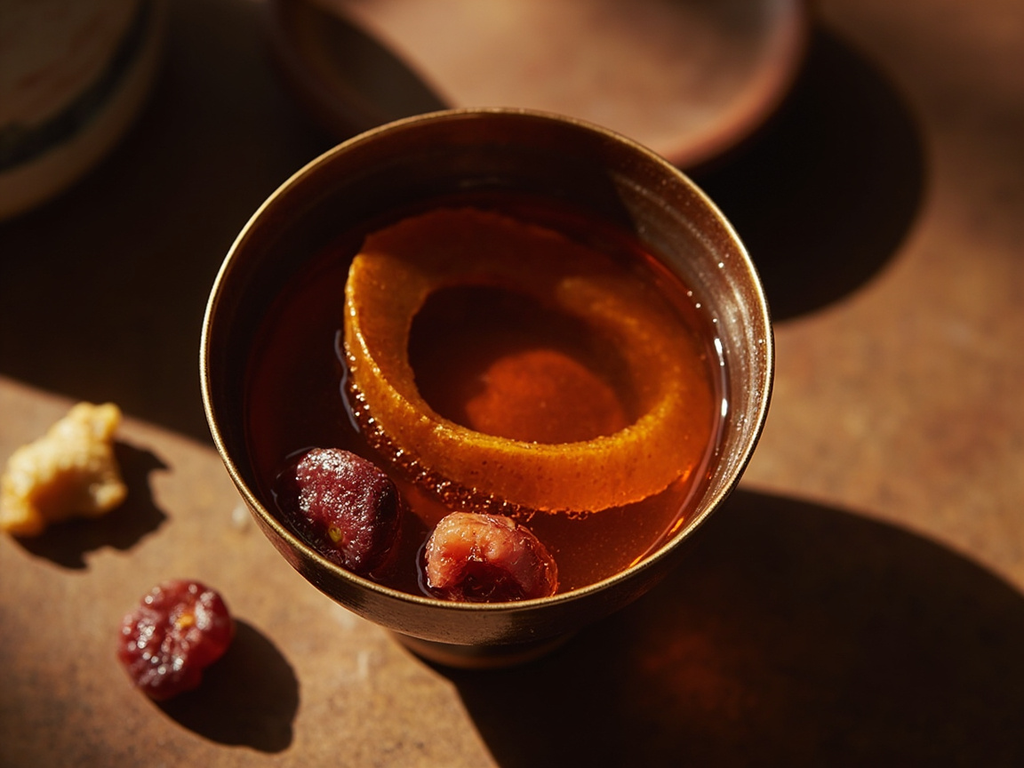 Drink
DrinkSour plum and honey drink (梅漿)
jiāng (漿) — the thirst-quenching beverage kept in reserve
🍋 🍯· 40 min
View the recipe
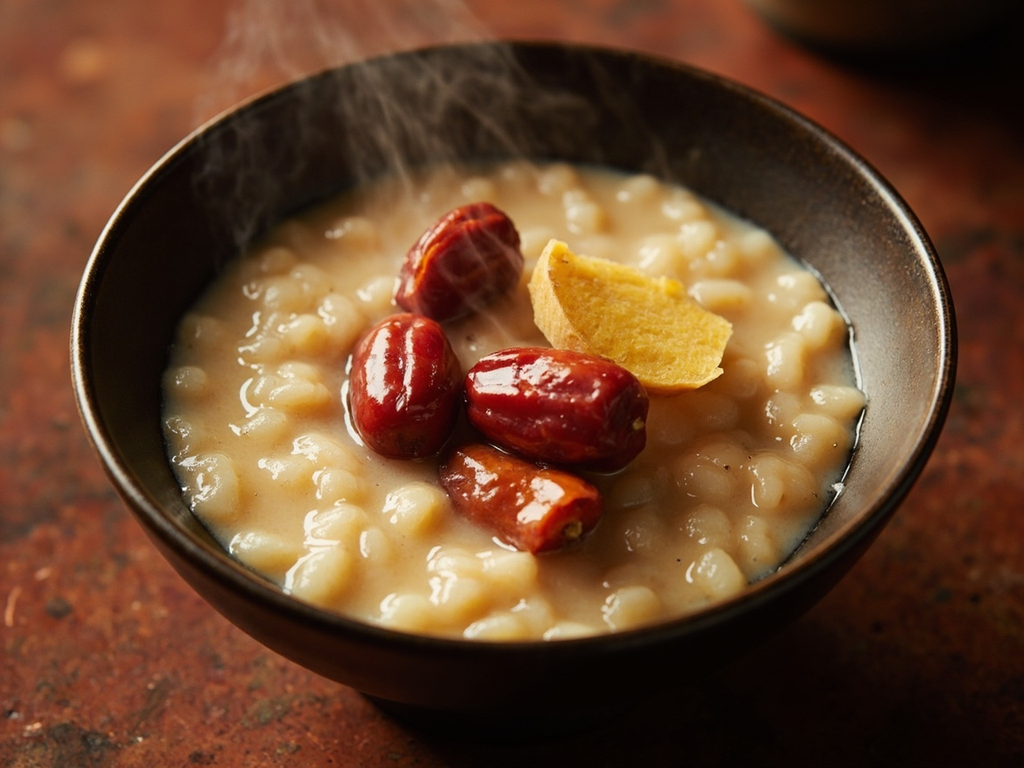 Remedy
Warm jujube and ginger congee (棗薑粥)
zhōu (粥) comforting — the remedy porridge offered to the weak and sick
🍯 🌶️· 1 h 10
View the recipe