 flip
flipKönigsberger Marzipan — Flame-Browned Königsberg Marzipan
Königsberger Marzipan — Flame-Browned Königsberg Marzipan
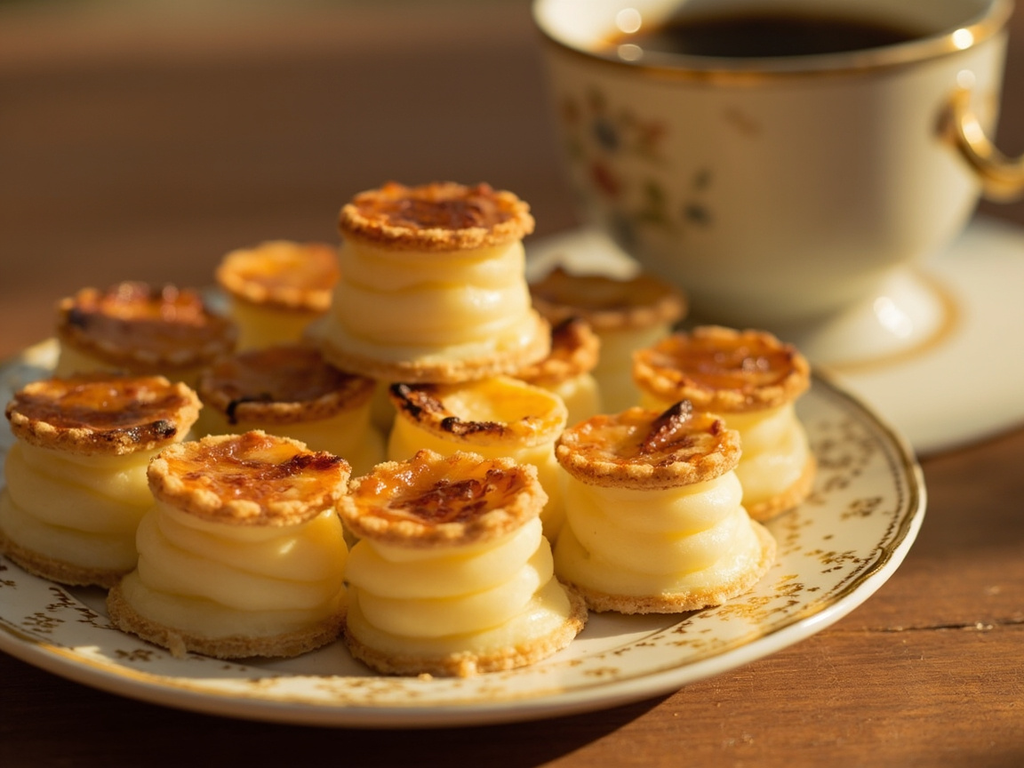
Why this dish? Königsberg was world-famous for its marzipan with a flame-golden surface — a pride of Kant's hometown, offered at festivities and to distinguished visitors. This almond sweet naturally closes the philosopher's regulated lunch.
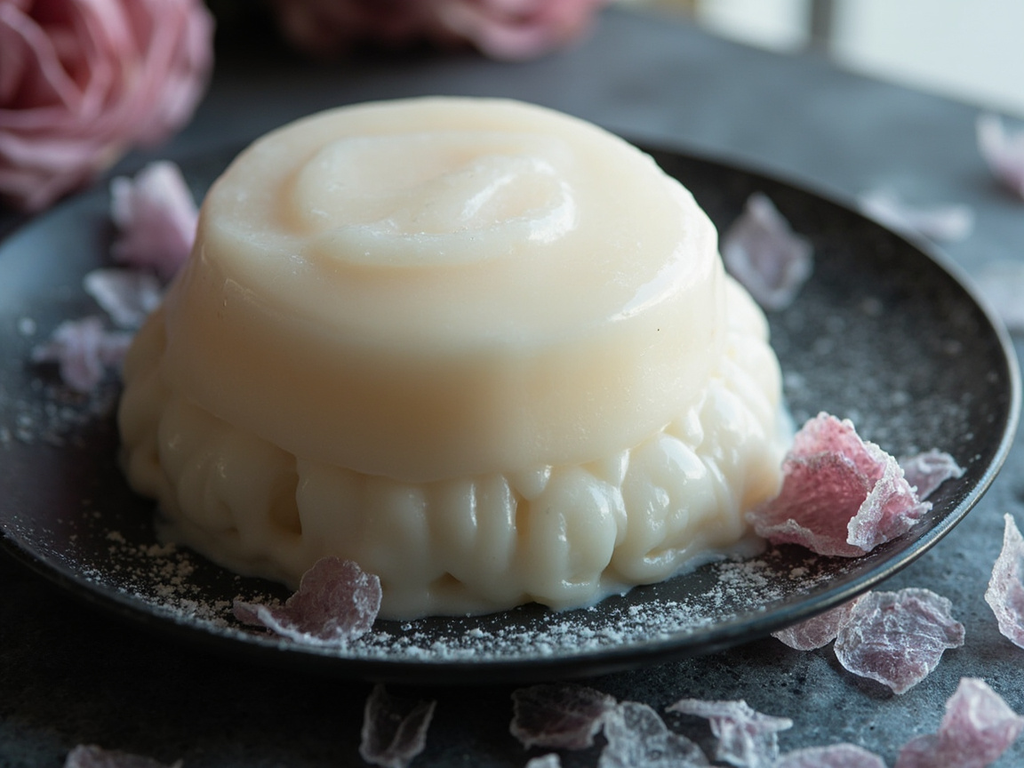
An almond paste perfumed with rose water, shaped then lightly browned and caramelized on top. Tender, sweet, with deep almond notes and a floral scent.
Permit me at the meal's end to present the pride of my city: Königsberg marzipan, whose surface is browned by flame until it takes on those amber hues. Pounded almonds, sugar, and a touch of rose water — nothing more, but what constancy in sweetness! I do not overindulge in sugar, I confess, but a small piece, taken with coffee and conversation, seems to me a most legitimate concession to life's agreeableness.
- •Blanched sweet almonds — a good measure (base)
- •Sugar — in proportion close to almonds (sweetness, binder)
- •Rose water — a few drops (flavor)
- •Egg white — a little (binder)
Königsberger Marzipan — Flame-Browned Königsberg Marzipan
An almond paste perfumed with rose water, shaped then lightly browned and caramelized on top. Tender, sweet, with deep almond notes and a floral scent.
Why this dish? Königsberg was world-famous for its marzipan with a flame-golden surface — a pride of Kant's hometown, offered at festivities and to distinguished visitors. This almond sweet naturally closes the philosopher's regulated lunch.
Permit me at the meal's end to present the pride of my city: Königsberg marzipan, whose surface is browned by flame until it takes on those amber hues. Pounded almonds, sugar, and a touch of rose water — nothing more, but what constancy in sweetness! I do not overindulge in sugar, I confess, but a small piece, taken with coffee and conversation, seems to me a most legitimate concession to life's agreeableness.
Ingredients (period version)
- Blanched sweet almonds — a good measure (base)
- Sugar — in proportion close to almonds (sweetness, binder)
- Rose water — a few drops (flavor)
- Egg white — a little (binder)
Ingredients
- Almond flour — 200 g (base)
- Powdered sugar — 180 g (sweetness)
- Rose water — 1 tsp (flavor)
- Egg white — 1 (approx.) (binder)
- Powdered sugar for browning — a little (surface caramelization)
Method
- Mix almond flour and powdered sugar.
- Gradually add rose water and egg white until a firm, smooth paste forms (do not over-wet).
- Shape into small discs or a rectangle with a raised border, as traditional marzipan.
- Lightly dust surface with powdered sugar.
- Briefly pass under a very hot grill (or use a blowtorch) to brown and caramelize the top, watching carefully.
- Let cool before serving, with coffee or tea.
How it was made : Königsberg marzipan (Königsberger Marzipan) was distinguished by its flame-browned, caramelized surface and raised rolled edges. Rose water, inherited from medieval usage and Eastern trade, classically perfumed European almond pastes. It was an urban confectionery specialty for festivities, not an everyday food.
The contemporary twist : Press the paste into small rings, torch the surface like crème brûlée, and insert a dot of lingonberry jam at the center for a surprise acidity.
Immanuel Kant · Charactorium