 Flip the card
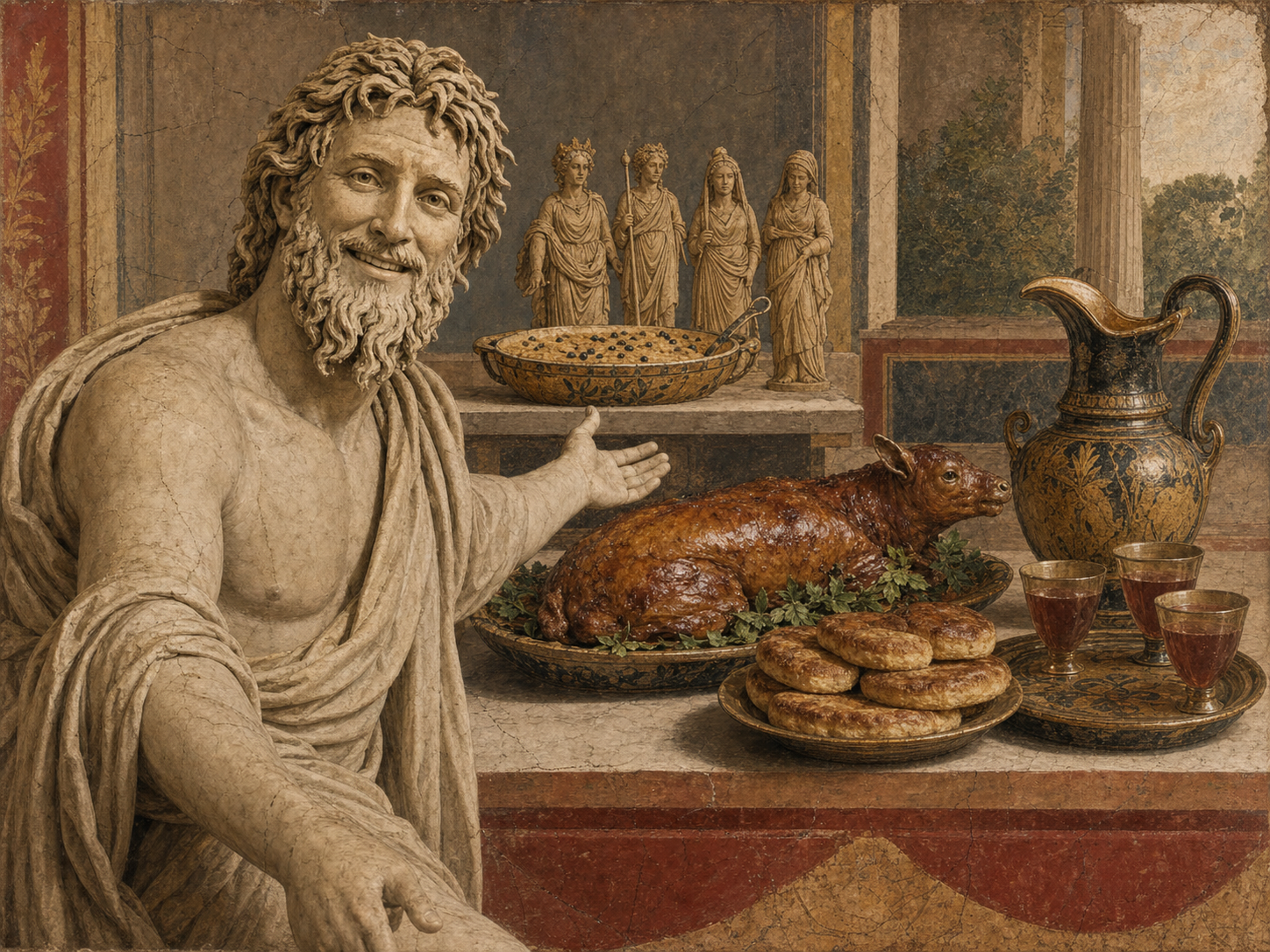
Aeneas at the table
On the menu
Roman Cena (gustatio, mensa prima, mensa secunda) opened by a libation to the Penates
The meal of a Trojan noble who became an ancestor of Rome unfolds in three courses inherited from Latin tradition: gustatio (savory appetizers and eggs), mensa prima (roasted meats, cereal porridges), then mensa secunda (dried fruits, cheese, honey sweets). But before anyone touches the dish, a portion of salted grain and wine is offered to the gods and the Penates carried from Troy: at Aeneas's table, the meal always begins with the sacred.
Signature : Garum and honey, the Mediterranean sweet-and-sour
Aeneas's cuisine oscillates between two poles: garum, fermented fish sauce that brings salty umami to almost everything, and honey, the only sweetener of Antiquity, which coats meats, wines, and fruits. This salty-sweet balance, spiked with pepper and aromatic herbs (lovage, cumin), is the true signature of Trojan and Roman tables.
click to flip back
Aeneas at the table
5 period recipes
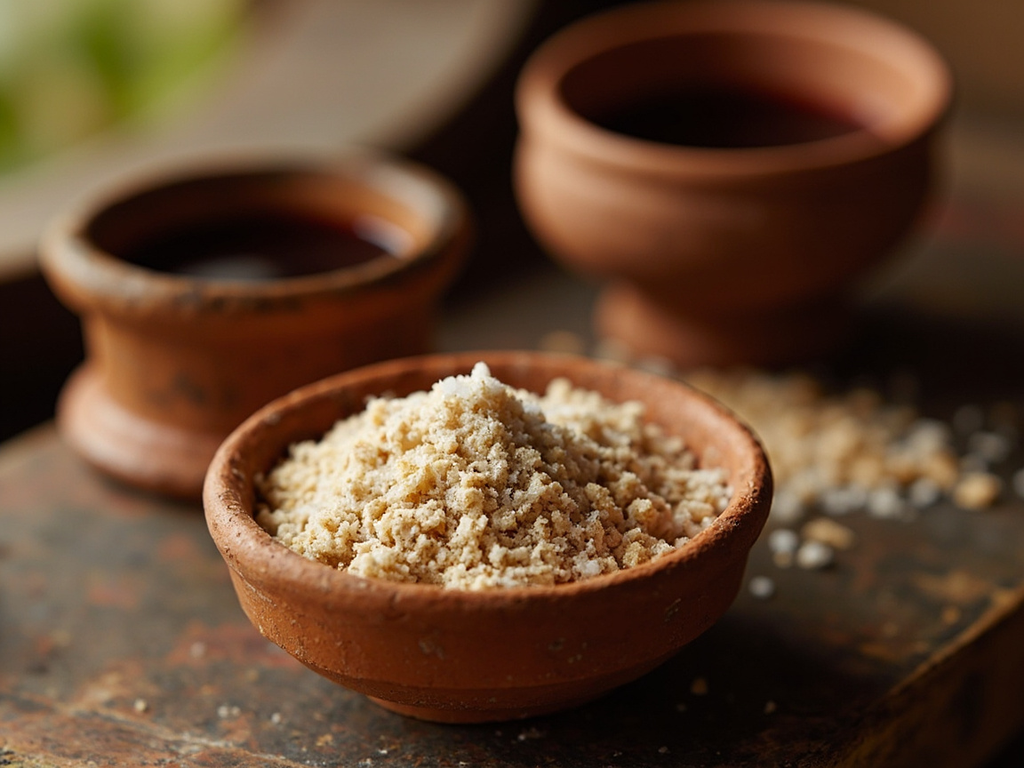 Offering
Mola salsa and libation to the Penates
Preliminary offering (before gustatio)
🧂 ☕· 10 min
View the recipe
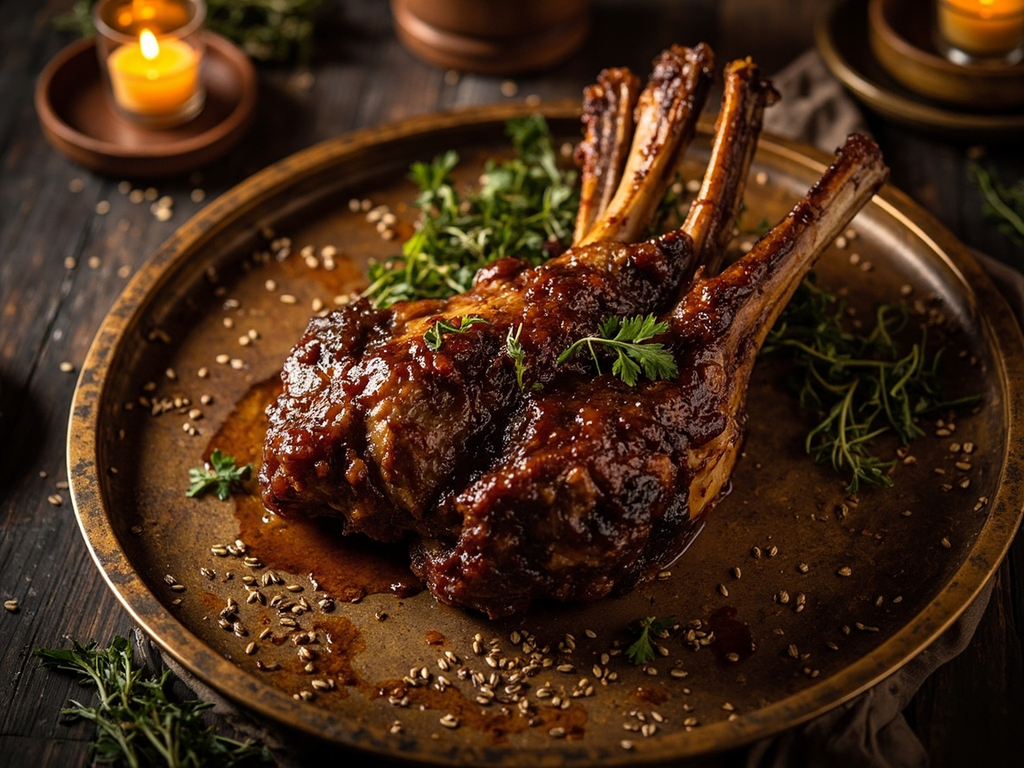 Festive
Honey and garum roast lamb (assum mellitum)
Mensa prima (heart of the banquet)
🧂 🍯 🍄· 3 h
View the recipe
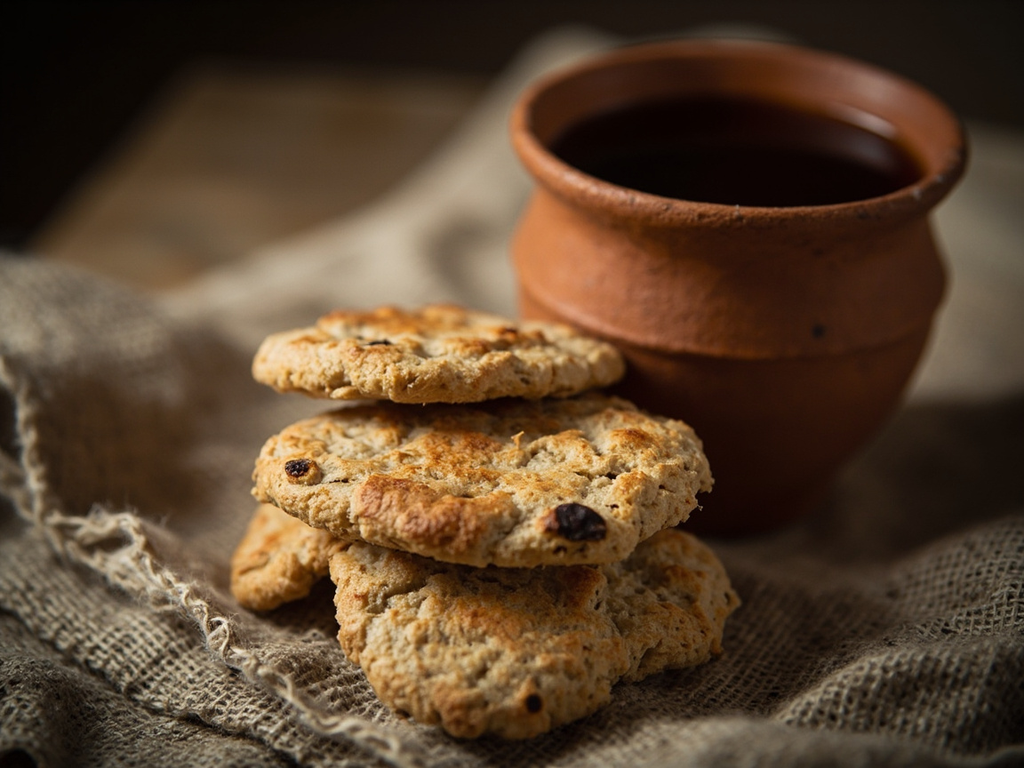 Travel
Bucellatum, the sailor's twice-baked bread
Ship's provision (cibaria navalia)
🧂· 3 h (including drying)
View the recipe
 Drink
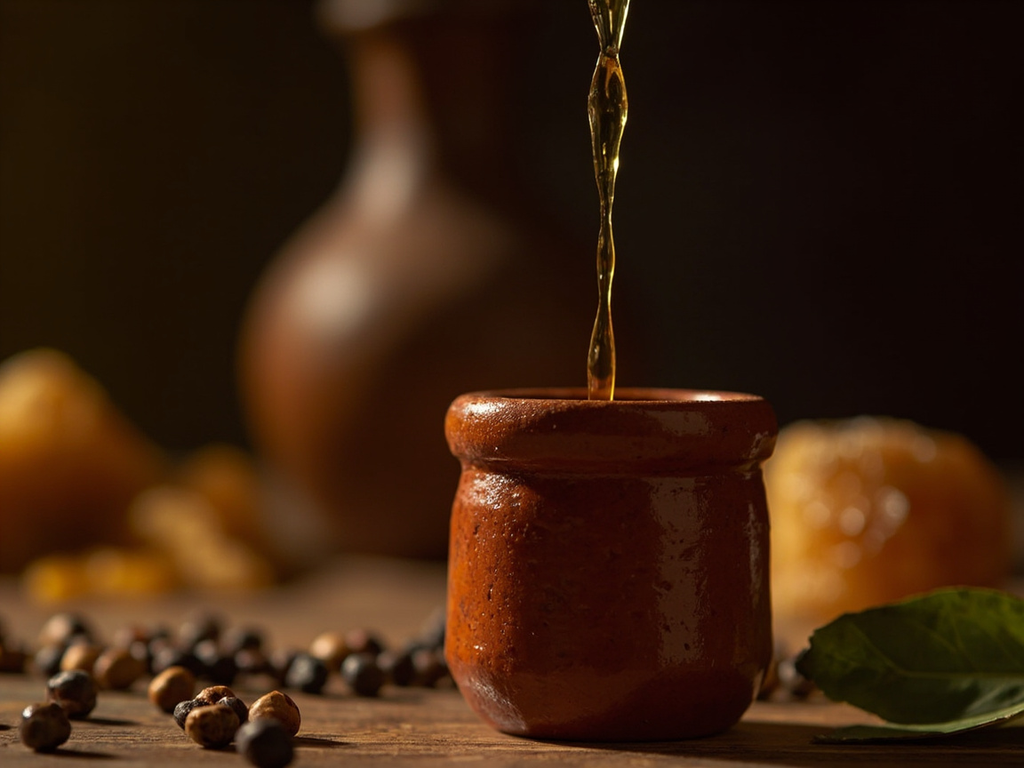
DrinkMulsum, the honeyed wine of hospitality
Opening drink (with gustatio)
🍯 🫙· 15 min (+ resting)
View the recipe
 Festive
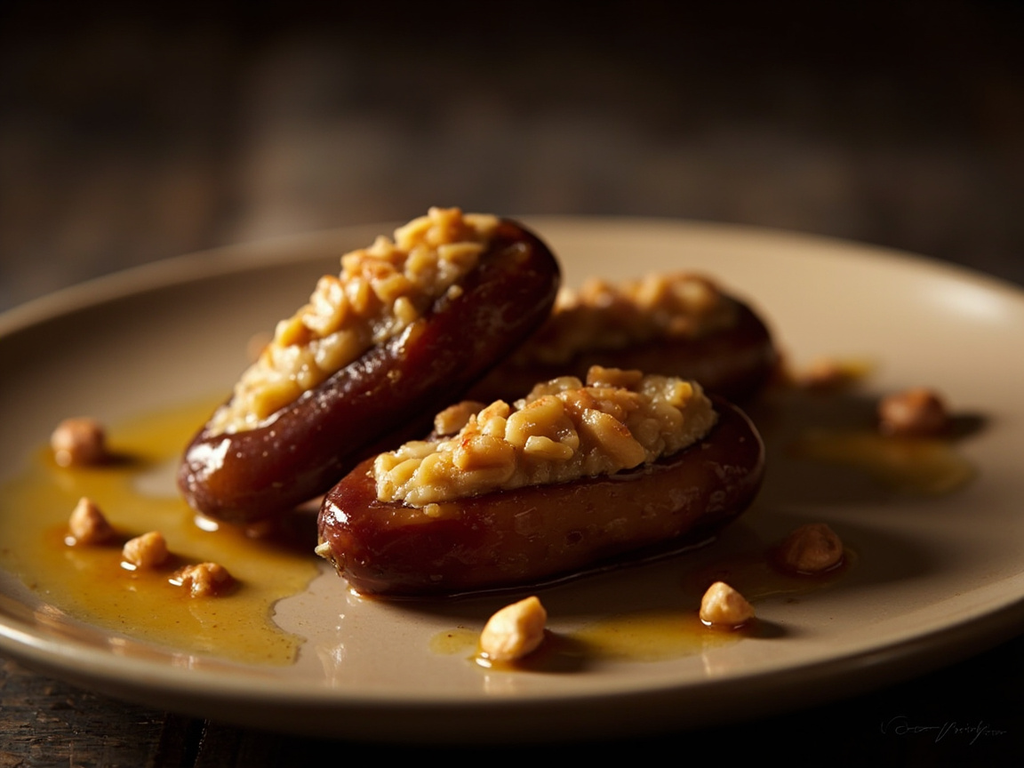
Honey and nut stuffed dates (dulcia domestica)
Mensa secunda (end-of-meal sweets)
🍯 🧂· 20 min
View the recipe