 flip
flipMulsum, the honeyed wine of hospitality
Mulsum, the honeyed wine of hospitality
Why this dish? Wine flows throughout the Aeneid: Aeneas distributes to his men the amphorae given by King Acestes of Sicily to restore their courage (Book I). Mulsum, wine sweetened with honey, was the beverage that opened Roman banquets and sealed a host's welcome. Serving it reenacts the gesture of hospitality that saved Aeneas at every stop.
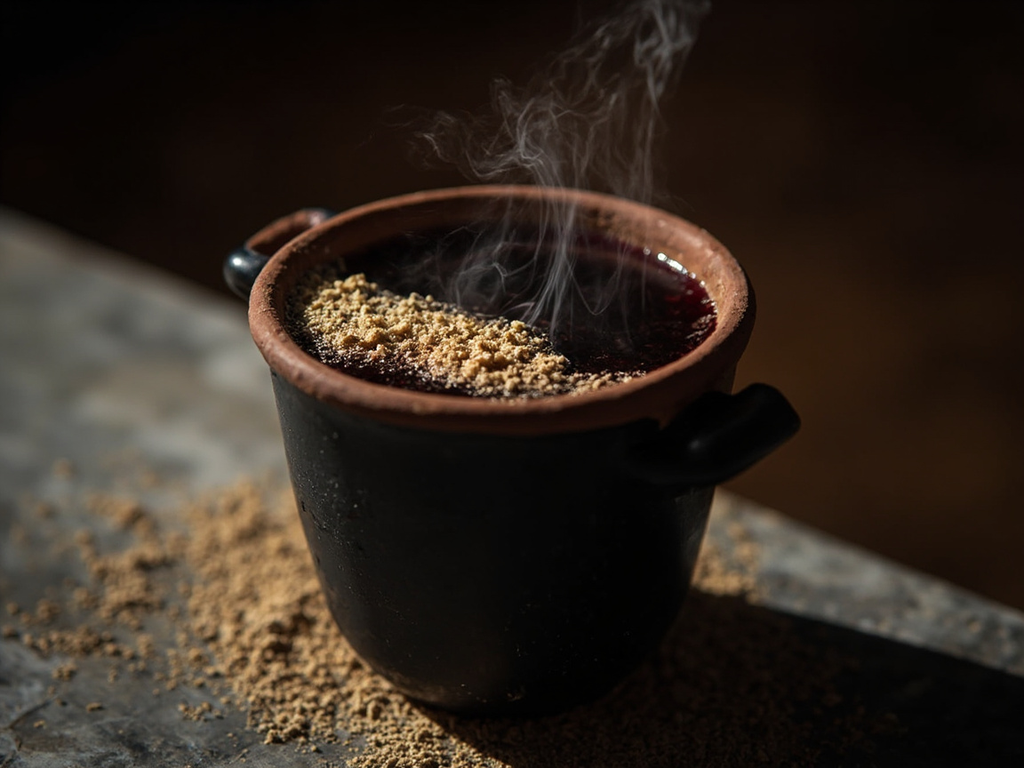
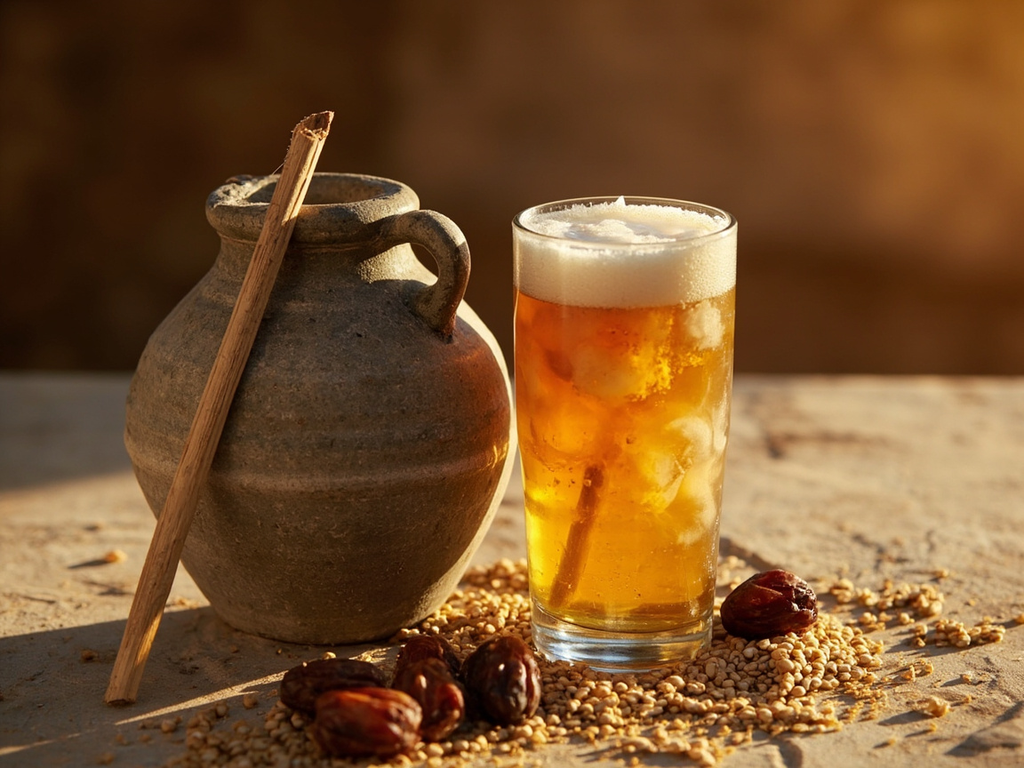
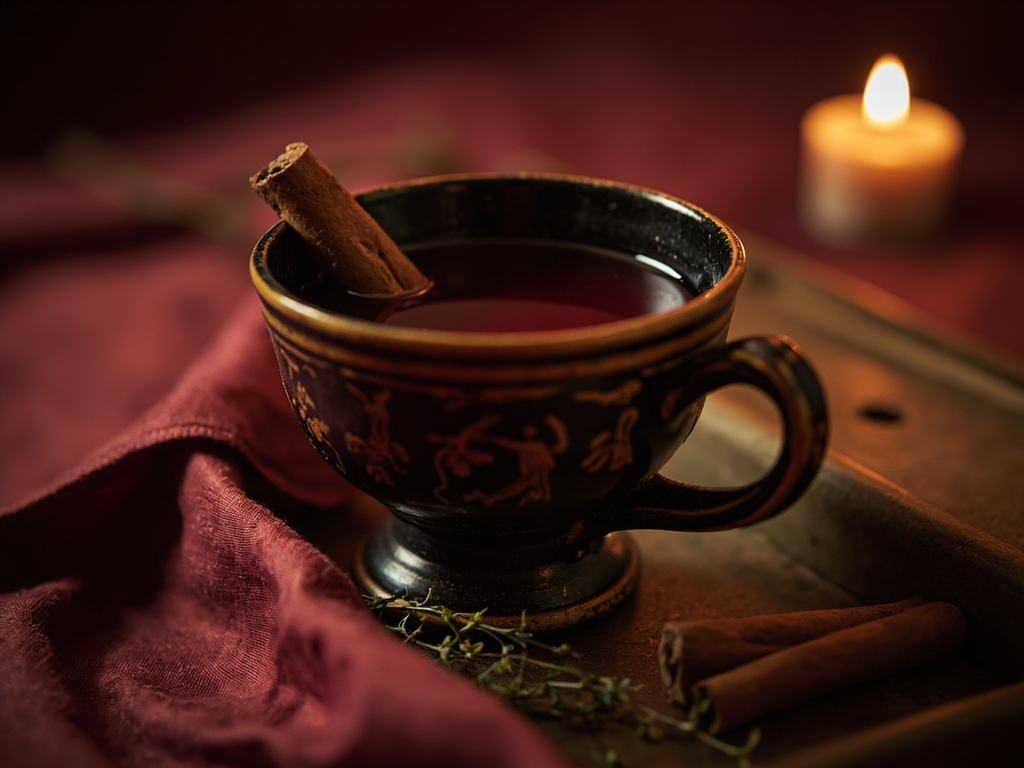
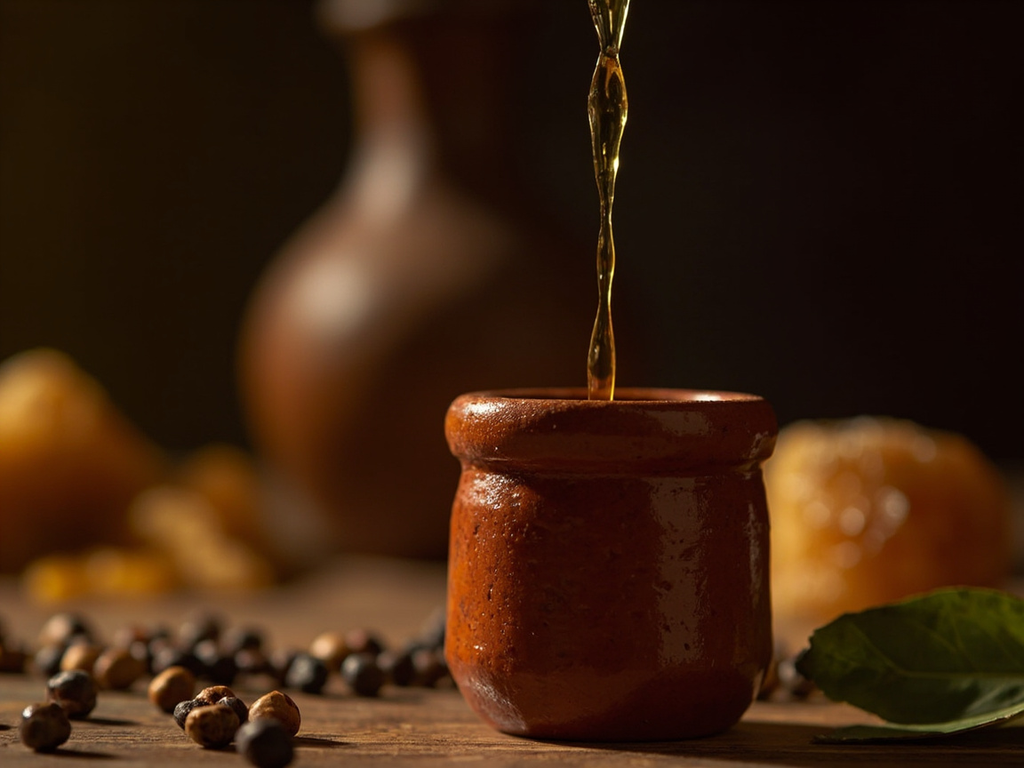
A red or white wine sweetened with honey and delicately perfumed with spices (pepper, sometimes bay leaf), served chilled at the start of the meal. Sweet, comforting, lightly spiced: the aperitif of the Ancients, the welcome drink par excellence.
When my men finally touched land, their faces hollow with hunger, I rolled out the casks good Acestes had given us, and sweetened the wine with honey to warm their hearts. Drink, I told them, and take heart again: we have known worse trials, and a god will lead us to our goal. Mix the honey with the wine as the moon rises, let it rest, then serve it cool. Thus one honors one's companions and thanks the gods.
- •Wine — a pitcher (base)
- •Honey — generous (sweetness)
- •Pepper — a few grains (spice)
- •Bay leaf — 1 (optional) (fragrance)
Mulsum, the honeyed wine of hospitality
A red or white wine sweetened with honey and delicately perfumed with spices (pepper, sometimes bay leaf), served chilled at the start of the meal. Sweet, comforting, lightly spiced: the aperitif of the Ancients, the welcome drink par excellence.
Why this dish? Wine flows throughout the Aeneid: Aeneas distributes to his men the amphorae given by King Acestes of Sicily to restore their courage (Book I). Mulsum, wine sweetened with honey, was the beverage that opened Roman banquets and sealed a host's welcome. Serving it reenacts the gesture of hospitality that saved Aeneas at every stop.
When my men finally touched land, their faces hollow with hunger, I rolled out the casks good Acestes had given us, and sweetened the wine with honey to warm their hearts. Drink, I told them, and take heart again: we have known worse trials, and a god will lead us to our goal. Mix the honey with the wine as the moon rises, let it rest, then serve it cool. Thus one honors one's companions and thanks the gods.
Ingredients (period version)
- Wine — a pitcher (base)
- Honey — generous (sweetness)
- Pepper — a few grains (spice)
- Bay leaf — 1 (optional) (fragrance)
Ingredients
- Medium-sweet red or white wine — 75 cl (base)
- Liquid honey — 4-5 tbsp (sweetener)
- Black peppercorns — 4, cracked (mild spice)
- Bay leaf — 1 (optional) (aroma)
Method
- Gently warm a glass of wine (do not boil) and dissolve the honey in it.
- Pour this mixture back into the rest of the wine.
- Add the cracked peppercorns and, if desired, the bay leaf.
- Infuse in the refrigerator for at least 2 hours (ideally overnight).
- Strain and serve chilled, in small cups, at the start of the meal.
How it was made : Mulsum was prepared by mixing honey with wine (proportions vary by source, often generous with honey) sometimes well before the meal to let the aromas meld. It was drunk during gustatio, to the point that this moment was called "promulsis." Honey was the only true sweetener of Antiquity, a precious commodity and symbol of abundance.
The contemporary twist : Summer version served over ice with a strip of bitter orange zest and a fresh bay leaf—an "ancestral vermouth" for aperitif.
Sources : Apicius, De re coquinaria, Book I (conditum, mulsum) · Virgil, Aeneid, Book I (Acestes' wine)
Aeneas · Charactorium