 flip
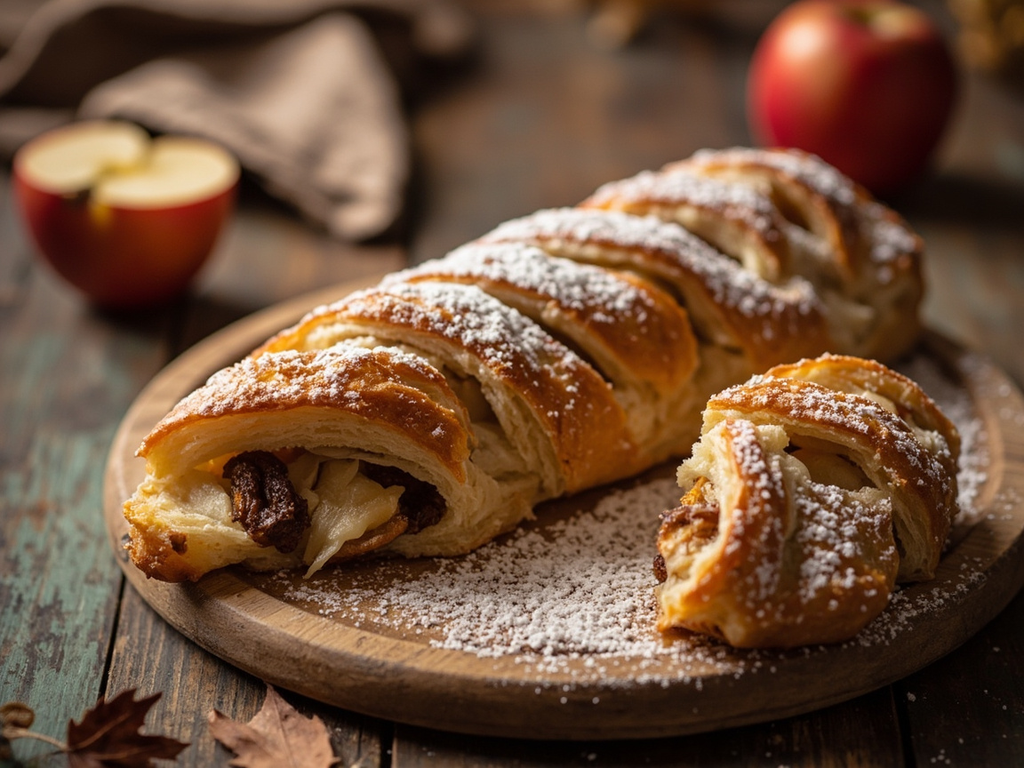
flipStreuselkuchen — the crumb cake from the homeland
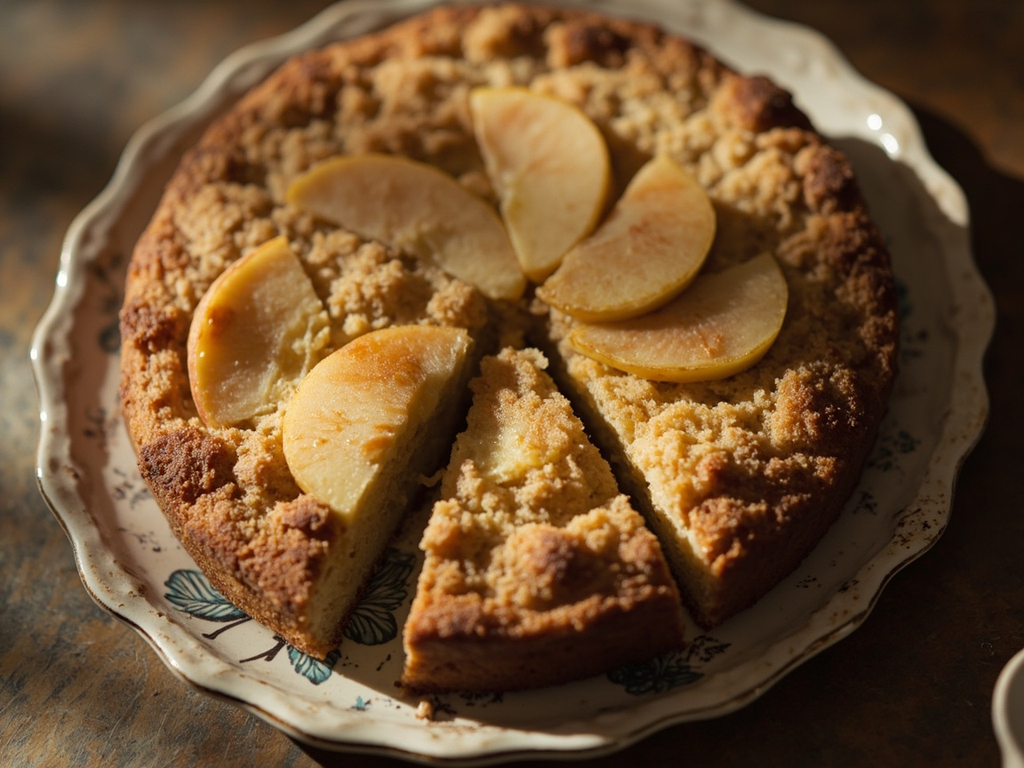
Streuselkuchen — the crumb cake from the homeland
Why this dish? Trained in Germany before emigrating to Brazil, Hertha Meyer belonged to that generation of German-speaking exiles who kept alive, on Sundays, the ritual of Kaffee und Kuchen. This crumb cake is a bridge between her childhood table and her tropical life.
A soft yeast dough topped with a generous layer of buttery crumble, sometimes filled with apples. The German afternoon cake, eaten with coffee, between conversations.
There are tastes you carry with you forever. At home, Sunday afternoons were spent around a Kuchen and coffee, and the first thing I tried to recreate here was those little butter crumbs, crispy, that you crumble with your fingertips over the dough. In Brazil I had to improvise a bit — butter doesn't hold well in the heat — but the smell coming out of the oven instantly takes me back to Germany.
- •Wheat flour — for dough and crumbs (base)
- •Baker's yeast — a little (leavening)
- •Milk — warm (liquid)
- •Butter — generously (richness, crumbs)
- •Sugar — to taste (sweetness)
- •Egg — one (binder)
- •Apples — a few (tart filling)
- •Cinnamon — a pinch (flavor)
Streuselkuchen — the crumb cake from the homeland
A soft yeast dough topped with a generous layer of buttery crumble, sometimes filled with apples. The German afternoon cake, eaten with coffee, between conversations.
Why this dish? Trained in Germany before emigrating to Brazil, Hertha Meyer belonged to that generation of German-speaking exiles who kept alive, on Sundays, the ritual of Kaffee und Kuchen. This crumb cake is a bridge between her childhood table and her tropical life.
There are tastes you carry with you forever. At home, Sunday afternoons were spent around a Kuchen and coffee, and the first thing I tried to recreate here was those little butter crumbs, crispy, that you crumble with your fingertips over the dough. In Brazil I had to improvise a bit — butter doesn't hold well in the heat — but the smell coming out of the oven instantly takes me back to Germany.
Ingredients (period version)
- Wheat flour — for dough and crumbs (base)
- Baker's yeast — a little (leavening)
- Milk — warm (liquid)
- Butter — generously (richness, crumbs)
- Sugar — to taste (sweetness)
- Egg — one (binder)
- Apples — a few (tart filling)
- Cinnamon — a pinch (flavor)
Ingredients
- Flour — 350 g (dough) + 200 g (crumbs) (base)
- Active dry yeast — 7 g (leavening)
- Warm milk — 120 ml (liquid)
- Butter — 60 g (dough) + 125 g (crumbs) (richness)
- Sugar — 60 g (dough) + 100 g (crumbs) (sweetness)
- Egg — 1 (binder)
- Apples — 2 (tart filling)
- Cinnamon — 1 tsp (flavor)
Method
- Dissolve yeast in warm milk. Mix with 350 g flour, 60 g sugar, egg, and 60 g soft butter. Knead into a soft dough and let rise for 1 hour.
- Prepare crumbs: with fingertips, rub together 200 g flour, 100 g sugar, 125 g cold butter, and cinnamon until coarse crumbs form.
- Roll out risen dough into a buttered pan. Arrange apple slices thinly on top.
- Cover completely with crumbs.
- Bake at 180°C for about 30–35 minutes, until crumbs are golden.
- Let cool slightly and serve with coffee.
How it was made : Streuselkuchen has been a classic in German cafés and bakeries since the 19th century. Among German-speaking communities in southern Brazil and among émigrés, it persisted as a marker of Sunday afternoon identity, sometimes adapted with local fruits.
The contemporary twist : Replace apple with thin slices of banana or ripe mango — the sweet meeting of childhood Germany and adopted Brazil.
Hertha Meyer · Charactorium