Ichijū-sansai (一汁三菜)
The classic structure of a Japanese meal: a bowl of rice (gohan) at the center, a soup (ichijū, almost always miso soup), and three side dishes (sansai) — one main dish often based on fish or tofu, and two small vegetable or pickle dishes. Everything is eaten in small alternating bites, with no set order of starter-main-dessert. During the Meiji and Shōwa eras, in cultured households like Raichō's, this Japanese foundation timidly opened up to a few Western novelties (bread, refined sugar, dairy products).
Signature : Miso (味噌)
Fermented soybean paste, the umami and fermented soul of the Japanese table. Present from morning to night, it connects the humblest daily meals to festive days and embodies that deep, savory, and comforting fermented taste that structures every Japanese meal of Raichō's era.
Hiratsuka Raichō at the table
5 period recipes
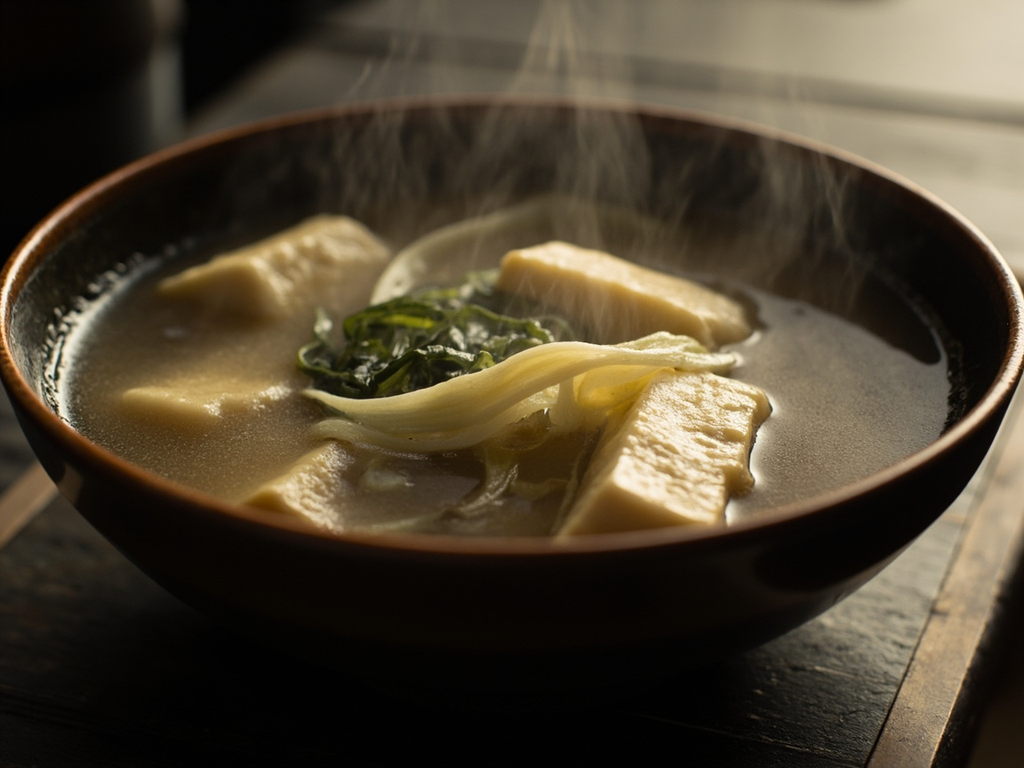 Everyday
Miso Soup with Tofu and Wakame (味噌汁)
Ichijū — the foundational soup of the meal
🍄 🧂 🫙· 30 min
View the recipe
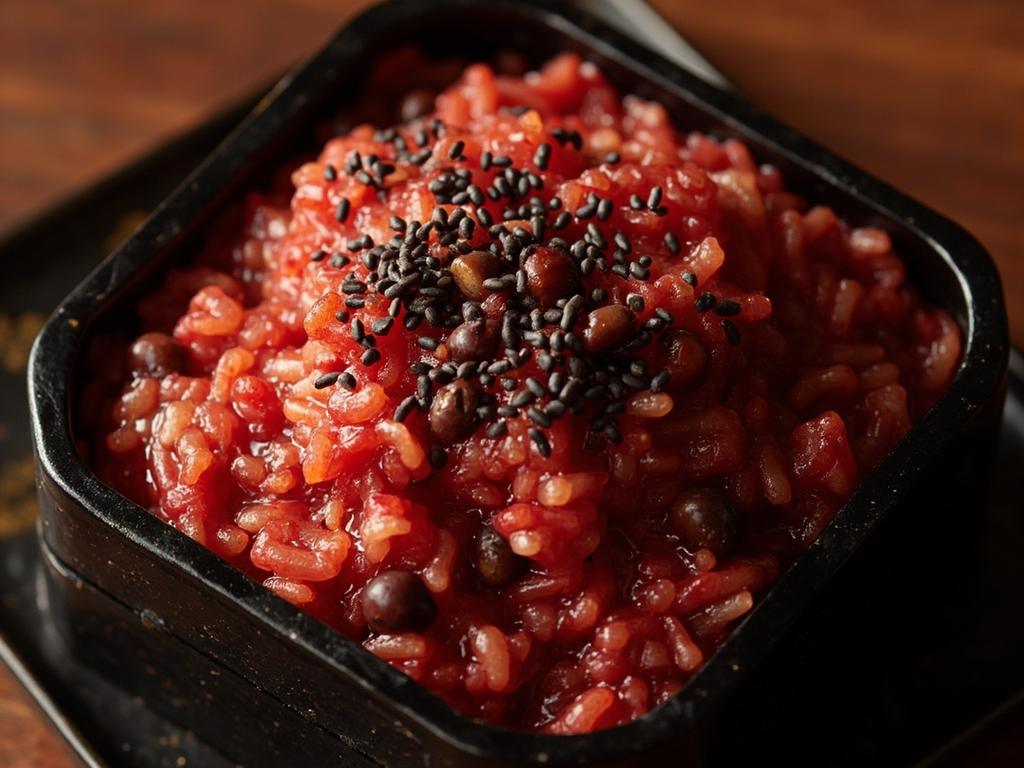 Festive
Sekihan, Red Rice with Azuki Beans (赤飯)
Celebration dish — gohan for festive days
🍯 🧂· 1 h (plus overnight soaking)
View the recipe
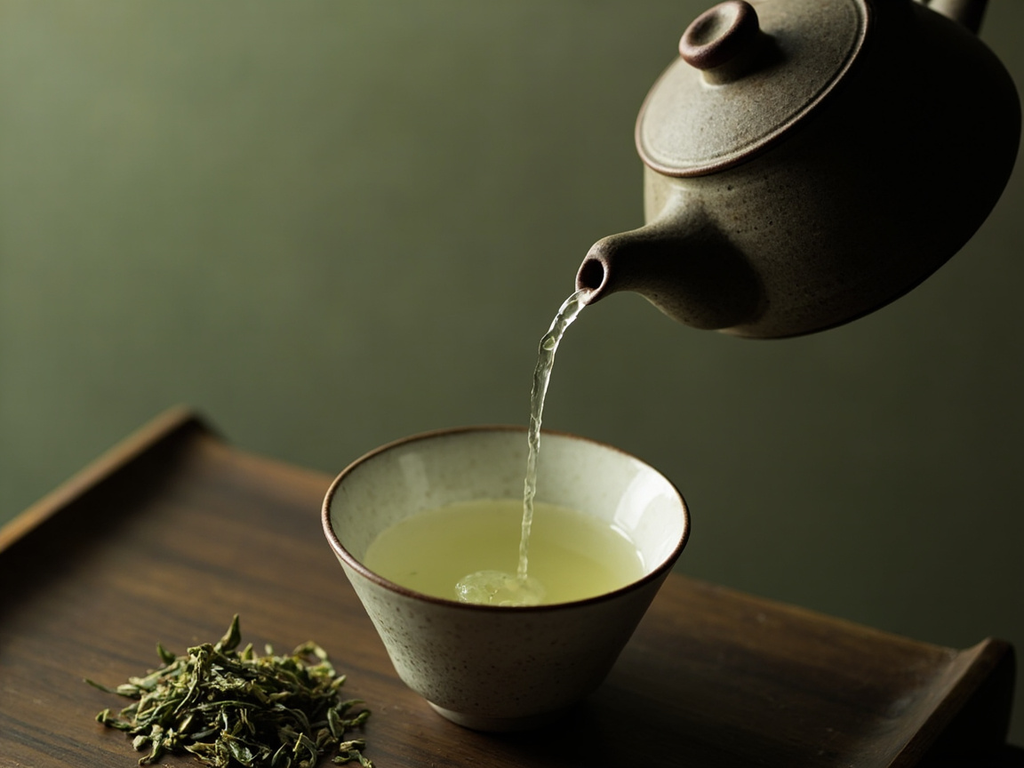 Drink
DrinkSencha, Steeped Green Tea (煎茶)
Writing-desk beverage — companion of letters
☕ 🍄· 5 min
View the recipe
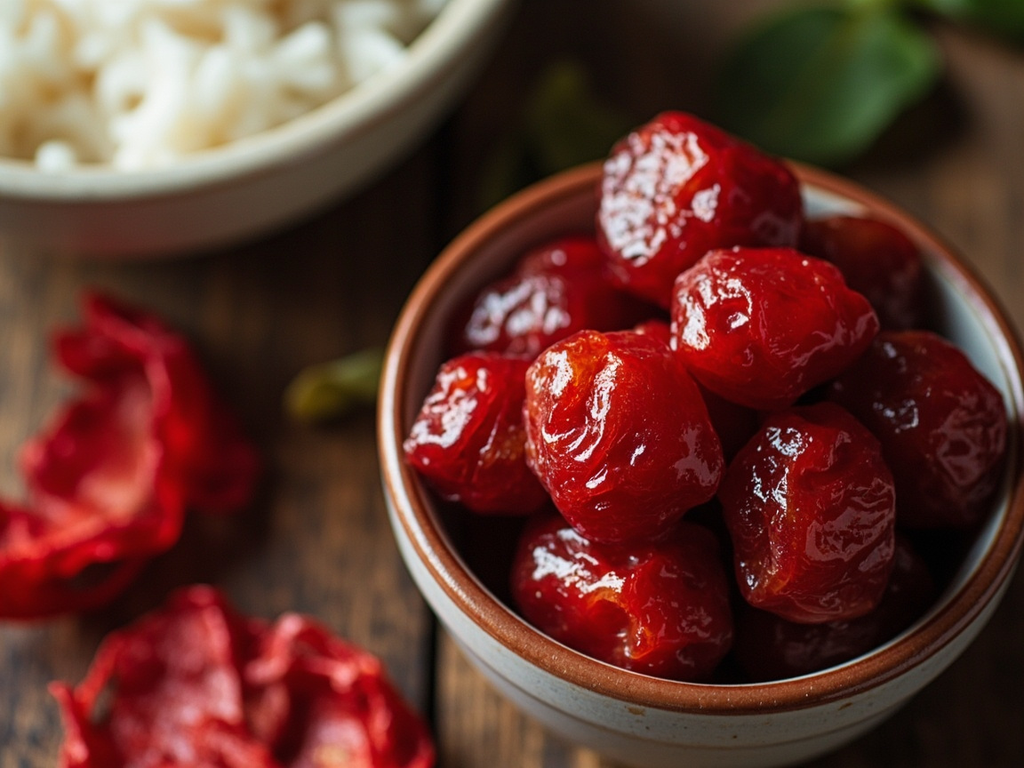 Preserving
Umeboshi, Salted Pickled Plums (梅干し)
Tsukemono — tangy pantry preserve
🍋 🧂· Preparation 30 min + several weeks of maturation
View the recipe
 Street food
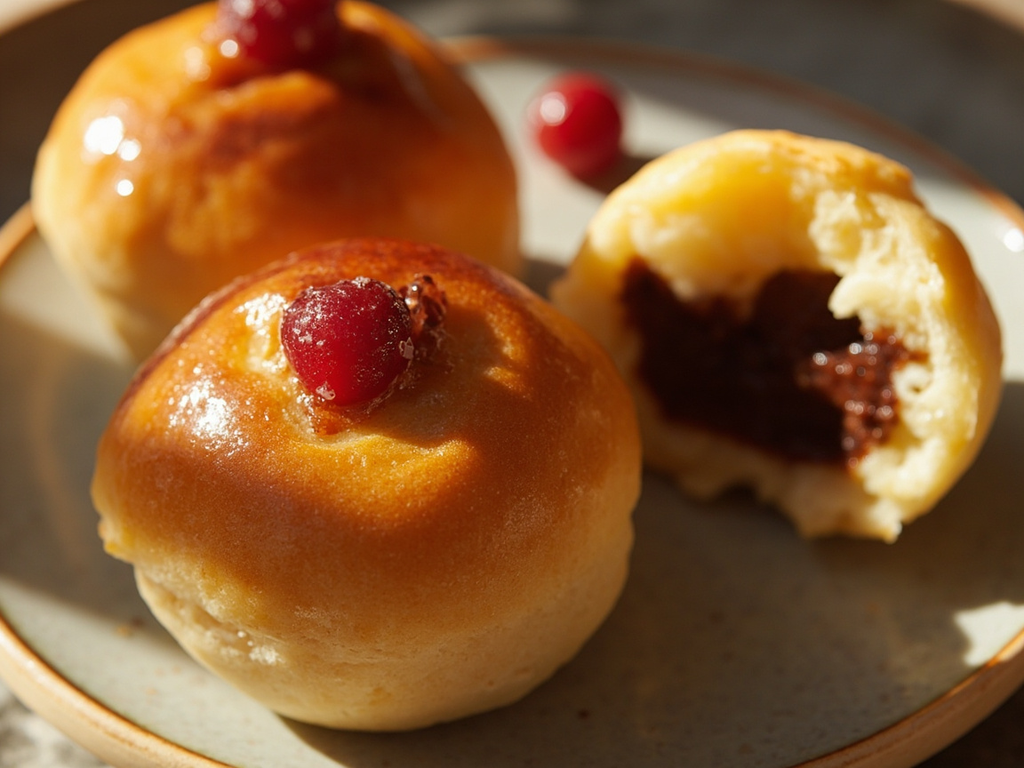
Anpan, Sweet Bun Filled with Azuki Paste (あんパン)
Street snack of modernity — the East-West encounter
🍯· 2 h 30 (with rising times)
View the recipe