 flip
flipSencha, Steeped Green Tea (煎茶)
Sencha, Steeped Green Tea (煎茶)
Why this dish? The brush, sumi ink, and the teacup: Raichō's low work table, the writer and activist, was unthinkable without its sencha. Green tea punctuated the hours spent reading Western philosophy and writing feminist manifestos, a brew of concentration and intellectual conversation.
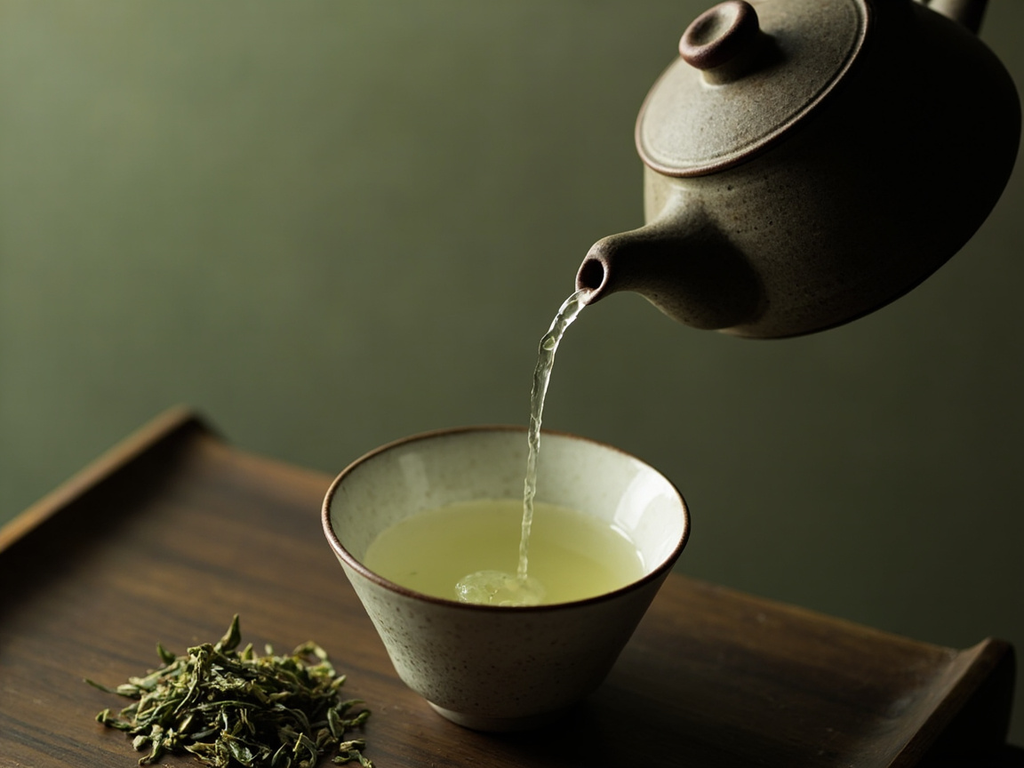
Japanese green tea leaves steeped in water that is hot but never boiling, yielding a yellow-green liquor that is vegetal, slightly bitter, and surprisingly umami. The drink of an alert mind.
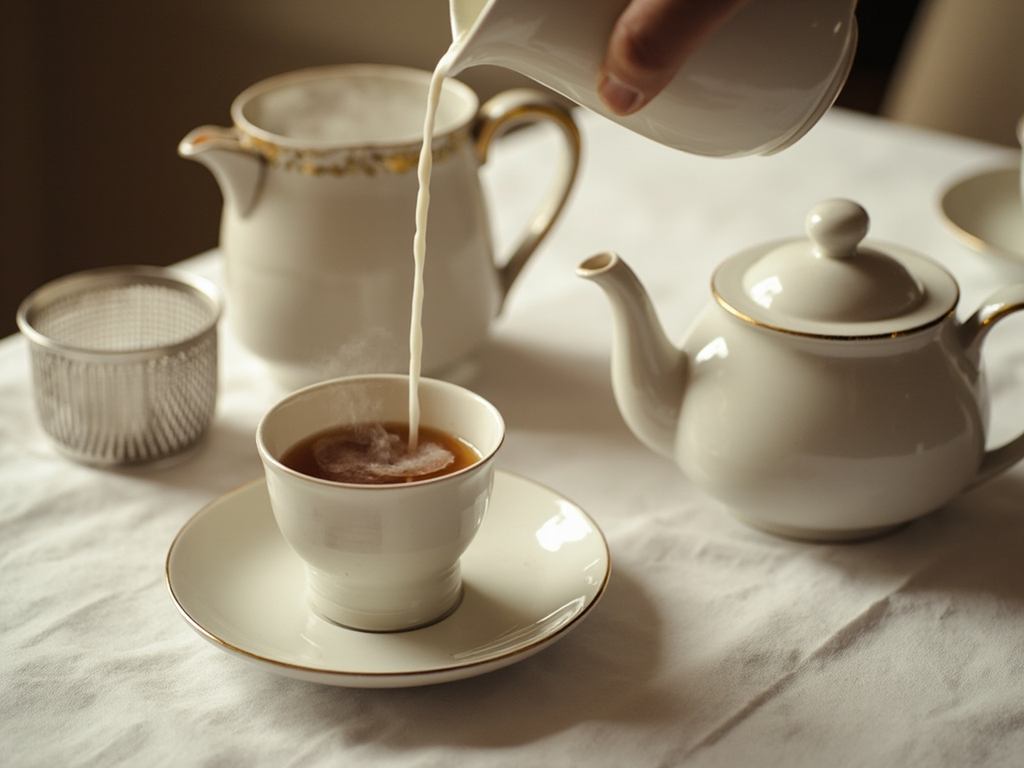
Boiling water is the enemy of tea: it rips away its delicacy and leaves only harshness. Let it rest first, so it comes down from its anger, then pour it over the leaves and count barely to thirty. Then pour into the cups drop by drop, going back and forth from one to another, so that each receives an equal infusion — for serving tea is no less just than distributing rights. It is before this tea, more than any banquet, that the women of Seitō thought the world anew.
- •Sencha leaves — one spoon per person (tea)
- •Spring water — depending on number of cups (infusion)
Sencha, Steeped Green Tea (煎茶)
Japanese green tea leaves steeped in water that is hot but never boiling, yielding a yellow-green liquor that is vegetal, slightly bitter, and surprisingly umami. The drink of an alert mind.
Why this dish? The brush, sumi ink, and the teacup: Raichō's low work table, the writer and activist, was unthinkable without its sencha. Green tea punctuated the hours spent reading Western philosophy and writing feminist manifestos, a brew of concentration and intellectual conversation.
Boiling water is the enemy of tea: it rips away its delicacy and leaves only harshness. Let it rest first, so it comes down from its anger, then pour it over the leaves and count barely to thirty. Then pour into the cups drop by drop, going back and forth from one to another, so that each receives an equal infusion — for serving tea is no less just than distributing rights. It is before this tea, more than any banquet, that the women of Seitō thought the world anew.
Ingredients (period version)
- Sencha leaves — one spoon per person (tea)
- Spring water — depending on number of cups (infusion)
Ingredients
- Sencha green tea leaves — 2 tsp (about 4 g) for 2 cups (tea)
- Filtered water — 200 ml (infusion)
Method
- Boil water then let it cool to about 70-80 °C (pouring from cup to cup cools it naturally).
- Place leaves in a small teapot (kyūsu).
- Pour water over leaves and steep for only 30 to 60 seconds.
- Serve by distributing the tea cup by cup, in several passes, to equalize the infusion strength.
- The same leaves yield a second, even a third infusion, milder.
How it was made : Sencha became popular during the Edo and Meiji periods, becoming the daily drink of all classes. The rule of cooled water distinguishes good tea from bad: the cooler the water, the more umami (the savory taste from theanine) dominates over bitterness.
The contemporary twist : In summer, prepare mizudashi: the same leaves steeped in cold water for several hours in the fridge yield a sweet, barely bitter, almost sweet tea.
Hiratsuka Raichō · Charactorium