 flip
flipAnpan, Sweet Bun Filled with Azuki Paste (あんパン)
Anpan, Sweet Bun Filled with Azuki Paste (あんパン)
Why this dish? Anpan — Western leavened bread filled with sweet Japanese bean paste — was born in 1874, a pure product of the Meiji era in which Raichō grew up. It perfectly embodies the world she inhabited: a cultured, urban youth that adopted bread and Western clothing (the yōfuku she wore) while remaining deeply Japanese. This shop-bought sweet, purchased on the streets of Tokyo, is the snack of her generation.
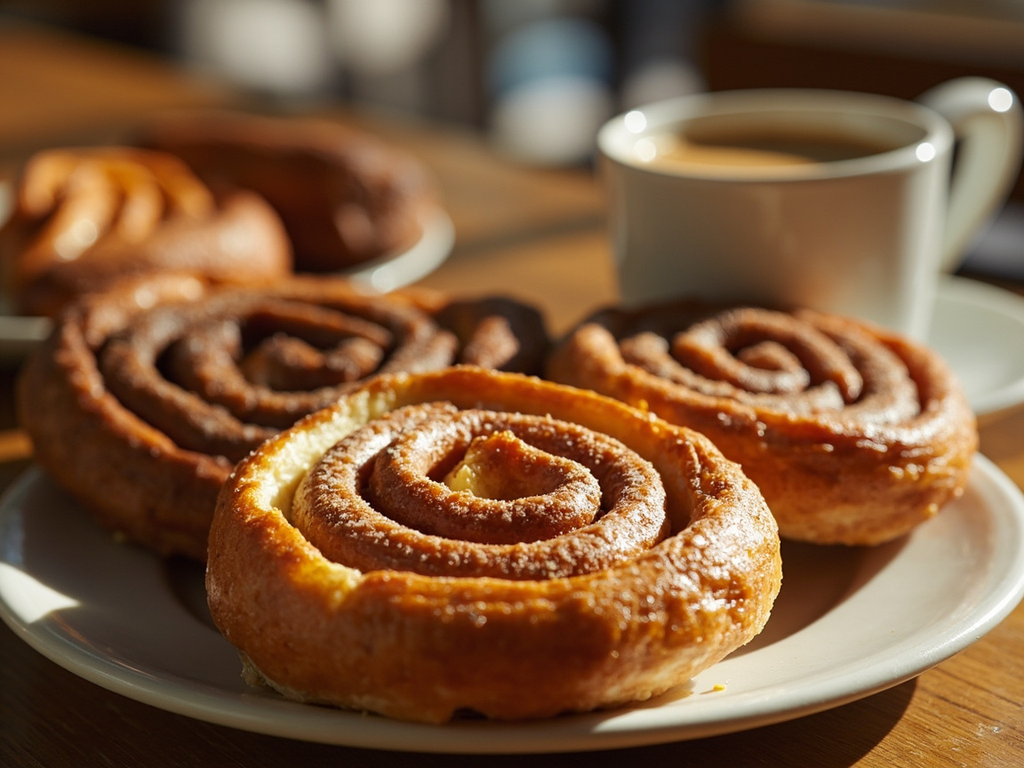
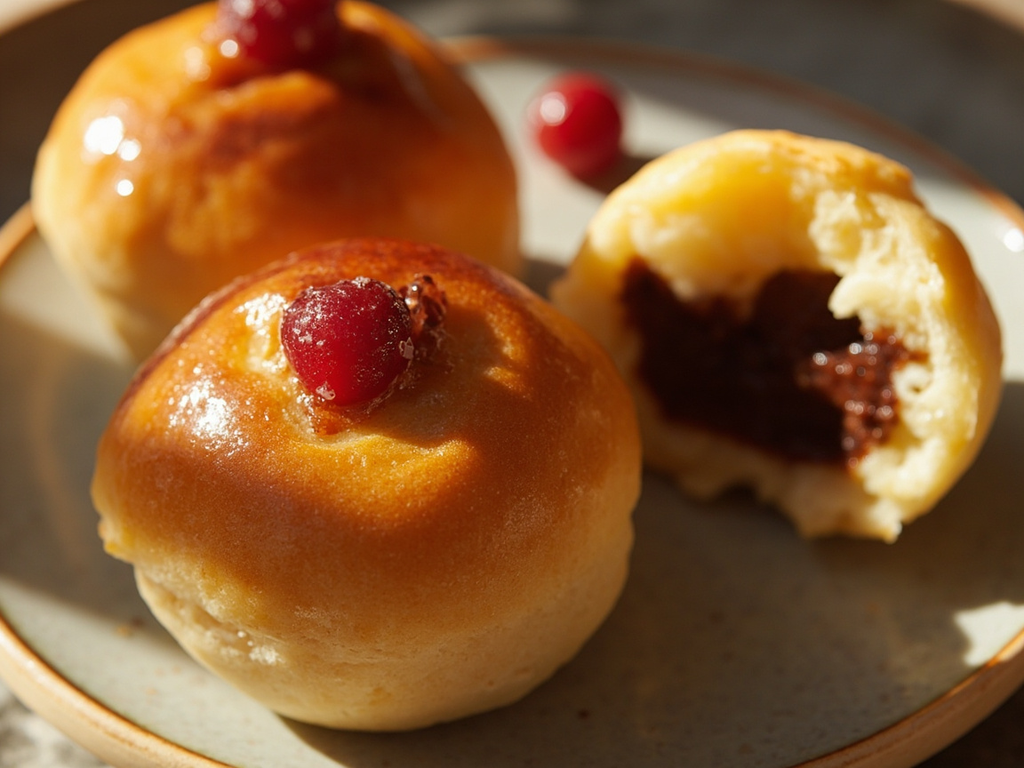
A small round bun, soft and glossy, sometimes adorned with a salted cherry blossom in its center, hiding a heart of sweet azuki paste (anko). The Western modernity of leavened bread enveloping the most ancient Japanese sweetness.
You see, this little bun is my entire era held in the hand. When I was a student at the Women's University, we would snatch up these anpan at shops in the city — Western-style bread, yes, but clever enough to let itself be filled with our good azuki paste. I wore yōfuku then, I read European philosophers, and yet my palate remained Japanese. They said the salted cherry blossom planted on top was reserved for happy days. I liked to see in it a sign that a woman too could take from the new world without renouncing anything of what she was.
- •Wheat flour — as needed (bread dough)
- •Starter / yeast — a little (leavening)
- •Sugar — a little for the dough (softness)
- •Sweet azuki paste (anko) — one ball per bun (filling)
- •Salted cherry blossom — one per bun (ornament and fragrance)
Anpan, Sweet Bun Filled with Azuki Paste (あんパン)
A small round bun, soft and glossy, sometimes adorned with a salted cherry blossom in its center, hiding a heart of sweet azuki paste (anko). The Western modernity of leavened bread enveloping the most ancient Japanese sweetness.
Why this dish? Anpan — Western leavened bread filled with sweet Japanese bean paste — was born in 1874, a pure product of the Meiji era in which Raichō grew up. It perfectly embodies the world she inhabited: a cultured, urban youth that adopted bread and Western clothing (the yōfuku she wore) while remaining deeply Japanese. This shop-bought sweet, purchased on the streets of Tokyo, is the snack of her generation.
You see, this little bun is my entire era held in the hand. When I was a student at the Women's University, we would snatch up these anpan at shops in the city — Western-style bread, yes, but clever enough to let itself be filled with our good azuki paste. I wore yōfuku then, I read European philosophers, and yet my palate remained Japanese. They said the salted cherry blossom planted on top was reserved for happy days. I liked to see in it a sign that a woman too could take from the new world without renouncing anything of what she was.
Ingredients (period version)
- Wheat flour — as needed (bread dough)
- Starter / yeast — a little (leavening)
- Sugar — a little for the dough (softness)
- Sweet azuki paste (anko) — one ball per bun (filling)
- Salted cherry blossom — one per bun (ornament and fragrance)
Ingredients
- Bread flour (T45) — 300 g (bread dough)
- Active dry yeast — 5 g (leavening)
- Sugar — 30 g (softness)
- Warm milk — 160 ml (hydration)
- Soft butter — 30 g (softness)
- Salt — 1 pinch (flavor)
- Sweet azuki paste (anko, store-bought or homemade) — 250 g (filling)
- Salted cherry blossoms (sakura, rehydrated) or sesame seeds — 6-8 (ornament)
- Egg yolk for glaze — 1 (shine)
Method
- Dissolve yeast and sugar in warm milk, let foam for 10 min.
- Mix with flour and salt, knead, incorporate butter, then knead until smooth and elastic.
- Let rise covered for 1 h until doubled.
- Divide into 6-8 balls; flatten each, place a walnut-sized piece of anko in the center, seal tightly and shape into a smooth ball, seam side down.
- Let rise for 30 min; brush with egg yolk and press a sakura blossom (desalted) or sesame seeds on top.
- Bake for 12-15 min at 180 °C until golden brown; let cool slightly before biting.
How it was made : Anpan was created in 1874 by Yasubei Kimura (Kimuraya shop), who replaced Western yeast with a fermented rice starter (sakadane) better suited to Japanese tastes. The version with a salted cherry blossom was, it is said, presented to the imperial court. It is one of the most telling culinary symbols of the controlled Westernization of the Meiji era.
The contemporary twist : Today, fillings are varied: white bean paste (shiro-an), matcha cream, or even a touch of sea salt on top for a very contemporary sweet-salty contrast.
Hiratsuka Raichō · Charactorium