 Flip the card
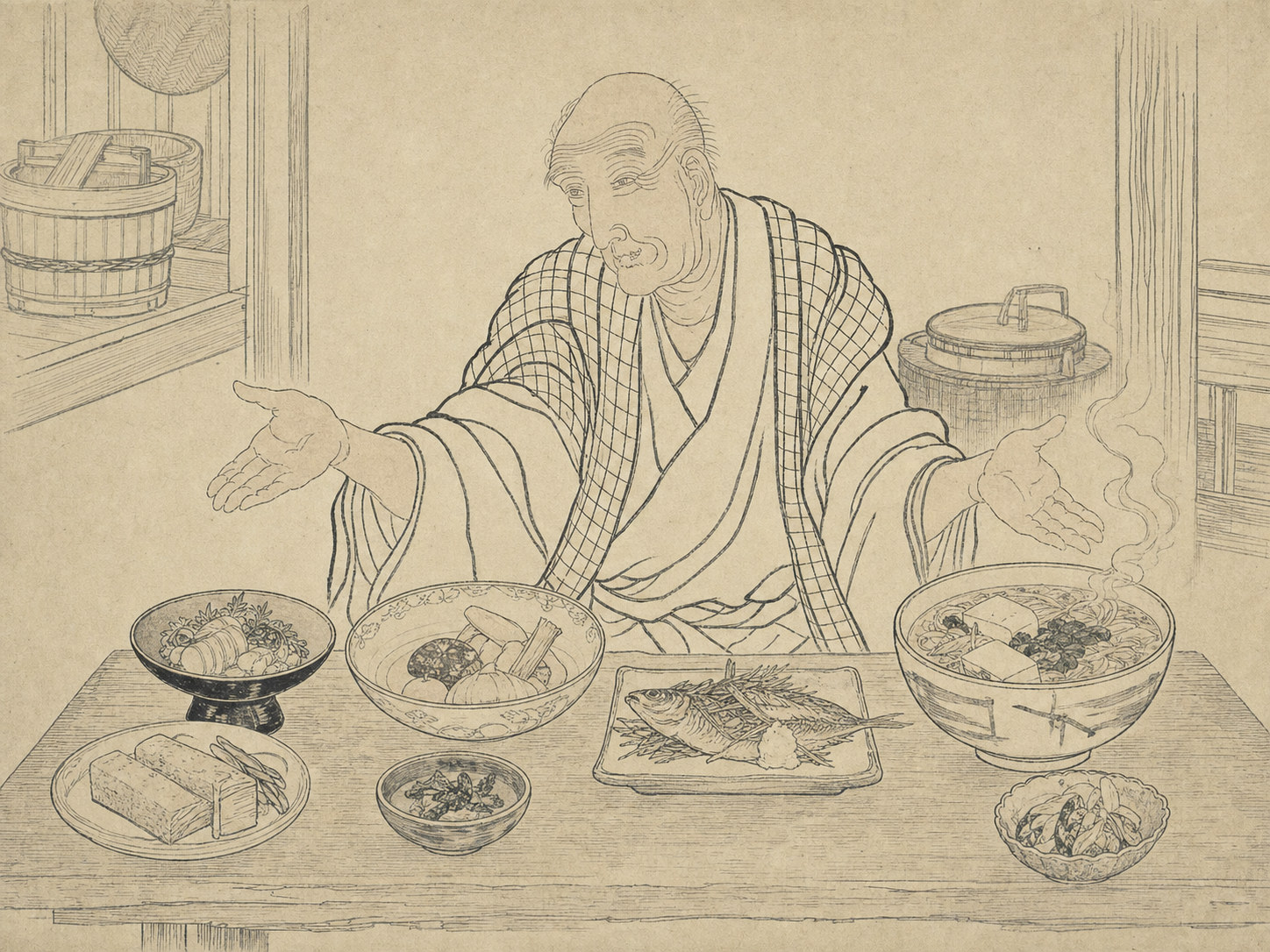
Hokusai at the table
1760 — 1849
On the menu
Ichijū-sansai (一汁三菜) — "one soup, three sides"
The structure of the Japanese meal in the Edo period revolves around white rice (gohan), the pivot and measure of every meal. Around it gravitate a soup (most often miso soup), a modest main dish (fish, tofu), and small accompaniments, including the indispensable tsukemono (pickled vegetables). There is no talk of appetizer, main course, and dessert: everything is set out at once, and one picks and chooses with each mouthful of rice. For a commoner like Hokusai, a reduced version — ichijū-issai, one soup and one side — often sufficed, quickly swallowed to return to work.
Signature : Dashi of katsuobushi and kombu
The clear broth made from smoked dried bonito (katsuobushi) and kombu seaweed is the invisible soul of Edo cuisine. Without salt or fat, it brings that savory depth — umami — that supports miso soup, noodle broth, and a thousand preparations. It is the basso continuo of an entire cuisine.
click to flip back
Hokusai at the table
1760 — 1849
5 period recipes
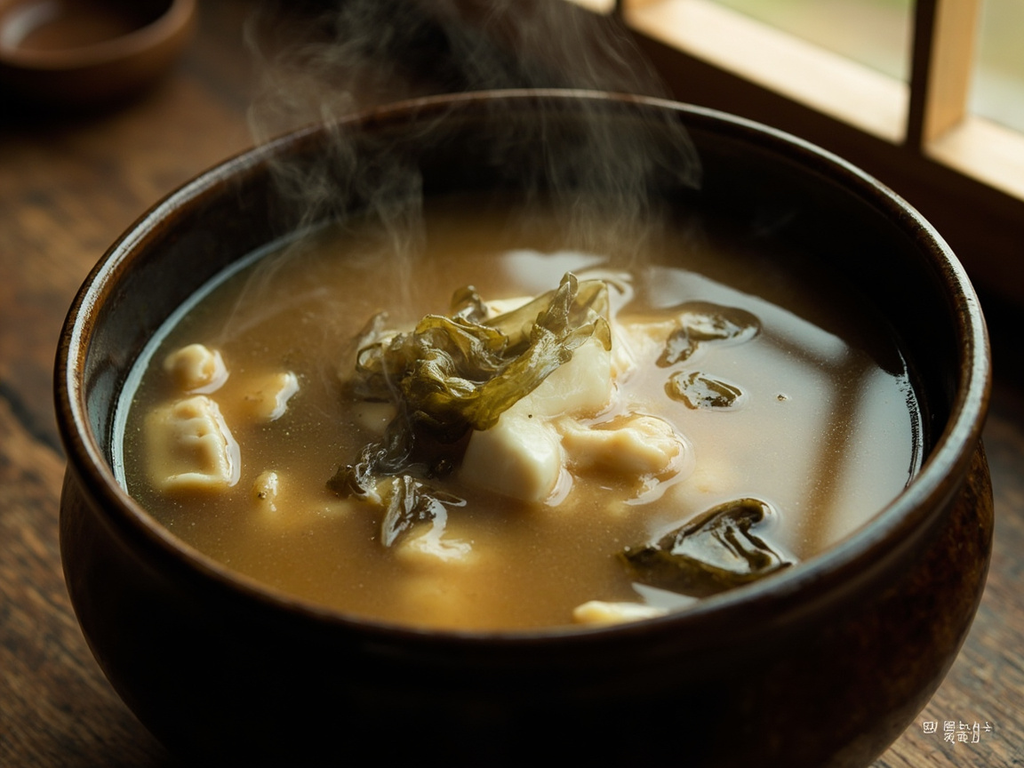 Everyday
Misoshiru with Tofu and Wakame
Shiru (the soup of ichijū-sansai)
🧂 🍄· 20 min
View the recipe
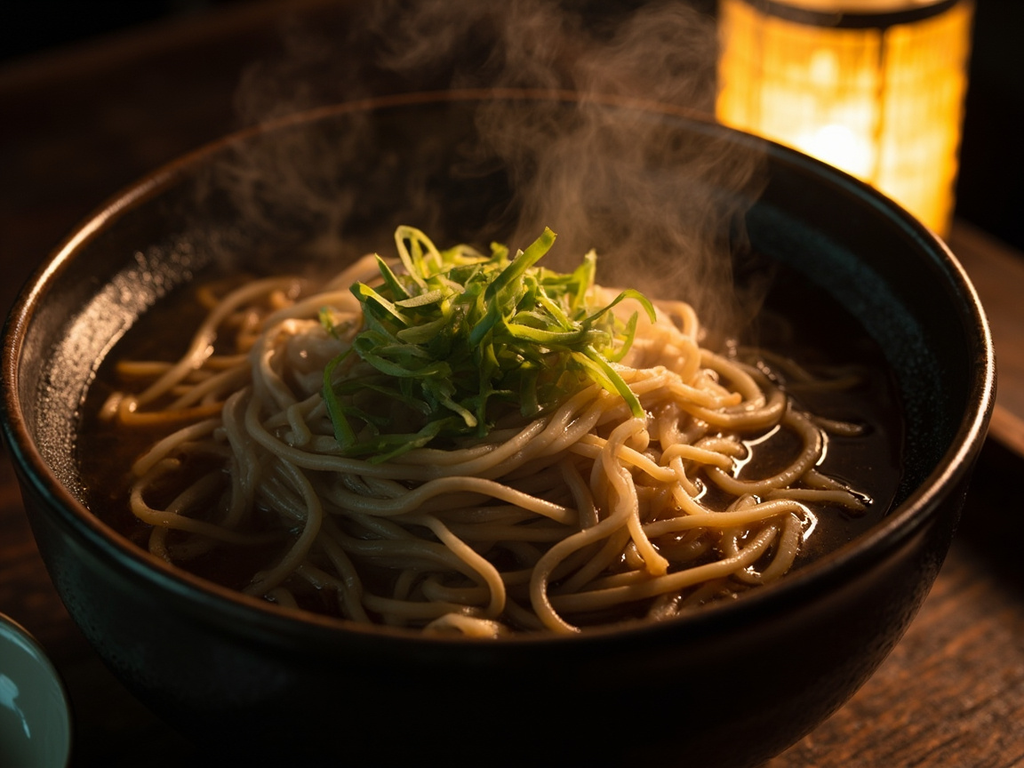 Street food
Kakesoba — Buckwheat Noodles in Broth, Edo-style
Yatai-mono (food from street stalls)
🍄 🧂· 25 min
View the recipe
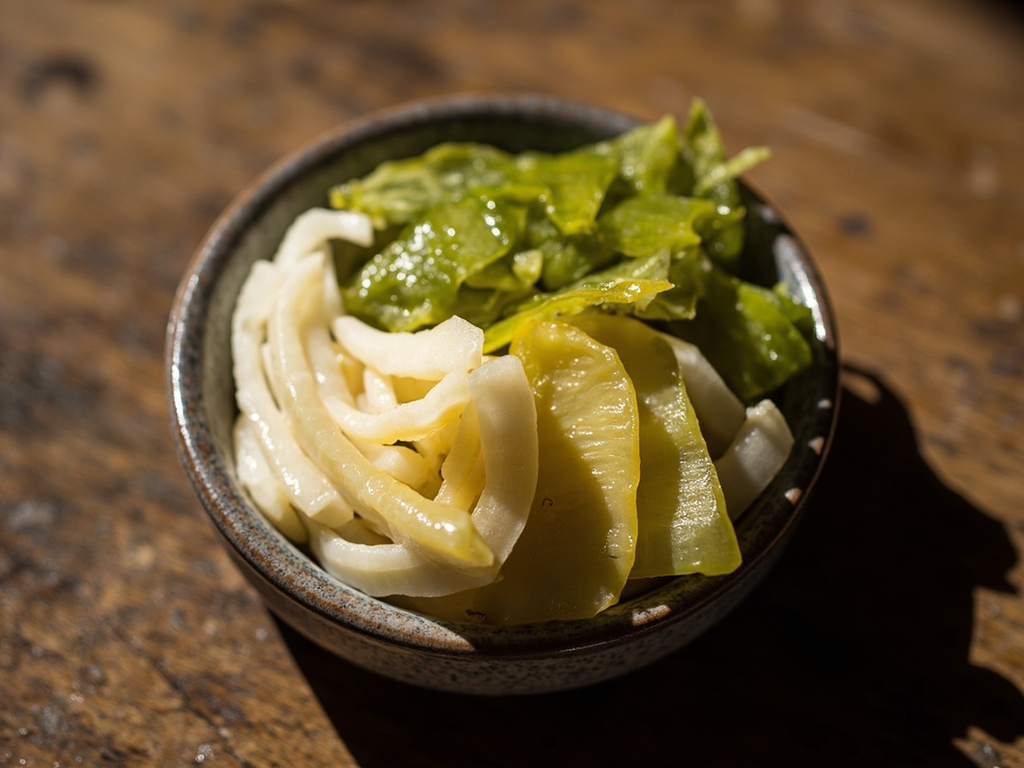 Preserving
Nukazuke — Rice Bran Pickles
Tsukemono (pickles, the permanent accompaniment to rice)
🫙 🍋 🧂· 30 min prep + 1 week maturation
View the recipe
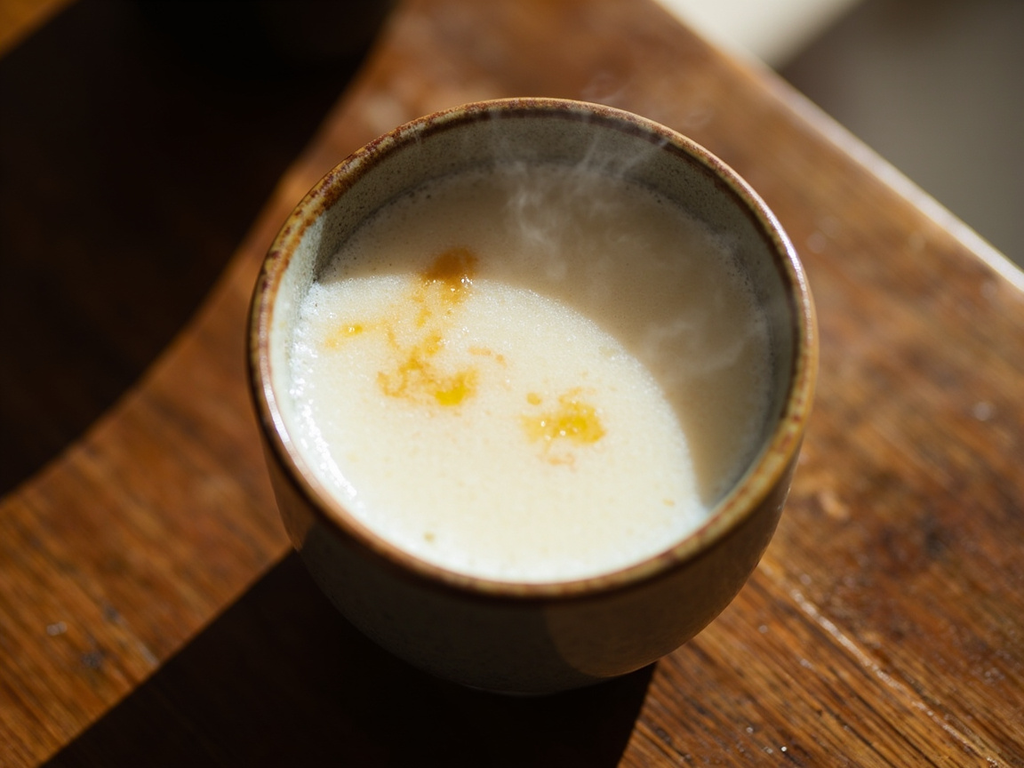 Drink
DrinkAmazake — Sweet Fermented Rice Drink
Nomimono from street vendors (stall drink)
🍯 🫙· 20 min + 6 to 8 h fermentation
View the recipe
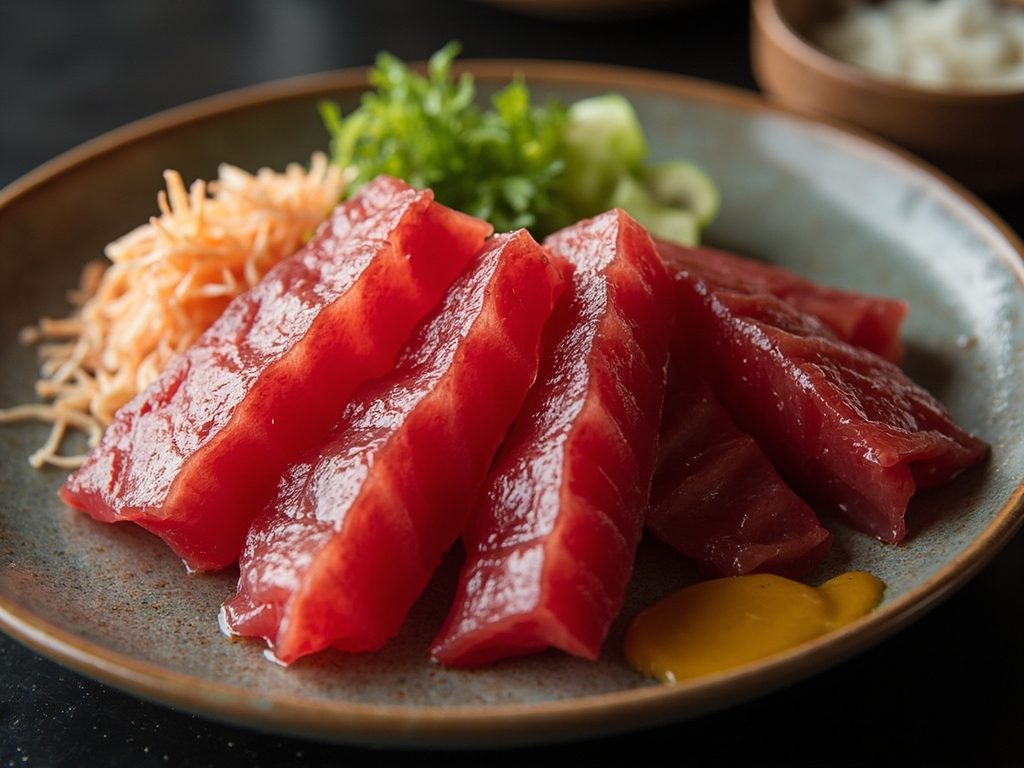 Festive
Hatsugatsuo — The First Bonito of the Season, as Sashimi
Sakana de fête (the fish, summit of ichijū-sansai on special days)
🍄 🧂· 20 min
View the recipe