 flip
flipCornstarch Alfajores with Dulce de Leche
Cornstarch Alfajores with Dulce de Leche
Why this dish? Dulce de leche is the sweet obsession of all Argentina, present from breakfast to snack; these small filled cookies, which keep for several days in a tin, embody the domestic sweetness of the modest and cultured world where Borges grew up.
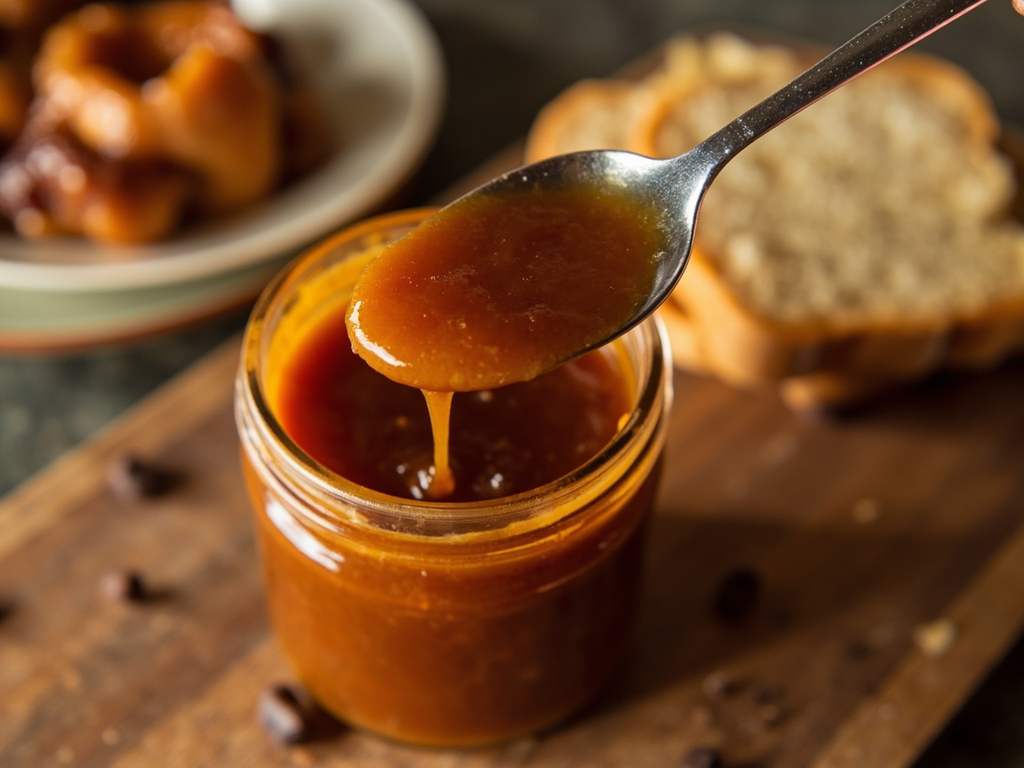
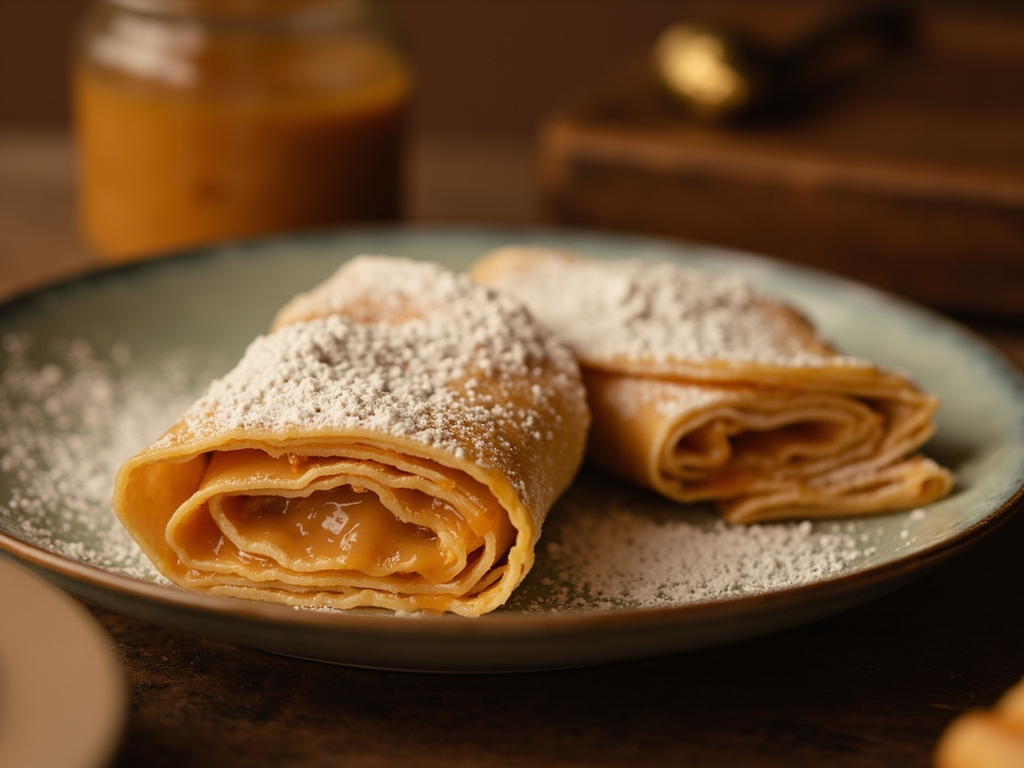
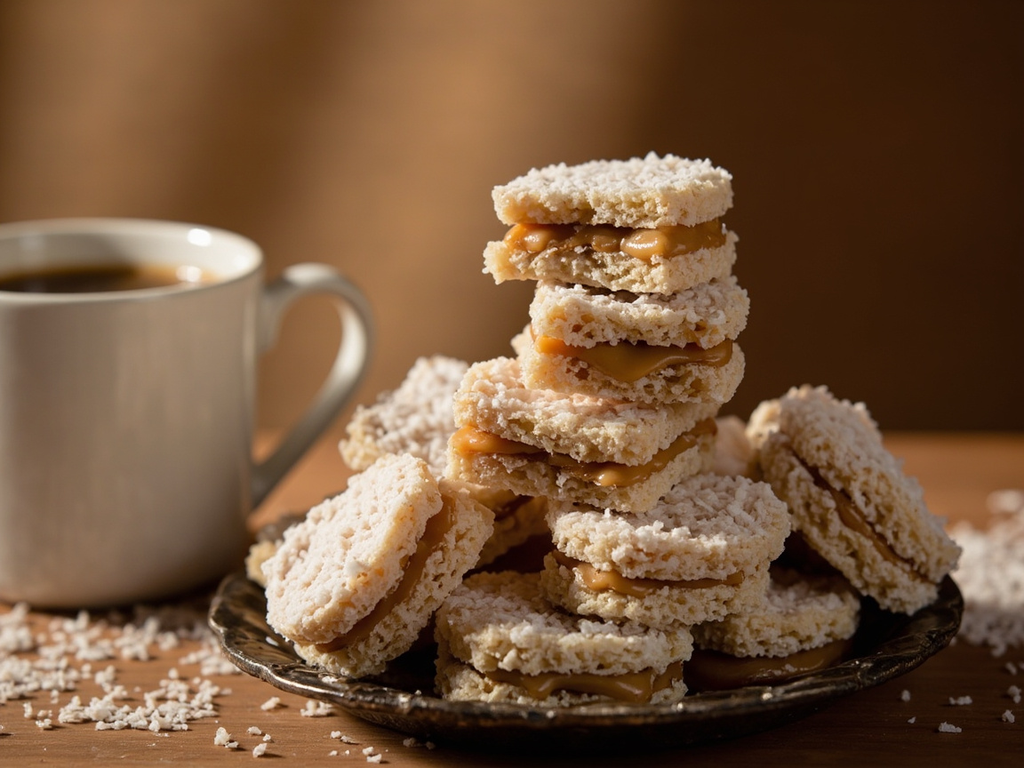
Two melt-in-the-mouth cornstarch cookies joined by a generous layer of dulce de leche, rolled in shredded coconut. A reserve sweet, kept in a tin and accompanying mate or coffee.
If mate is our bitterness, dulce de leche is our tenderness — and we put it everywhere, with a persistence bordering on mania. These cornstarch alfajores, so crumbly they almost melt before the tongue, keep for a few days in a tin box, and it takes a certain firmness of character not to eat them all on the first evening. You unite them with dulce, roll the edge in grated coconut, and serve them with afternoon mate. It is a child's sweet, I admit, but I have always thought that a man keeps within him the child he once was.
- •Cornstarch (maizena) — double the flour (melt-in-the-mouth cookie)
- •Wheat flour, butter, egg yolks, sugar — in proportion (dough)
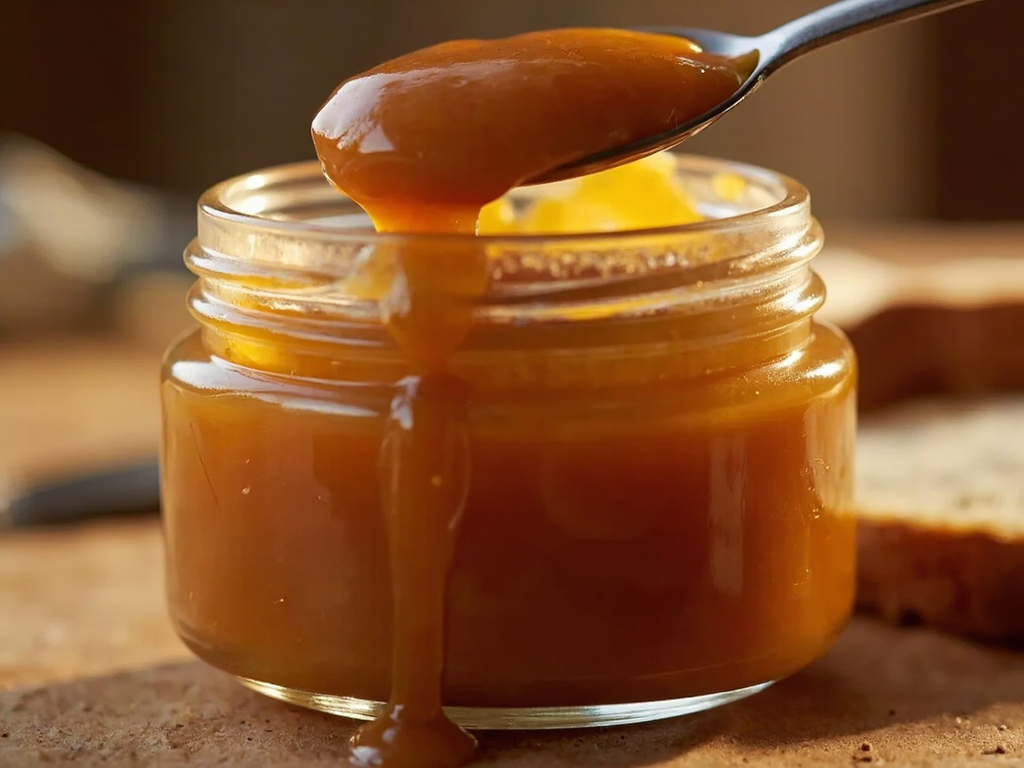
- •Dulce de leche — generously (filling)
- •Shredded coconut — for rolling (finish)
Cornstarch Alfajores with Dulce de Leche
Two melt-in-the-mouth cornstarch cookies joined by a generous layer of dulce de leche, rolled in shredded coconut. A reserve sweet, kept in a tin and accompanying mate or coffee.
Why this dish? Dulce de leche is the sweet obsession of all Argentina, present from breakfast to snack; these small filled cookies, which keep for several days in a tin, embody the domestic sweetness of the modest and cultured world where Borges grew up.
If mate is our bitterness, dulce de leche is our tenderness — and we put it everywhere, with a persistence bordering on mania. These cornstarch alfajores, so crumbly they almost melt before the tongue, keep for a few days in a tin box, and it takes a certain firmness of character not to eat them all on the first evening. You unite them with dulce, roll the edge in grated coconut, and serve them with afternoon mate. It is a child's sweet, I admit, but I have always thought that a man keeps within him the child he once was.
Ingredients (period version)
- Cornstarch (maizena) — double the flour (melt-in-the-mouth cookie)
- Wheat flour, butter, egg yolks, sugar — in proportion (dough)
- Dulce de leche — generously (filling)
- Shredded coconut — for rolling (finish)
Ingredients
- Cornstarch — 200 g (melt-in-the-mouth cookie)
- Wheat flour — 150 g (structure)
- Softened butter — 100 g (binder)
- Sugar + egg yolks — 75 g + 2 yolks (dough)
- Baking powder + lemon zest — 1 tsp + 1 zest (texture and flavor)
- Dulce de leche (thick, repostero type) — 200 g (filling)
- Shredded coconut — 50 g (finish)
Method
- Beat the softened butter with sugar, add the yolks and lemon zest.
- Incorporate the sifted cornstarch, flour, and baking powder until a soft dough forms; let rest 30 min in the fridge.
- Roll out to 5 mm, cut discs of 4–5 cm and bake at 170 °C for 10–12 min without letting them color (they should remain pale).
- Let cool completely, then fill one disc with thick dulce de leche and top with a second disc.
- Roll the exposed dulce edge in shredded coconut. Store in an airtight tin.
How it was made : Dulce de leche is made by slowly reducing milk and sugar until caramelized. Alfajores, of Andalusian-Moorish origin, became a national emblem in Argentina, made with cornstarch for their sandy texture. Their storage in tin boxes made them a practical snack reserve.
The contemporary twist : Dip half of the alfajores in a thin glaze and present them in a stack, with a handwritten label 'La biblioteca de Babel' to play on the infinity of identical snacks.
Jorge Luis Borges · Charactorium