 flip
flipPinole of the Misiones Culturales
Pinole of the Misiones Culturales
Why this dish? Vasconcelos launched the Misiones Culturales, those railway cars of teachers who crisscrossed rural Mexico to teach literacy. Pinole — toasted corn flour sweetened with cinnamon, which keeps for weeks and is carried in a pouch — was the classic viaticum of travelers and muleteers on the long roads his missionaries traveled.
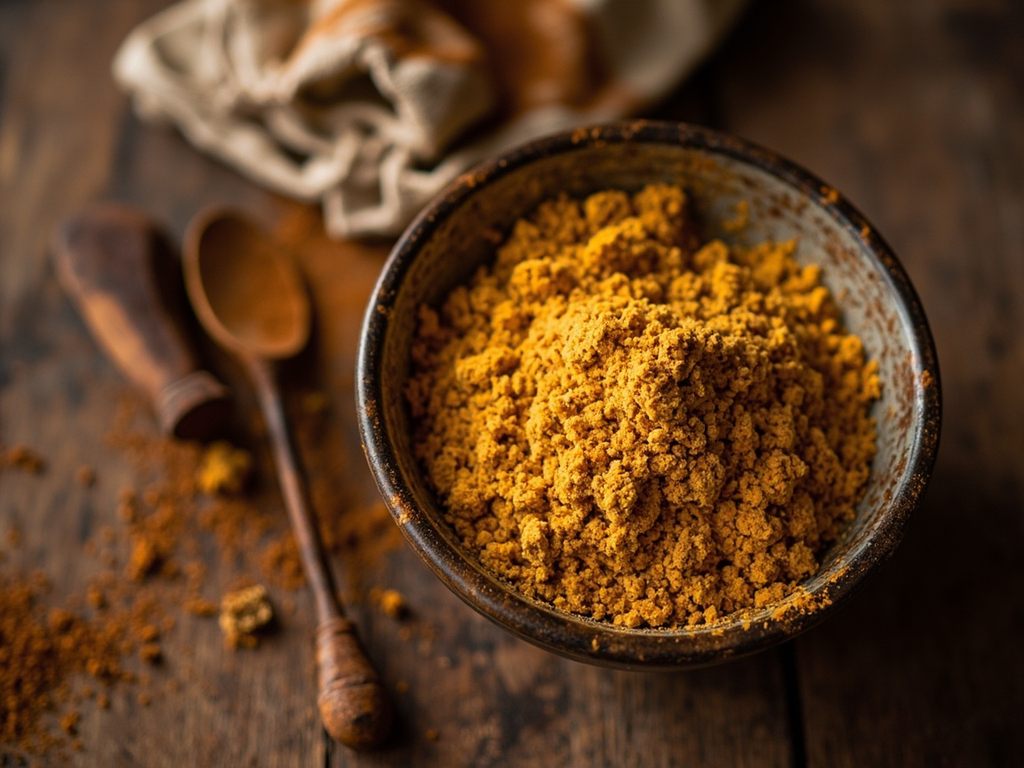
A fine powder of toasted corn, perfumed with cinnamon and sweetened, eaten by the spoonful, diluted in water or milk, or carried in a pouch to stave off hunger on long journeys.
When I sent my schoolteachers to the farthest reaches of the country, in the wagons of the Misiones, I knew they would eat what the muleteer eats: pinole. A handful of this golden powder, a little water from a spring, and the man sets off again to teach the children of the mountains. It is the quintessential travel food, light as an idea and faithful as a book. See how corn, simply toasted and ground, nourishes the one who carries the light of the alphabet to forgotten villages.
- •Dried corn — full hands (base)
- •Cinnamon — one stick (flavor)
- •Cane sugar (piloncillo) — to taste (sweetness, energy)
Pinole of the Misiones Culturales
A fine powder of toasted corn, perfumed with cinnamon and sweetened, eaten by the spoonful, diluted in water or milk, or carried in a pouch to stave off hunger on long journeys.
Why this dish? Vasconcelos launched the Misiones Culturales, those railway cars of teachers who crisscrossed rural Mexico to teach literacy. Pinole — toasted corn flour sweetened with cinnamon, which keeps for weeks and is carried in a pouch — was the classic viaticum of travelers and muleteers on the long roads his missionaries traveled.
When I sent my schoolteachers to the farthest reaches of the country, in the wagons of the Misiones, I knew they would eat what the muleteer eats: pinole. A handful of this golden powder, a little water from a spring, and the man sets off again to teach the children of the mountains. It is the quintessential travel food, light as an idea and faithful as a book. See how corn, simply toasted and ground, nourishes the one who carries the light of the alphabet to forgotten villages.
Ingredients (period version)
- Dried corn — full hands (base)
- Cinnamon — one stick (flavor)
- Cane sugar (piloncillo) — to taste (sweetness, energy)
Ingredients
- Dried corn (or coarse polenta to toast) — 250 g (base)
- Ground cinnamon — 1 tsp (flavor)
- Whole cane sugar or grated piloncillo — 60 g (sweetness)
- Pinch of salt — 1 (balance)
- Water or milk to serve — as desired (optional drink)
Method
- Toast the corn dry in a pan over medium heat, stirring, until golden and fragrant (without burning).
- Let cool slightly, then grind finely with the cinnamon (coffee grinder or powerful food processor).
- Sift to obtain a fine powder, mix with sugar and salt.
- Store in an airtight jar: keeps several weeks.
- Enjoy by the spoonful (with a glass of water) or diluted in water or hot milk.
How it was made : Pinole is one of the oldest travel foods of the Americas, already described among pre-Hispanic peoples. Toasting stabilizes the corn and makes it nutritious and compact — the Mesoamerican equivalent of marching rations.
The contemporary twist : Incorporated into cookie dough or sprinkled over vanilla ice cream, pinole offers a toasted caramelized corn flavor that pleasantly surprises today's palates.
Sources : Bernardino de Sahagún, Historia general de las cosas de Nueva España (16th c.) · Diana Kennedy, The Cuisines of Mexico (1972)
José Vasconcelos · Charactorium