ʻAi — poi and its iʻa
The Hawaiian meal is not arranged as starter-main-dessert but around a starch base, poi (pounded and fermented taro paste), which is eaten with one, two, or three fingers depending on its consistency. To this base is added an iʻa: anything that "accompanies" — salted raw fish, seafood, meat, seaweed (limu). People sit on lauhala mats, eating from shared calabashes (ʻumeke). In Kaʻahumanu's time, the kapu system still separated men's and women's tables (ʻai kapu) and forbade women pork, certain bananas, and coconut. Great feasts (ʻaha ʻaina, lūʻau) added noble meats cooked in an earth oven to the base. It was precisely this order that the queen overturned in 1819 by eating with men: the ʻai noa, the "free meal."
Signature : The imu, the earth oven
A pit lined with volcanic stones heated red-hot, covered with ti leaves (lāʻī) and moist banana trunk. Food cooks slowly, steam-baked by the stones. It is the imu that gives Hawaiian pork and kūlolo their melting tenderness and inimitable smoky flavor — the signature of every aliʻi table.
Ka'ahumanu at the table
1768 — 1832
5 period recipes
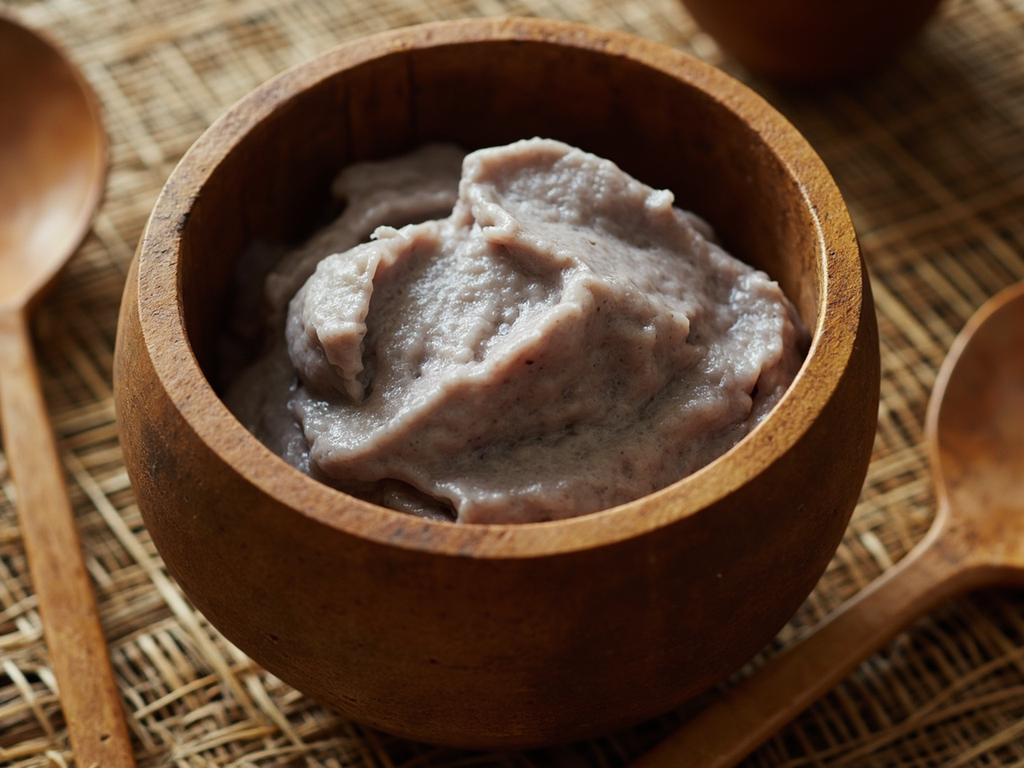 Everyday
Poi
Starch base (the "bread" of every Hawaiian table)
🫙 🍋· 1 h 15 (+ 1 to 3 days fermentation)
View the recipe
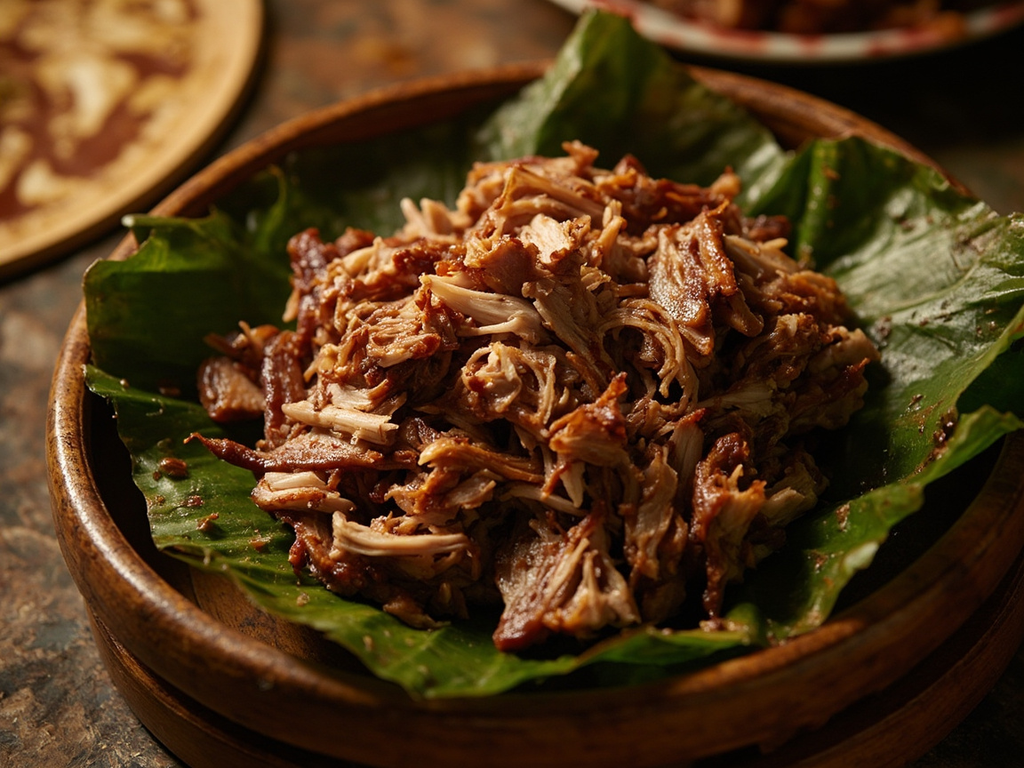 Festive
Kālua puaʻa — pork baked in an earth oven
Feast meat for aliʻi (ʻaha ʻaina / lūʻau)
🍄 🧂· 6 h
View the recipe
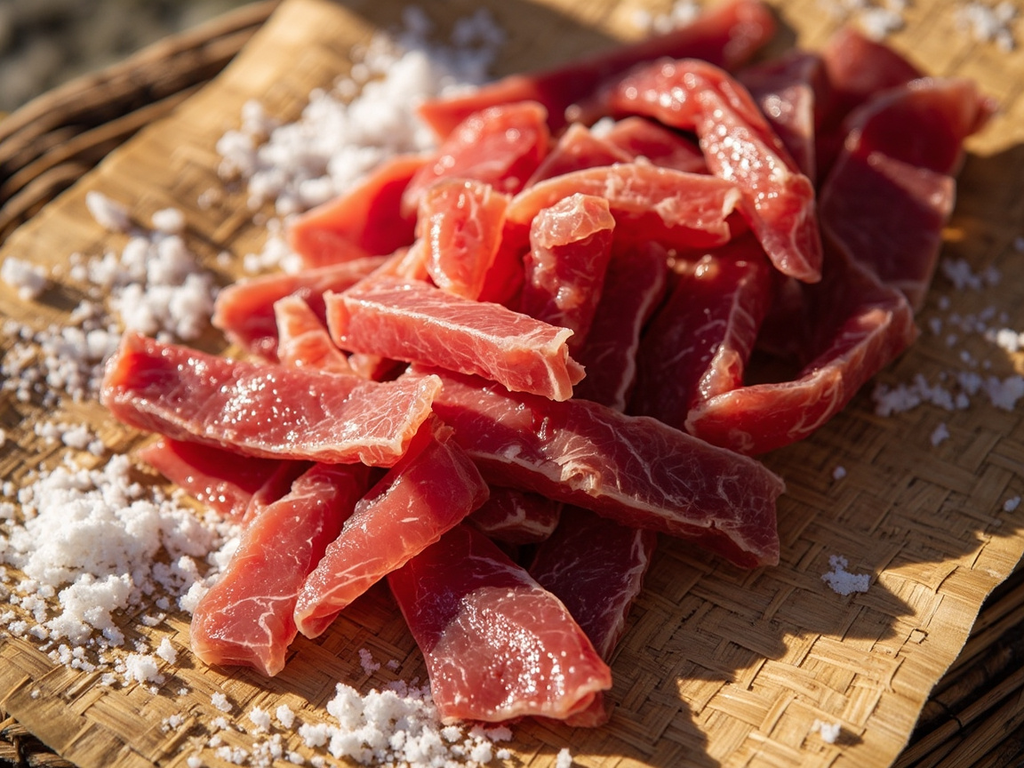 Preserving
Iʻa maloʻo — salted and dried fish
Travel provisions and accompaniment (iʻa de garde)
🧂 🍄· 30 min (+ 6 to 10 h drying)
View the recipe
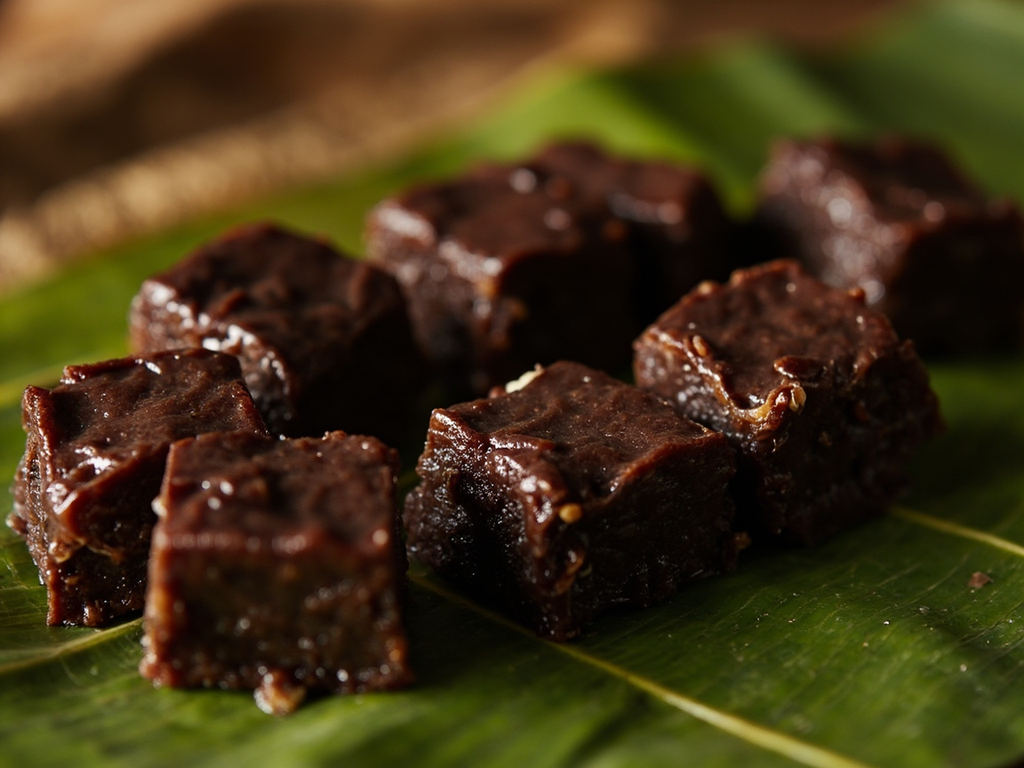 Offering
Kūlolo — taro and coconut pudding
Offering and festive sweet (mea ʻono)
🍯· 1 h 45
View the recipe
 Drink
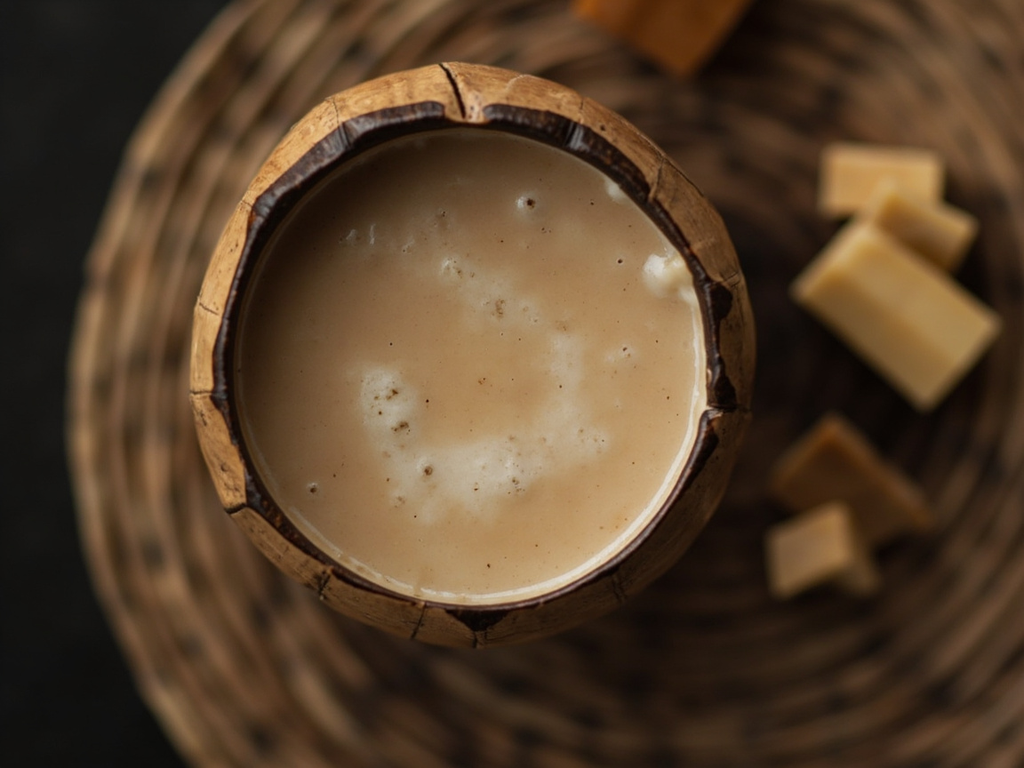
DrinkʻAwa — kava root drink
Ceremonial and calming beverage (mea inu)
☕· 20 min
View the recipe